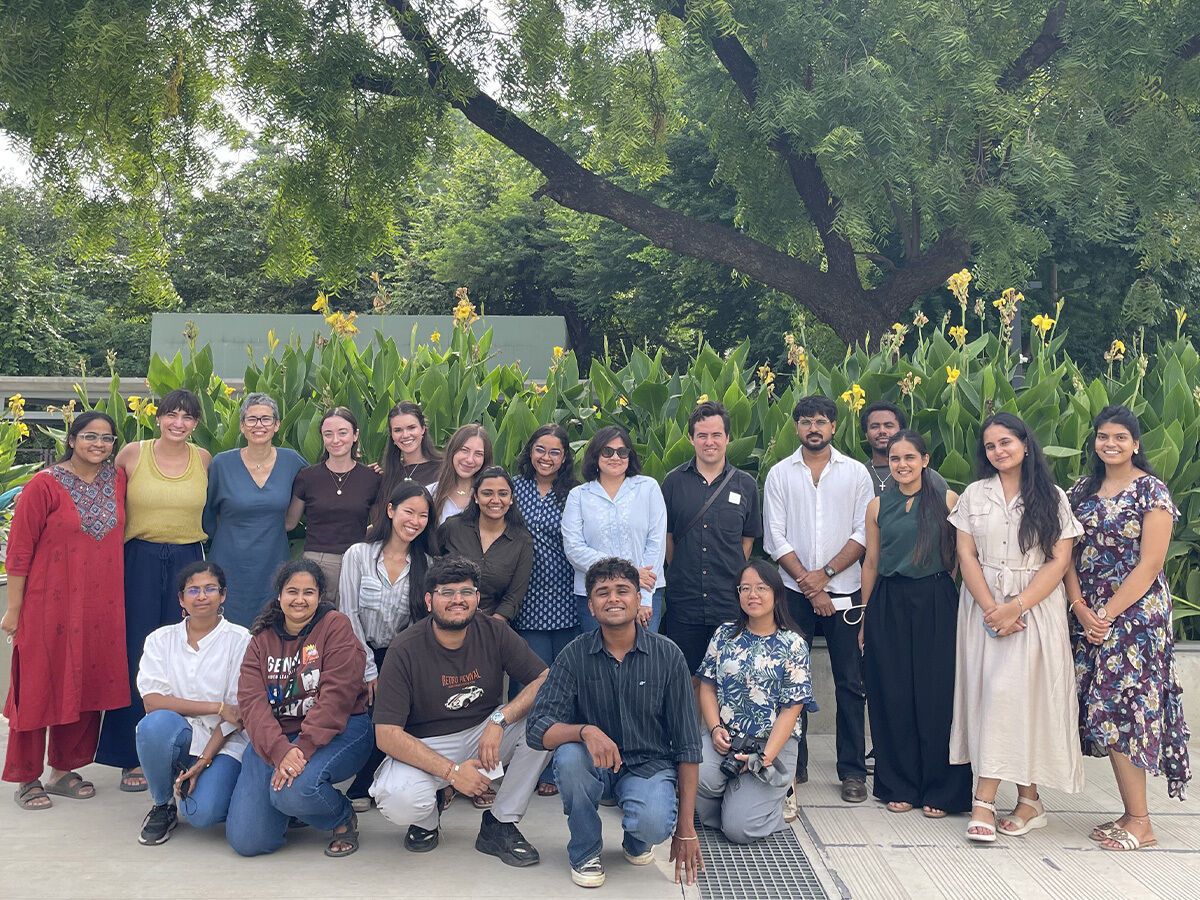
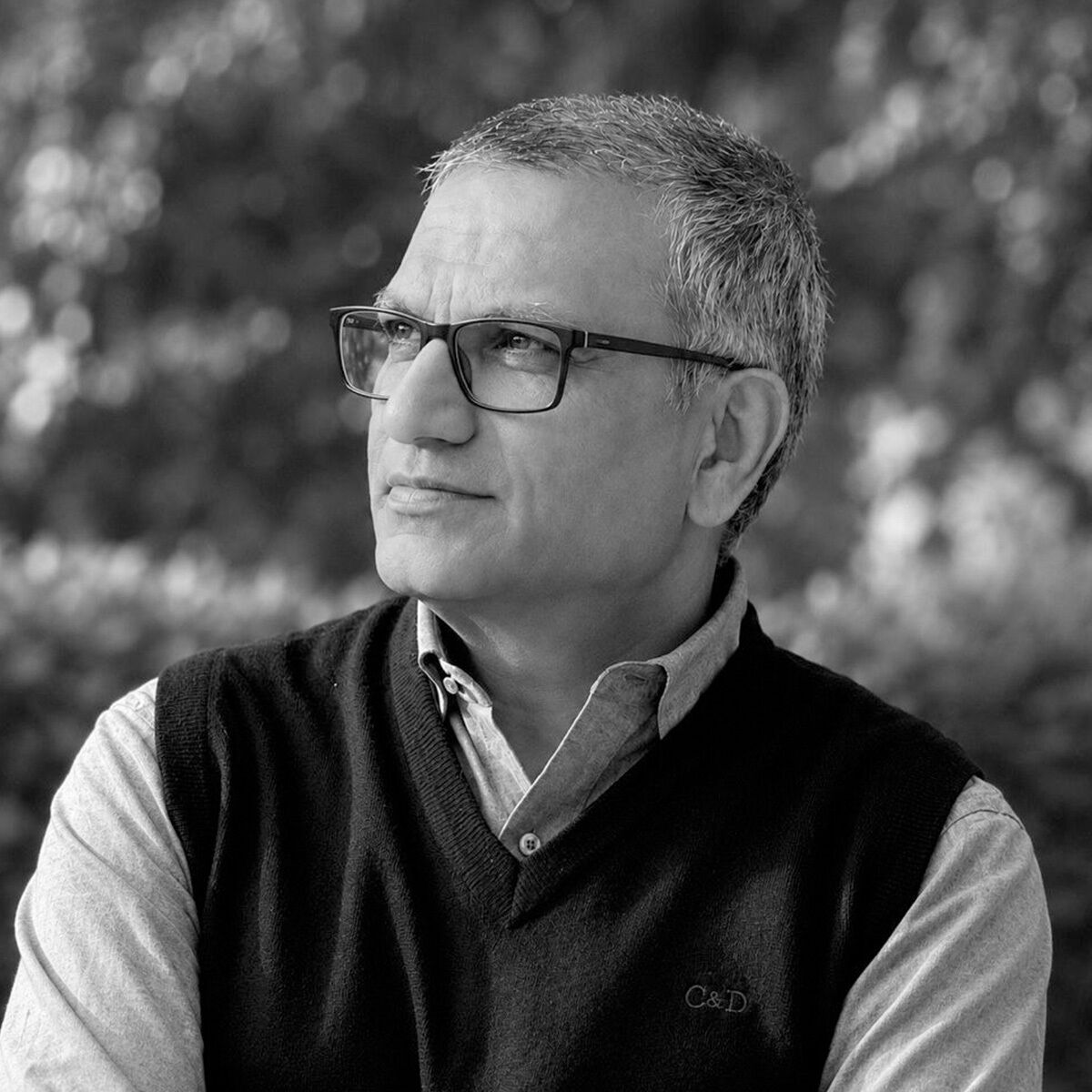
Led by María Arquero de Alarcón, University of Michigan, and Chandrani Chakrabarti, CEPT University, Water Plus / Fluid Frameworks brought students from different design disciplines together to investigate how water could serve as a structuring framework for large-scale urban transformation.
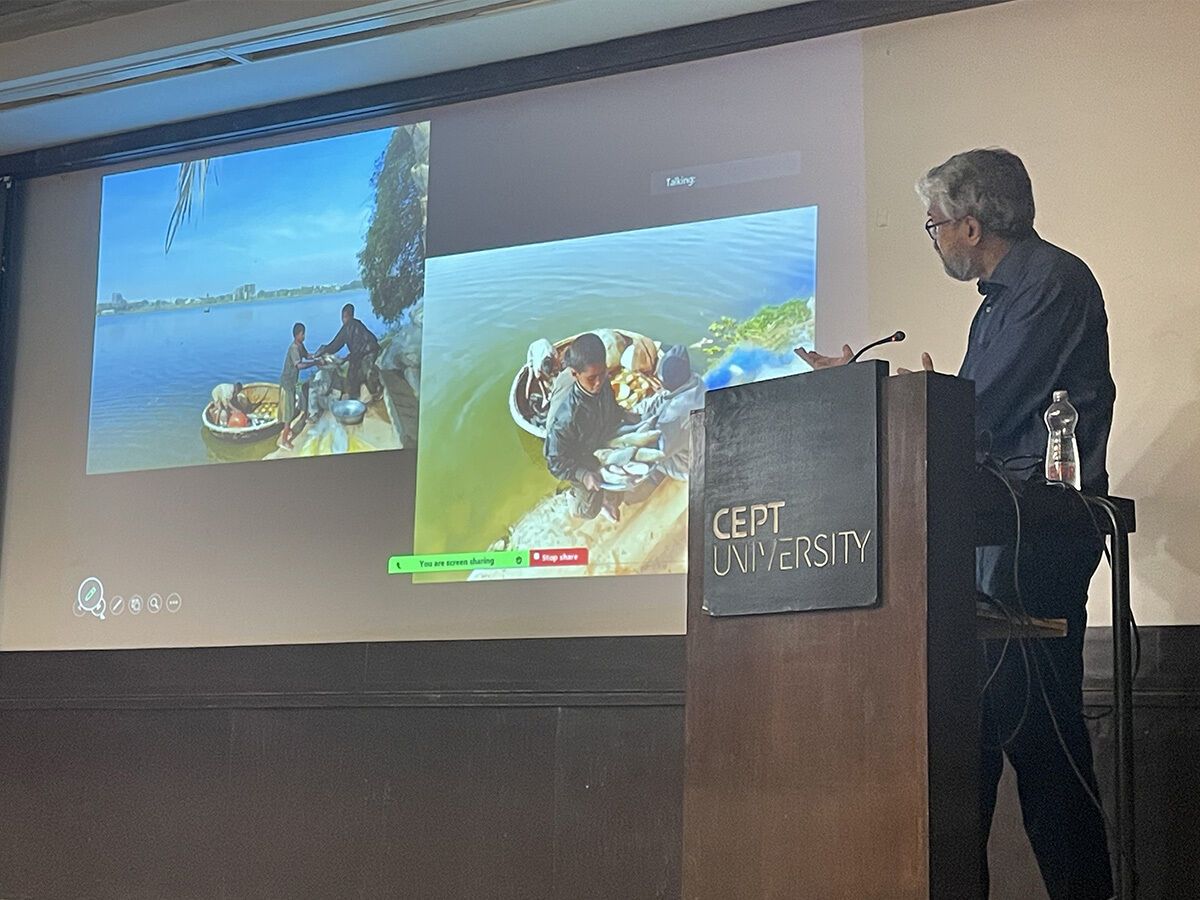
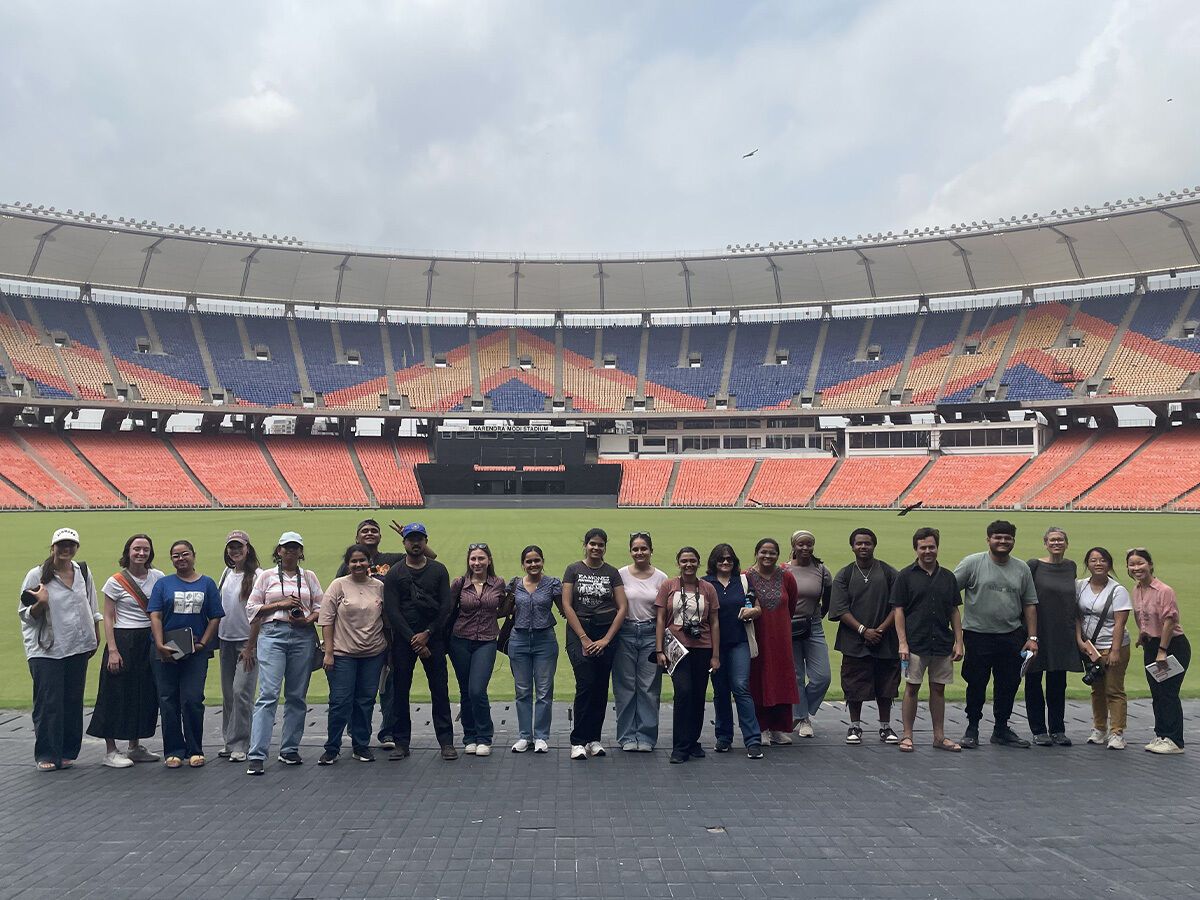
The workshop focused on two major venue sites associated with the proposed 2030 Commonwealth Games — the Sardar Vallabhbhai Patel Sports Enclave in Ahmedabad and the Karai Police Academy Sports Hub in Gandhinagar — with the Sabarmati River considered as a central spine connecting the two locations. Students explored how mega-event development could integrate water-sensitive and ecological strategies from the outset while examining the longer-term social and environmental implications of such transformations.
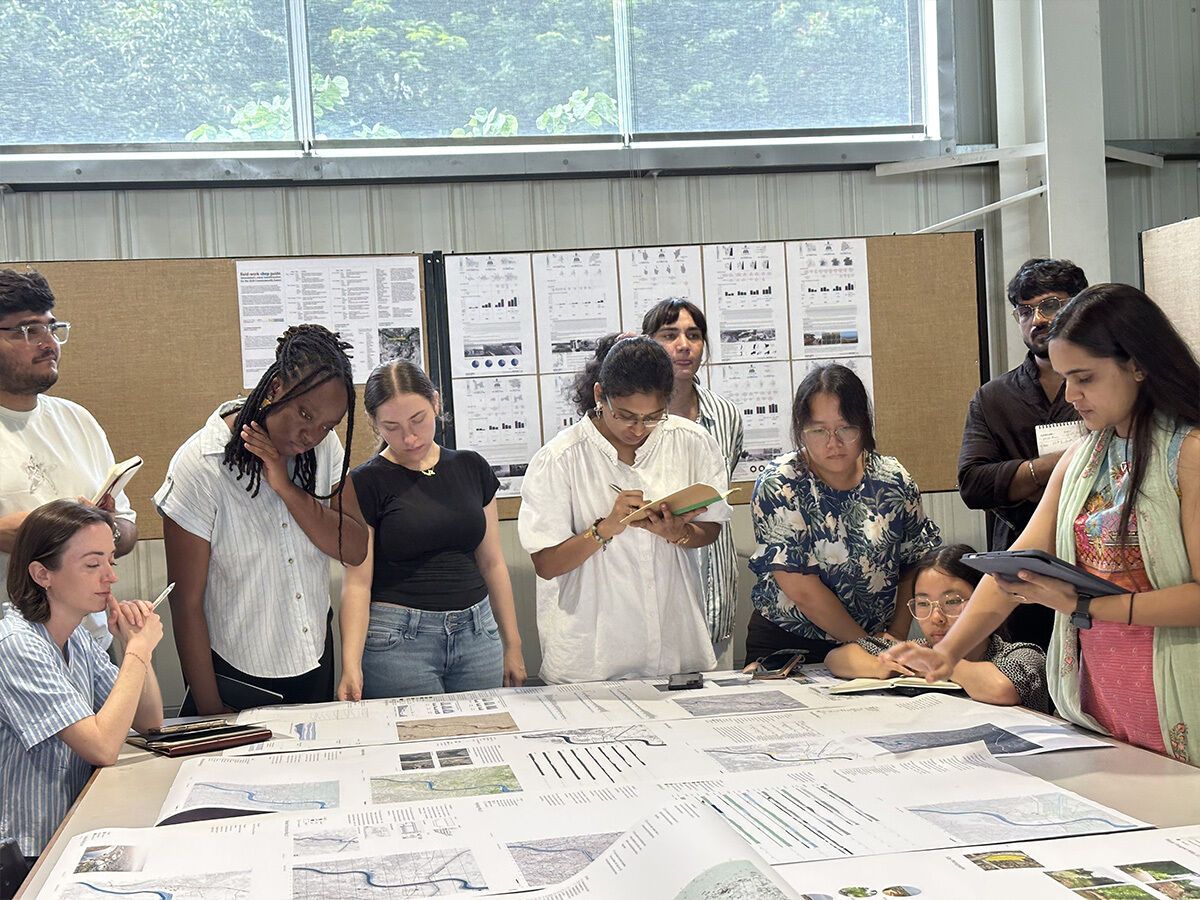
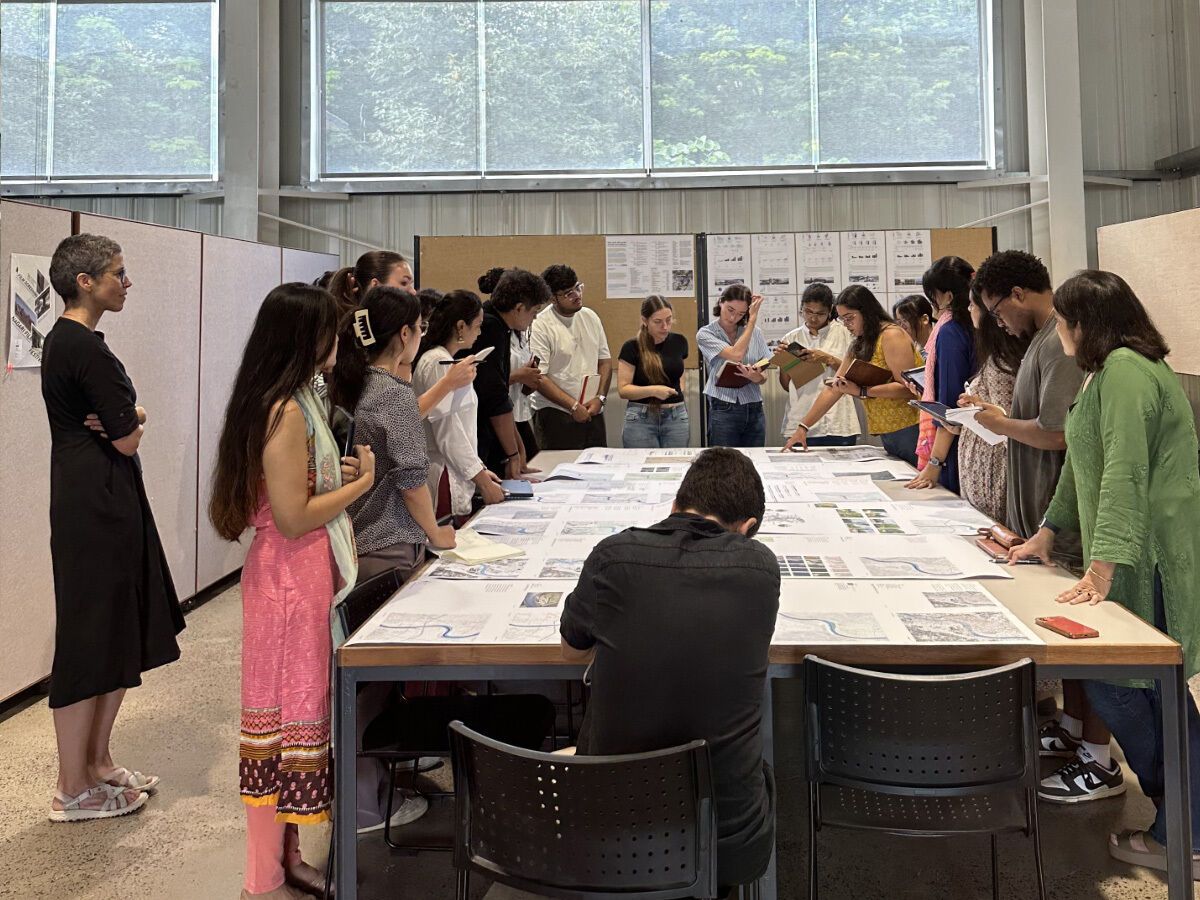
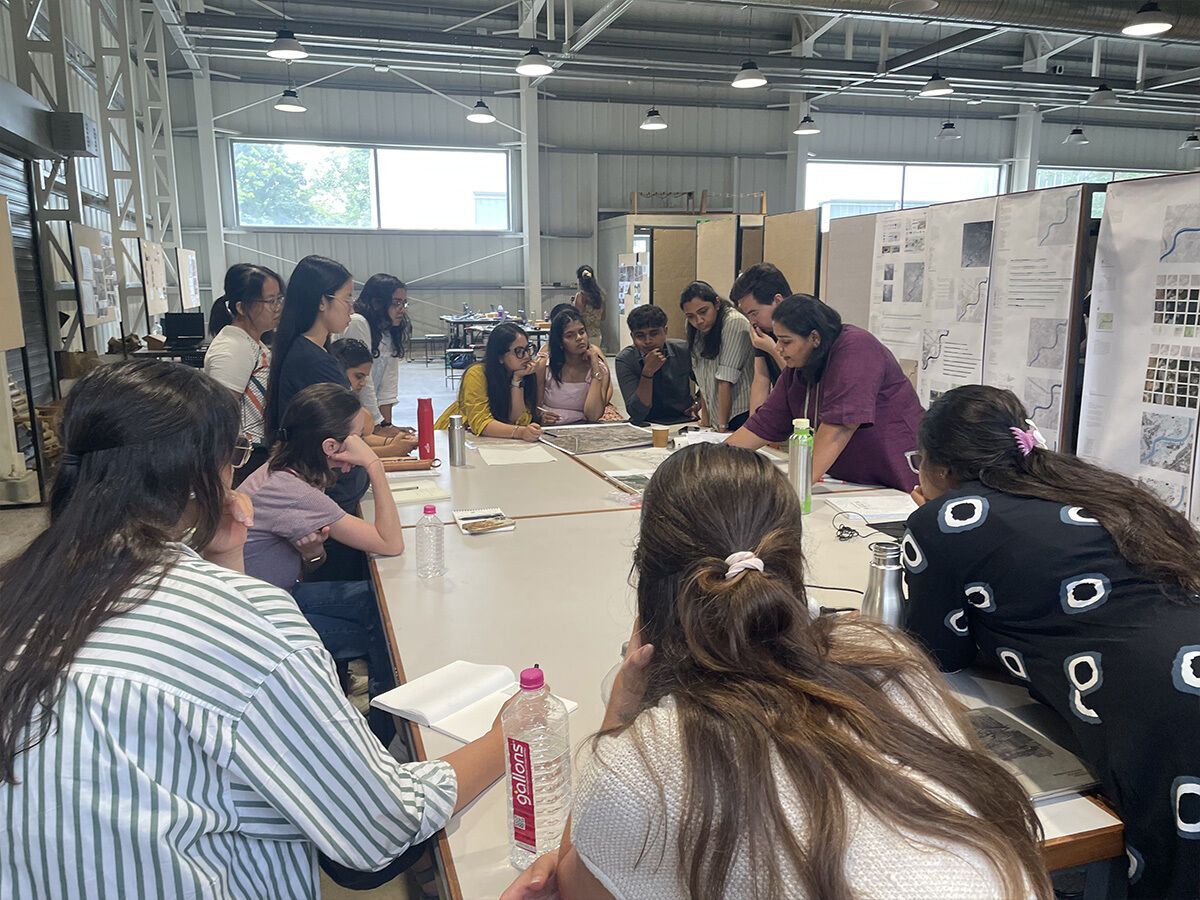
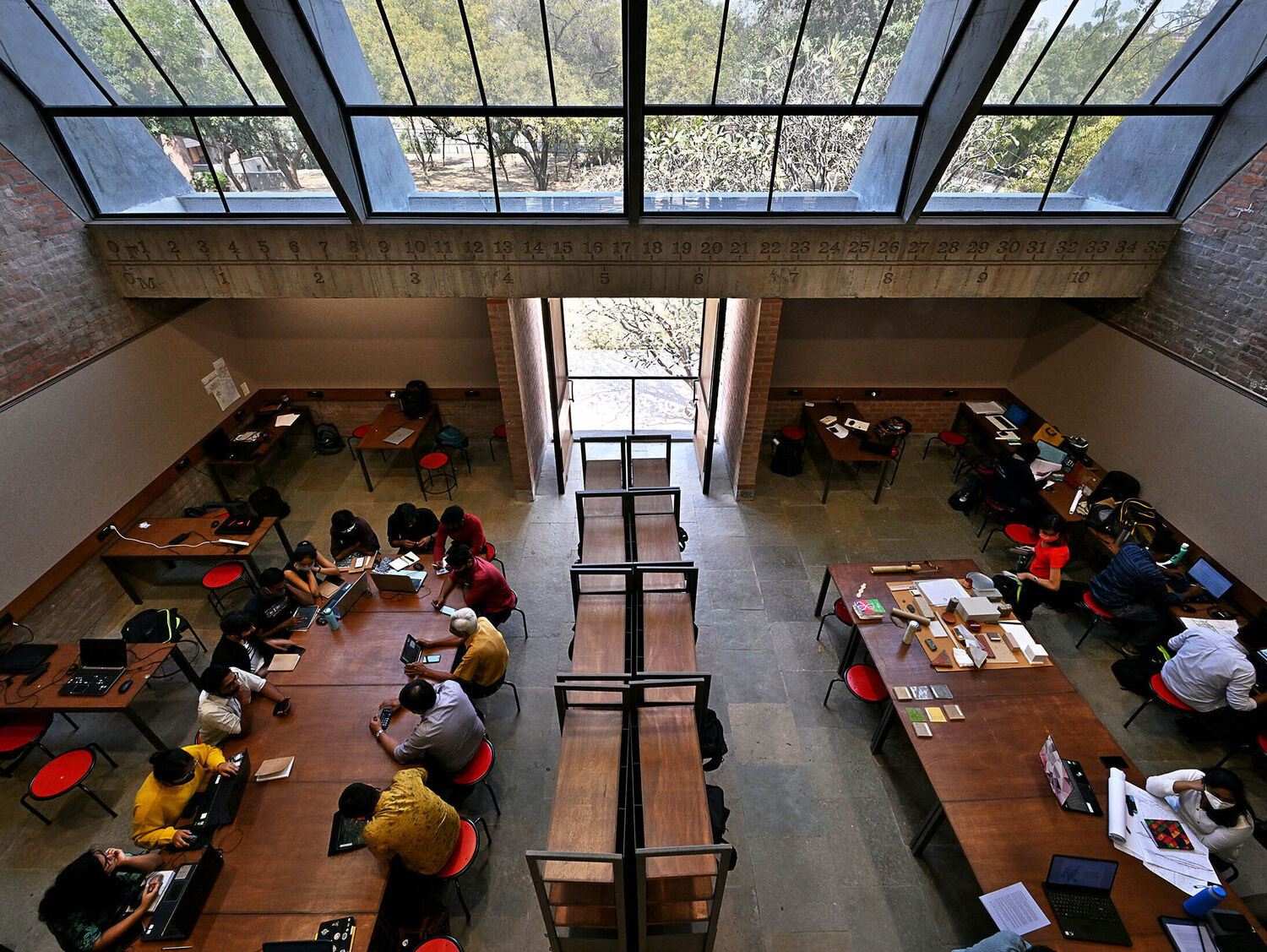
Over eleven days, students participated in guided fieldwork, expert lectures, discussions, and archival and reflective exercises. Sessions addressed landscape and urban transformation, planning mechanisms, public gardens, social hydrology, spatial justice, labour, climate action, and public-realm design. Contributions from Sandip Patil, Rutul Joshi, Anjali Jain, Vishwanath S., Renu Desai, Studio 23N72E, Radhika Mathur, and Neha Sarwate introduced multiple perspectives on Ahmedabad’s evolving urban landscape.
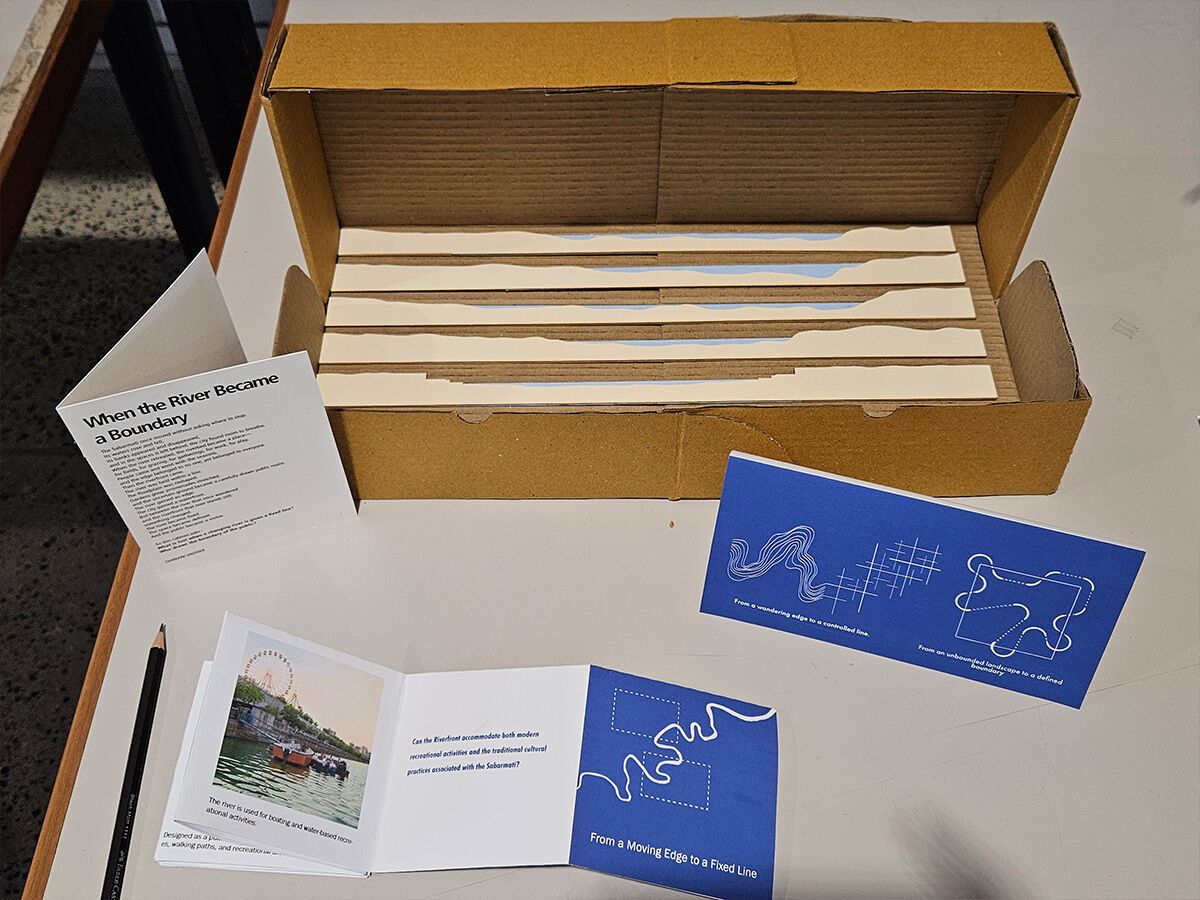
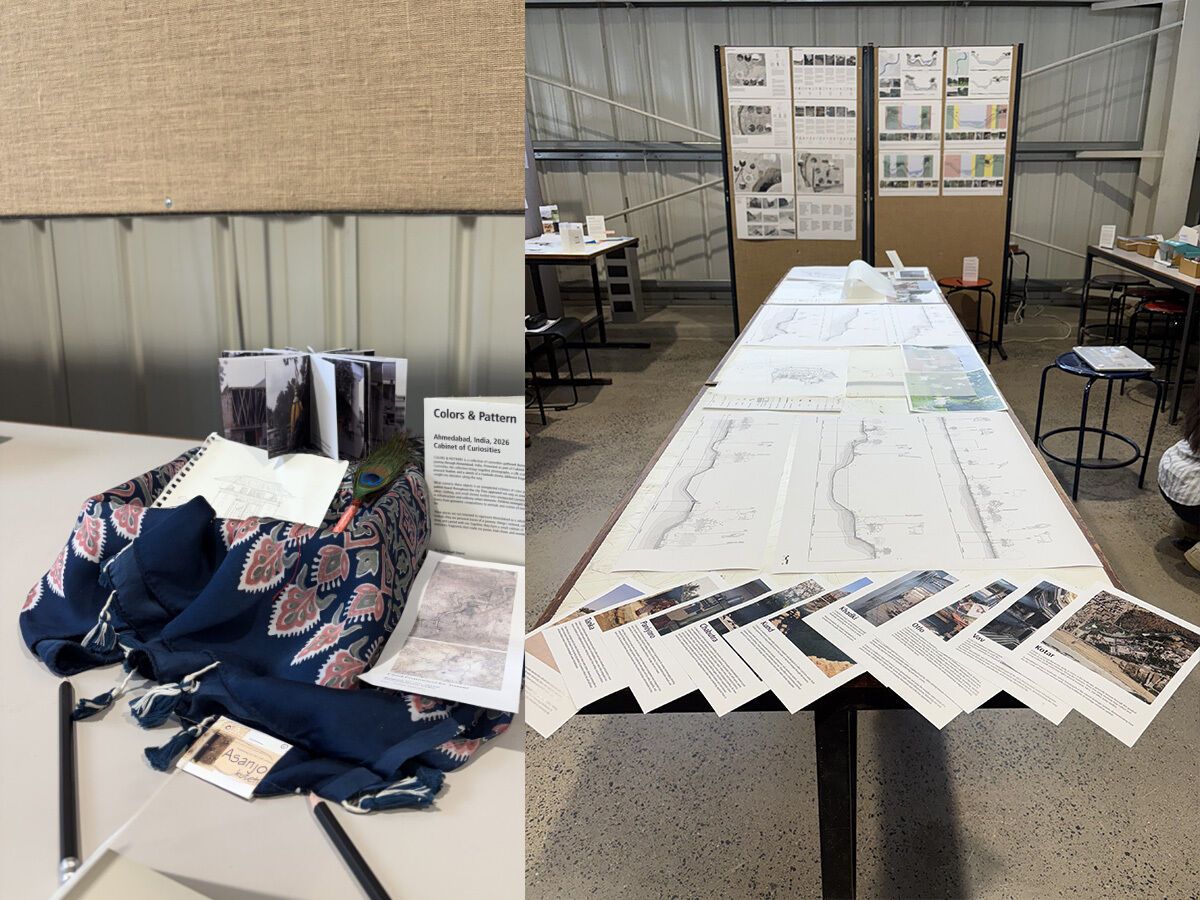
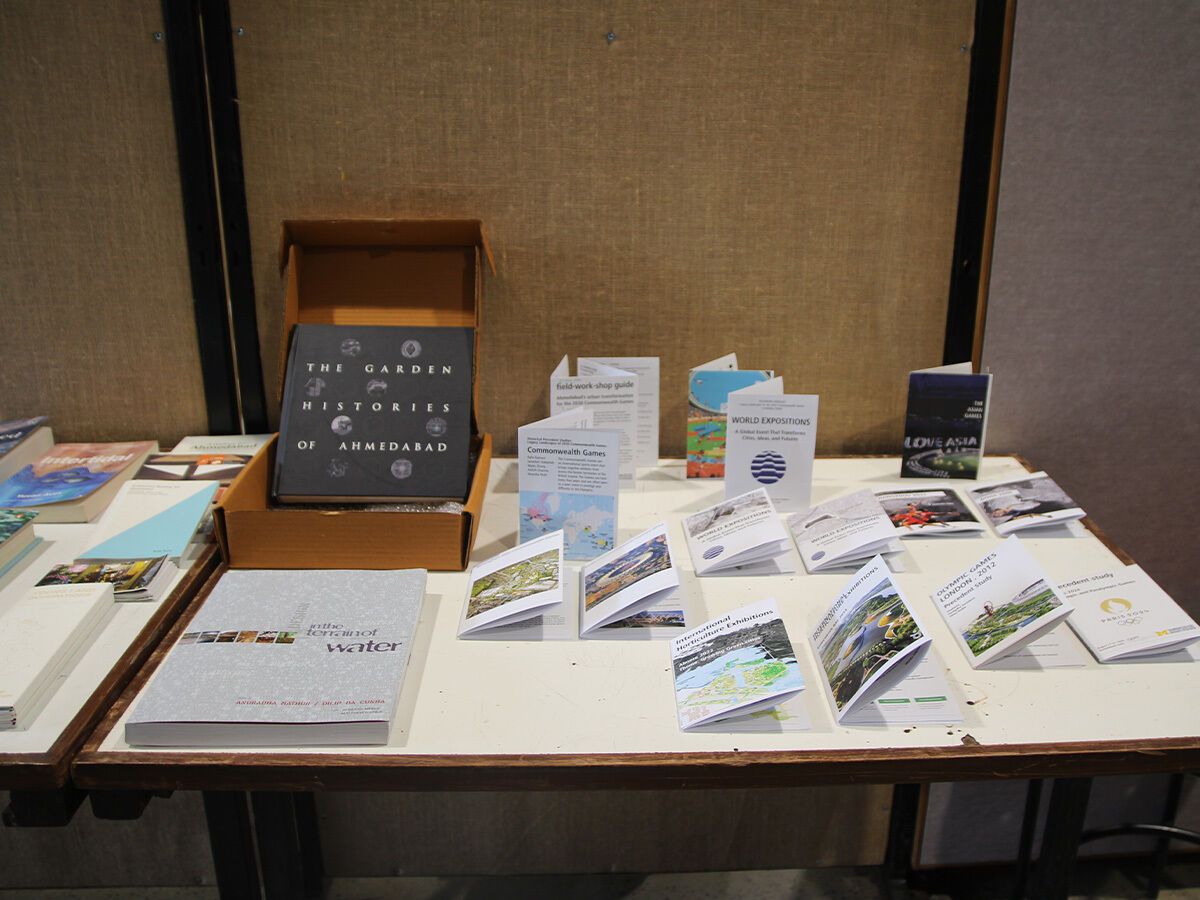
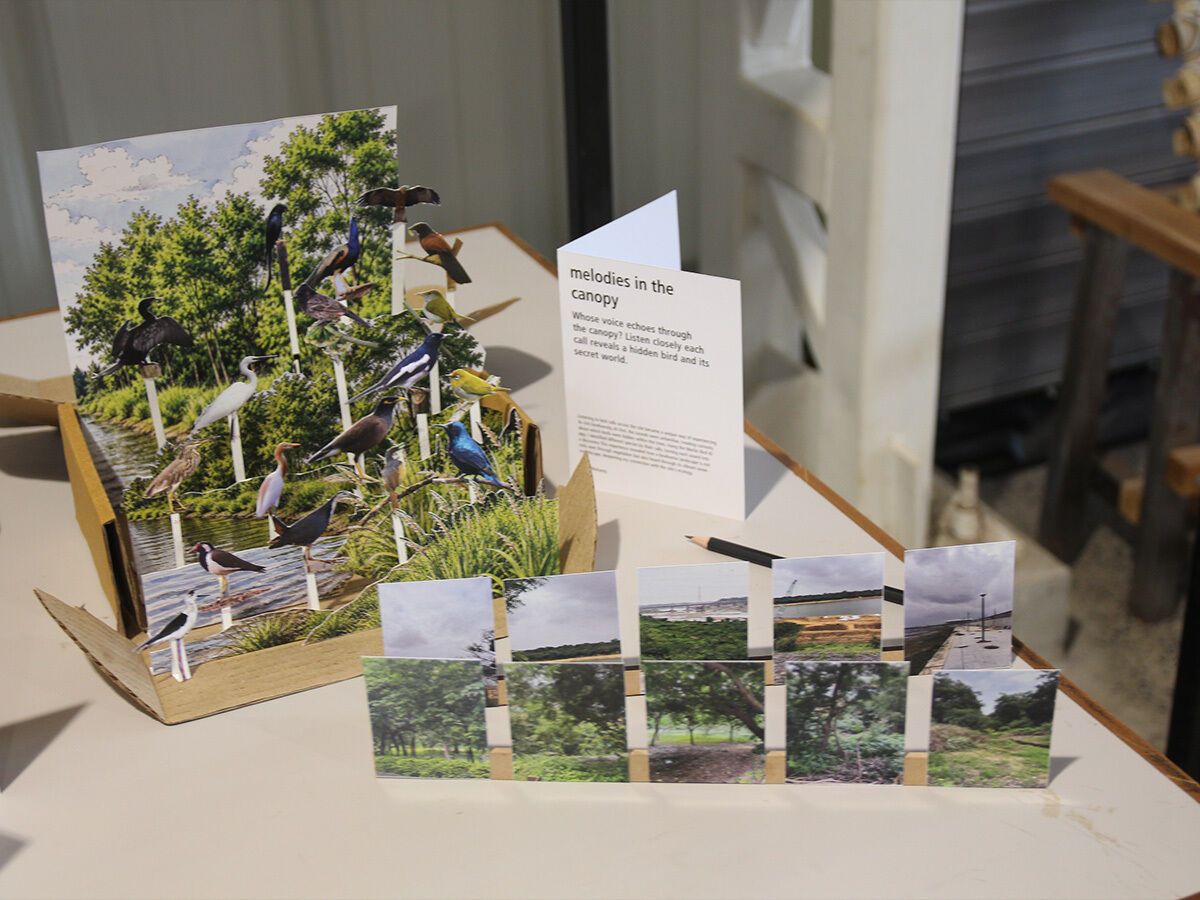
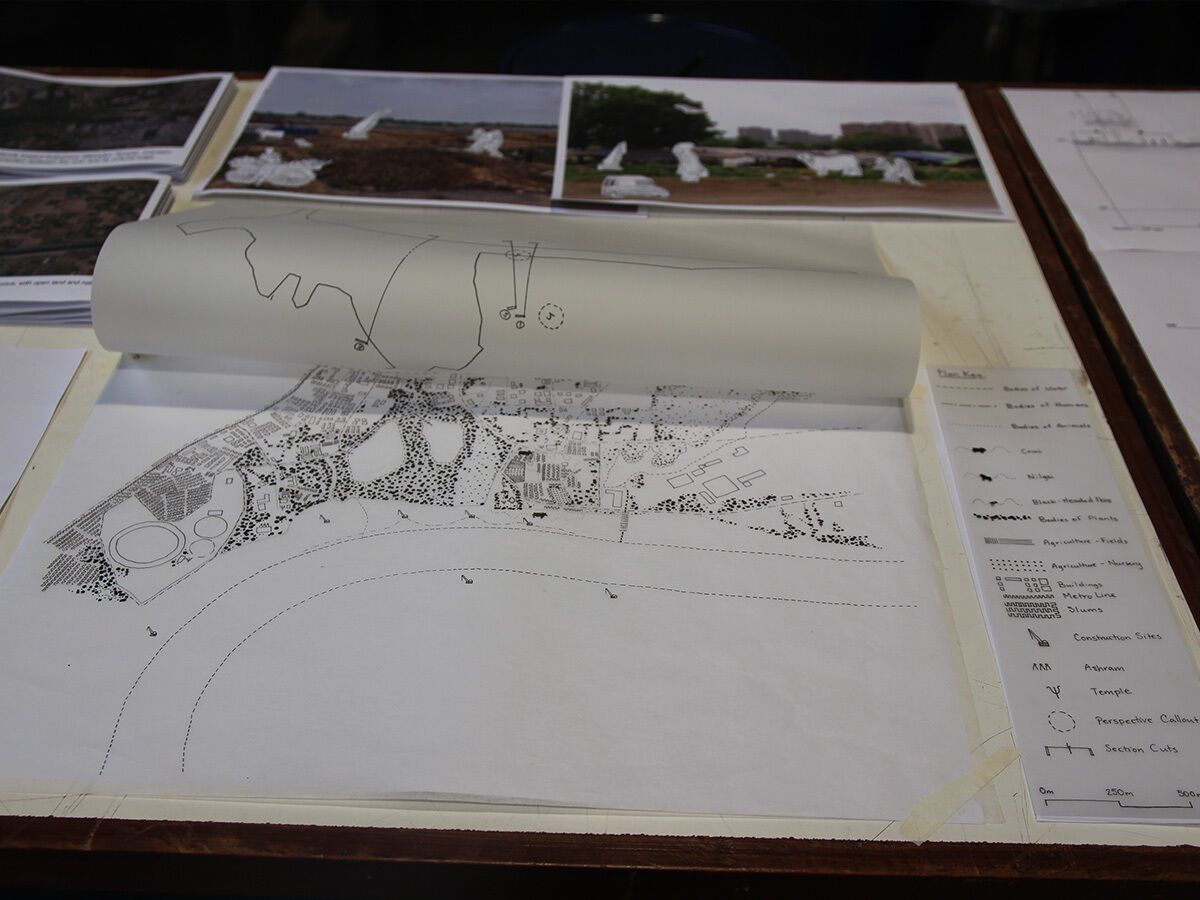
The investigations were organized around three complementary components: a cabinet of curiosities, precedent studies examining the urban legacy of mega-events, and thematic registers documenting site conditions. Through the cabinet of curiosities, students collected and curated observations, objects, images, sounds, stories, textures, and everyday encounters from Ahmedabad. These small archives — from patterns and colours to livelihoods, wildlife, river edges, and personal encounters — encouraged students to look beyond conventional site analysis and identify less visible relationships between people, place, and landscape.
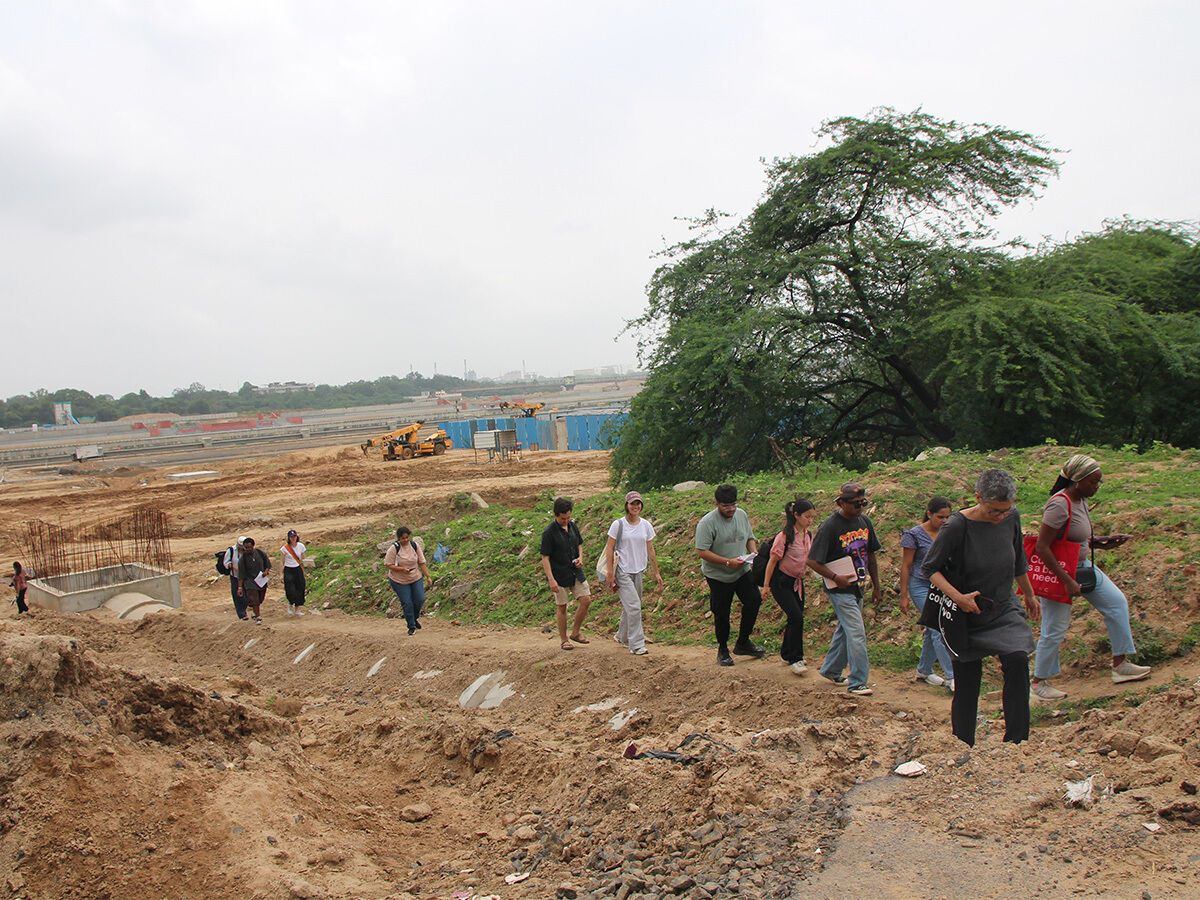
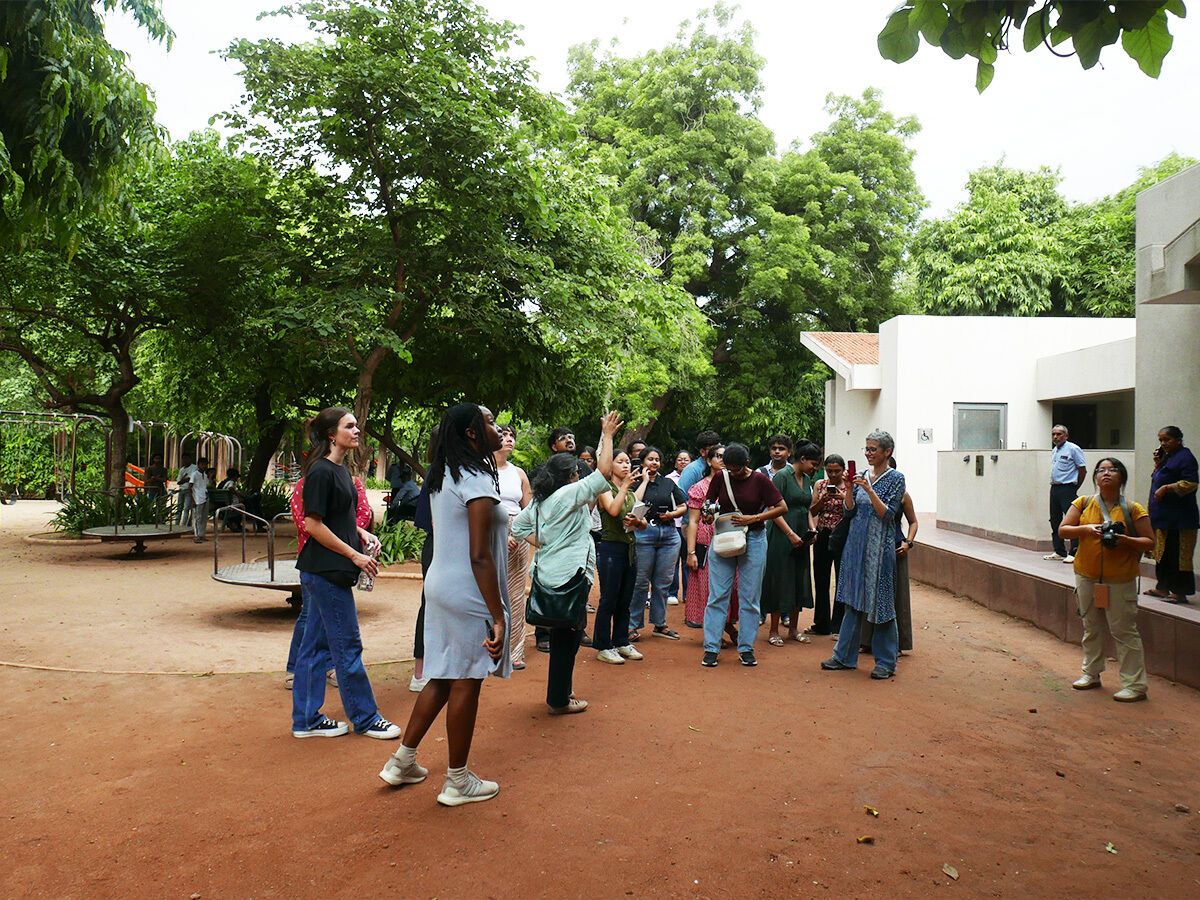
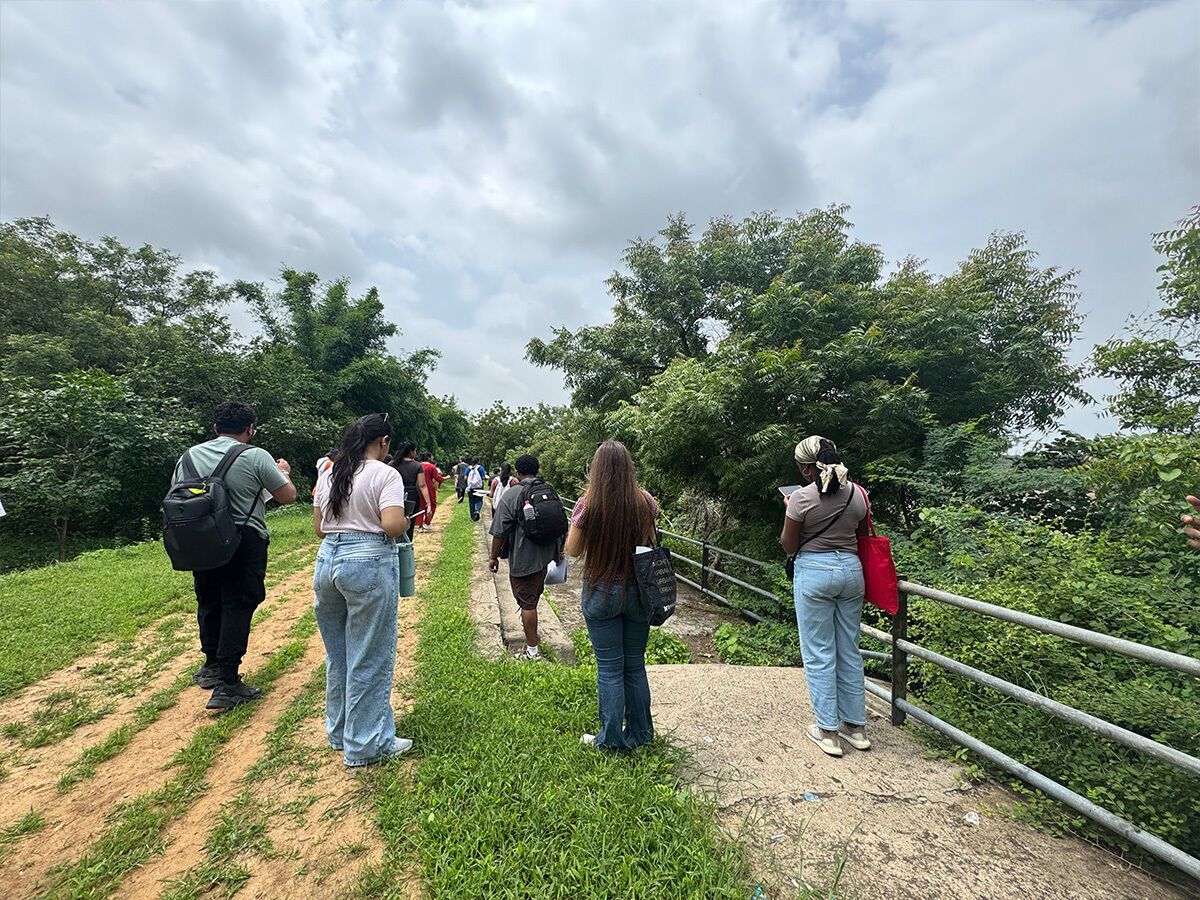
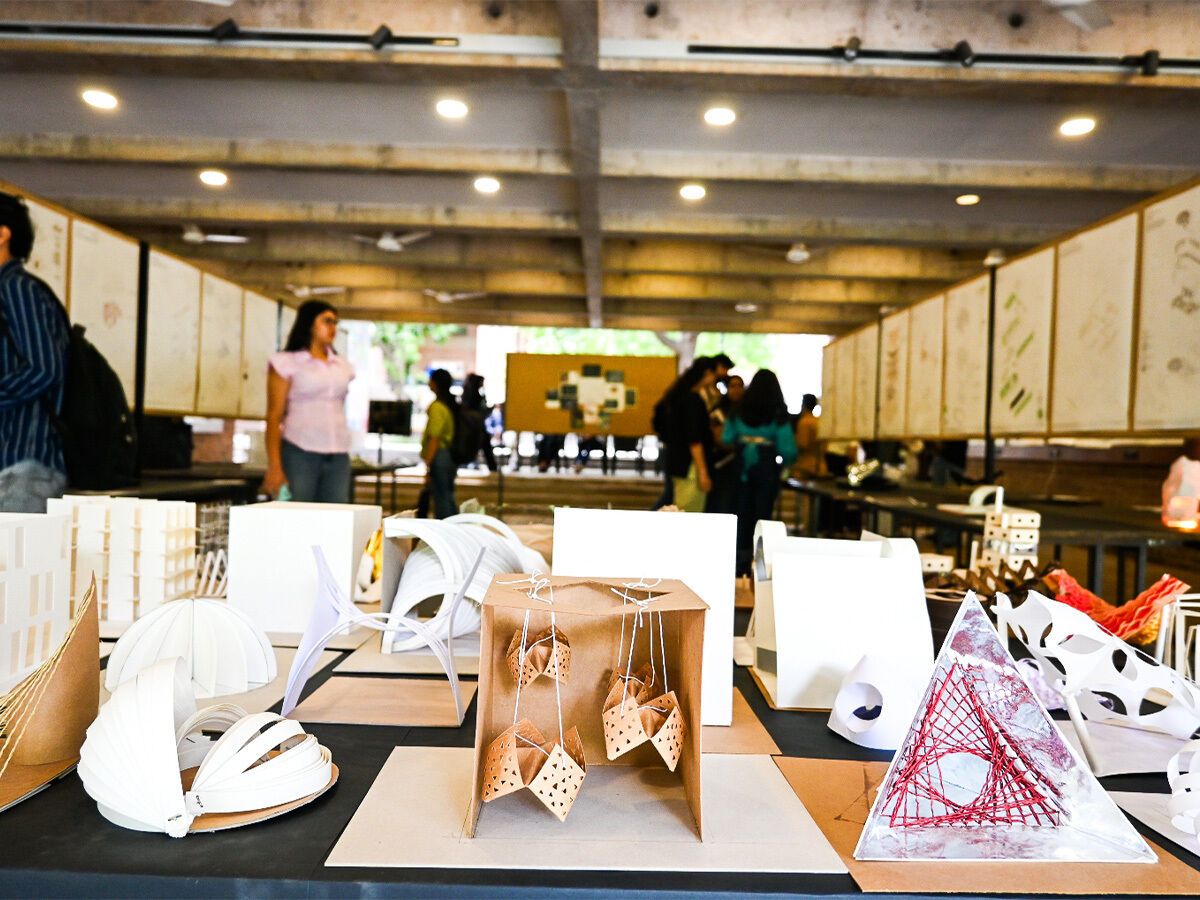
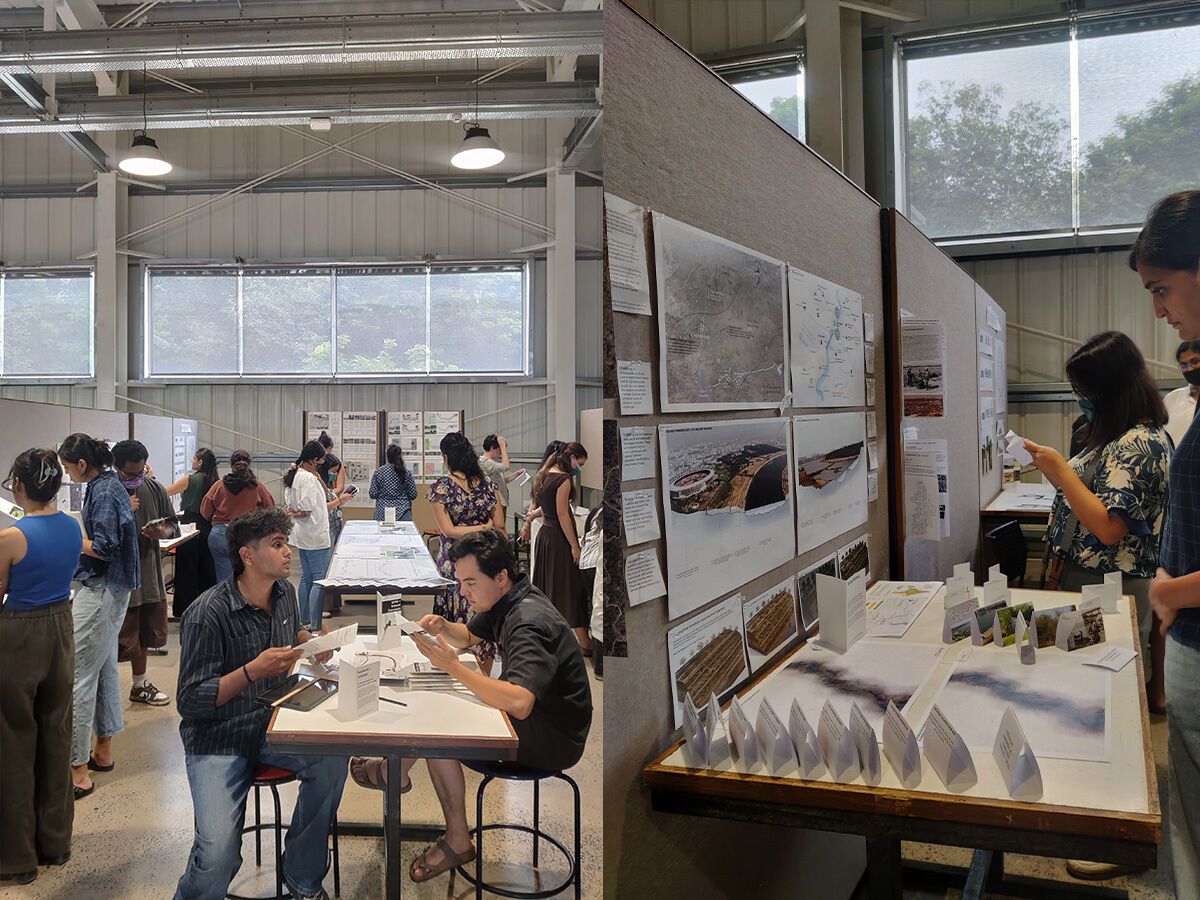
Working across multiple scales, students used maps, diagrams, sketches, photographs, artefacts, and models to investigate relationships between water, ecology, infrastructure, and urban development. Their inquiries also considered the legacy of mega-events, including questions around who benefits from large-scale urban transformation and who may be displaced or left behind.
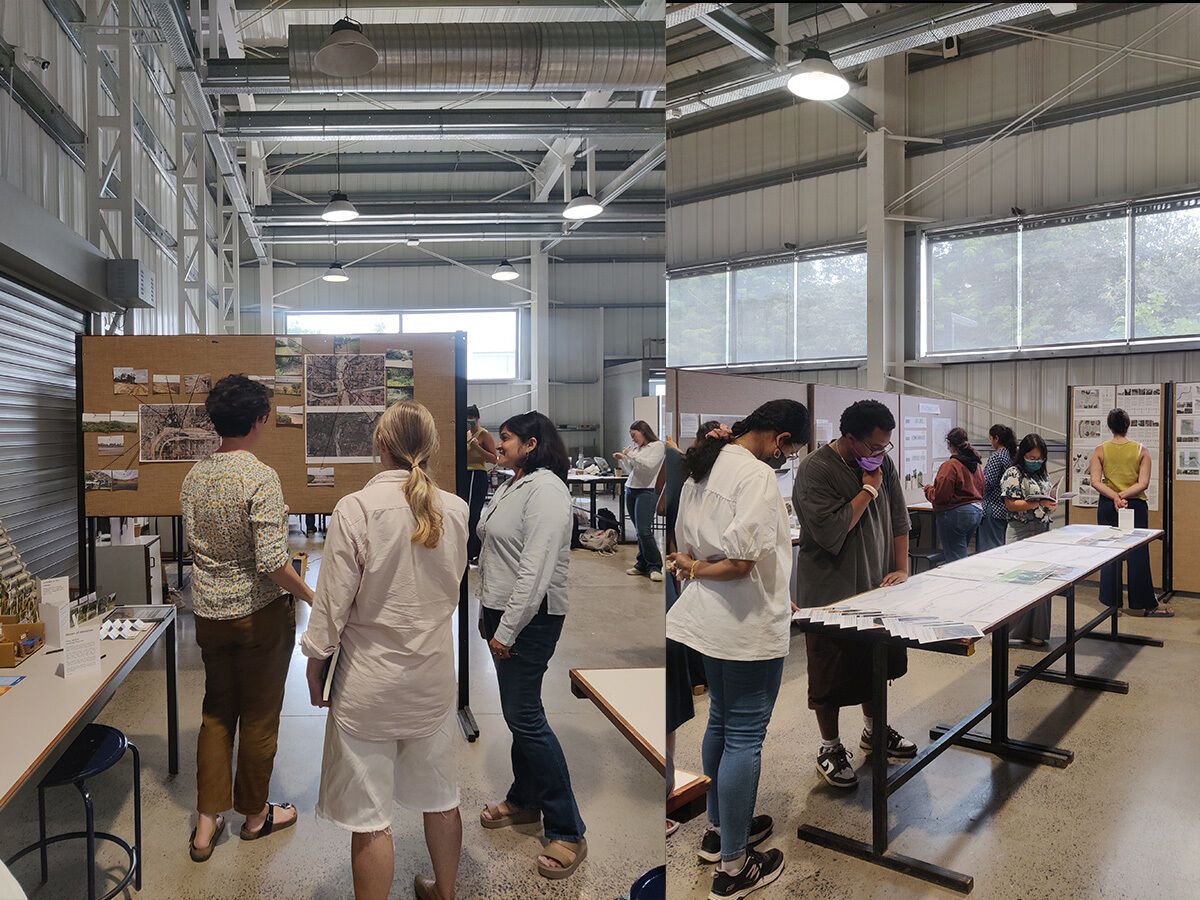
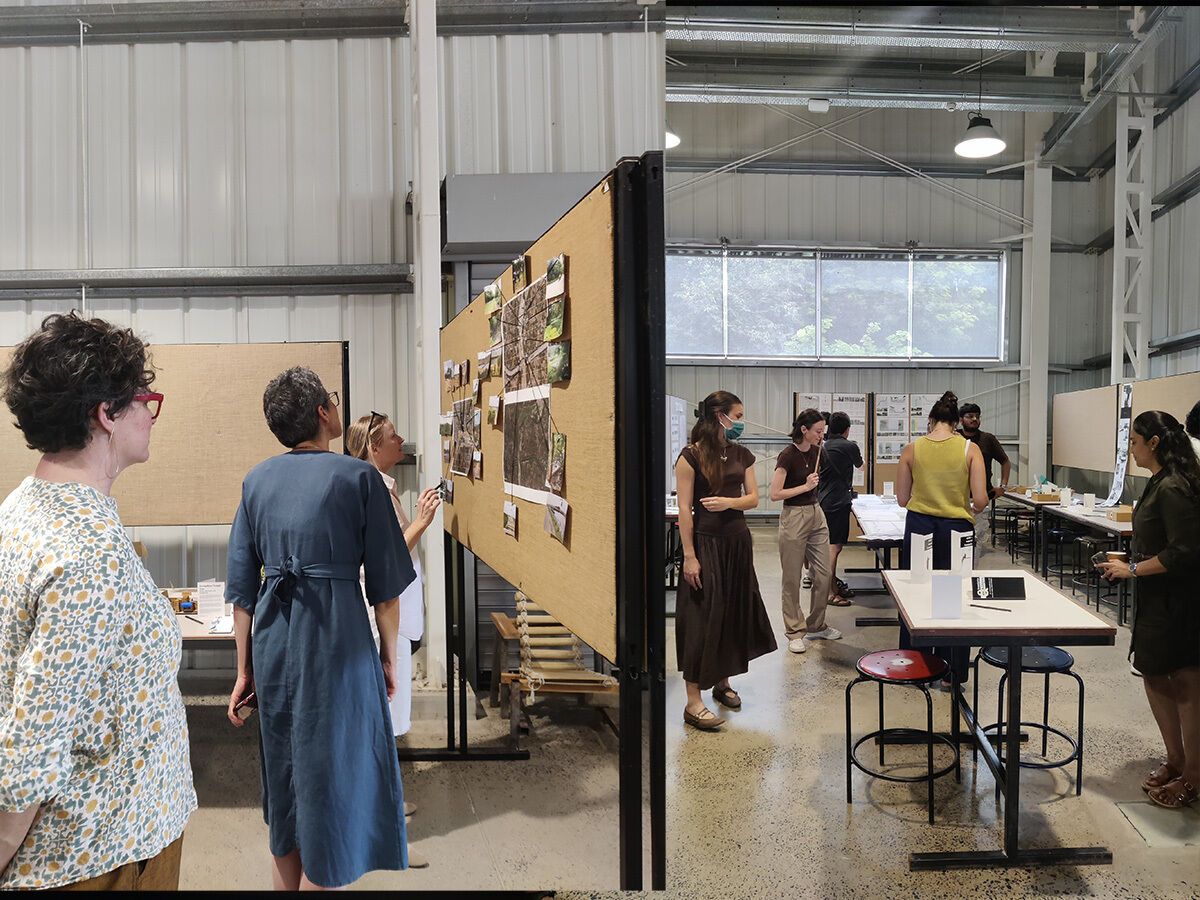
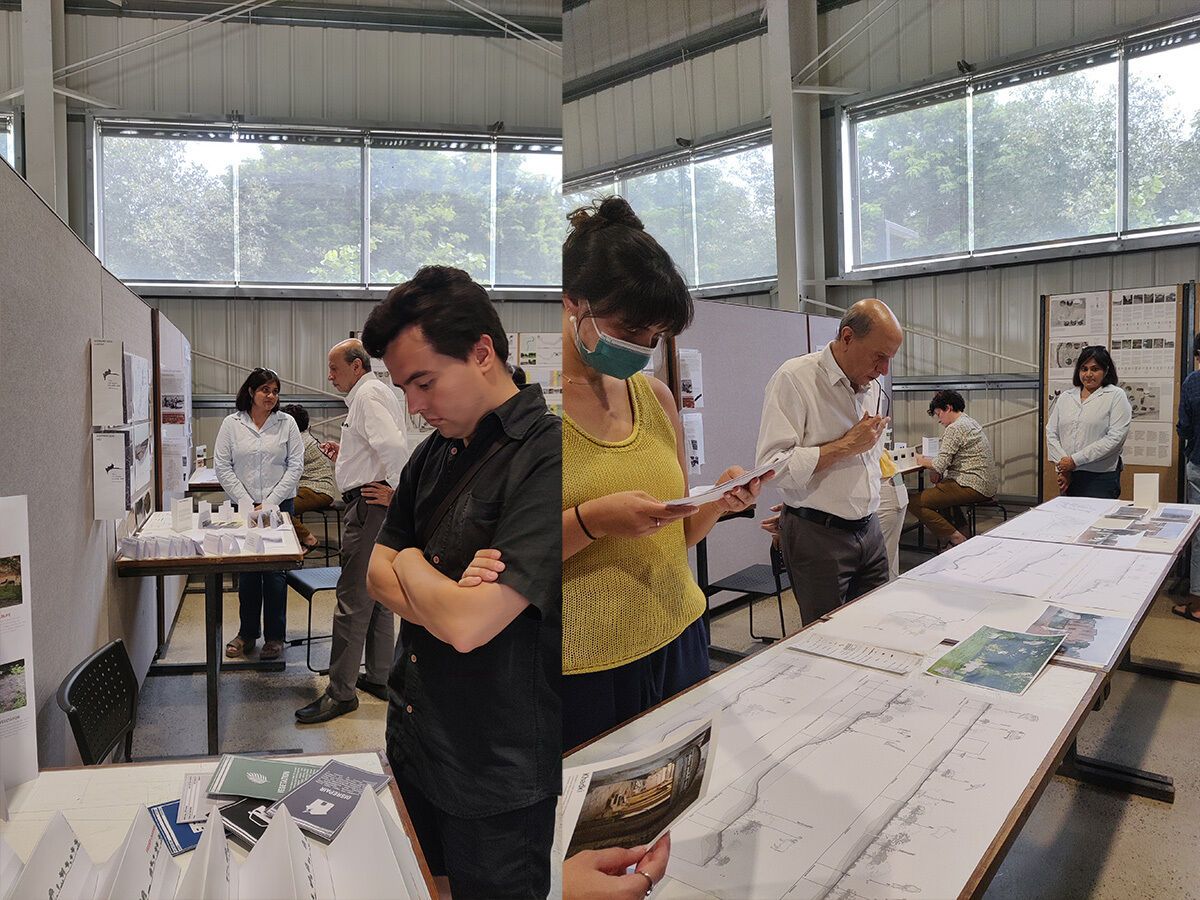
The workshop culminated in a collective exhibition and discussion, where students presented their investigations and emerging propositions. Rather than approaching water solely as technical infrastructure or an environmental constraint, the workshop considered its potential as a framework for landscape planning, ecological restoration, public-realm development, and long-term urban resilience.
The initiative strengthened ongoing academic exchange between CEPT University and the University of Michigan while giving students an interdisciplinary platform to engage with a major forthcoming urban transformation in Ahmedabad. It also reflects CEPT University’s commitment to international academic collaboration and design education that brings ecological, social, and spatial questions into dialogue.