Vaati Vyavahar : Embracing the Concept of Shared Spaces

- tanisha arande
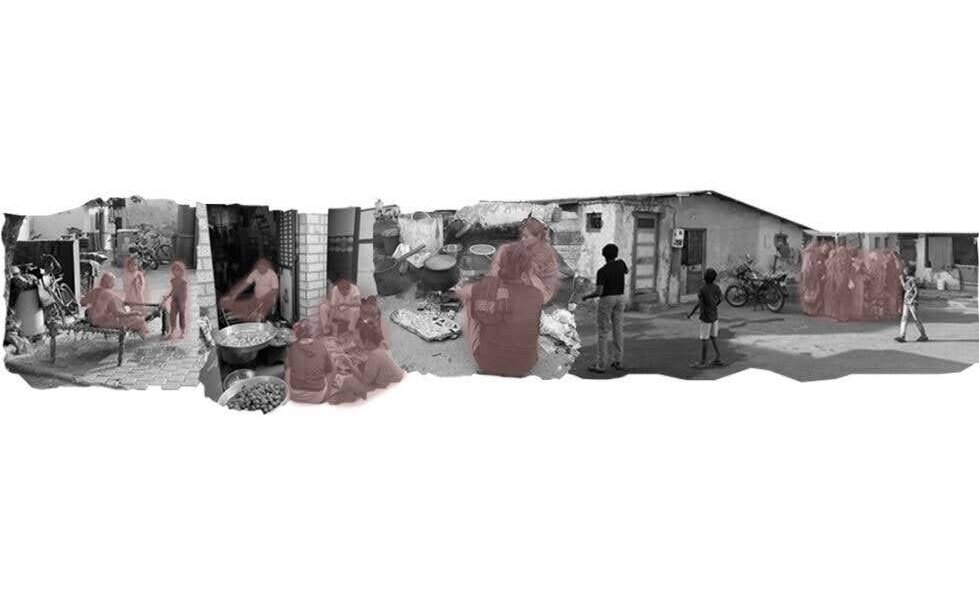
Vaati Vyavahaar is an urban design intervention located in Bhati Vas, within Rakhial Gaam, an urban village in eastern Ahmedabad. The area is characterized by a tightly knit community, active cottage industries, and strong social life, yet suffers from severe spatial constraints and underutilized open spaces. Two khadkis converge at a central open space anchored by a temple, which, despite its cultural significance, remains largely unused due to poor infrastructure. With 750 residents sharing only 1148 sq m of public land amounting to just 1.5 sq m per person the need for well-designed shared spaces becomes critical. Limited indoor space forces everyday activities onto the streets, blurring private and public realms. The project seeks to reimagine these shared spaces to support work, social interaction, cultural practices, and everyday life.
The project approach is rooted in understanding everyday practices through community engagement and spatial analysis. Rather than introducing rigid programmatic zones, the design focuses on adaptable shared spaces that respond to multiple community needs. A flexible pavilion is introduced as a key intervention, featuring a hollow plinth that allows movement, visibility, and informal use, while the upper level accommodates workspaces with adjustable louvered walls for climate control. The temple is celebrated by developing a shaded, temple-centric plaza that enhances the experience of the chowk and supports social and cultural activities. Vehicular movement is reorganized by limiting the carriageway to 3.5 meters, allowing residual space to be reclaimed for public use. Threshold spaces are strengthened by extending otlas, creating a continuous and active interface between private homes and the public realm.
The project results in a significant transformation of Bhati Vas’s public realm by reorganizing and enhancing shared spaces. The total usable shared area increases from 250 sq m to approximately 600 sq m, substantially improving spatial equity and usability. Extended otlas integrate seating, planters, parking, and culturally significant elements such as tulsi plants, enabling multiple forms of interaction. These thresholds function as everyday workspaces, social nodes, and extensions during festivals and temple activities. The temple plaza becomes an active communal heart, encouraging lingering, dialogue, and collective rituals. By optimizing circulation, introducing flexible infrastructure, and reinforcing community-oriented spaces, Vaati Vyavahaar strengthens social cohesion and supports livelihoods. The project demonstrates how small-scale, context-sensitive interventions can generate a holistic and inclusive community experience within dense urban villages.
Awards
- CEPT Excellence Awards CEPT Excellence Award Spring 2024 CEPT University
- tanisha arande
Gallery
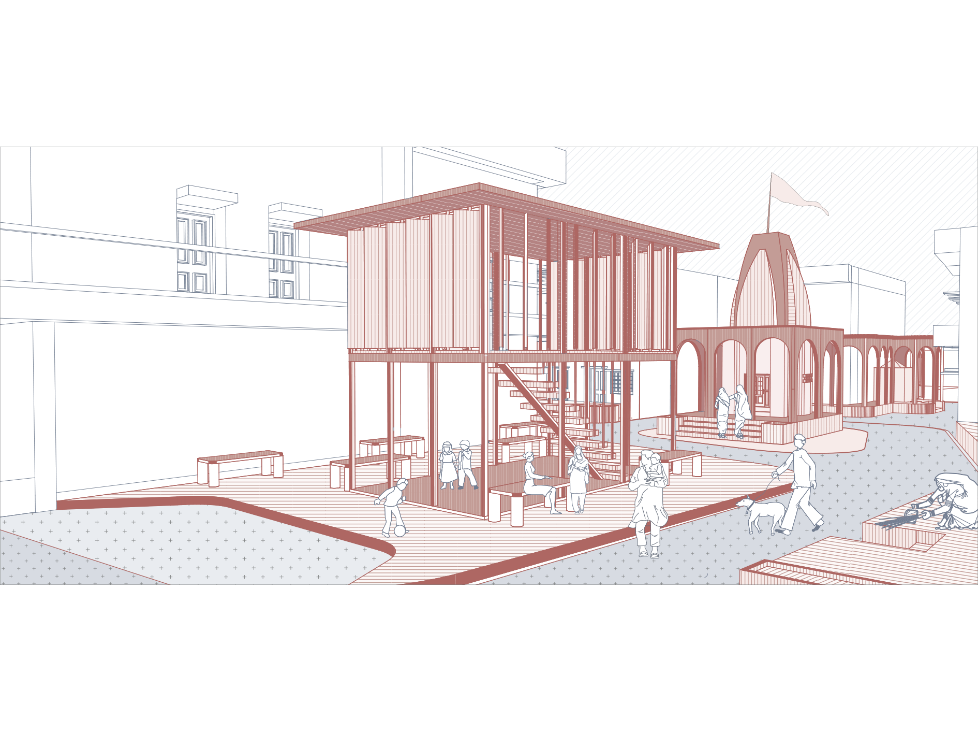
Character sketch of the central chowk
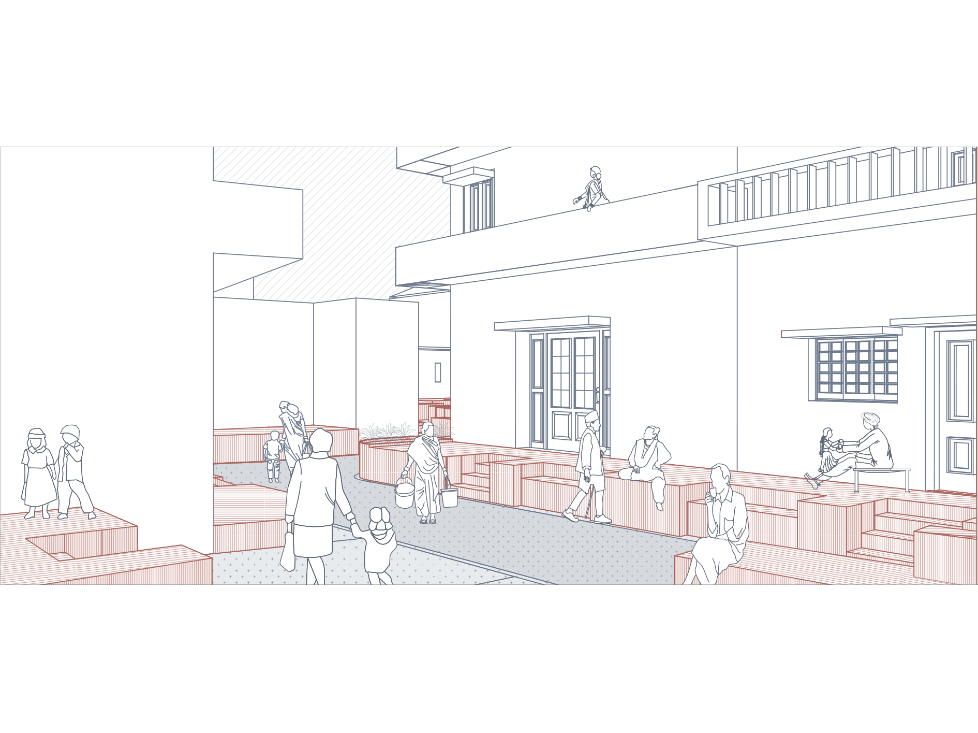
Character sketch of a mini courtyard formed inside the khadki
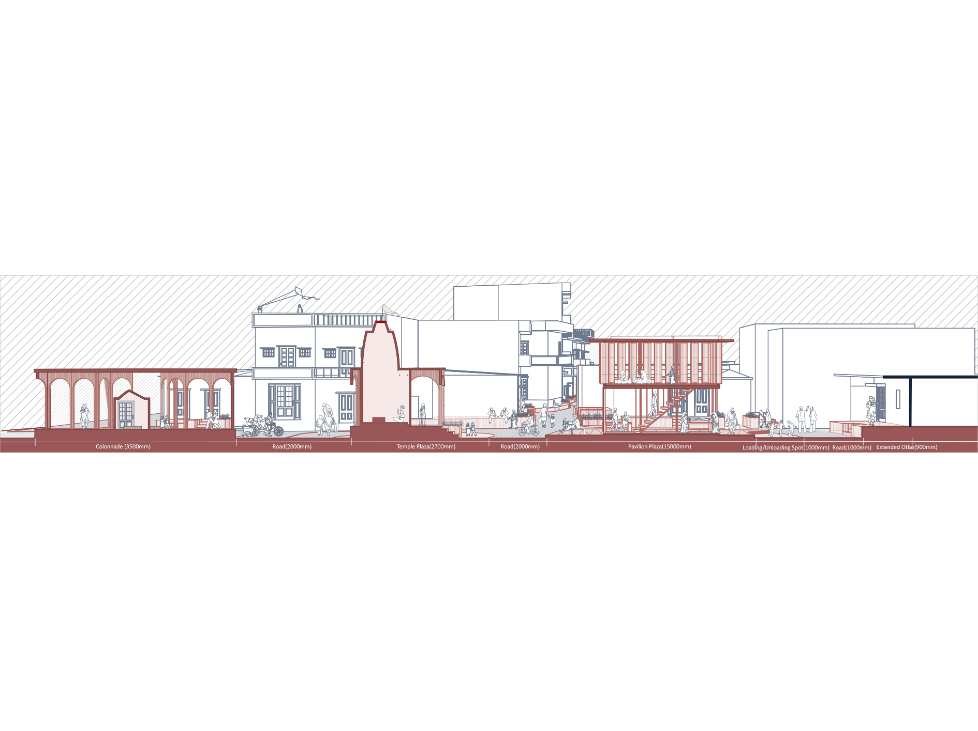
Longitudinal Section through the Plaza depicting Colonnade, Temple and Pavilion
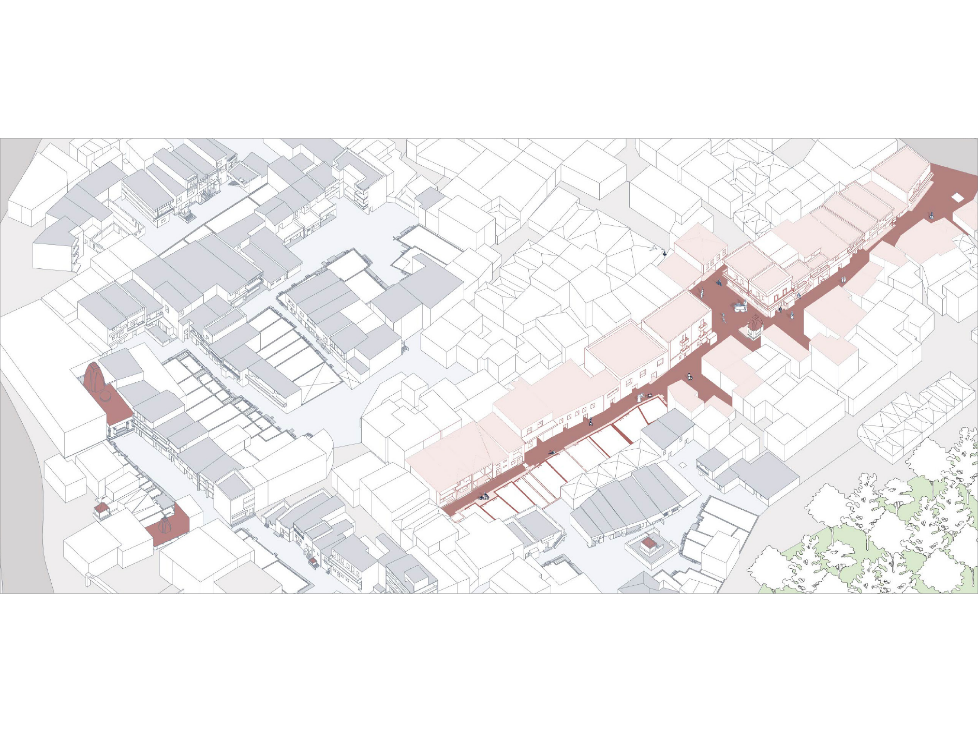
Site Introduction – Rakhial Gaam, Bhati Vas
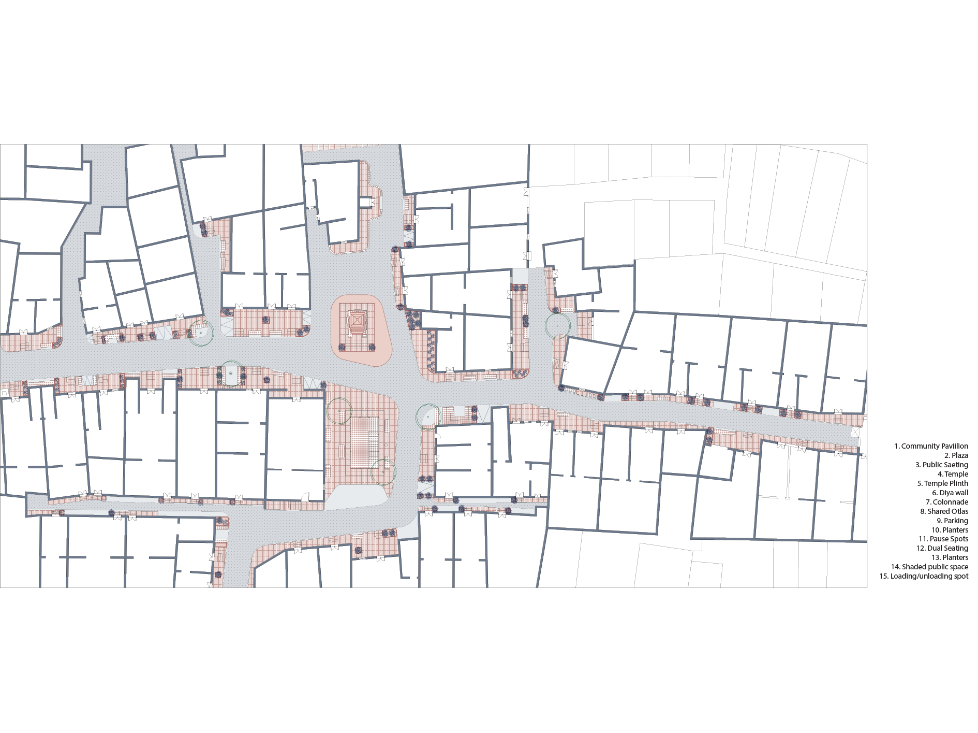
Plan
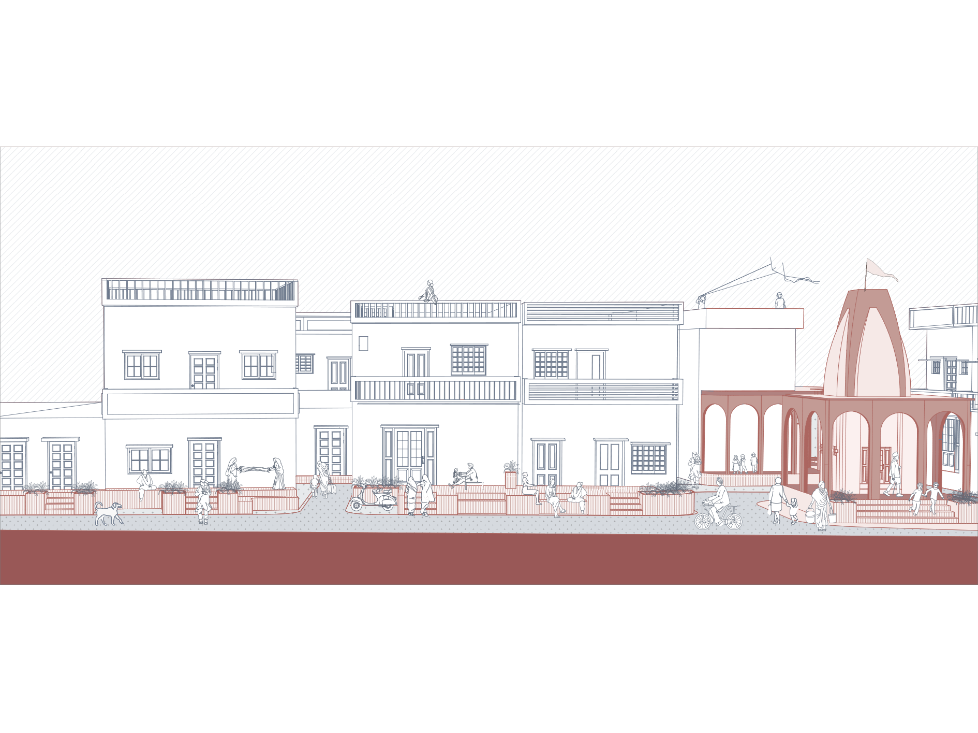
Elevation of the Design
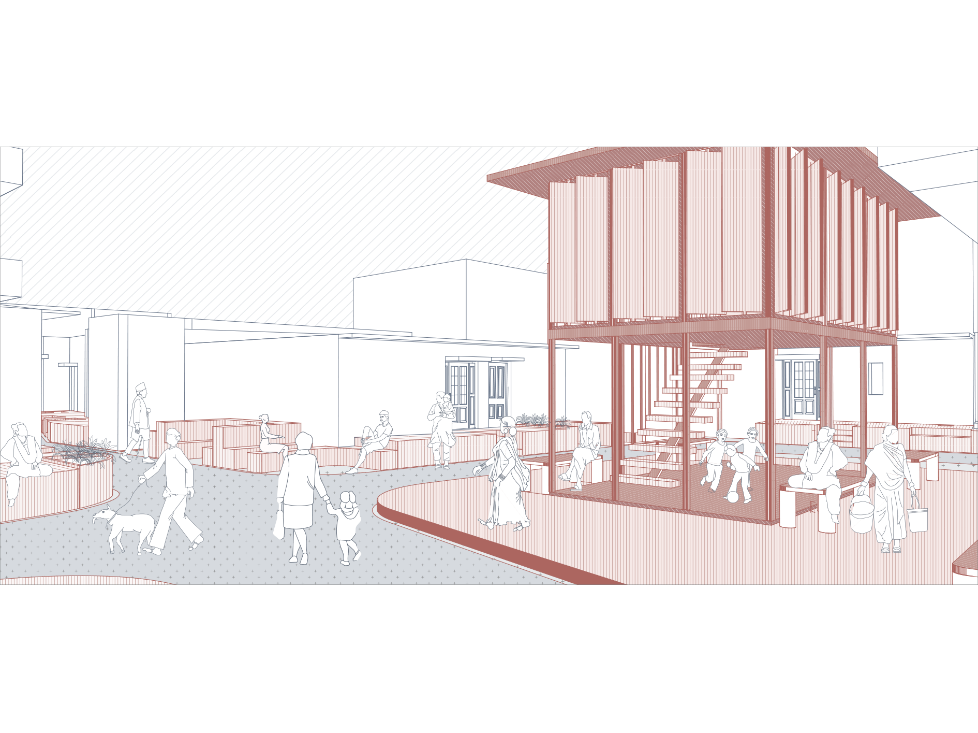
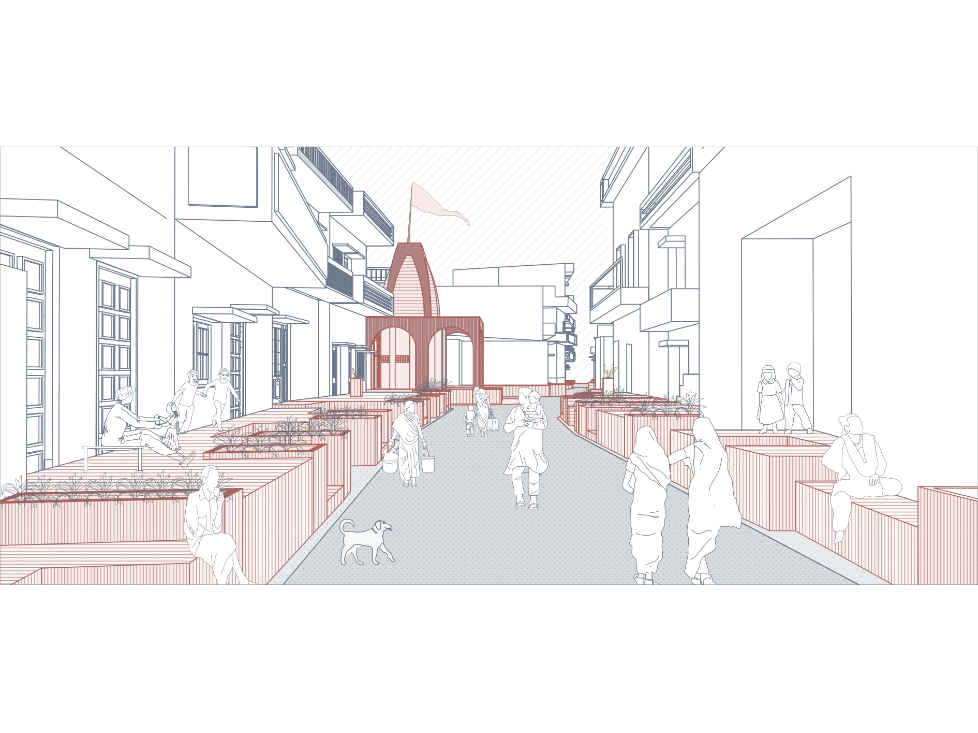
Post design usage of the space
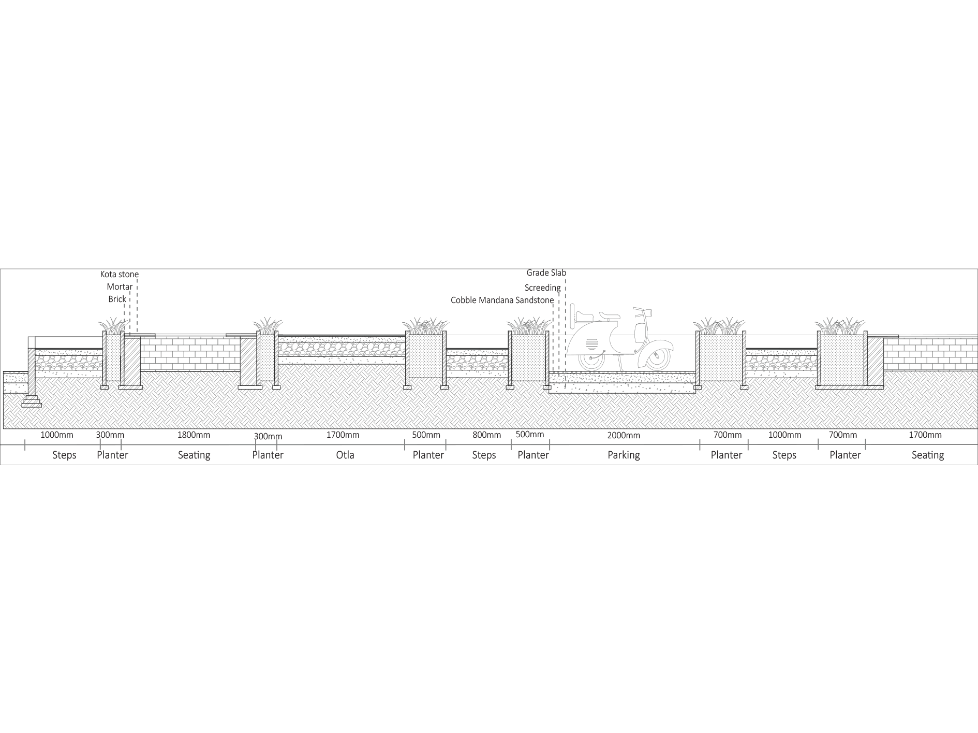
Design Detail
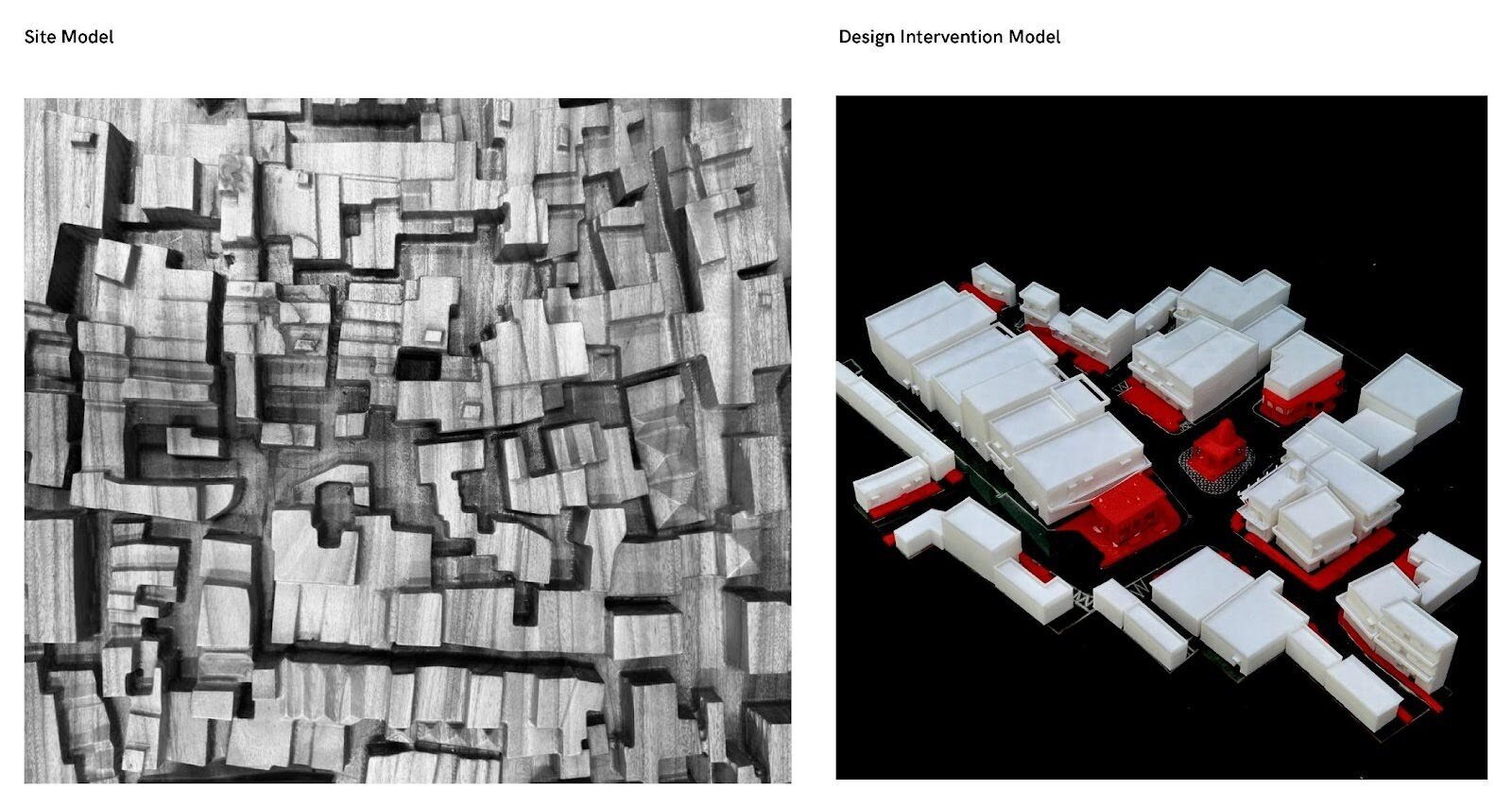
Model
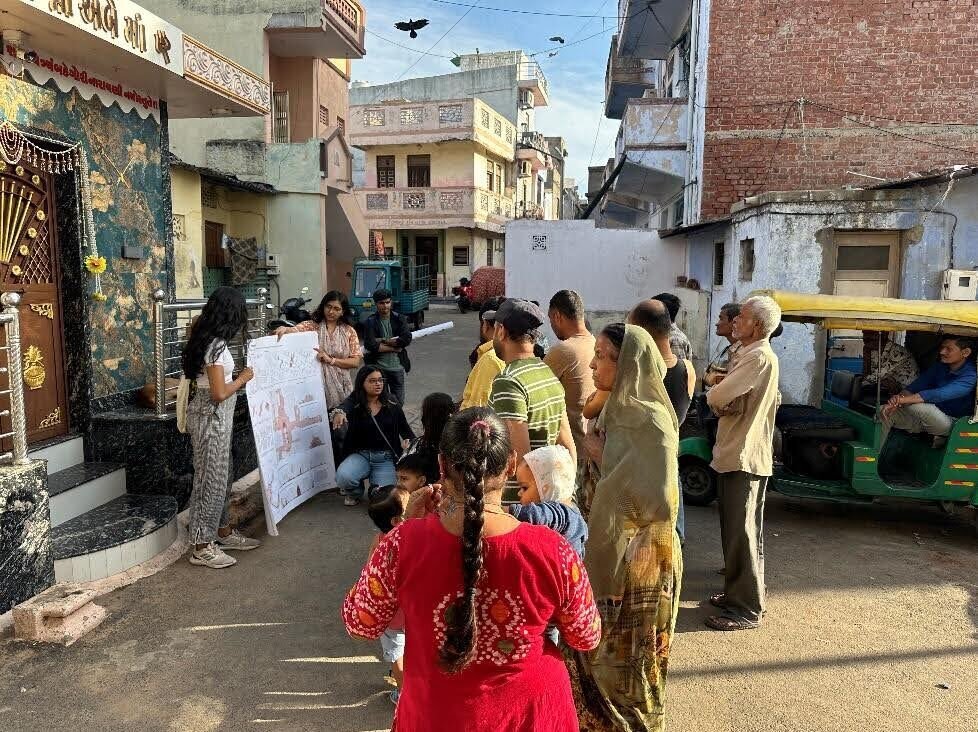
Onsite discussion with the residents of Bhati Vas regarding the design