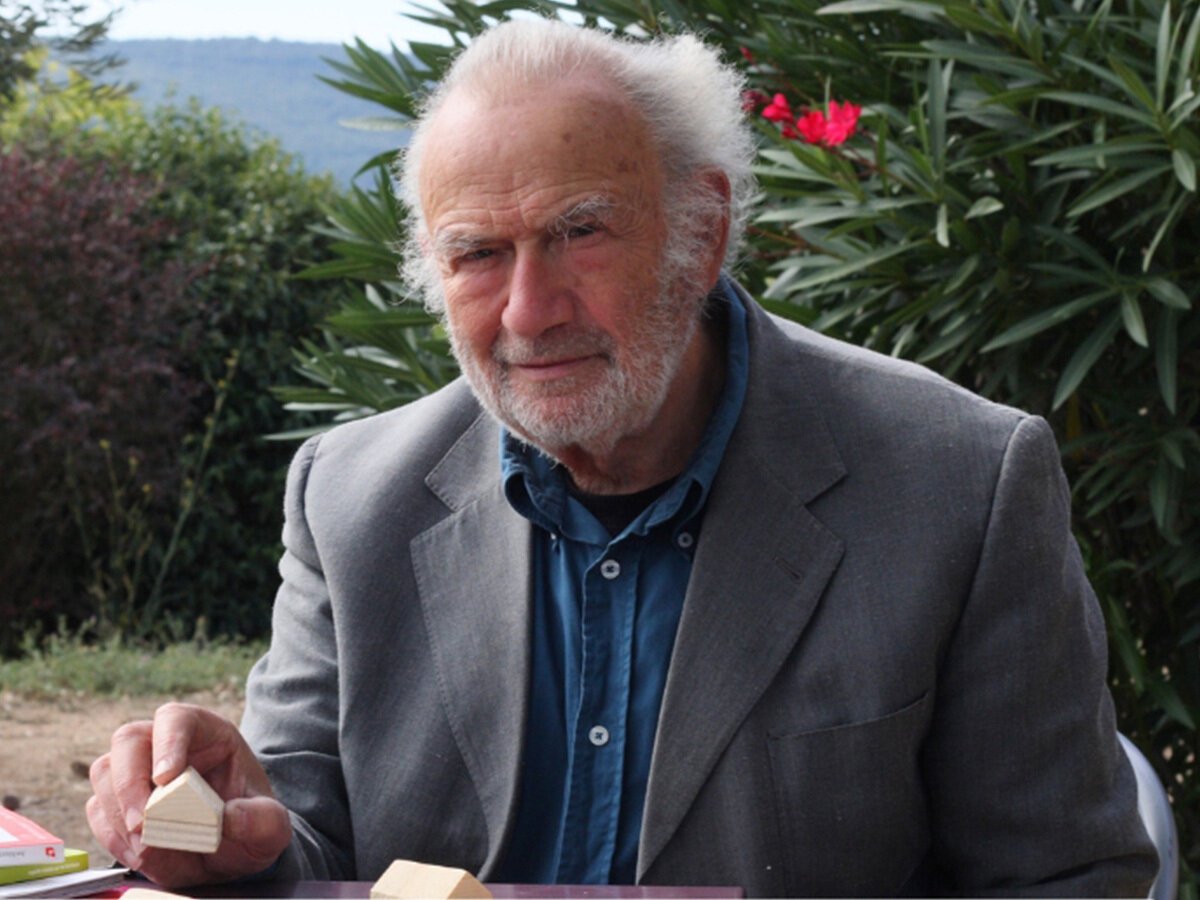
The architectural works of Shivdatt Sharma — the Chandigarh architect who worked with Le Corbusier and Pierre Jeanneret, have been generously gifted to the CEPT Archives by his family — and the A3 Foundation. The A3 Foundation, which promotes Architecture, Art, and Aesthetics, has been actively involved in the documentation and research of SD Sharma’s archives.
This significant hybrid collection includes drawings, documents, photographs, and more. It is currently being processed and will soon be accessible to researchers, students, and all those interested in exploring Sharma’s architectural legacy. The acquisition was finalised in May 2025 in Chandigarh by Kartikeya Shodhan, Head of CEPT Archives, and Saman Quraishi, Assistant Archivist.
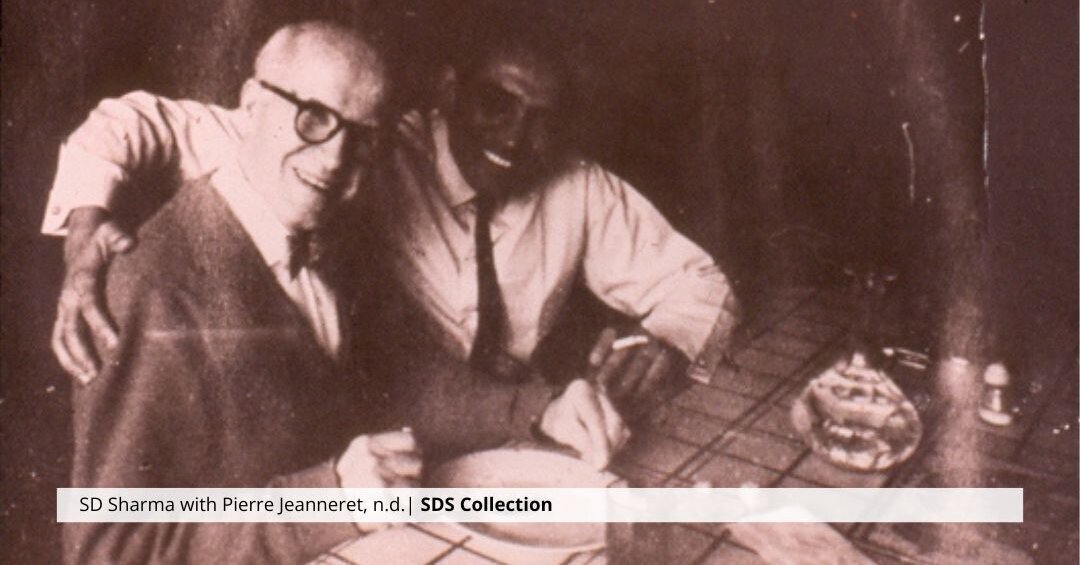
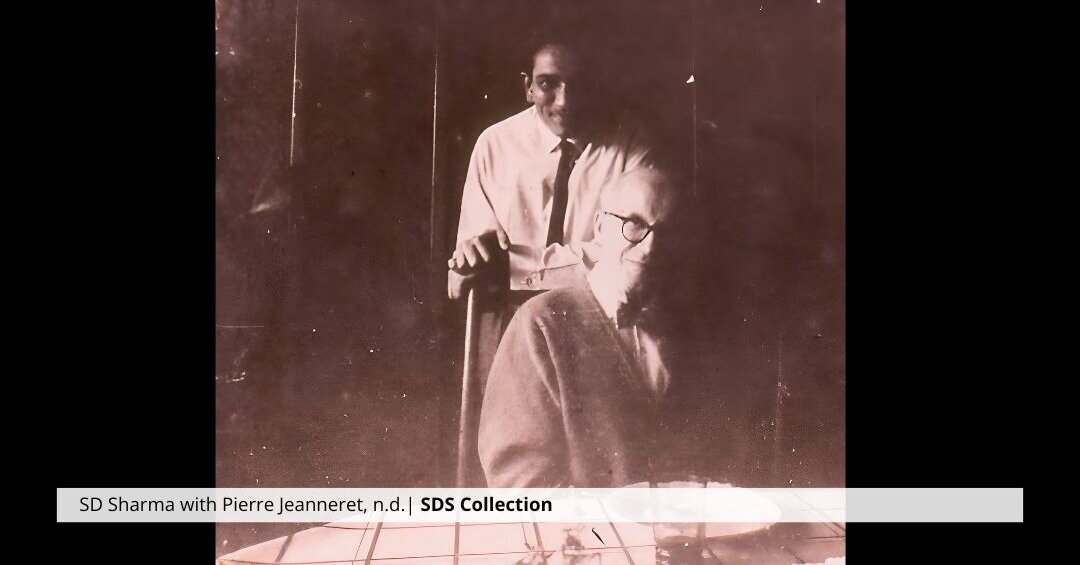
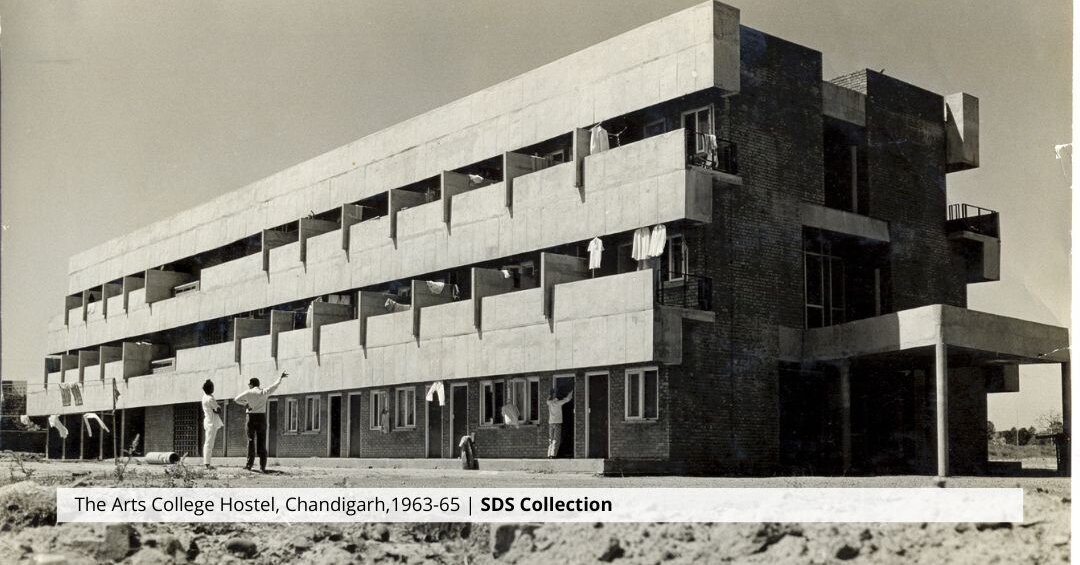
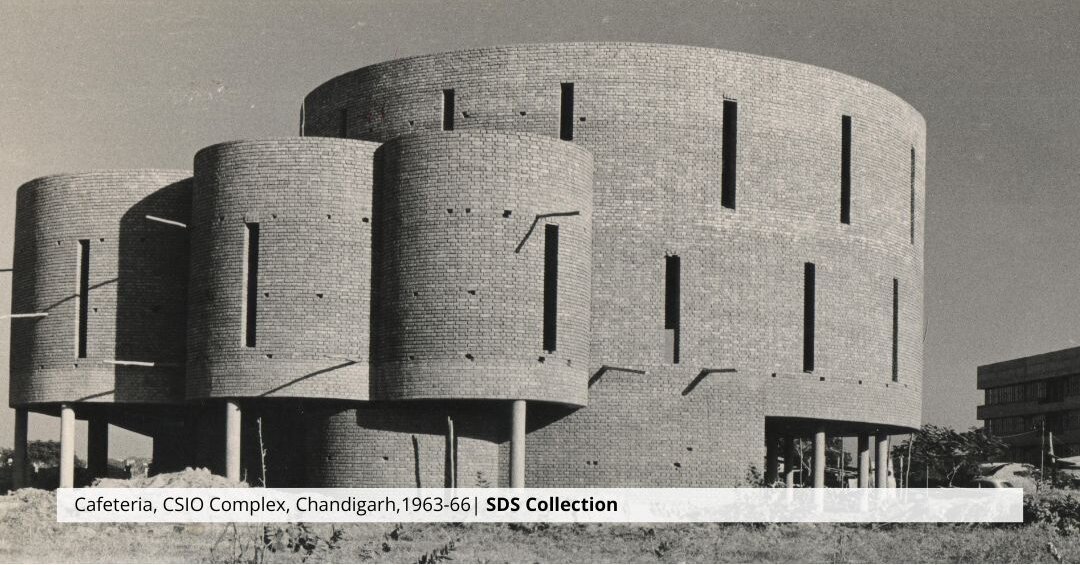
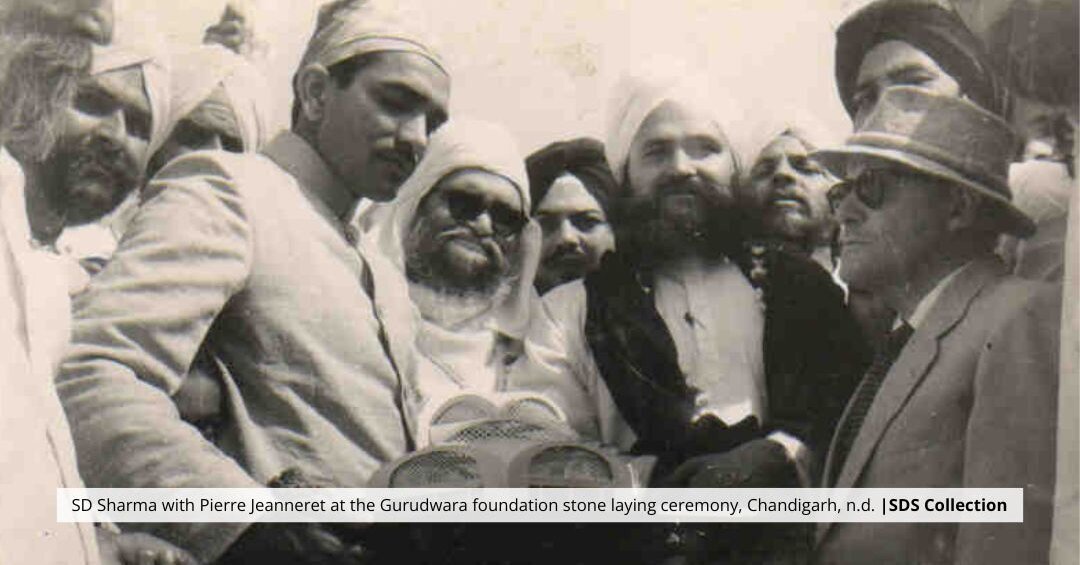
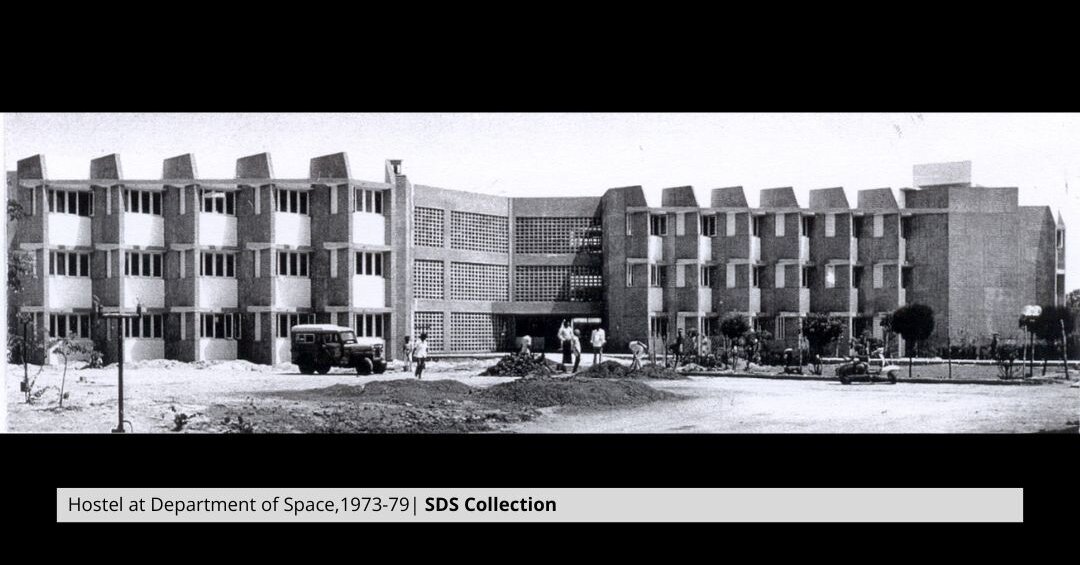
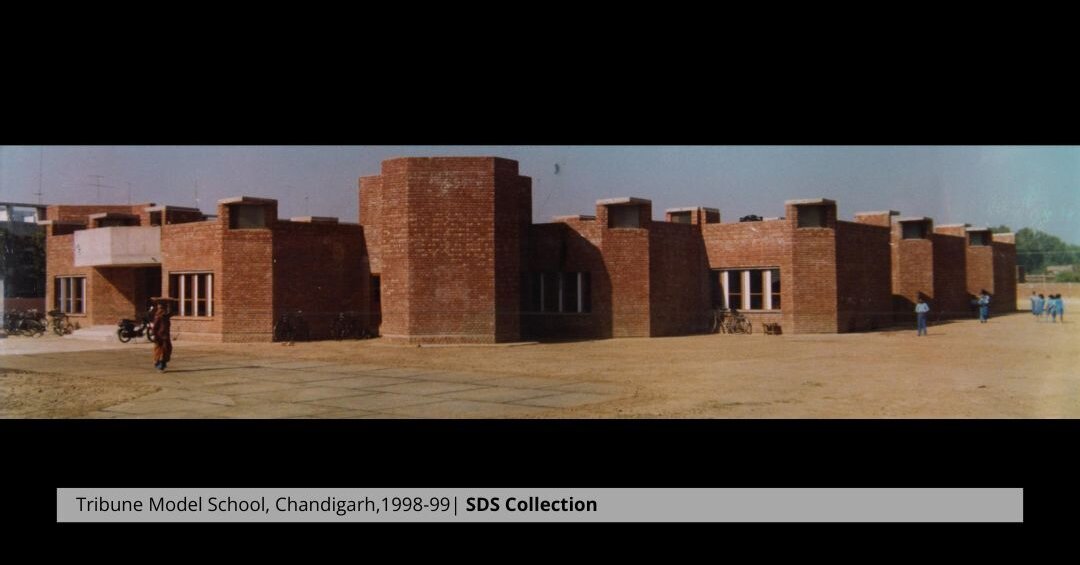
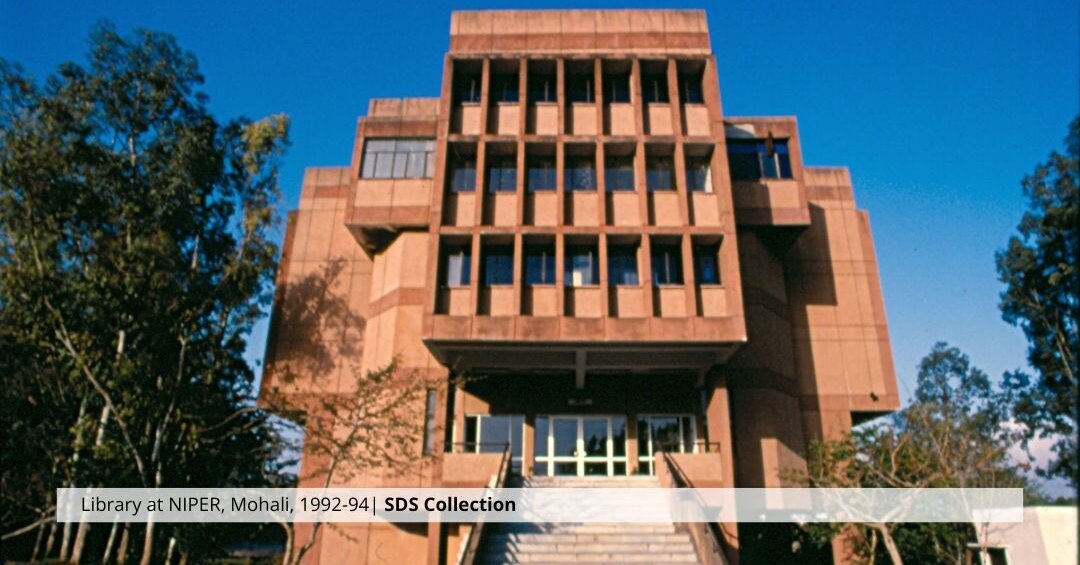
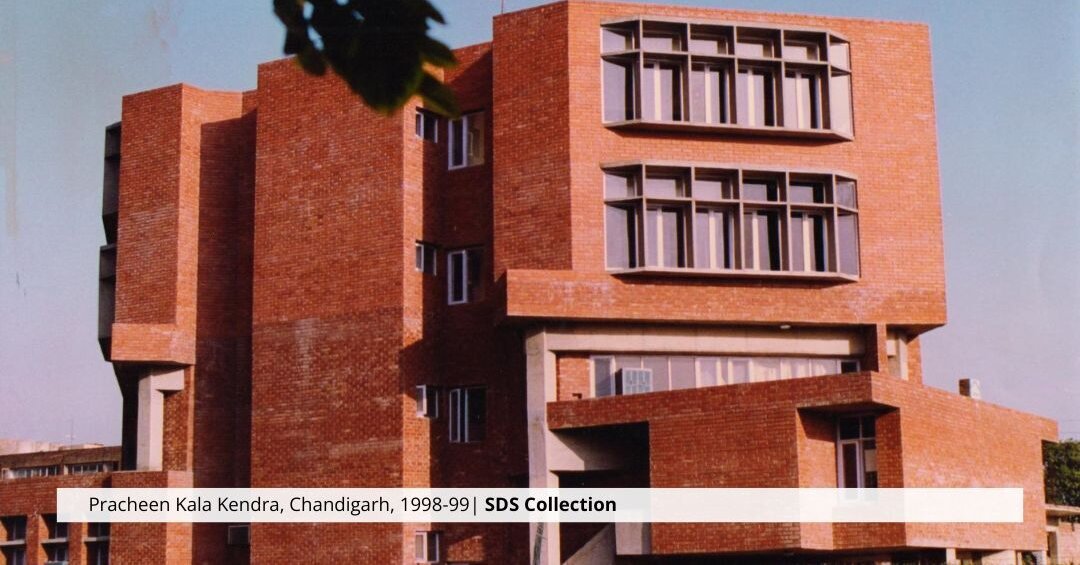
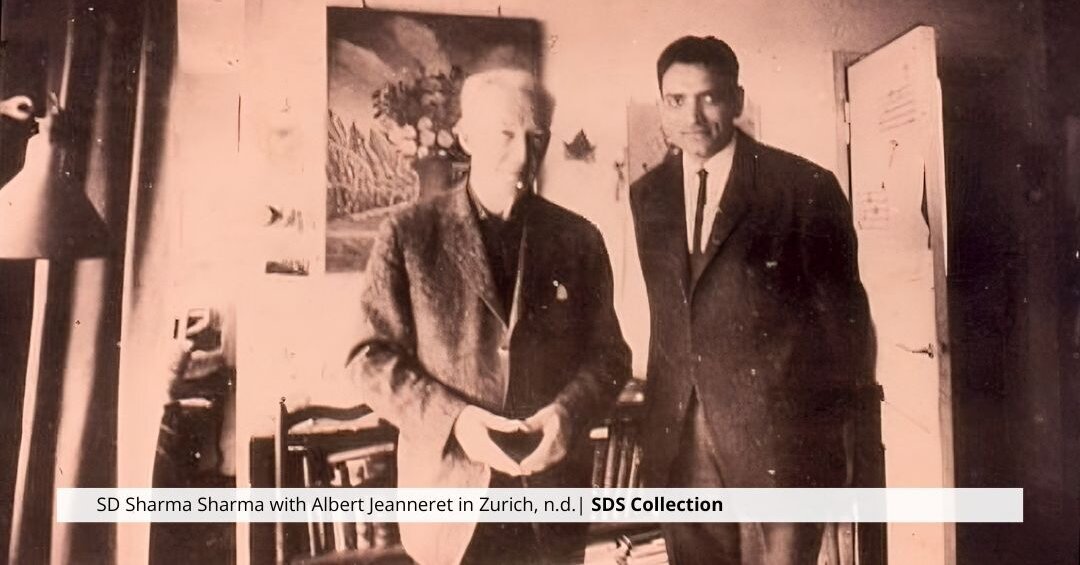
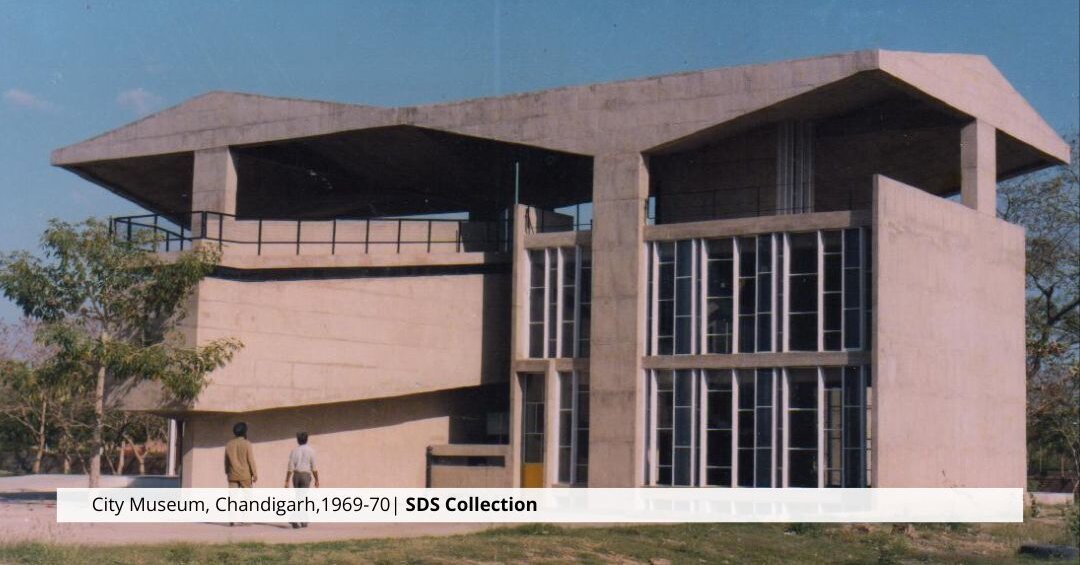
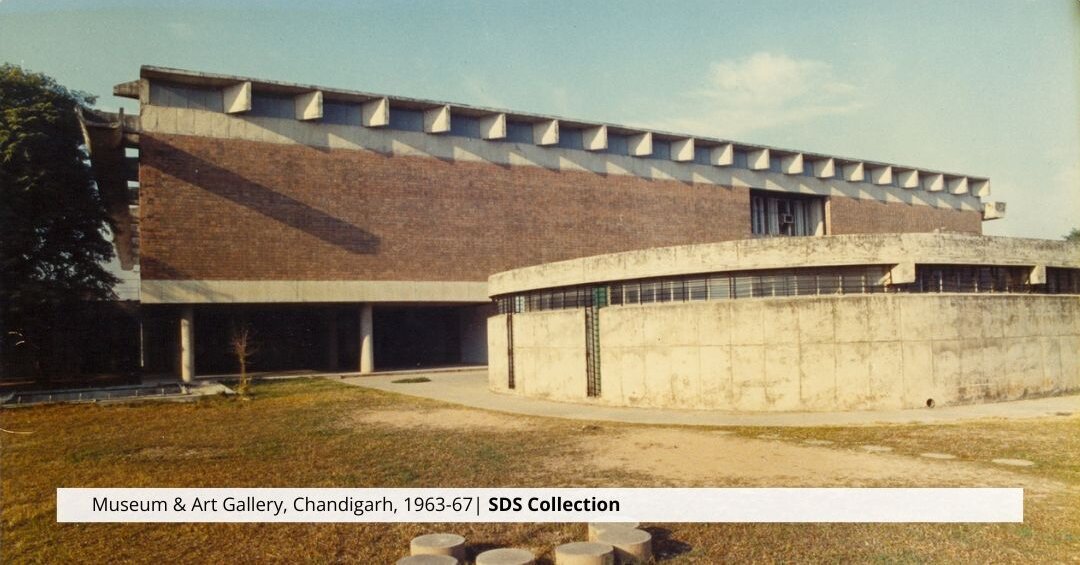
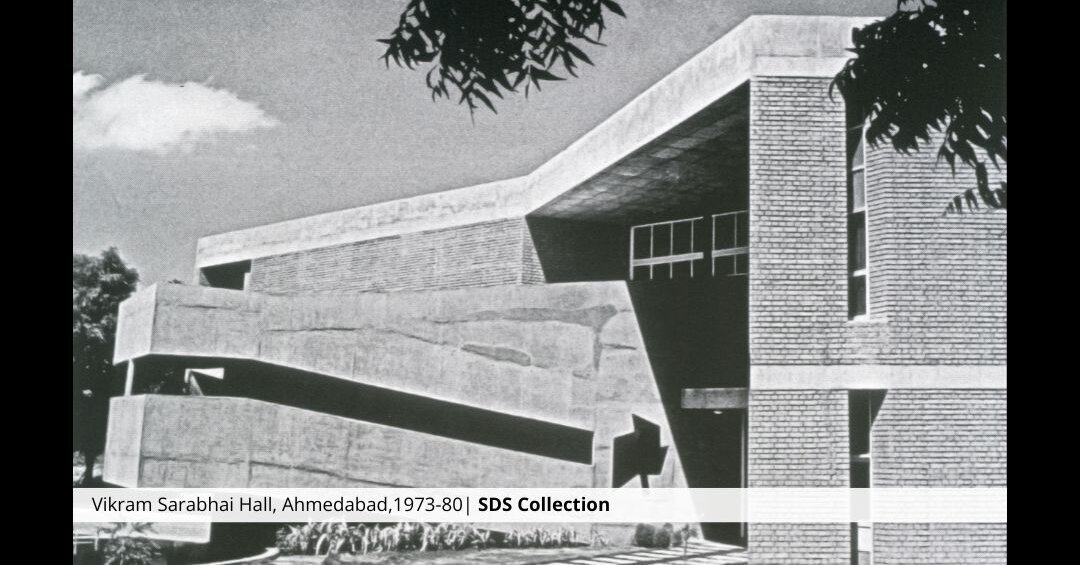
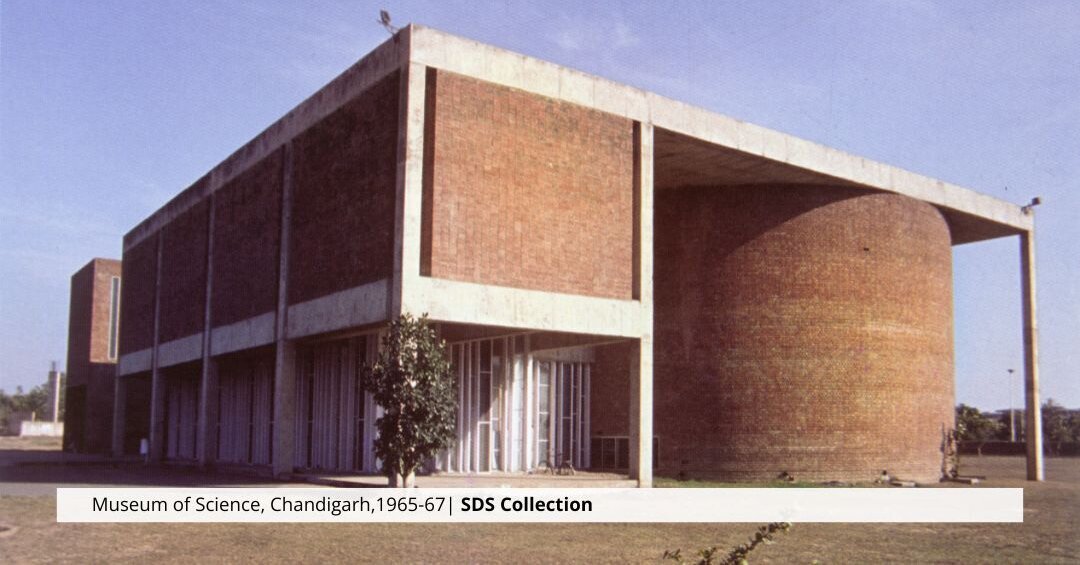
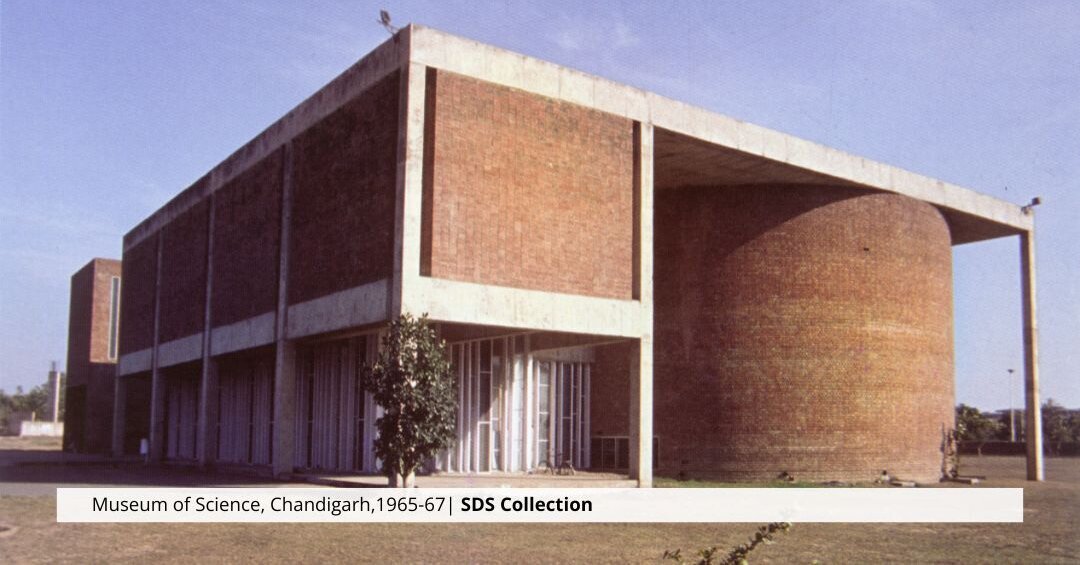
Born on November 24, 1931, Shivdatt Sharma’s architectural journey has been deeply embedded in the evolution of Indian modernism. After completing his National Diploma in Architecture in 1959, Sharma pursued postgraduate studies in Milan (1965 – 66) on an Italian government scholarship. However, his most formative years were spent in Chandigarh, where he worked under Le Corbusier and alongside Pierre Jeanneret on the Chandigarh Capital Project from 1963 to 1973.
In 1973, he joined the Department of Space, Government of India, as Chief Architect. His role at ISRO involved designing complex research campuses across varied geographies — including remote islands such as Car-Nicobar — greatly enriching his architectural vocabulary. His selection to design neighbourhood sectors in Abuja, Nigeria, by an international panel in 1980, further highlights his global recognition, even though political upheaval curtailed the project.
Returning to Chandigarh, he established SD Sharma Associates and went on to design a wide range of projects across sectors — museums, universities, housing, and healthcare — for both public and private clients. Sharma also served in advisory roles for various institutions, including the Indian Institute of Architects, Punjab University, and the Haryana Urban Development Authority.
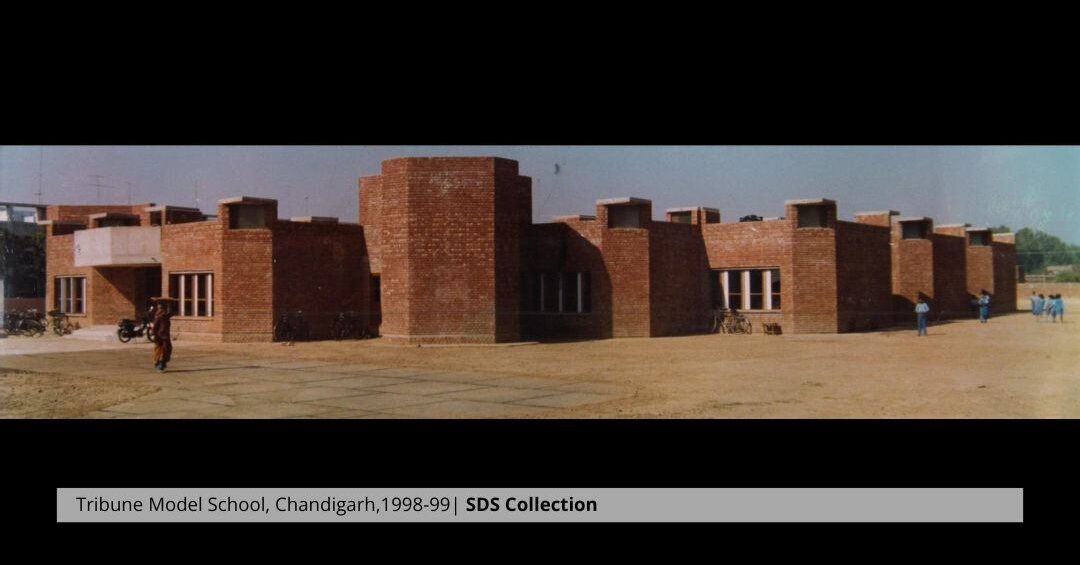
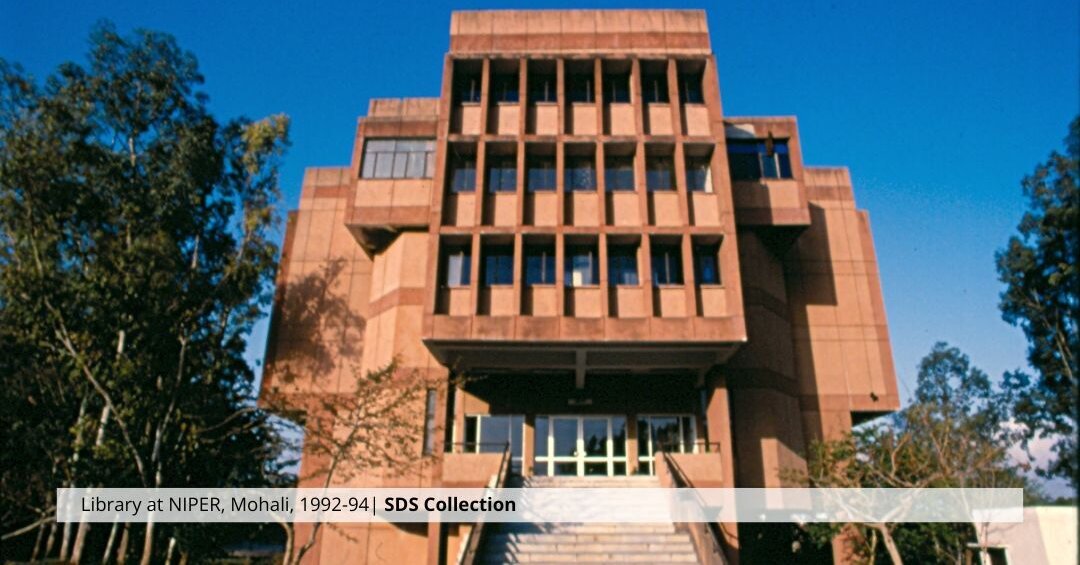
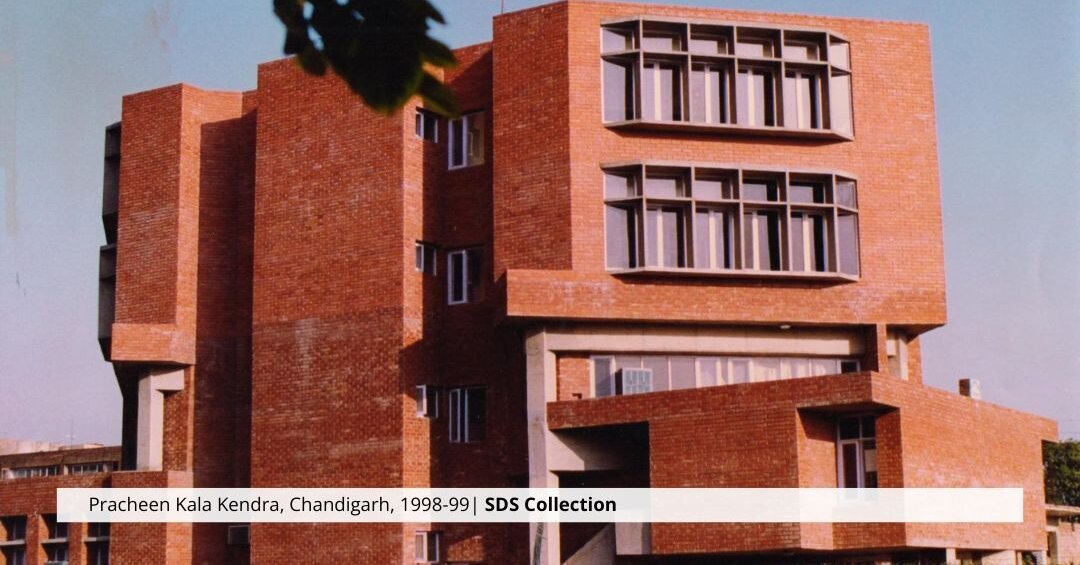
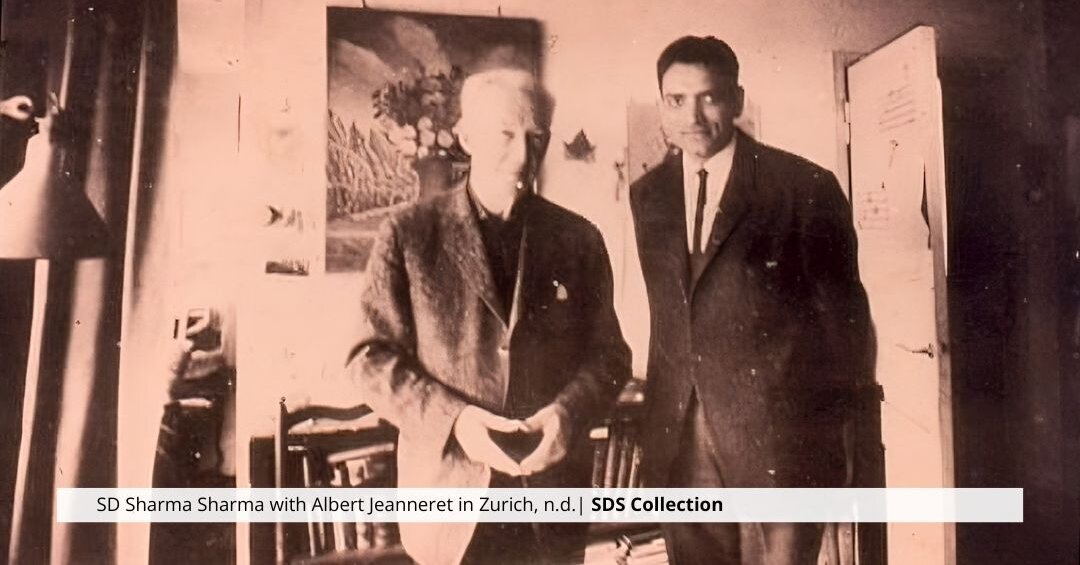
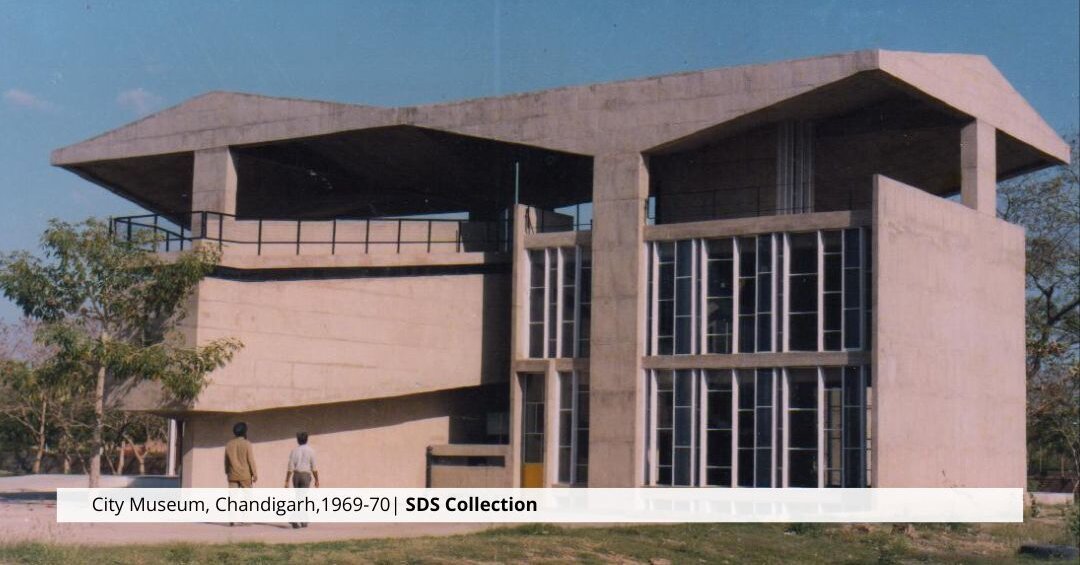
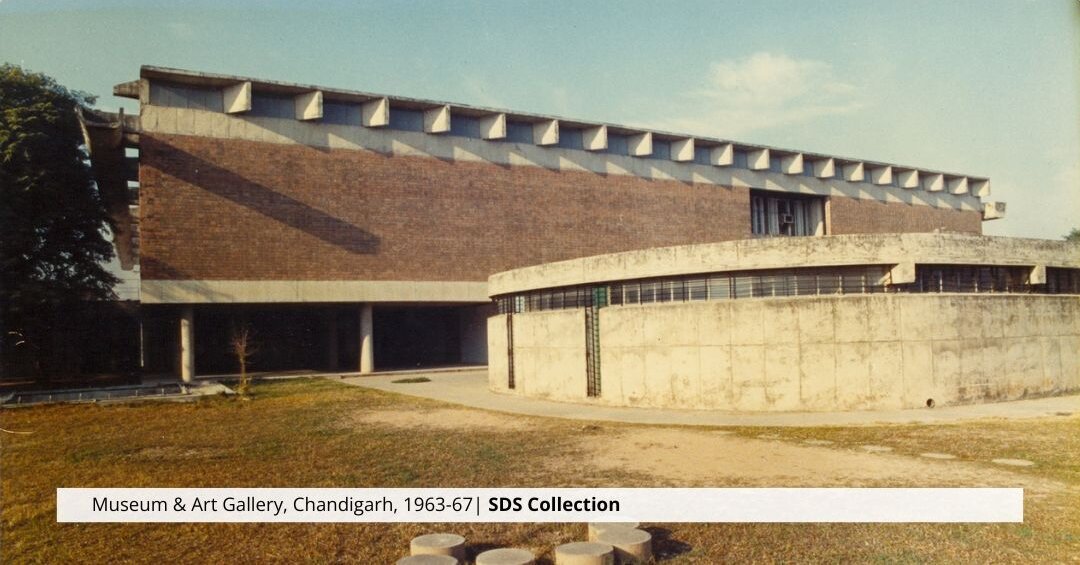
Internationally, his career spanned assignments in London, the US, and Tehran. His contributions extended beyond practice — through lectures, writings, and award-winning projects such as the VSNL building in Delhi and the Auditorium Complex at Punjab University.
Honoured with numerous awards — including the Babu Rao Mhatre Gold Medal (2001), Architect of the Year by JK Cement (1998), and the Chevalier de l’Ordre des Arts et des Lettres by the French Republic — Shivdatt Sharma’s six-decade-long career reflects a deep commitment to architecture as a practice rooted in people, purpose, and place.