- stuthi mehta
About the project
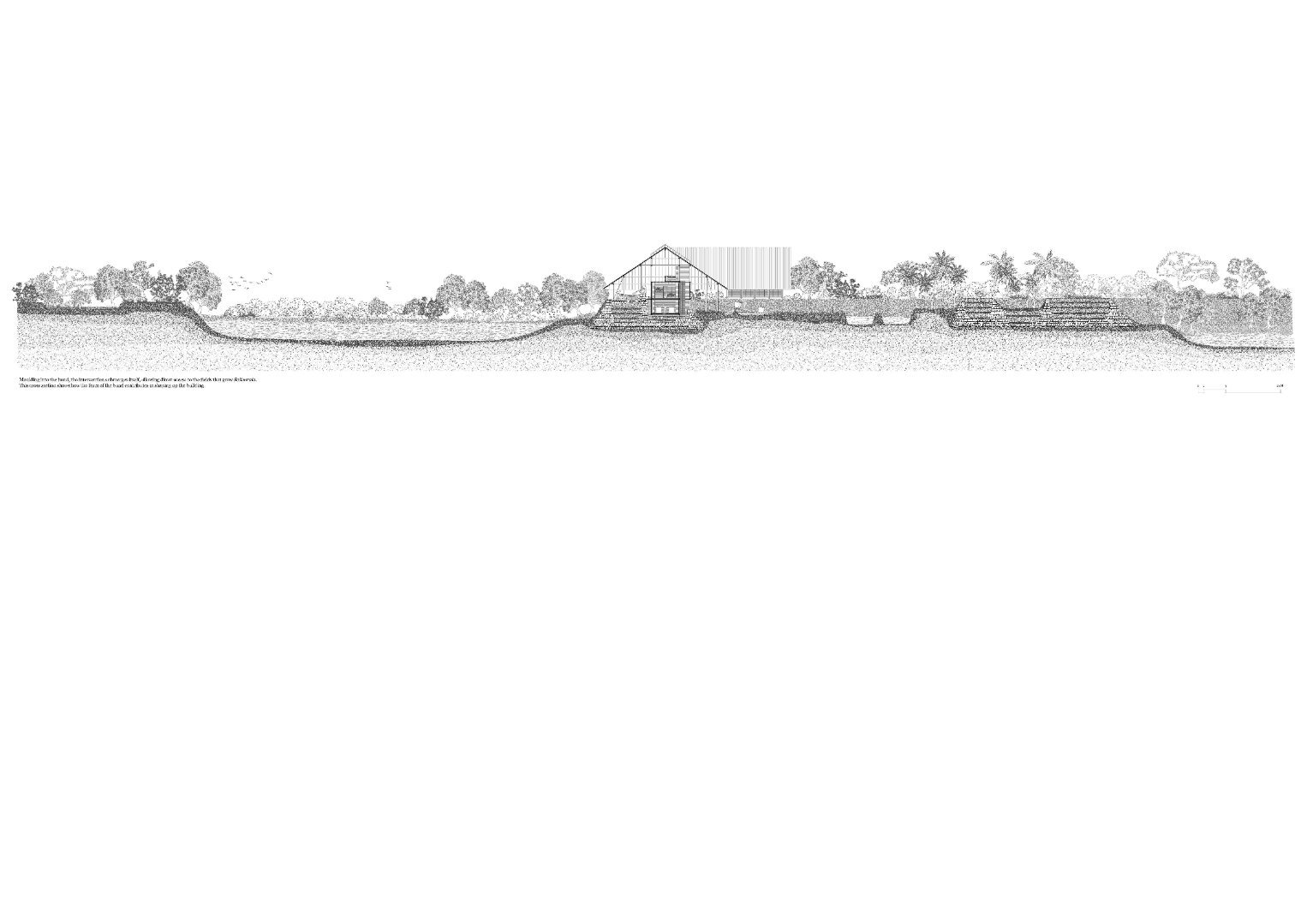
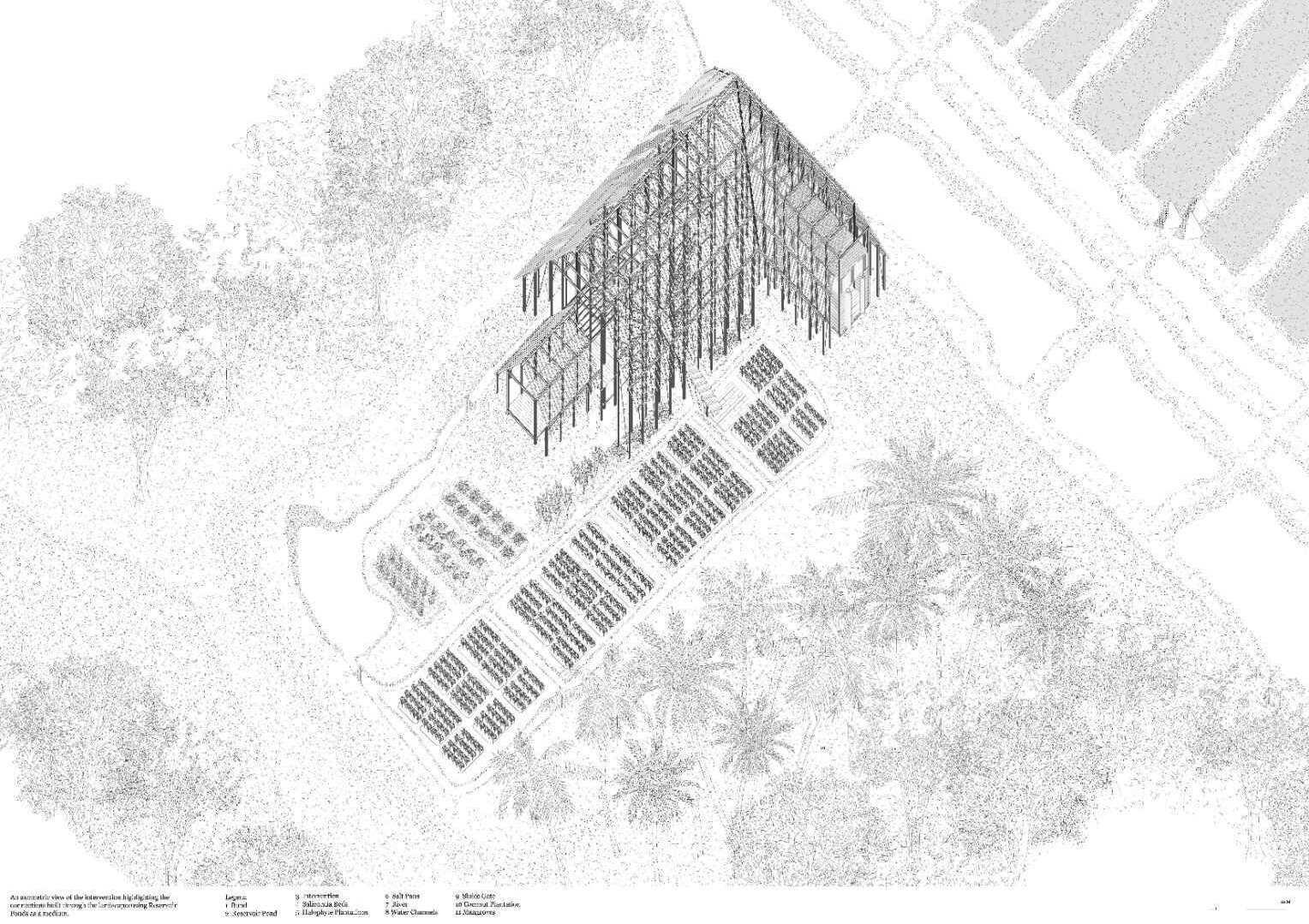
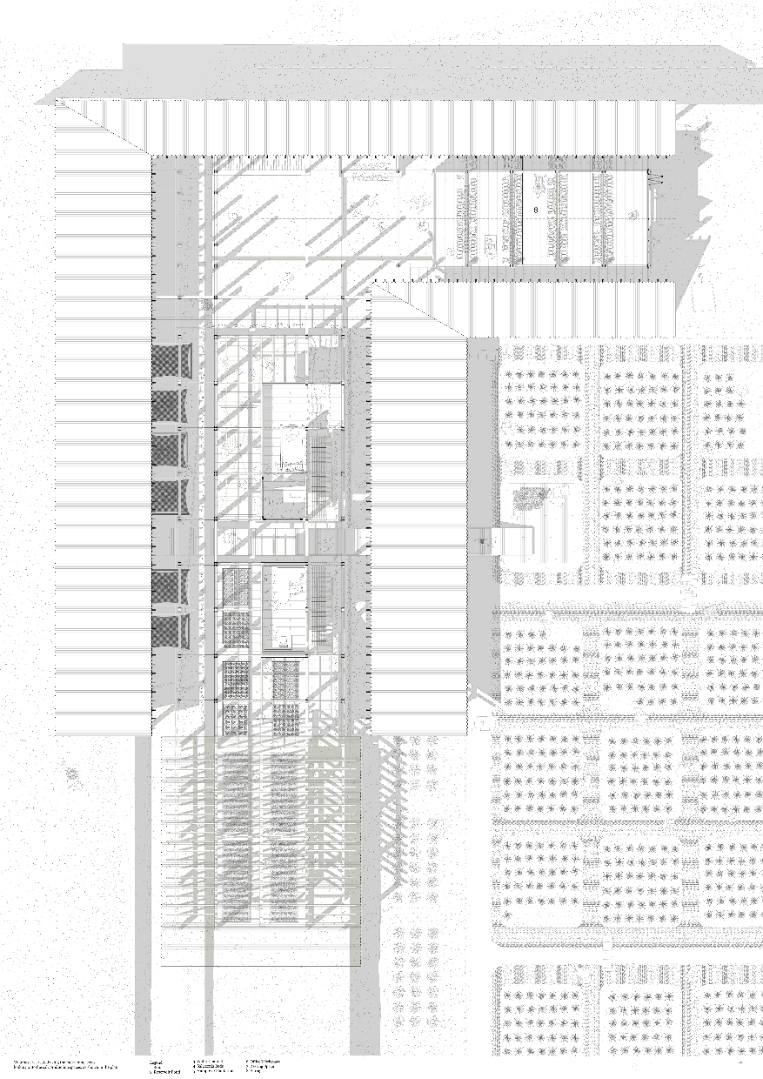
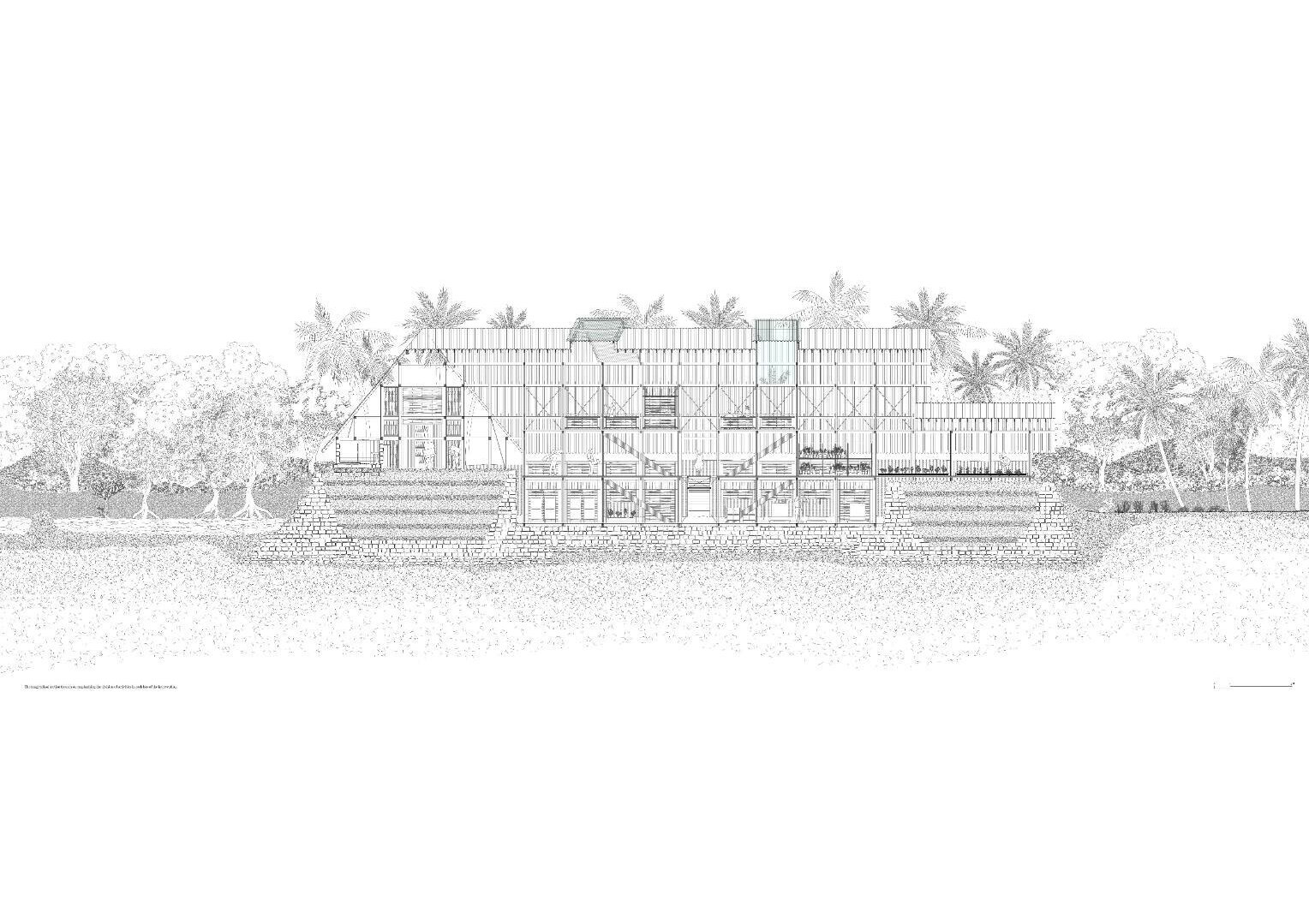
In Goa, the vast pitched roof becomes a measured response to the monsoon, channeling intense rainfall while resonating with the land’s rhythms. Its sweeping form echoes the bund-like terrain, grounding the building within the region’s vernacular landscape. Beyond the form, architecture frames a larger ecological intent of restoring balance to a landscape disrupted by rising soil salinity.
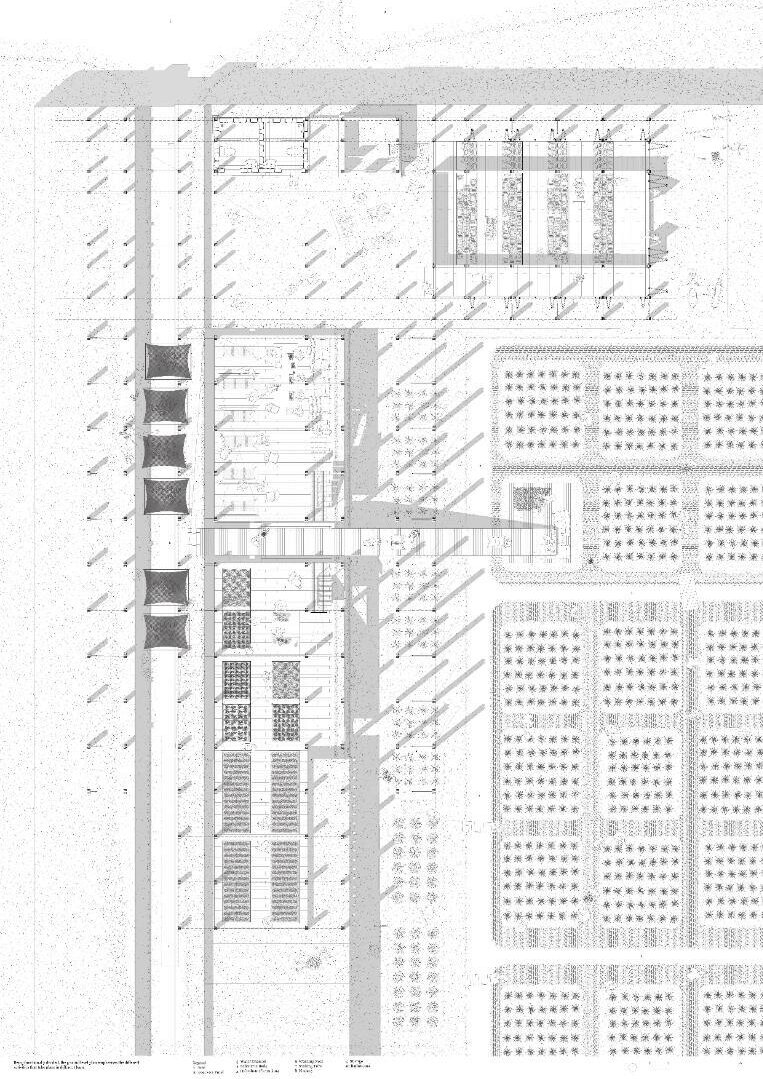
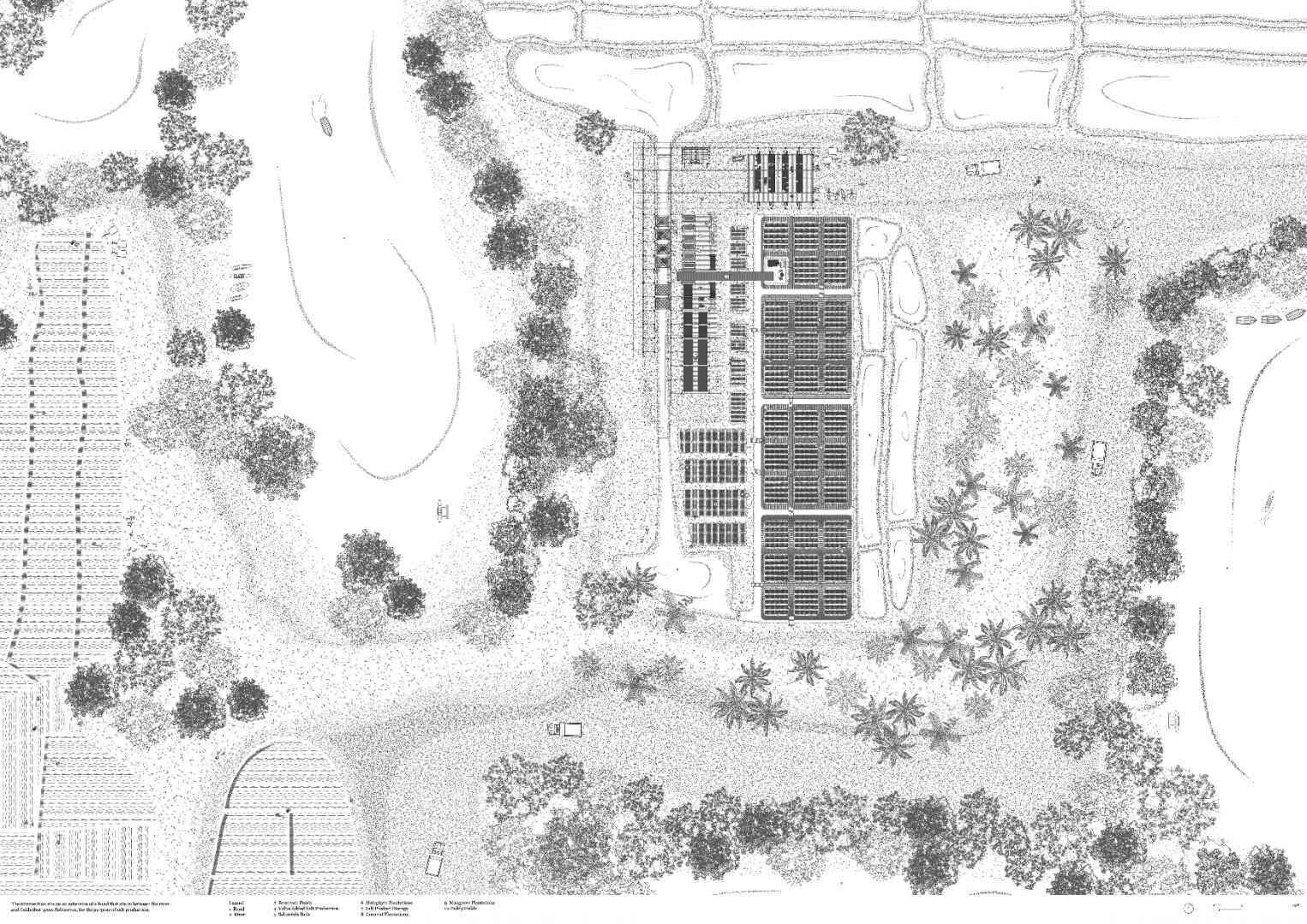
The traditional alternation between paddy cultivation and salt pans has been rendered unviable as increased salinity has degraded agricultural land. In response, halophytic species are germinated in controlled environments and strategically introduced to stabilize soil conditions. Among them, Salicornia (glasswort) plays a pivotal role, offering both ecological remediation and economic value through the production of Green Salt. Designed with minimal infrastructure and accessible technological inputs, the system promotes long-term resilience.
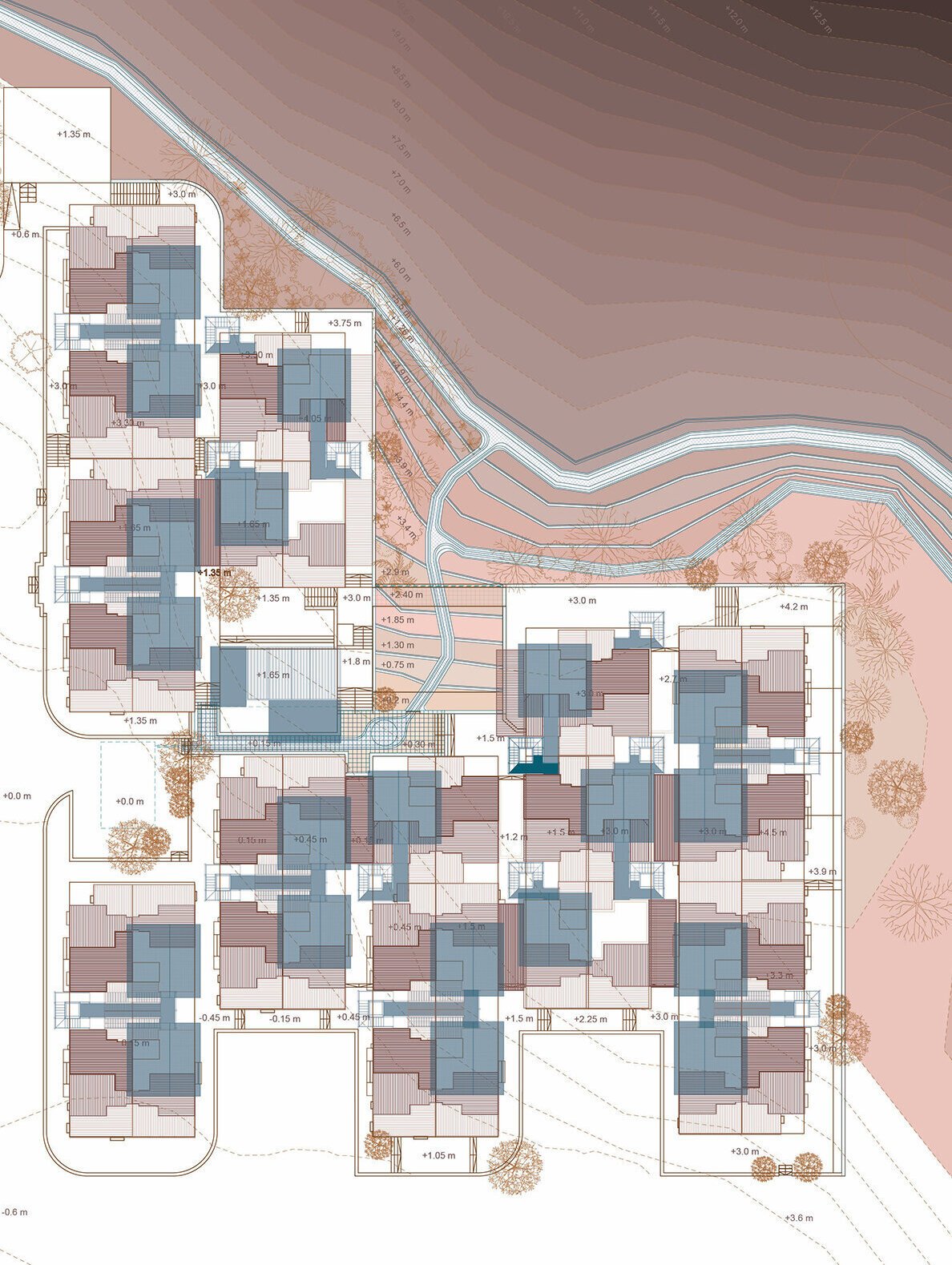
Set along the Mandovi River, the site encompasses paddy fields and salt pans protected by bunds. The building follows the geometry of the bund, replacing the southern salt pans with Salicornia beds. The bund acts as a critical threshold, mediating coexistence between cultivation and production. Split into production and storage units, the intervention forms an L-shaped ensemble unified beneath a single pitched roof.
Approach
The project is structured around salinity as a spatial and operational driver rather than a constraint. Agricultural processes inform both landscape organization and architectural form, with Salicornia cultivation acting as the primary agent of transformation. Former salt pans are reorganized into calibrated plant beds and water channels that support controlled growth, harvesting, and processing. The saltern is positioned directly on the bund, allowing existing territorial thresholds to dictate circulation, access, and zoning. Programmatic functions are split into production and storage, unified by a single pitched roof that responds to monsoonal rainfall while maintaining constructional clarity. The approach prioritizes process continuity, minimal intervention, and alignment with existing ecological systems.
Output
The project results in a working saltern embedded within a rehabilitated agricultural landscape, where salinity-stressed land is converted into productive terrain through Salicornia cultivation and Green Salt extraction. The intervention supports each stage of processing: washing, soaking, extraction, crystallization, and storage while remaining directly anchored to the river, bunds, and fields. By treating the bund as a spatial and operational threshold, the project demonstrates how landscape logics can structure industrial architecture. As a learning outcome, the project develops an understanding of architecture as a mediator between ecological systems and production processes, and explores how form can emerge from environmental constraints, infrastructural requirements, and territorial continuity rather than from autonomous design intent.
Awards
- CEPT Excellence Awards CEPT Excellence Award Monsoon 2024 CEPT University
- stuthi mehta
Gallery