The Veiled Womb — A Public Health Care Centre

- rudrani sharma
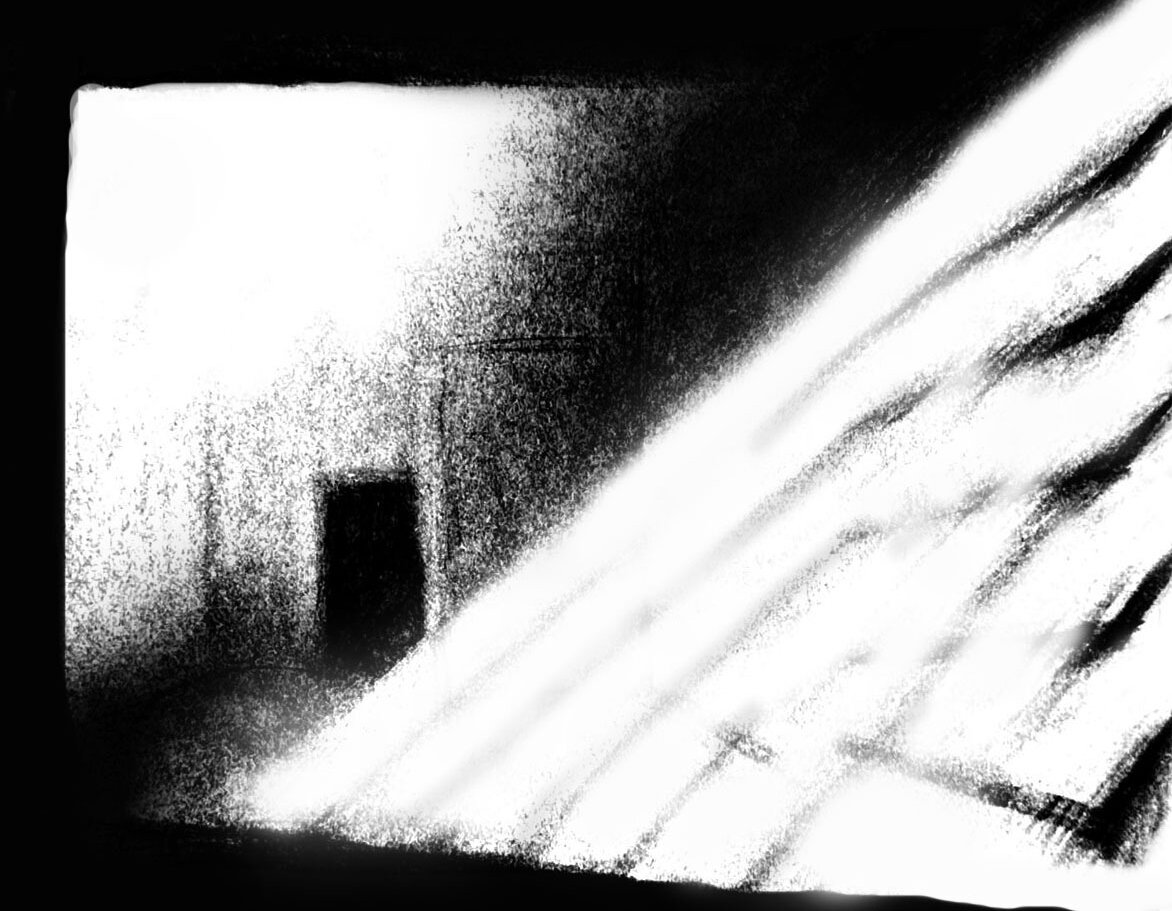
EXPLORATIONS OF LIGHT
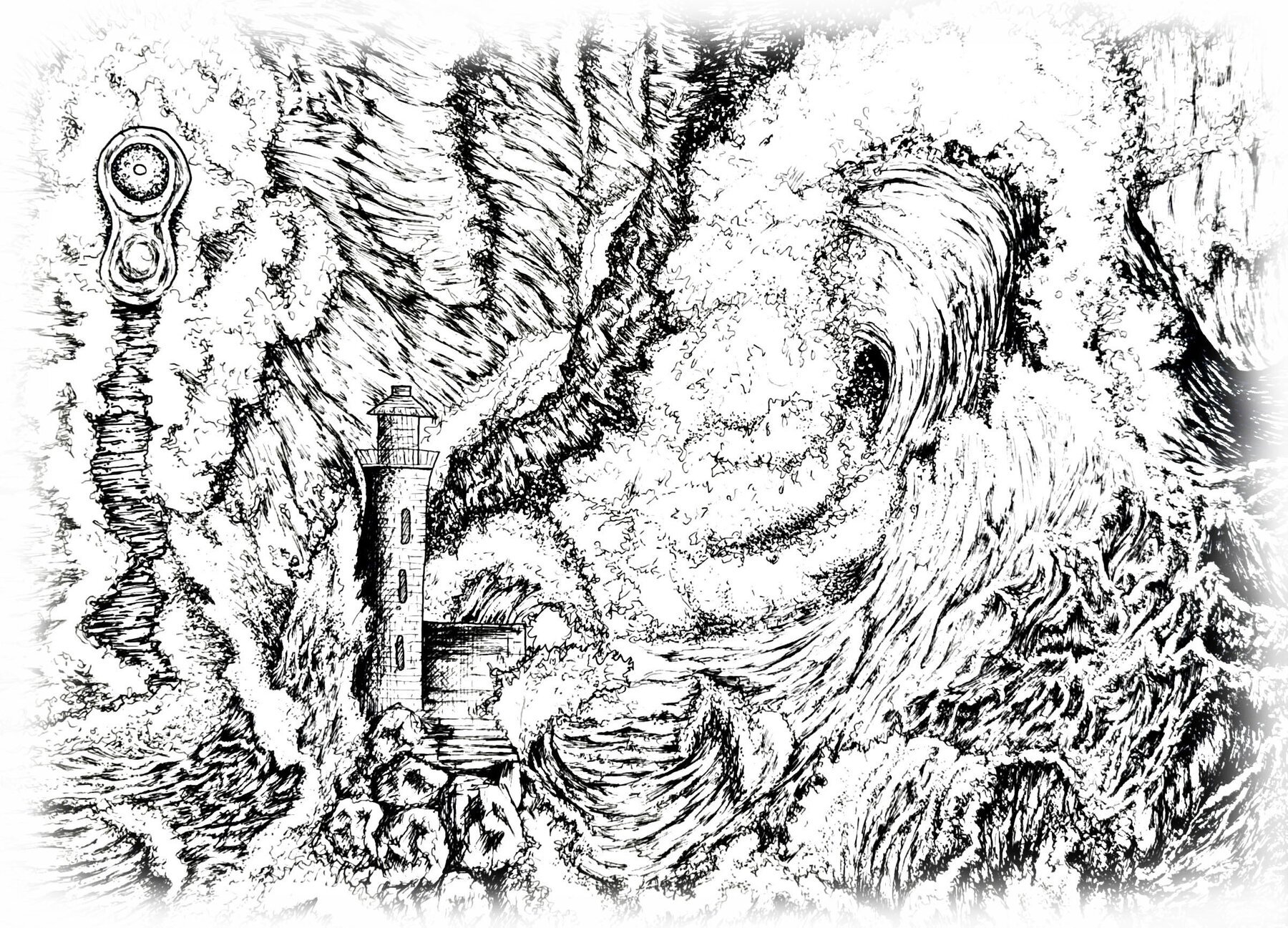
EXPLORATIONS OF WATER
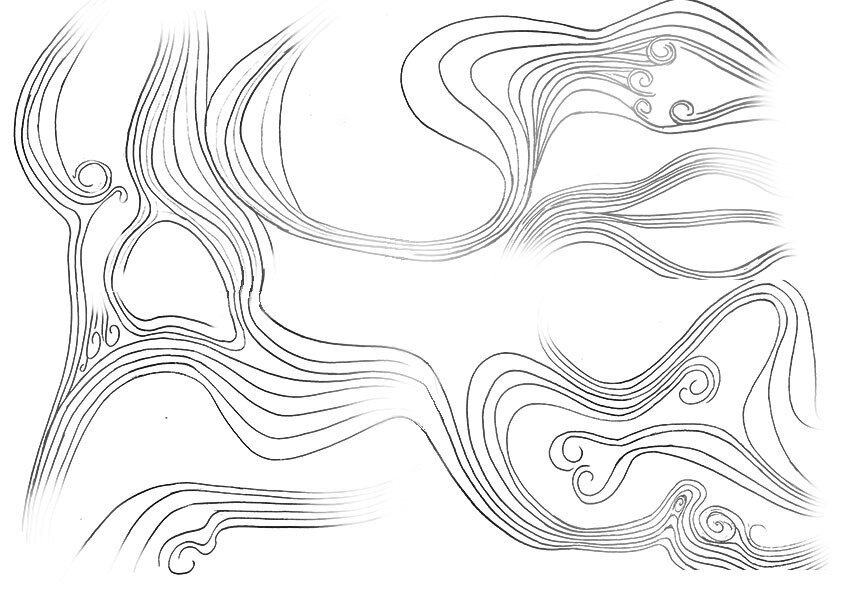
EXPLORATIONS OF AIR
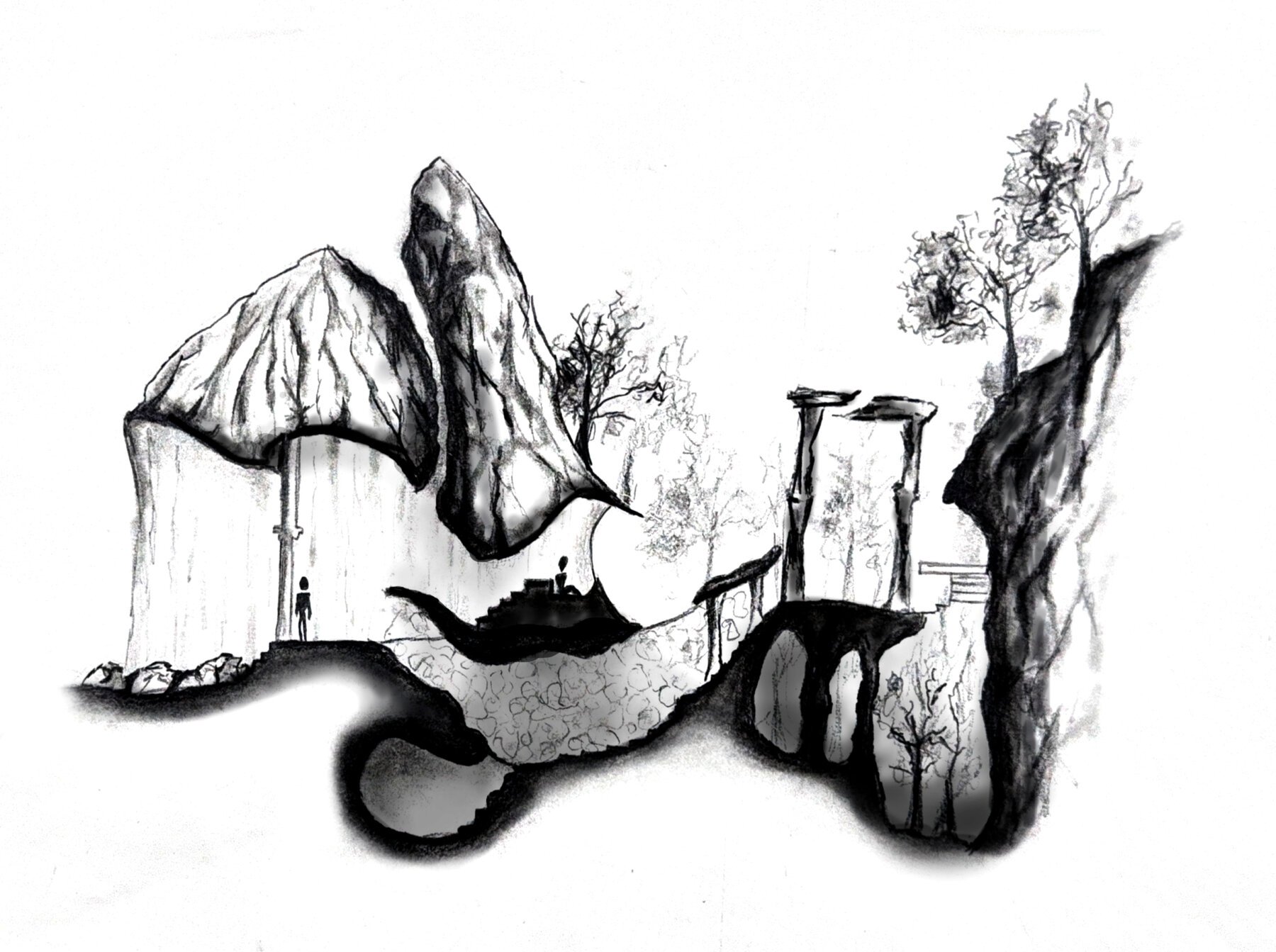
EXPLORATIONS OF LAND
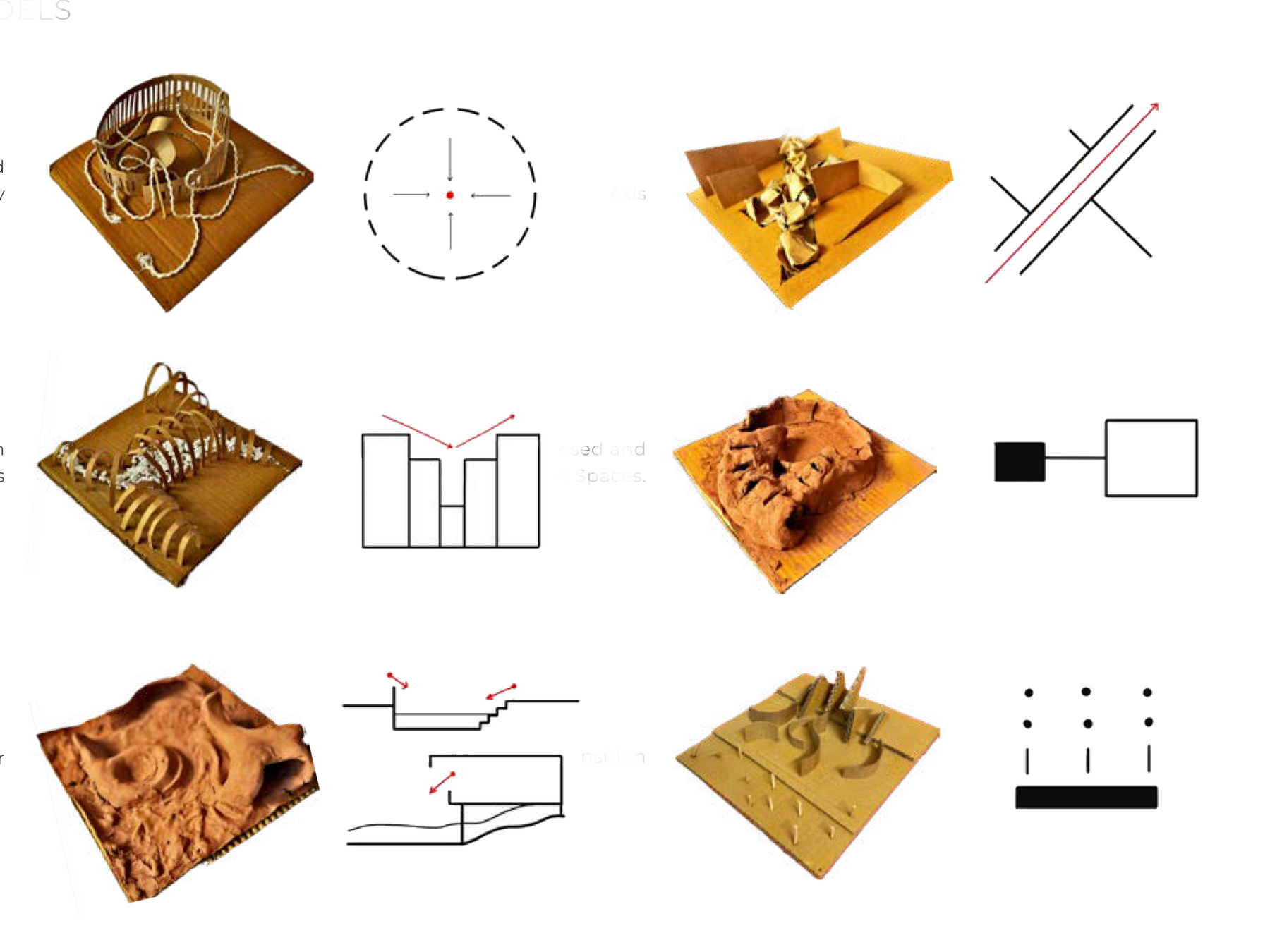
IDEATION AND CONCEPT MODELS
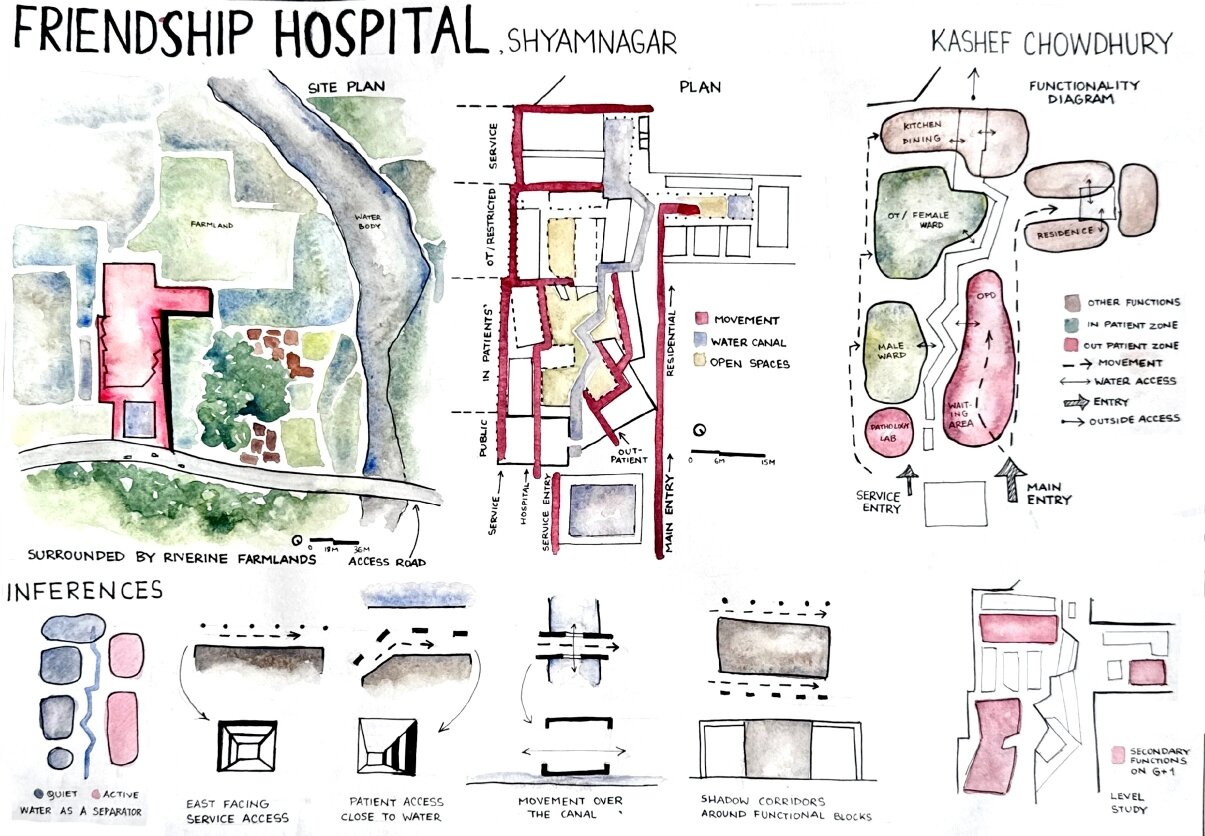
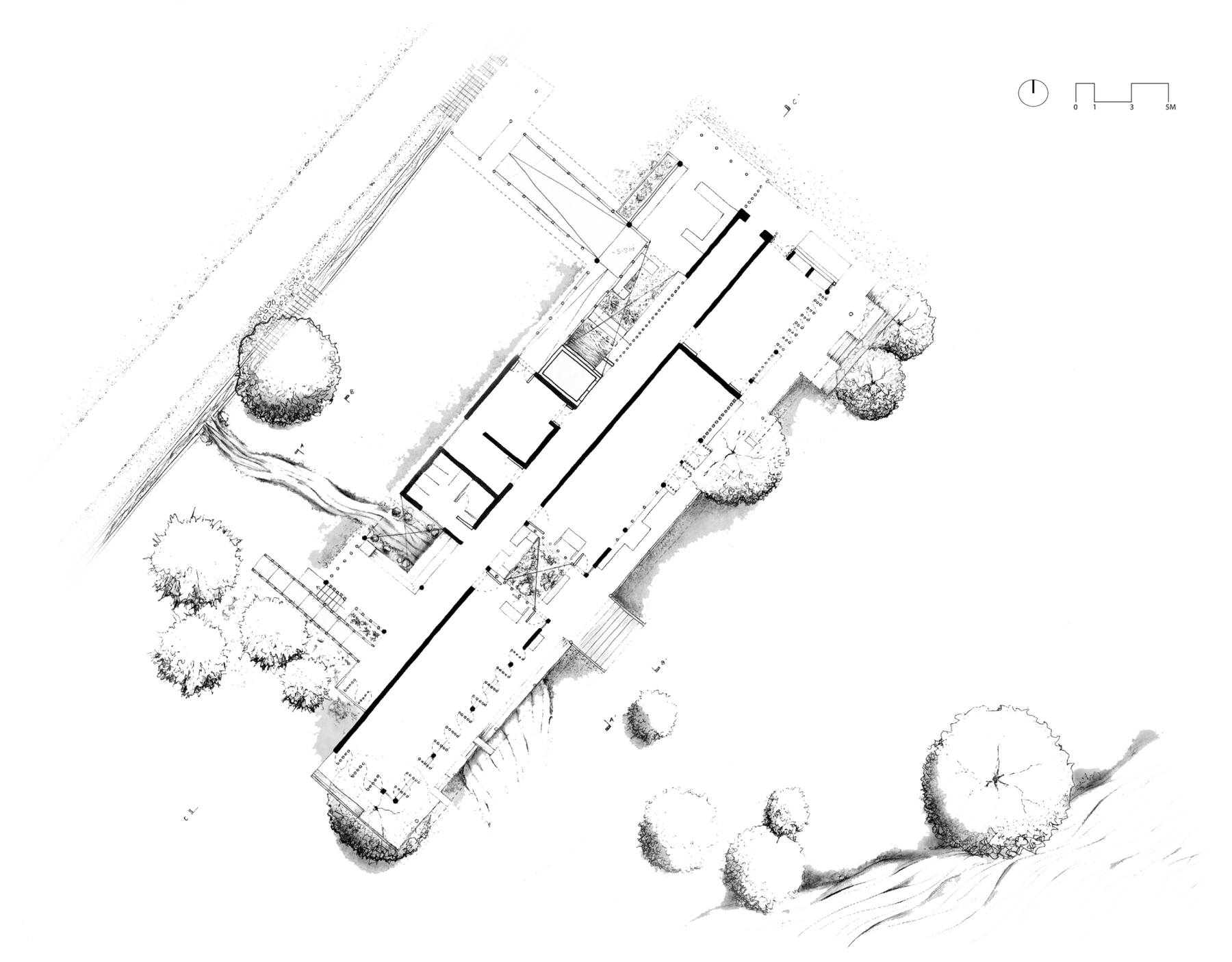
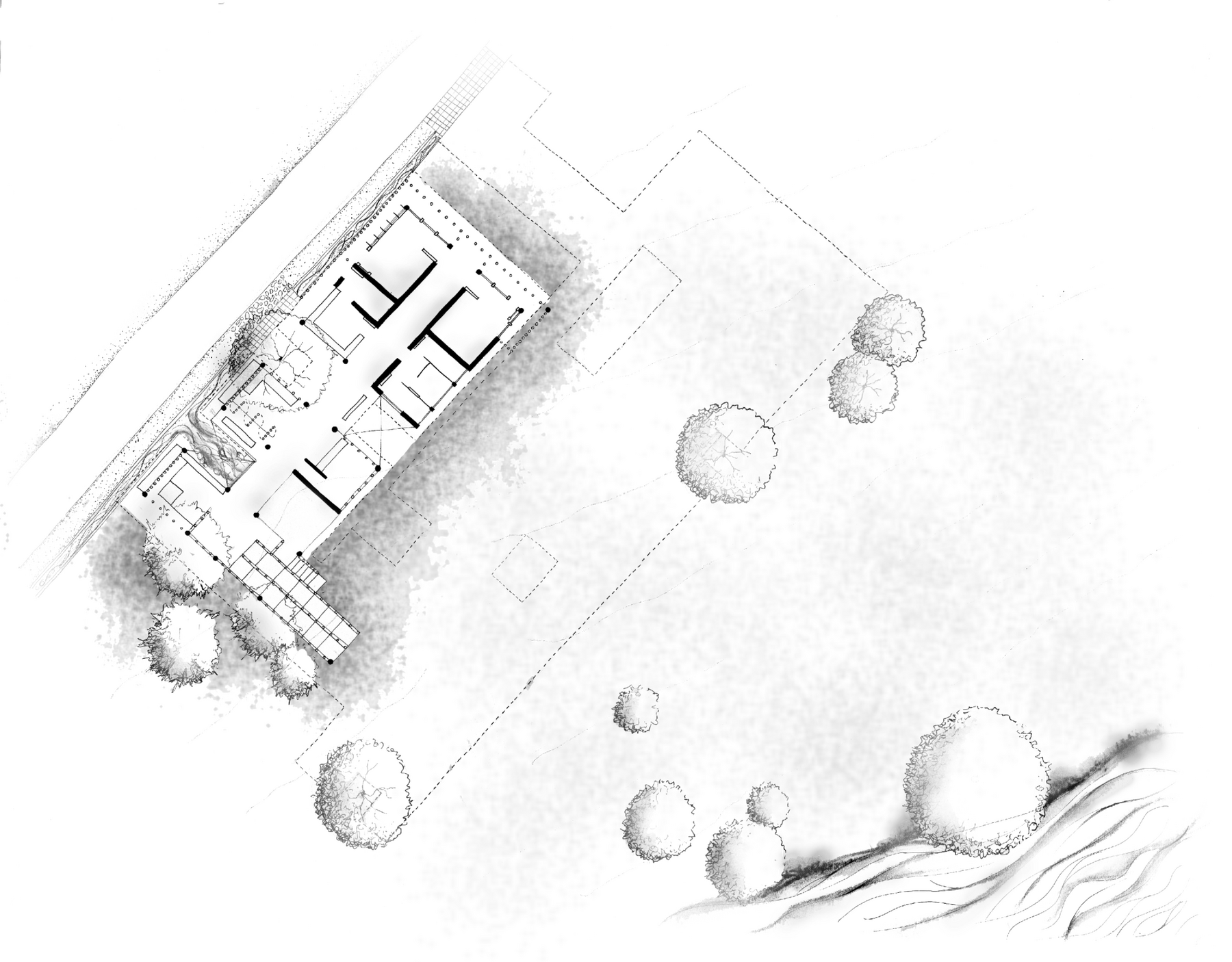
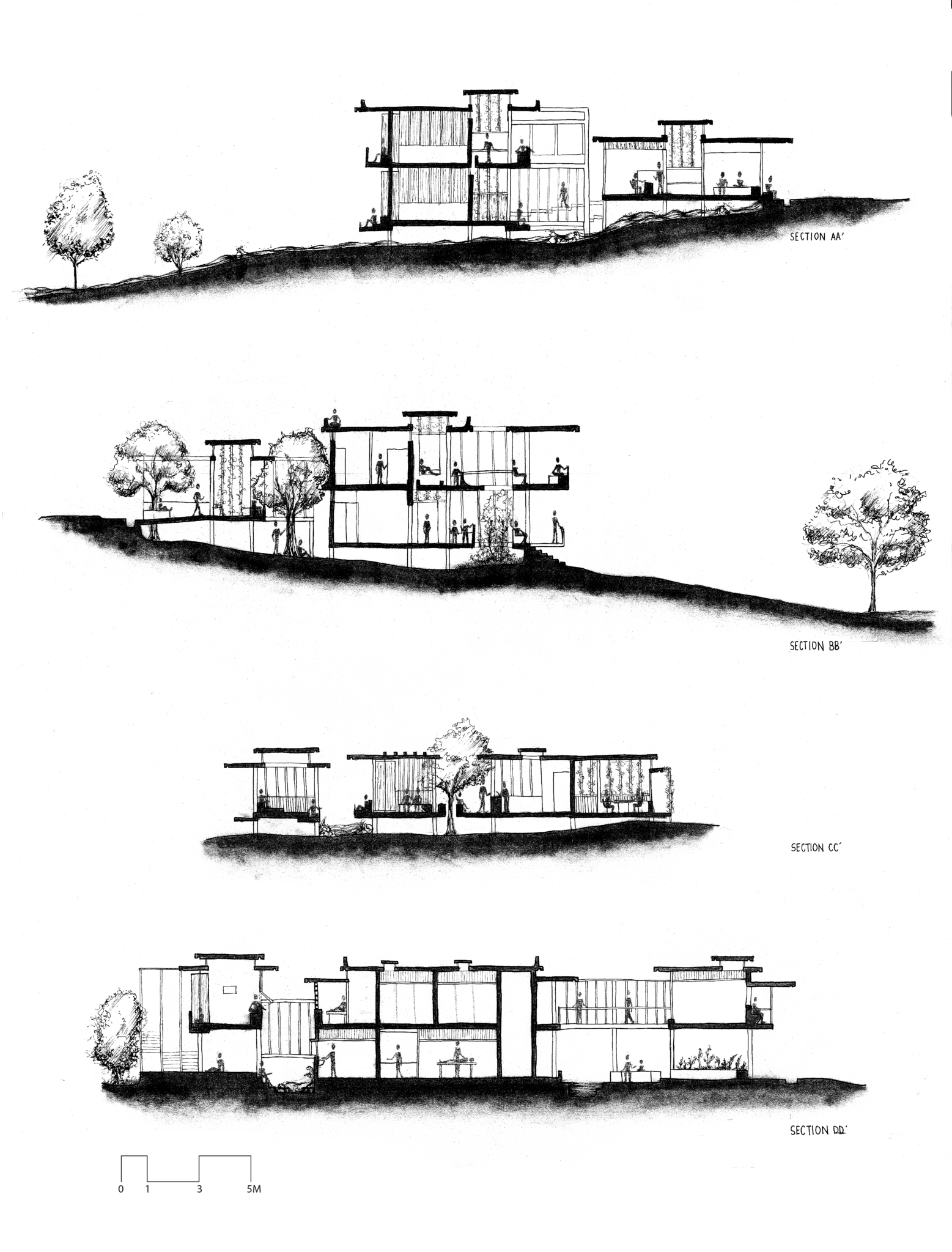
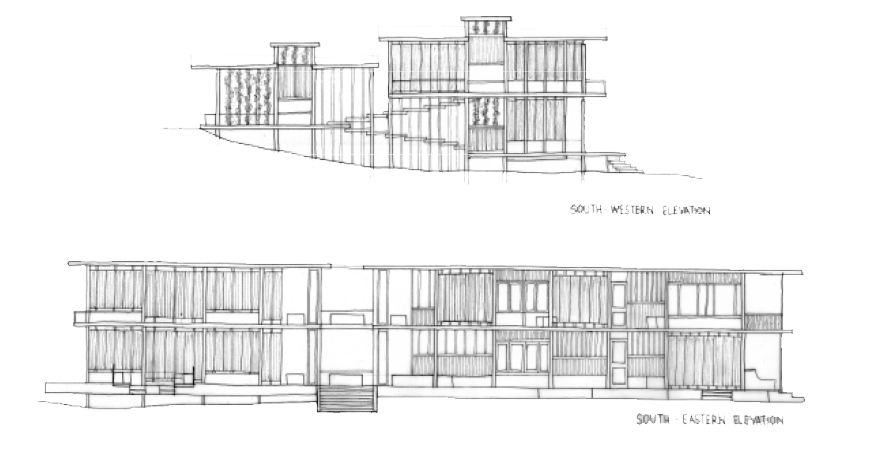
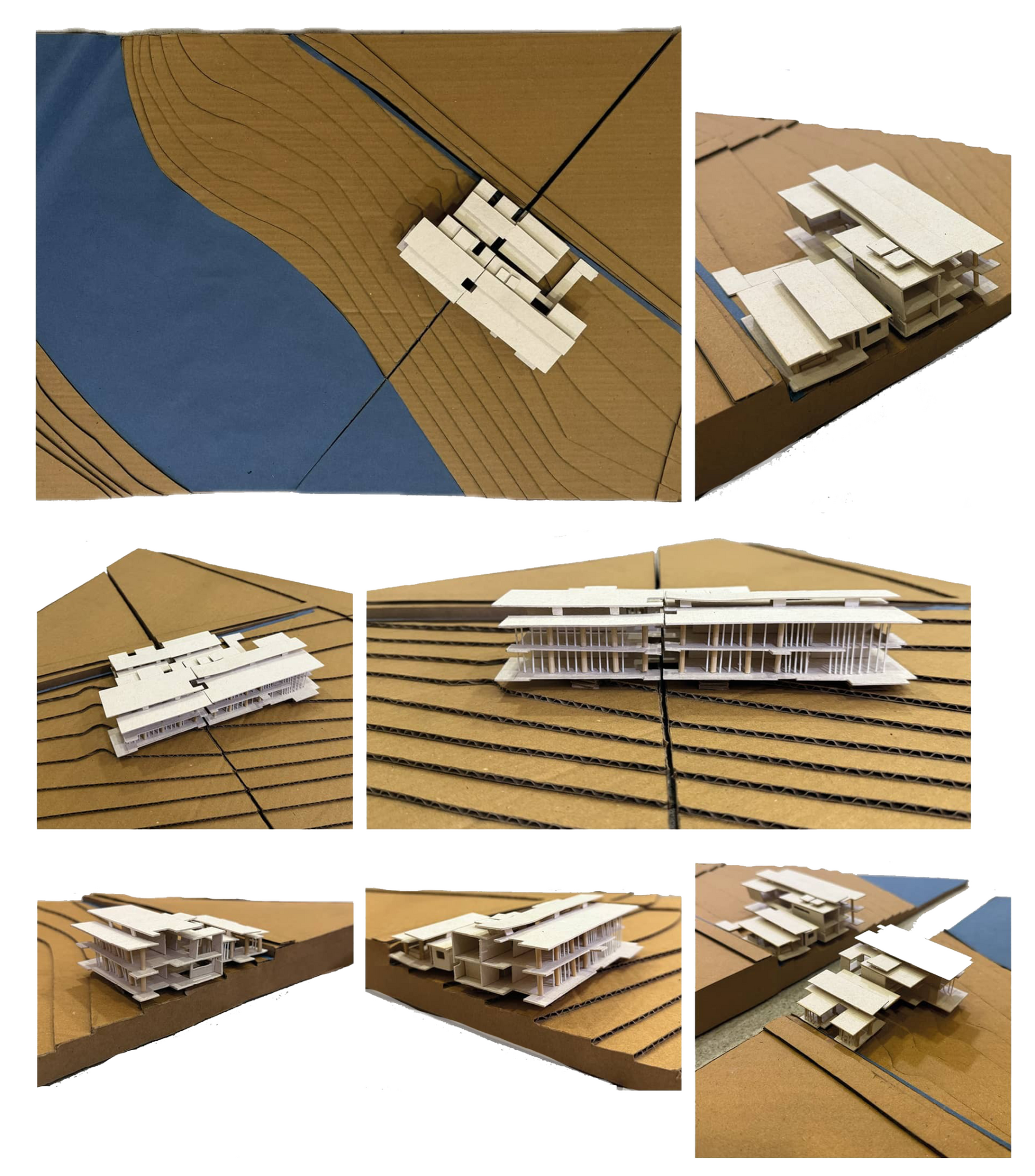
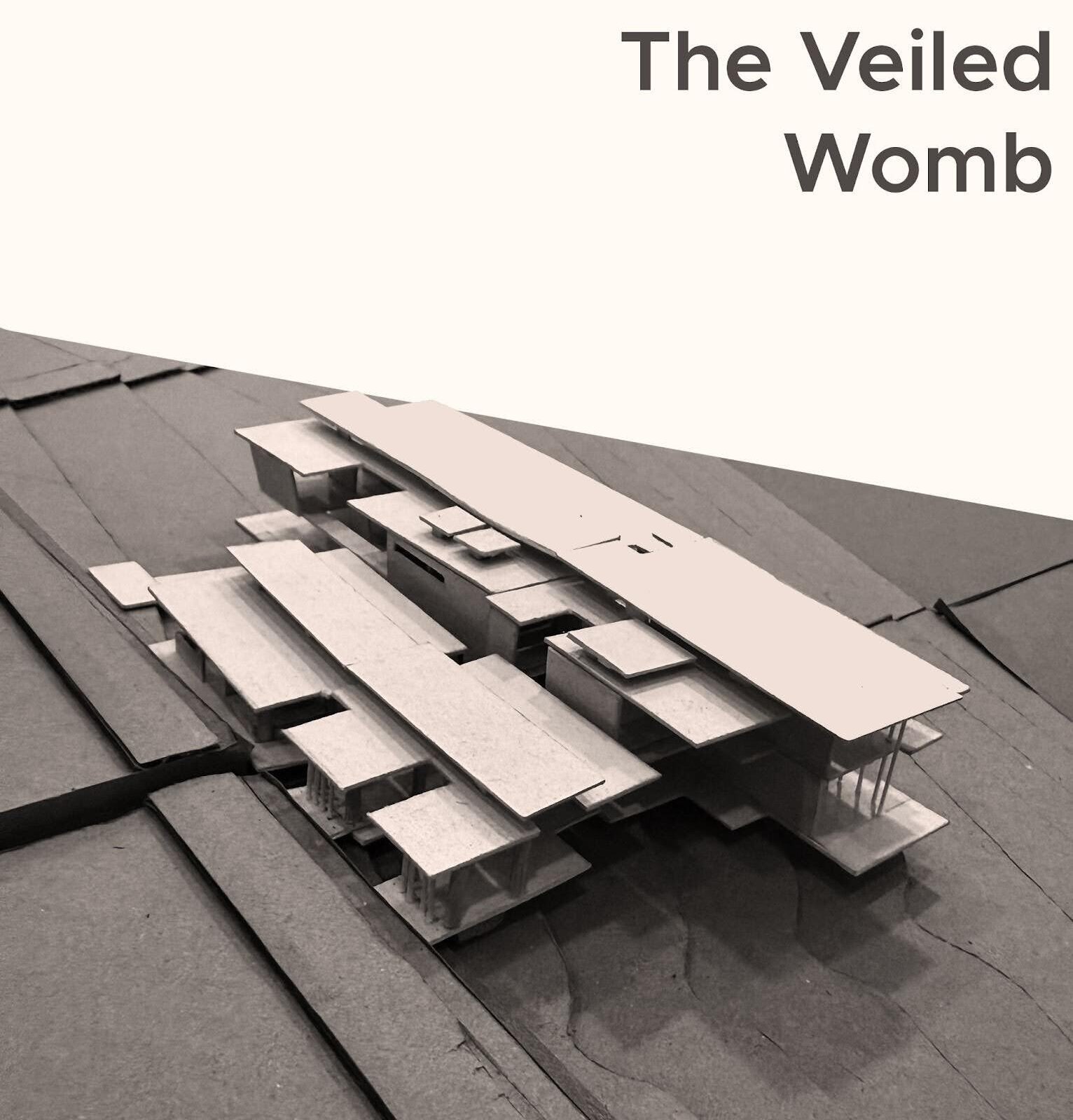
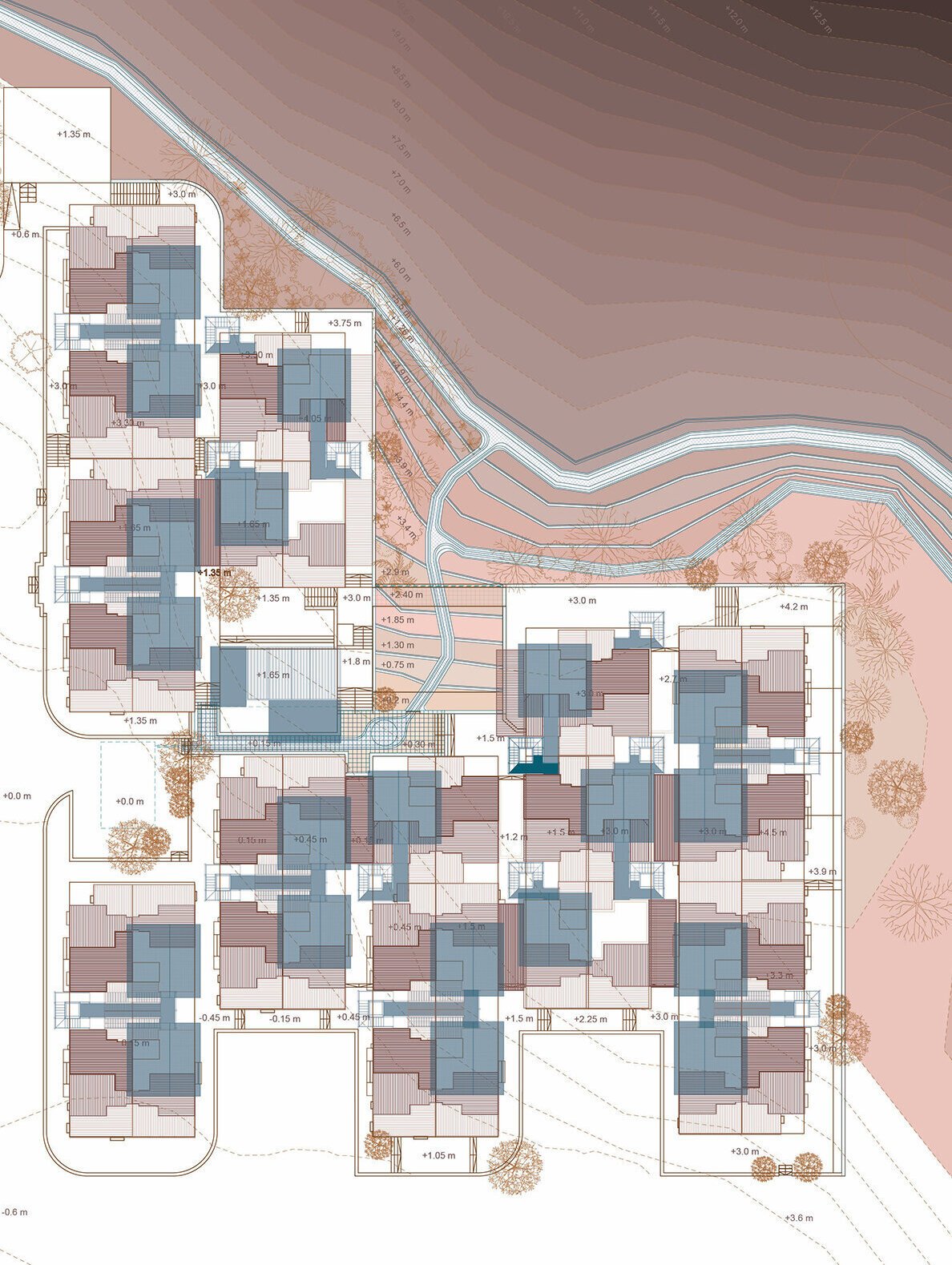
The Veiled Womb is a public healthcare centre conceived as a healing environment shaped by ecological forces rather than mechanical systems alone. Rooted in the idea that recovery is supported by contact with nature, the project draws upon sunlight, wind, water, and landform as spatial generators. The building stretches along the river’s edge, opening toward the landscape while remaining gently protected through layers of bamboo screening and vegetation.
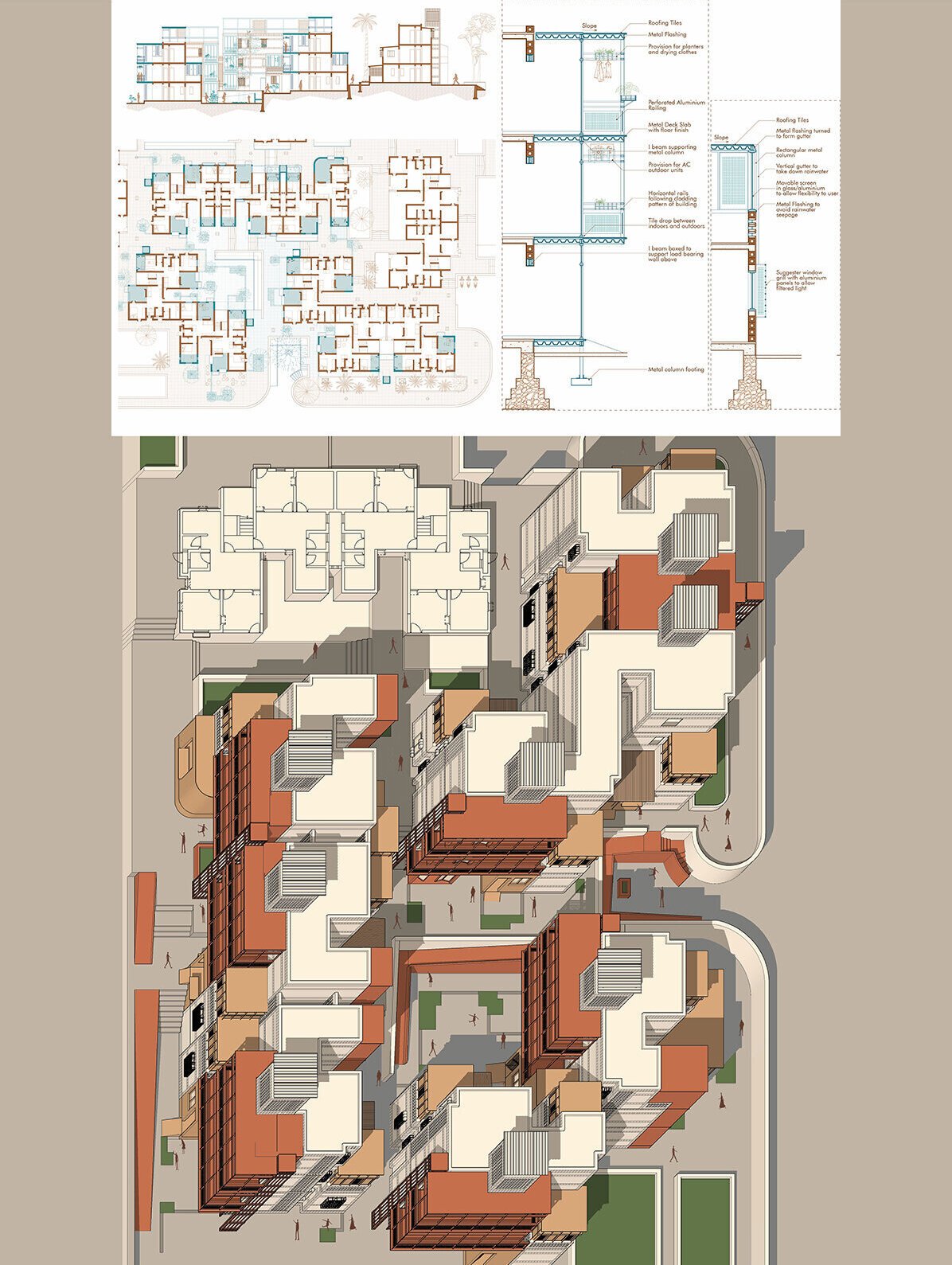
Courtyards punctuate the plan, bringing daylight deep into the interior and enabling natural ventilation across spaces. The outpatient areas rise lightly on columns as shaded pavilions, while more intimate functions remain buffered along the western edge. Wards face east to receive the morning sun and views of flowing water. Through shifting degrees of enclosure and openness, the architecture reframes healthcare as a sensory, breathable, and emotionally restorative experience.
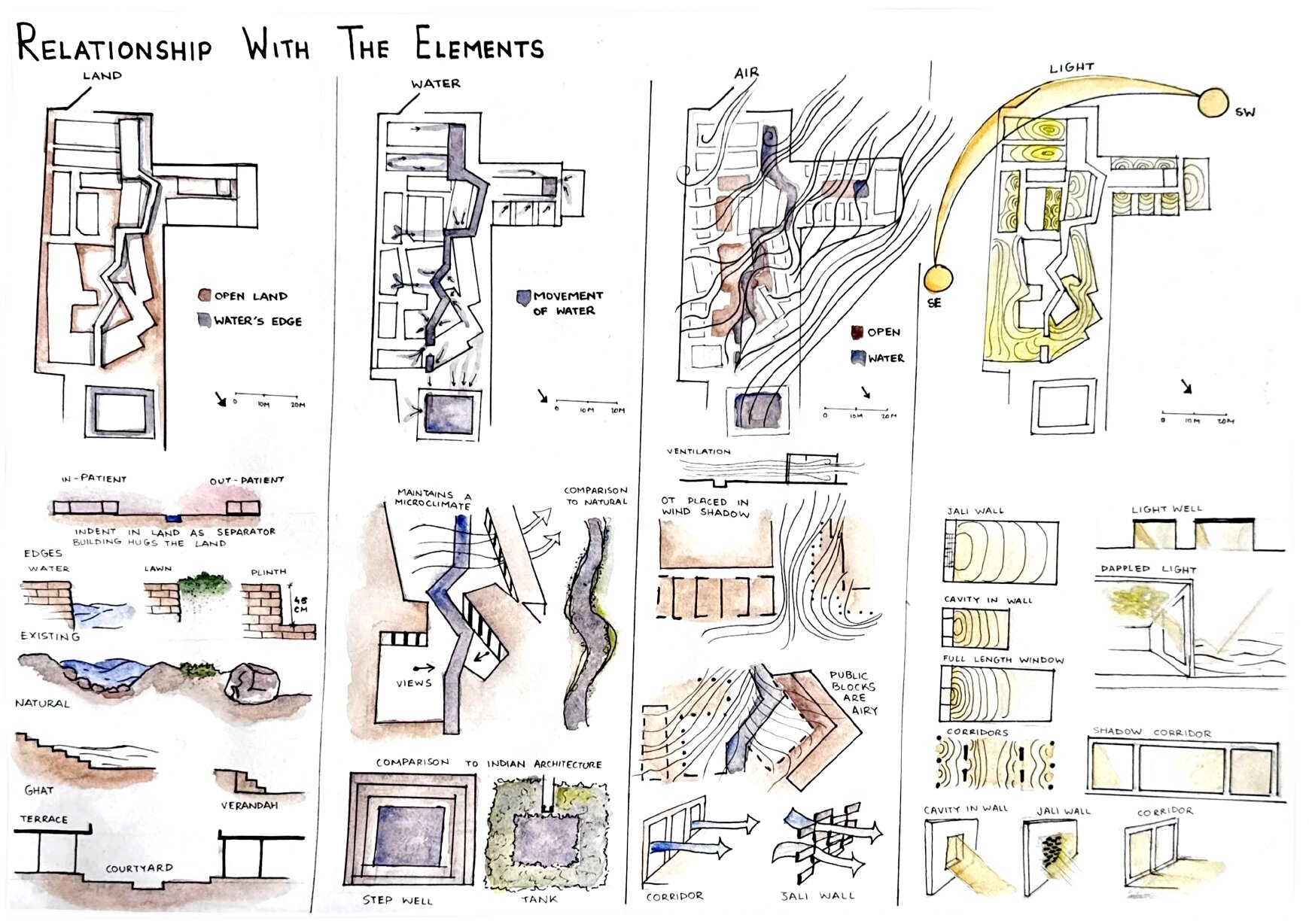
The project evolved through a layered design process rooted in ecological inquiry. Initial explorations investigated how landform, water, air movement, and sunlight influence human experience, using drawings and models to translate environmental forces into spatial qualities. These studies informed a conceptual framework based on the transition from enclosure to openness, shaping how spaces protect, reveal, and connect.
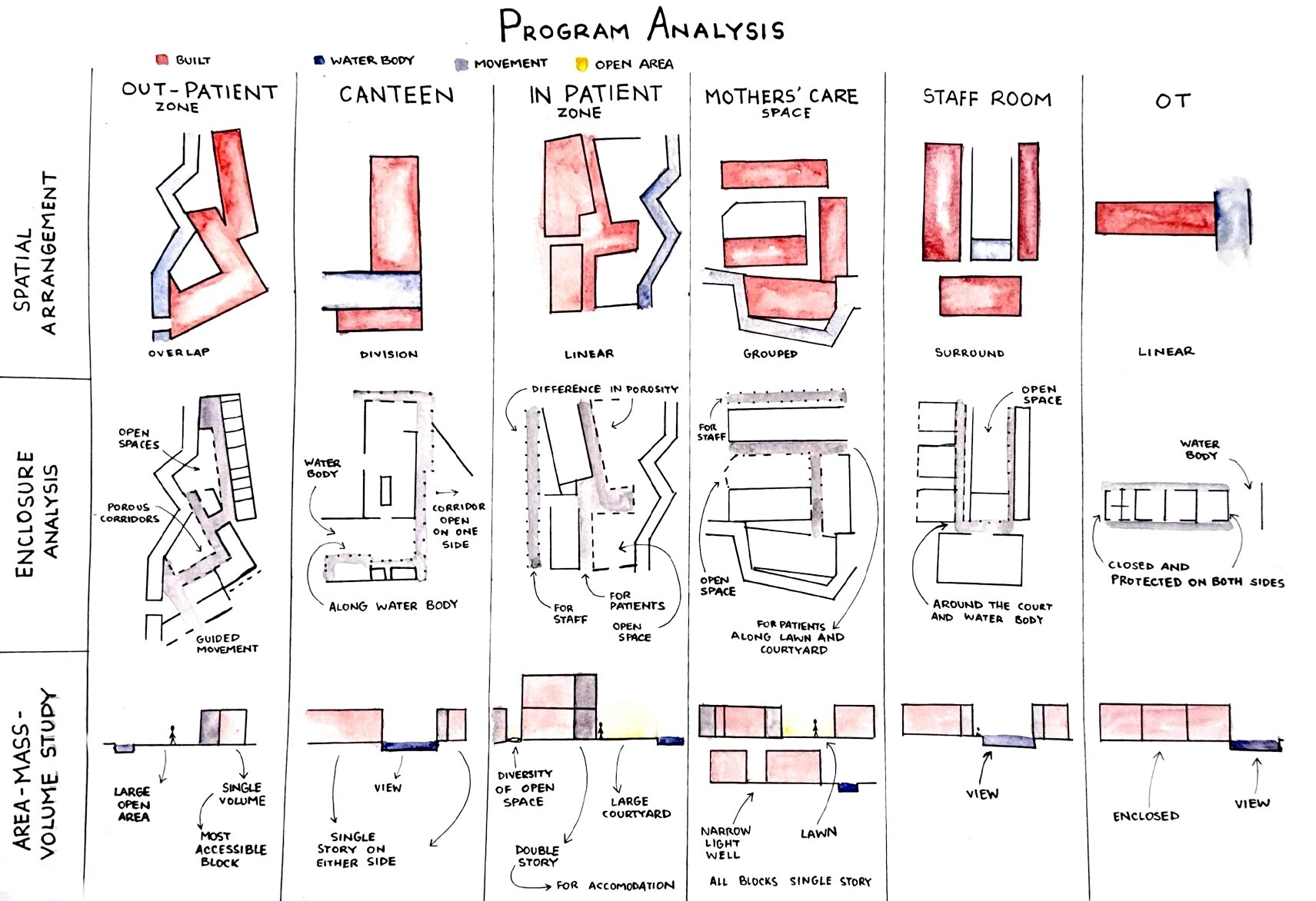
Programmatic analysis followed, mapping functional proximities, circulation patterns, and sectional relationships within a public healthcare setting. Iterative plan studies and physical models tested courtyard placement, edge conditions, and structural rhythm. Environmental diagrams refined strategies for daylight, ventilation, and thermal comfort. Rather than treating climate as an afterthought, the process positioned ecological elements as primary design drivers. The outcome is an architecture where form, structure, and experience emerge from continuous negotiation between programmatic needs and the living systems of the site.
The final outcome of The Veiled Womb is a healthcare environment that operates as an extension of its landscape rather than a detached institutional object. The design translates ecological understanding into built form, where courtyards, screened edges, and raised pavilions shape a porous and breathable architecture. Spaces are organised to balance privacy with openness, allowing patients to experience light, air, and views of the river while remaining protected.
Environmental strategies are embedded into the spatial system, with shaded verandahs, layered facades, and varied openings supporting passive cooling, daylighting, and natural ventilation. The building’s structure and levels respond to the terrain, strengthening connections to land and water. As a result, the project demonstrates how healthcare architecture can foster comfort, dignity, and emotional well-being by aligning functional requirements with climate, landscape, and sensory experience.
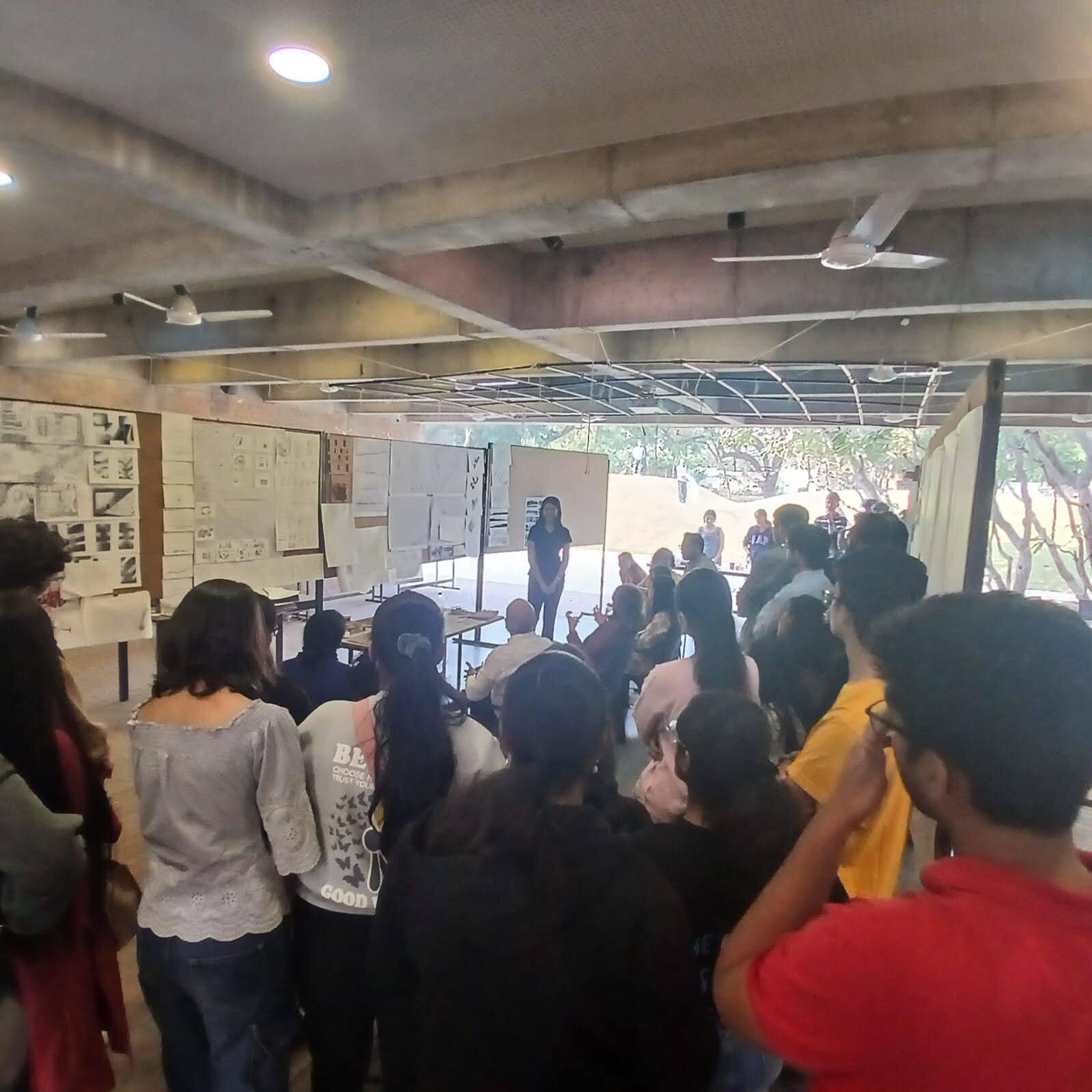
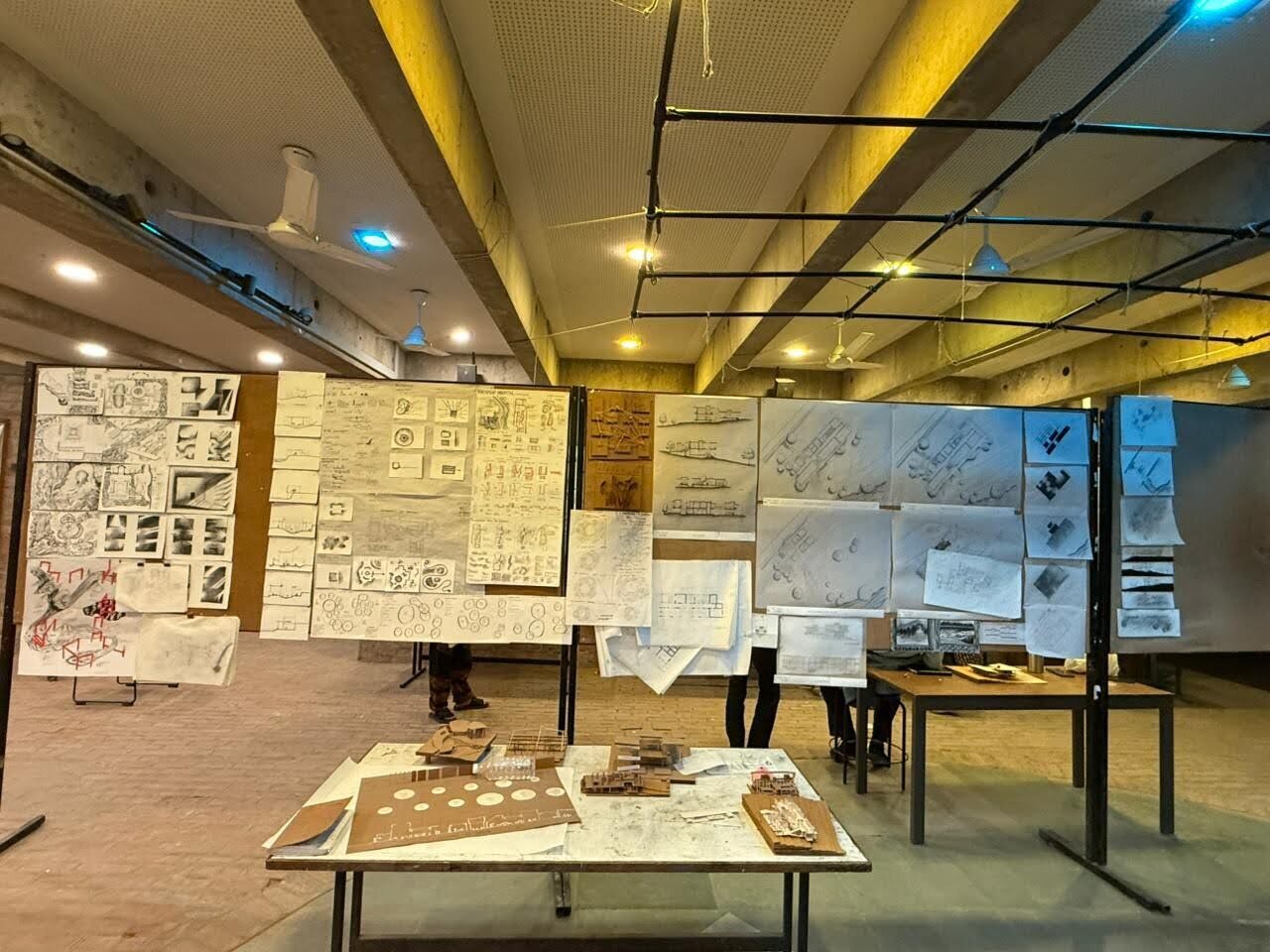
Awards
- CEPT Excellence Awards CEPT Excellence Awards Monsoon 2025 CEPT University
- rudrani sharma