MUI: Master’s in Urban Infrastructure

- More information
Program brief
Infrastructure is the backbone of liveable, resilient, and sustainable cities. As cities worldwide confront climate uncertainty, rapid urbanization, and growing inequalities, the need for high-quality physical and social infrastructure has never been more urgent. Responding to this need, our two-year Master’s in Urban Infrastructure (MUI) program combines foundational learning with specialized urban infrastructure planning and project appraisal skills. Our graduates have worked with a range of organizations working on government programs, bilateral and multilateral initiatives, private consulting, research, and academia.
Within the MUI program, you may opt for a major in Water, Sanitation, and Hygiene (WASH), which is part of the Global Sanitation Graduate School (GSGS), supported by IHE, Delft, the Netherlands. Refer to https://sanitationeducation.org/ for more details.
On successful completion of the program, the students will be awarded the degree of Master of Planning (Urban Infrastructure). Students opting for a major in WASH will also receive the degree of Master of Planning (Urban Infrastructure) with a major in WASH listed on their transcript.
- More information
Message from Program Chair
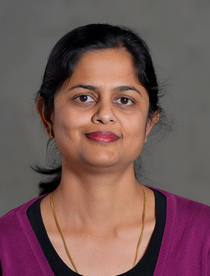
Faculty of Planning
Program Structure
- Degree Title
- Master of Planning (Urban Infrastructure)
- Majors
-
Students opting for a major in WASH will also get a degree of Master of Planning
(Urban Infrastructure) with a major in
WASH stated in their transcript. - Duration
- Two Years | Four Semesters
- Total Credits
- 80 across Two Years
Key Features
Various global development agendas, together with national missions such as AMRUT, Smart Cities Mission, Swachh Bharat Mission, and HRIDAY, among others, have reinforced the role of quality urban infrastructure as catalysts for sustainable growth and well-being. The MUI program is designed to nurture a new generation of urban infrastructure specialists who can envision, plan, and deliver meaningful solutions that shape future cities.
The program spans two years, combining foundational learning with specialized urban infrastructure planning and project appraisal skills. The first semester is part of the Foundational Program, which focuses on Understanding the Cities. After this, the second and third semesters offer specialized Urban Infrastructure Planning and Project Appraisal studios. In the final semester, students individually undertake a graduate research project (also known as the Directed Research Project or DRP), enabling them to integrate theory, methods, and practice through in-depth research on contemporary urban infrastructure challenges.
Studio-based pedagogy: Our students work in 18-week-long field-based studios where they tackle real-world problems. This is complemented by input lectures and courses, thus bridging theory and practice.
Comprehensive Curriculum covering diverse topics such as urban infrastructure elements, finance, governance, macro-economics, planning history, public health and behaviour change, professional practices, and more
Directed Research Project (DRP): This is an opportunity for students to conduct in-depth individual research under the guidance of faculty members or researchers. The DRP at CEPT aims to synergize student research efforts with the research interests of faculty members, independent researchers, and researchers affiliated with the University.
Global Exposure: Opportunities for study tours through Summer and Winter Schools, DRPs, and Internships.
Key Features
Choose a major at the end of the 1st Semester
- Semester 01 : (Monsoon) Foundation Program (18 Credits)
Studios
Understanding the City Studio
Studio Focus: Evidence-based approach for framing and analyzing complex urban situations and problems. The students employ mapping, observing, representational and analytical abilities to understand people’s needs, conflicting interests, financial or administrative constraints.
Theory Courses (Mandatory)
Macro Economics
Quantitative Analysis and Reasoning
Writing the City- Semester 02: (Spring) City Infrastructure Planning (CIP) (18 credits)
Studios
City Infrastructure Planning
Studio Focus: The studio is the first “specialization” studio and covers a wide range of topics, including water supply, used water and sanitation, solid waste infrastructure, blue-green infrastructure, nature-based solutions, water-sensitive planning, and social infrastructure, among others. Students analyze diverse infrastructure elements at the urban scale and prepare a city infrastructure plan aligned with land use, for the short, medium, and long term.
Theory Courses (Mandatory)
Elements of Urban Infrastructure
Financing Urban Development
History of Urban Planning
- Semester 03 : (Monsoon) City Infrastructure Planning (18 credits)
Studios
Infrastructure Project Studio
The studio builds an in-depth sectoral understanding of water supply, sanitation, stormwater, and solid waste systems through an assessment of an Indian city. It examines intersectoral linkages, institutional and financial capacity, technical options, and relevant policies. Students develop sectoral reports and strategic project appraisal documents detailing needs assessment, project scope, technical solutions, implementation strategies, costs and phasing, financial sustainability, impacts, and monitoring and evaluation frameworks.
Theory Courses (Mandatory)
Urban Water-Sanitation Planning and Management
Project Appraisal and Finance
Urban Governance- Semester 04 : (Spring) Directed Research Project (18 credits)
Research Immersion
Students opt for doing a Directed Research Project (DRP) in their 4th Semester.
Courses
Non-Municipal Infrastructure (Non-WASH) OR Public Health and Behaviour Change (WASH);
Public Health and Behaviour Change (WASH);
Professional Practice for Planners
Students have an option to undergo 6 – 8 weeks long internships or industry training in between the second and third semesters.
*The program structure and courses indicated above are based on previous years’ offerings and are subject to change.
Program Testimonials
Program Ambassadors

Board of Review Members
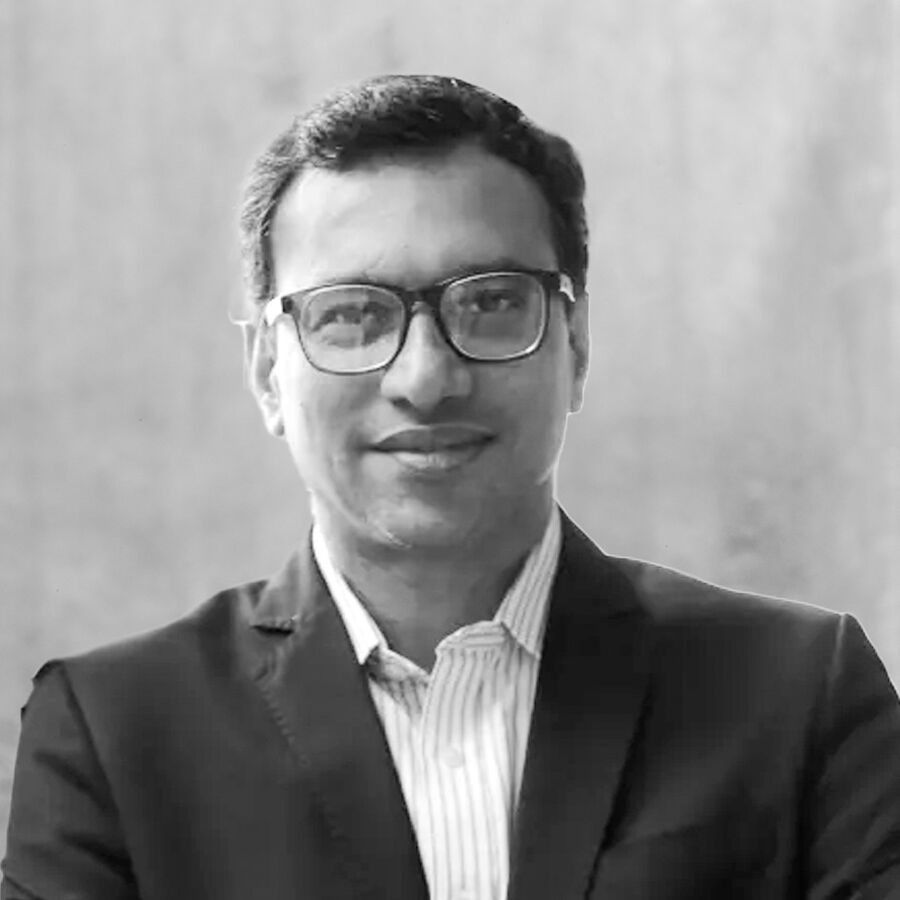

Nidish Nair
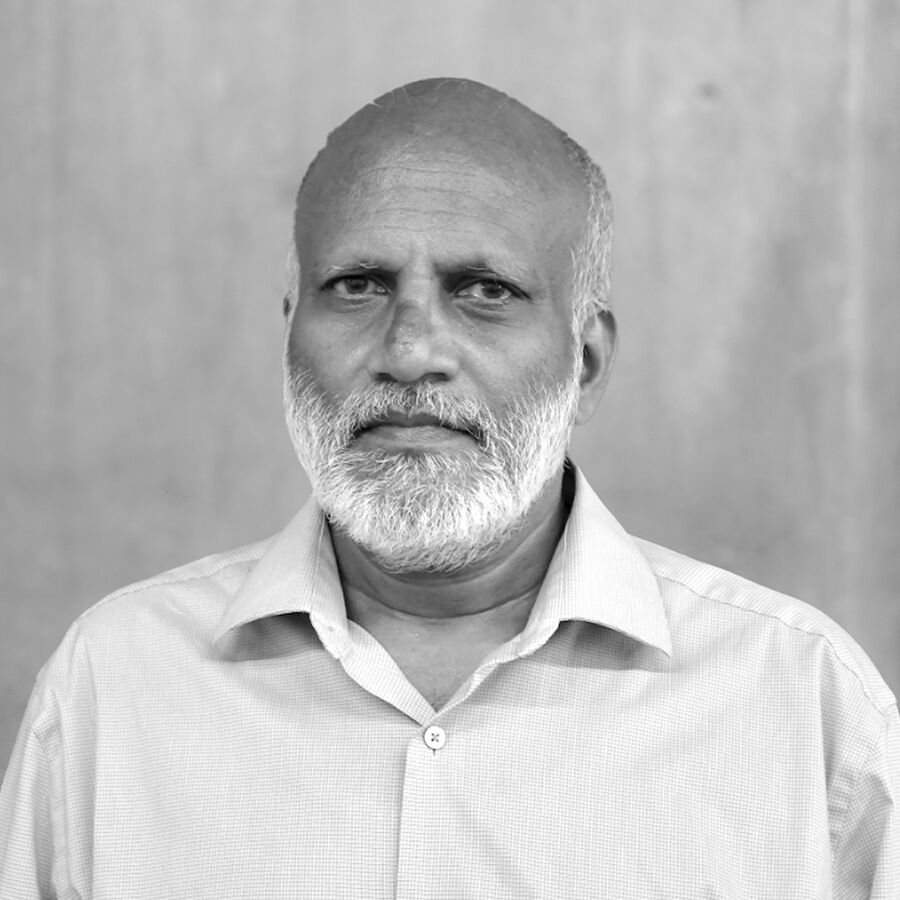
Sekhar Bonu
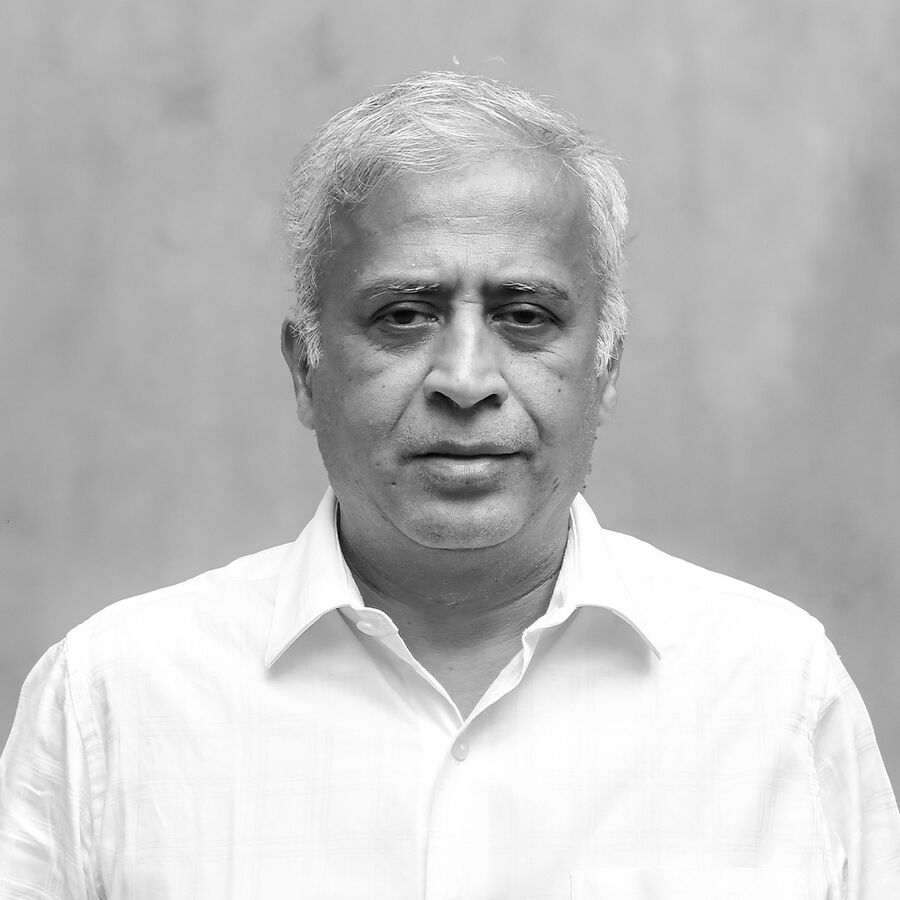
S. R Ramanujan
What's new in Master's in Urban Infrastructure
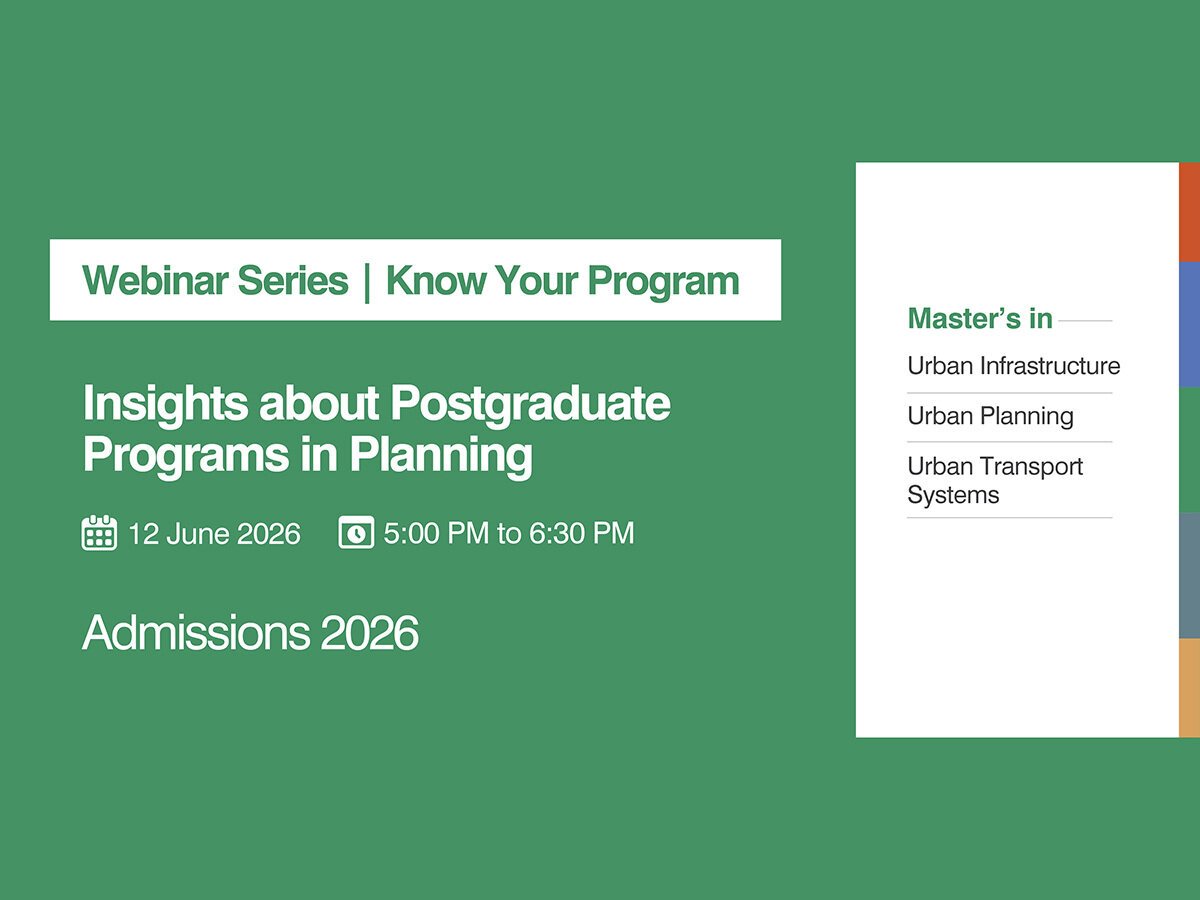

Faculty of Planning | PG Admissions 2026 | Webinar Series | Know Your Programs
Jun 12 2026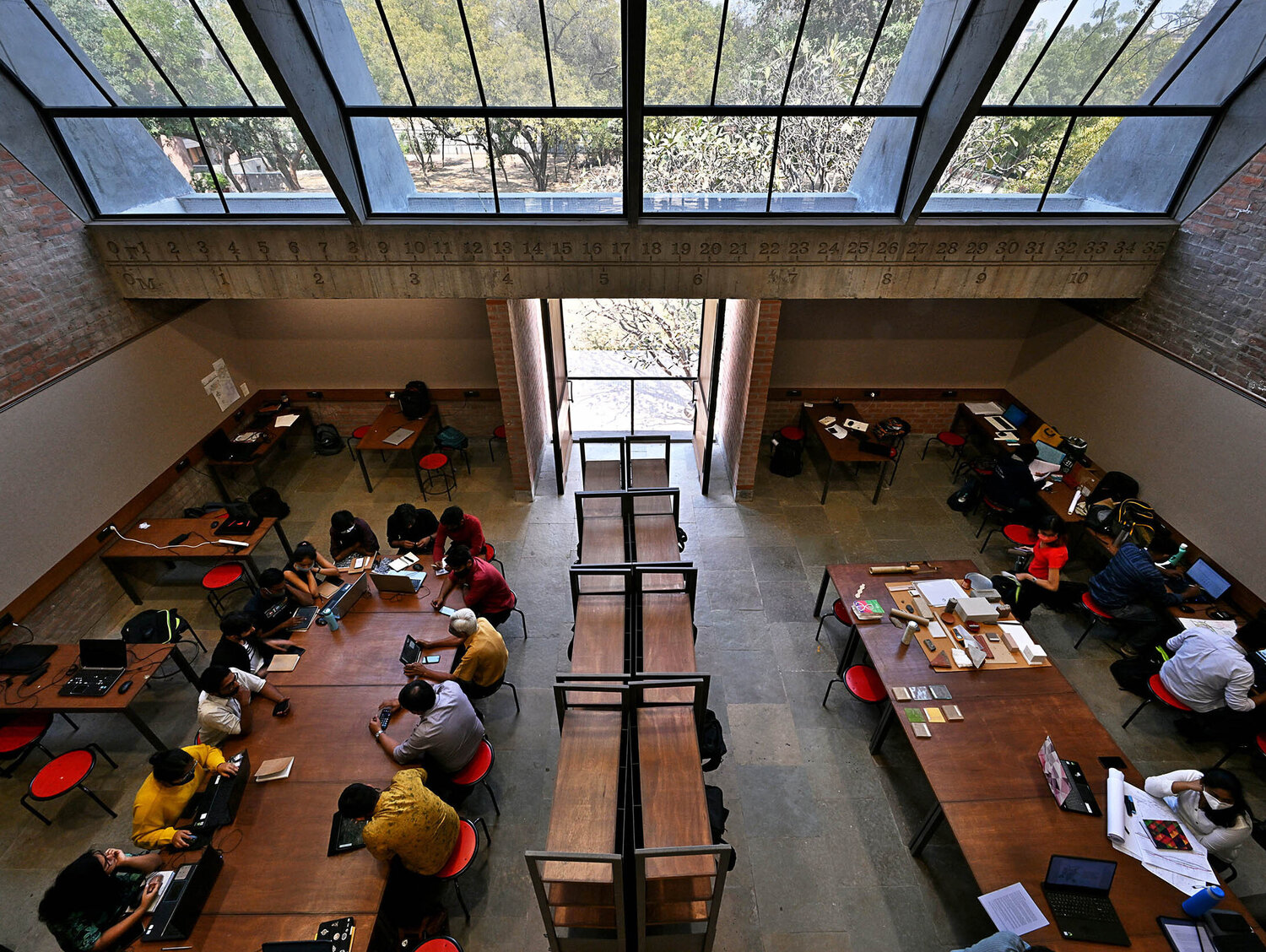

PG Admissions 2026 Round 2 are Now Open
May 22 2026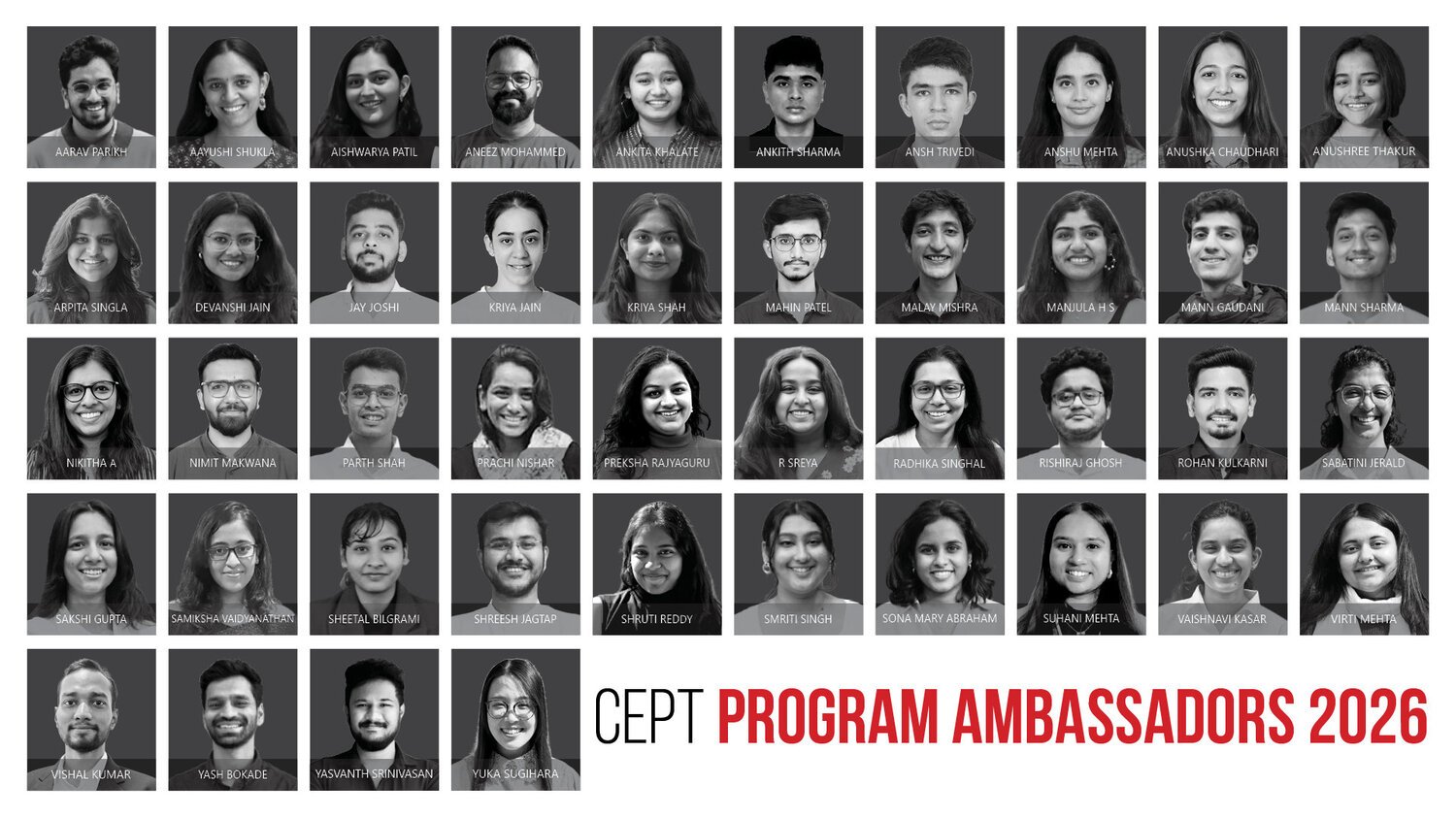

CEPT Welcomes Program Ambassadors 2026
Mar 25 2026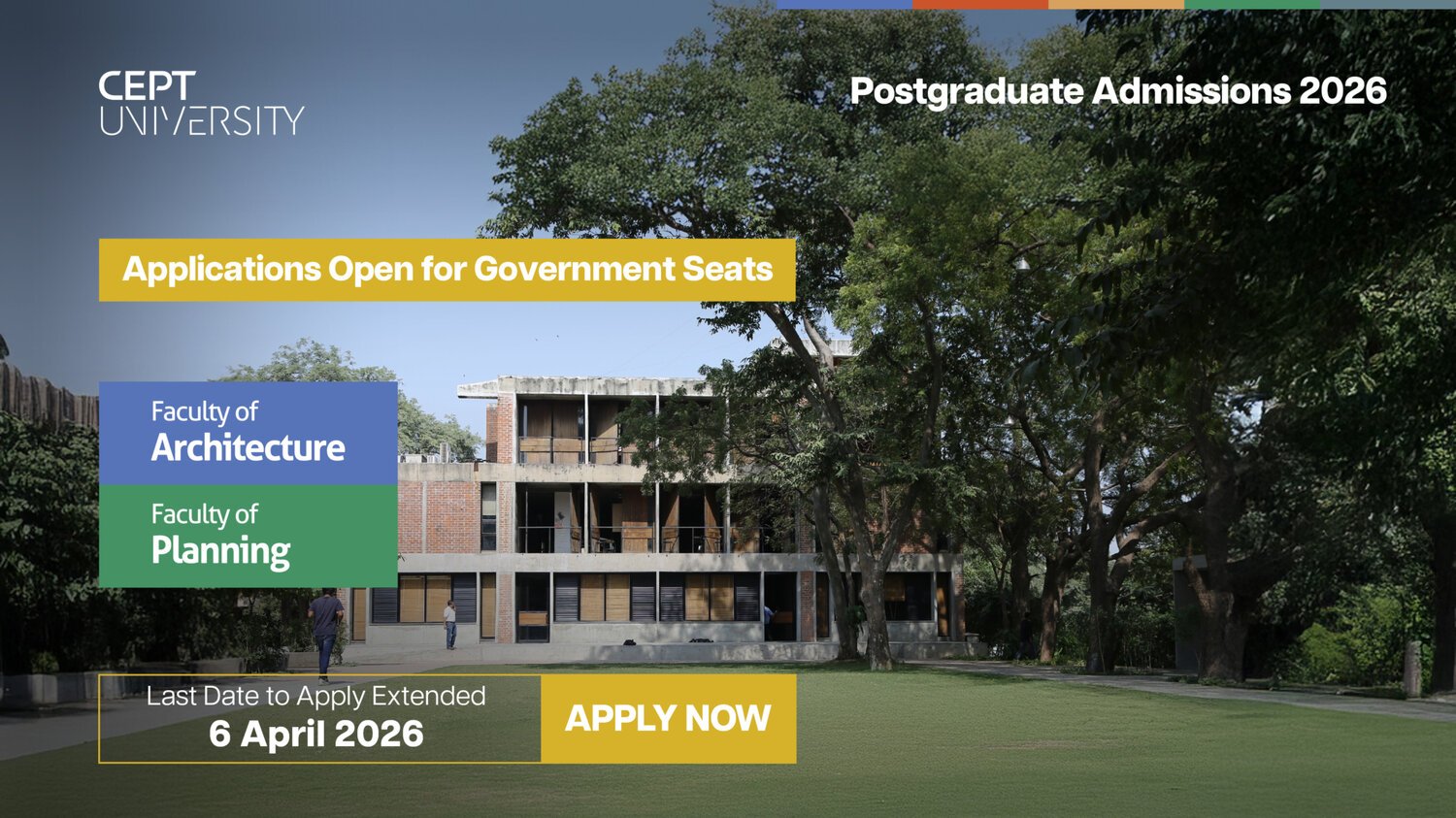
Postgraduate Admissions are open for Government Seats (for Gujarat Students)
Mar 18 2026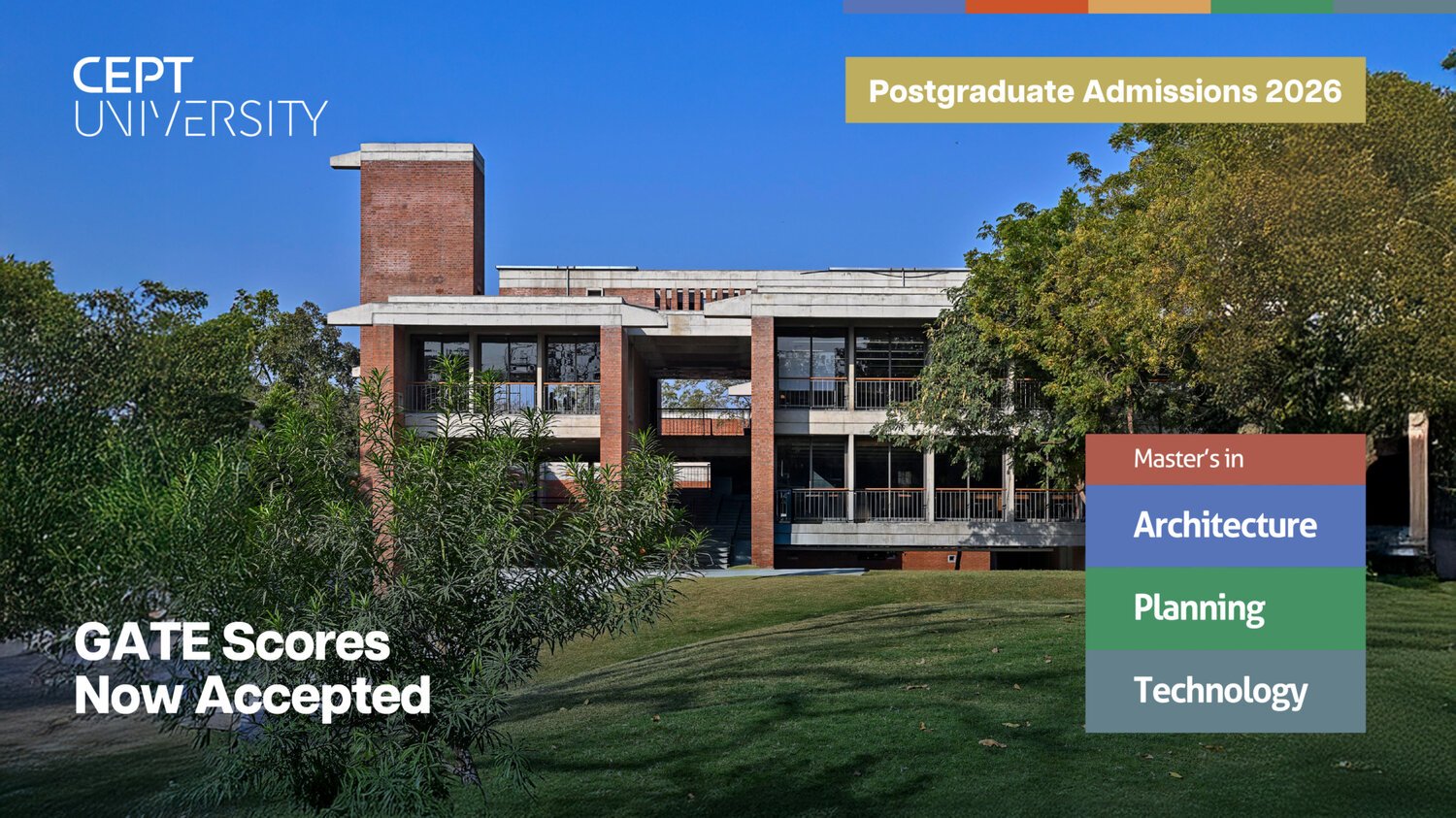
Accepts GATE 2026 Scores for Postgradute Programs Admissions in FA, FP, and FT
Mar 17 2026