CEPT Team Wins International Building Performance Simulation Competition 2025

The competition organised by the International Building Performance Simulation Association (IBPSA). The event was part of the 19th Building Simulation Conference (BS2025), held in Brisbane, Australia, from August 24 – 27, 2025.
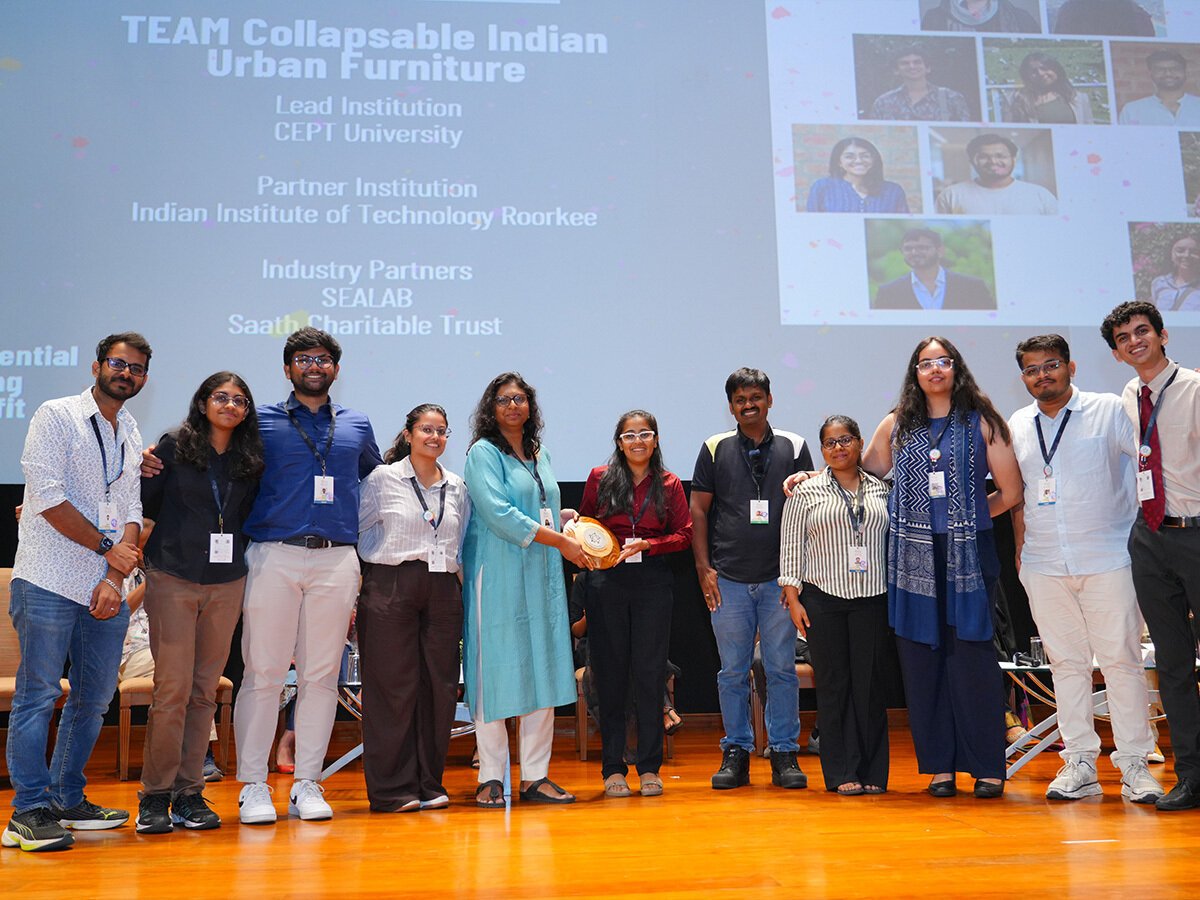
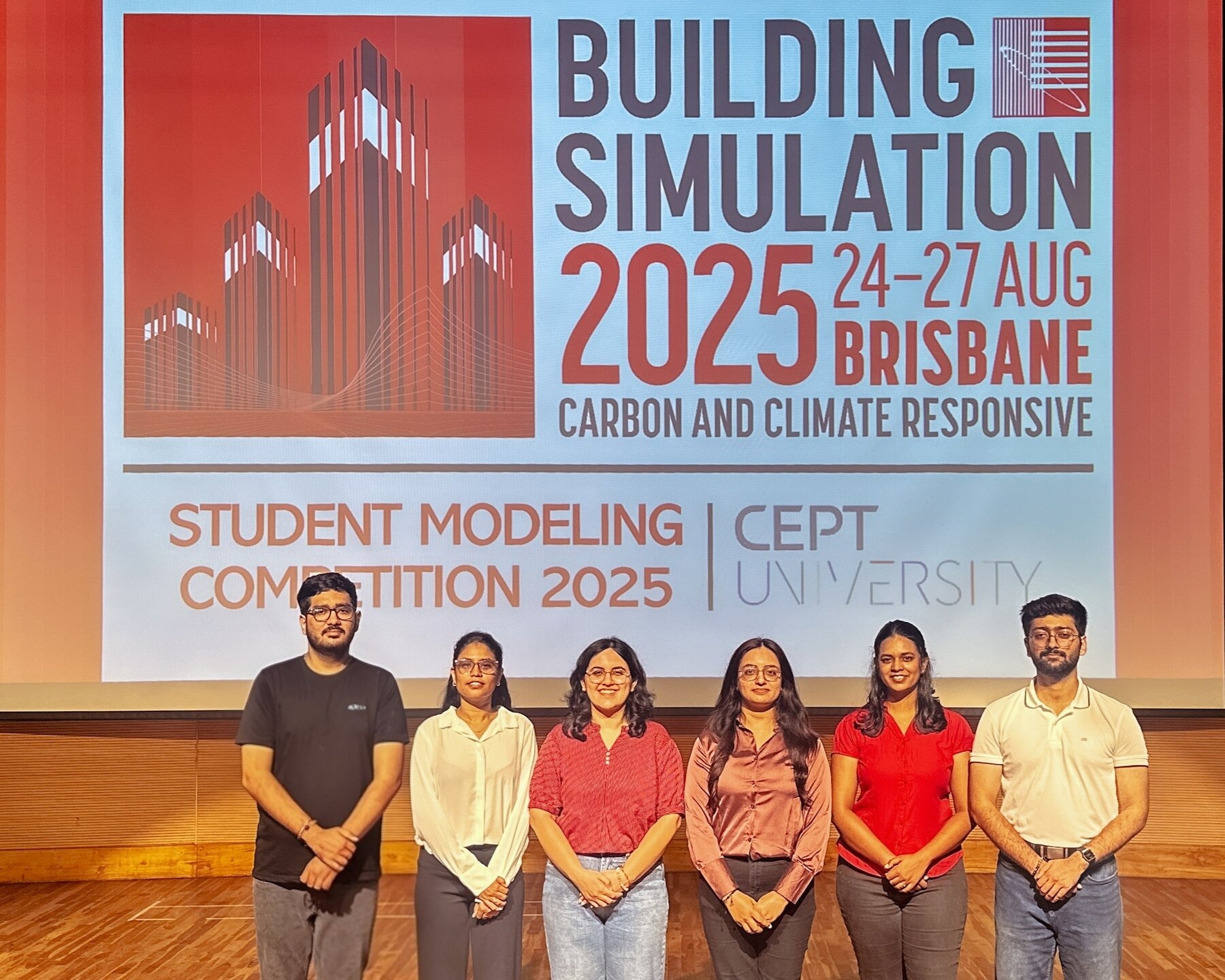
This year’s competition drew participation from approximately 40 teams worldwide. This is the third consecutive time the CEPT team has reached the finals, and for the second time in a row, the team has emerged as winners — reaffirming the relevance and strength of applied learning in the field of building simulation and energy performance.
The team was mentored by CEPT faculty members Prof. Rajan Rawal, Prof. Minu Agarwal, Ms. Siddhi Vashi (Research Associate, Centre for Advanced Research in Building Science and Energy — CARBSE), and Malay Dave of Steensen Varming, Sydney.
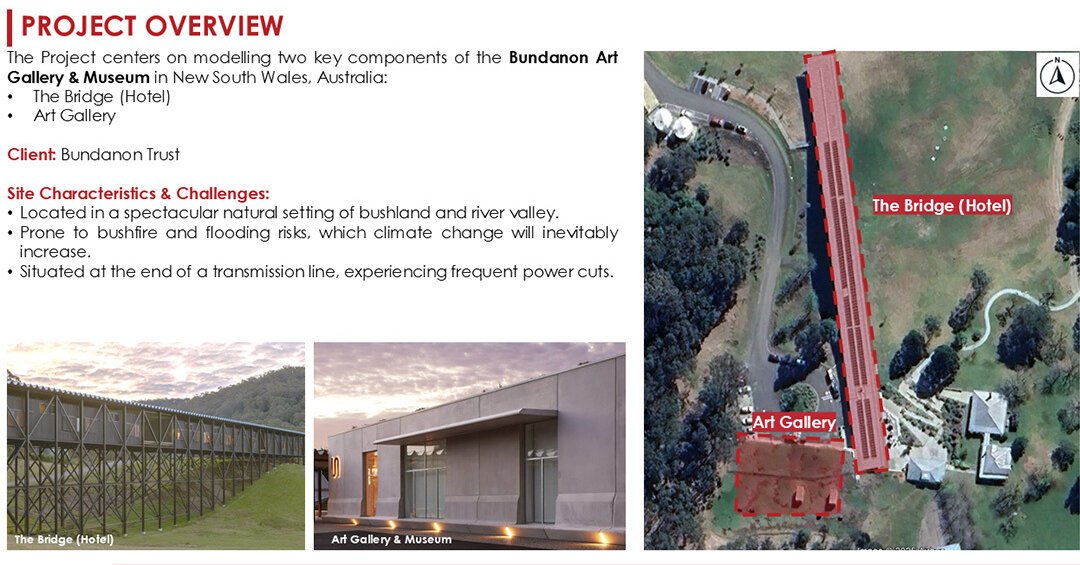
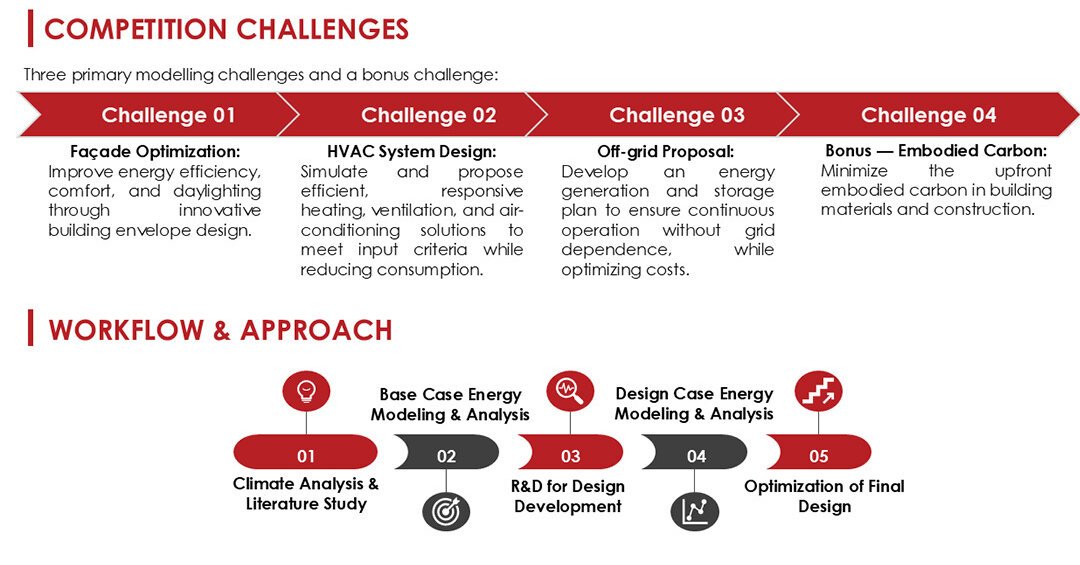
The competition required students to focus on energy performance analysis and retrofit strategies for the Bundanon Art Museum and Bridge in New South Wales, Australia. The CEPT team’s solution proposed the following:
The team proposed a smart and energy-efficient design that would reduce uncomfortable hours by 94 per cent and reduce the need for active heating to only 27 hours per year, while also improving air quality.
Their retrofit strategy demonstrated a 54 per cent reduction in overall HVAC energy consumption through optimised system interventions.
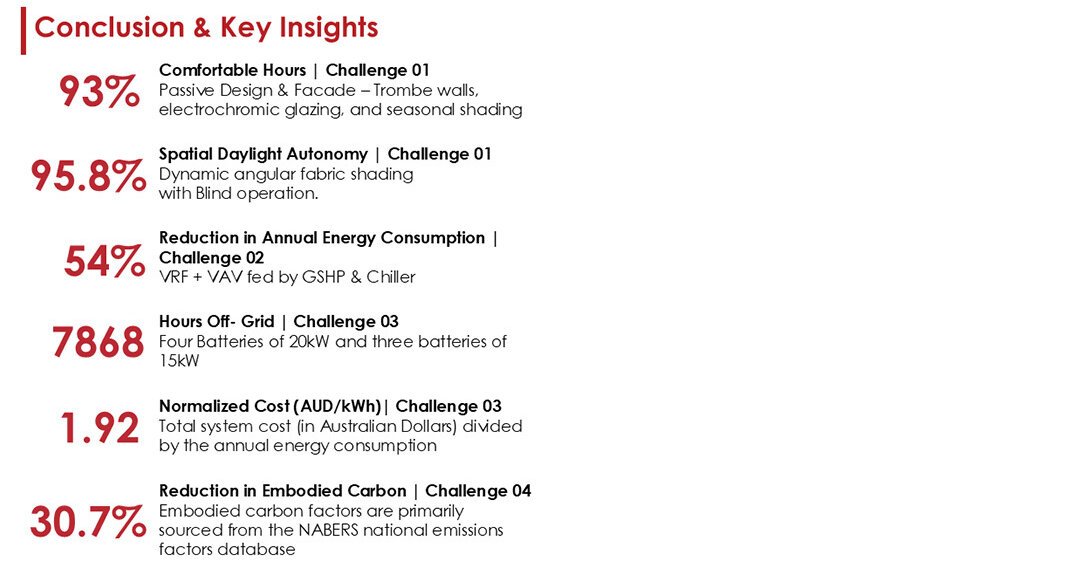
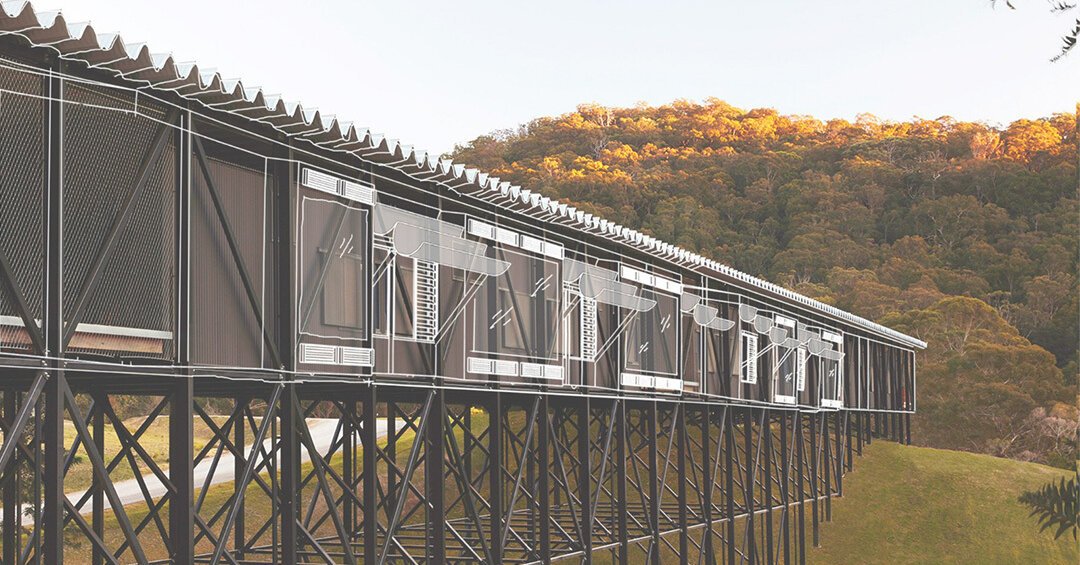
A 303 kW roof top solar PV system was designed to generate three times the gallery’s annual energy needs, enabling year-round off-grid operation.
The students also achieved a 30.7 per cent embodied carbon reduction in the building façade through enhanced material choices, including the use of low-carbon materials, replacing insulation, improving cladding, and reducing steel.

This achievement reflects the students’ ability to respond to complex, performance-based design challenges with clarity, competence, and creativity.