CEPT Student’s Work ‘Wall Cooling Façade System’ Registered as IPR

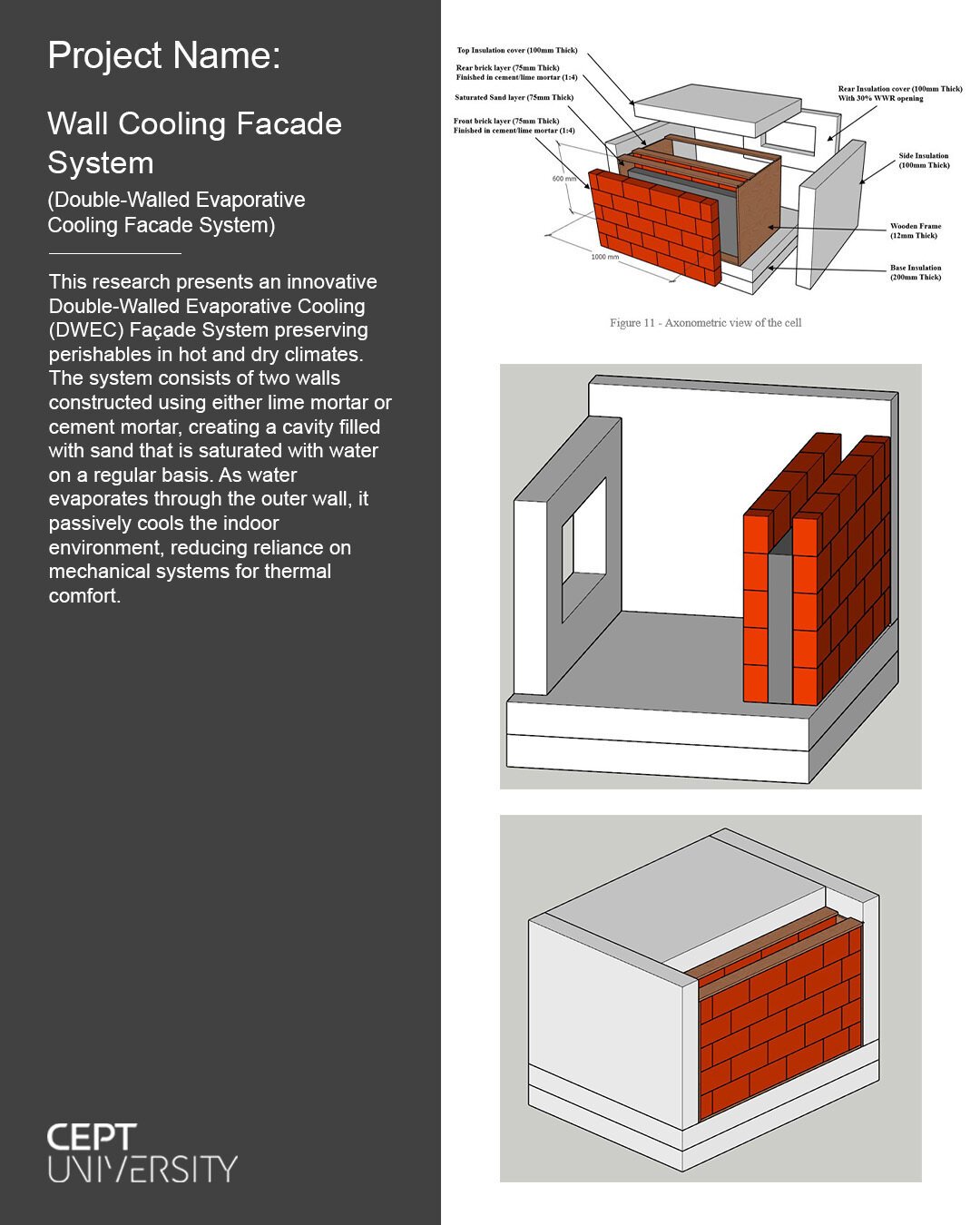
This research presents a low-cost, sustainable, and passive cooling solution for buildings in hot and dry climates. Unlike a standard insulated wall — which uses materials like foam or fiberglass to slow heat transfer rather than remove it — the DWECS actively cools the structure. It utilizes vapor pressure deficit to draw water vapor out of the wall, driving the evaporative cooling process. This innovation demonstrates how advanced façade systems can significantly reduce building cooling loads.
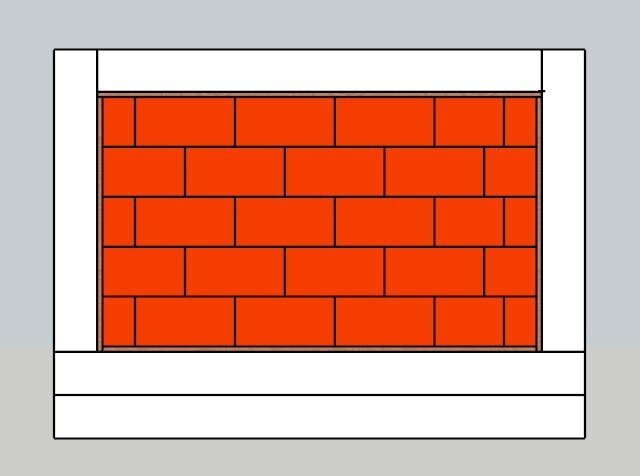
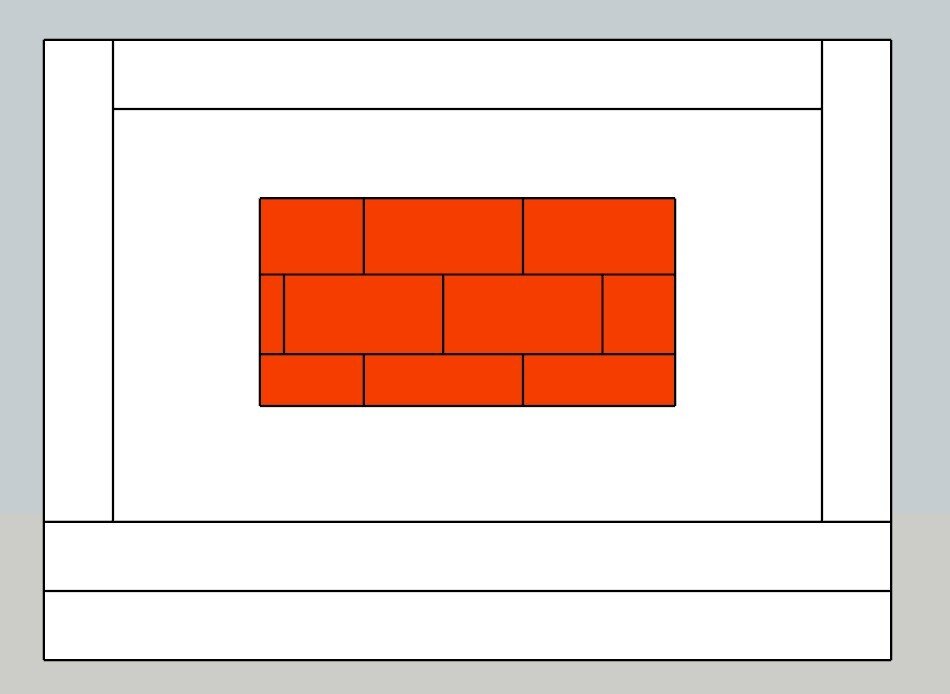
Front View
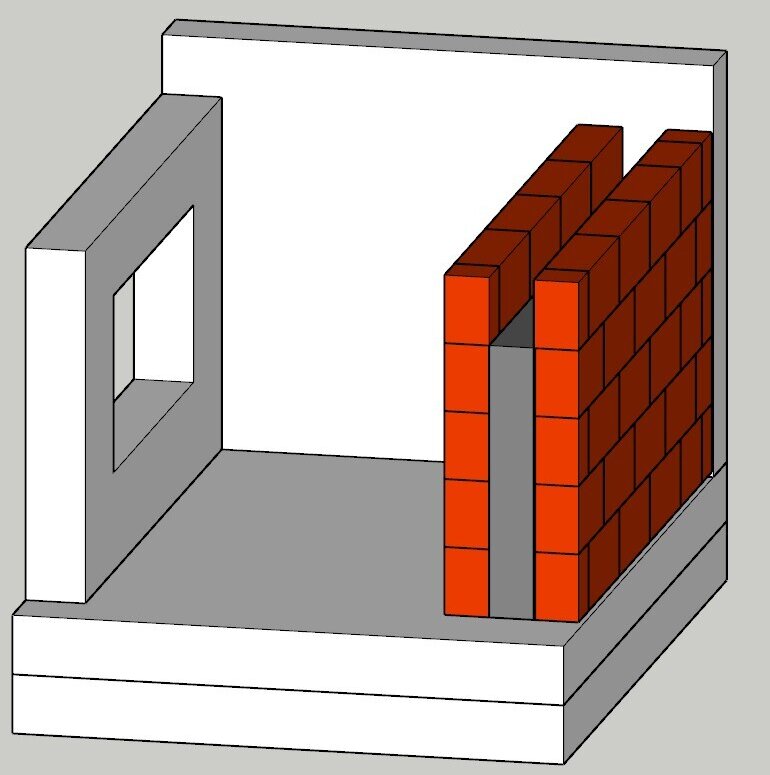
Back View
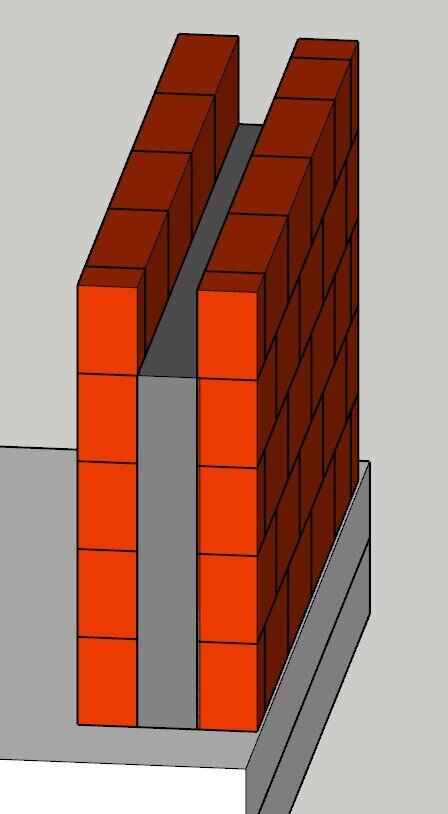
Detail View
Detail View
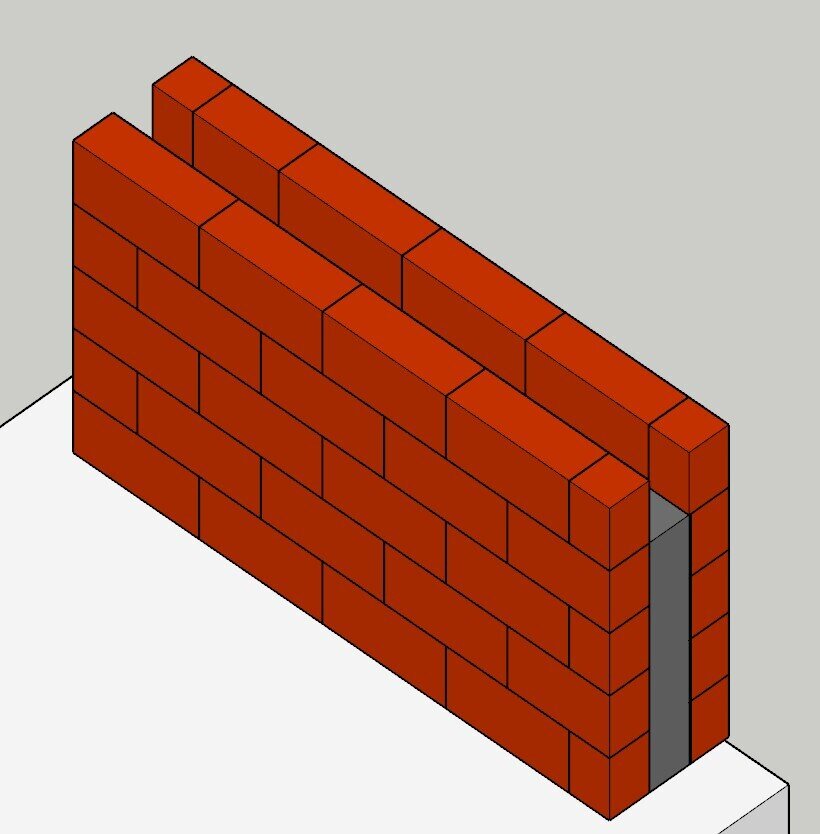
Detail View
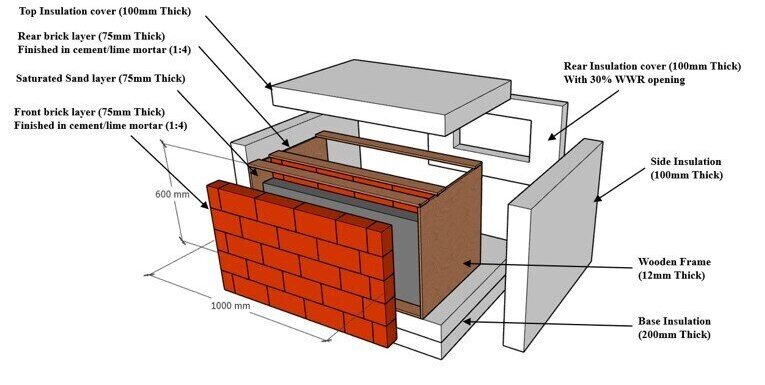
Perspective View
Experimental testing was carried out using two identical scaled test cells (0.36 m³ each) placed under natural ventilation in the hot-dry climate of Ahmedabad. The study demonstrated that the DWECS system can reduce indoor air temperature by a maximum of 10.25°C, with an average reduction of 3.0°C compared to the outdoor environment. Between the two wall types, the lime mortar assembly performed better, maintaining indoor temperatures approximately 6% cooler than the cement-based assembly. Both configurations consistently maintained indoor relative humidity within a comfortable 54 – 56% range.
By integrating traditional evaporative cooling principles with modern construction materials, this system offers an effective approach to reducing indoor temperatures, enhancing thermal comfort, and promoting energy-efficient building design in arid regions.