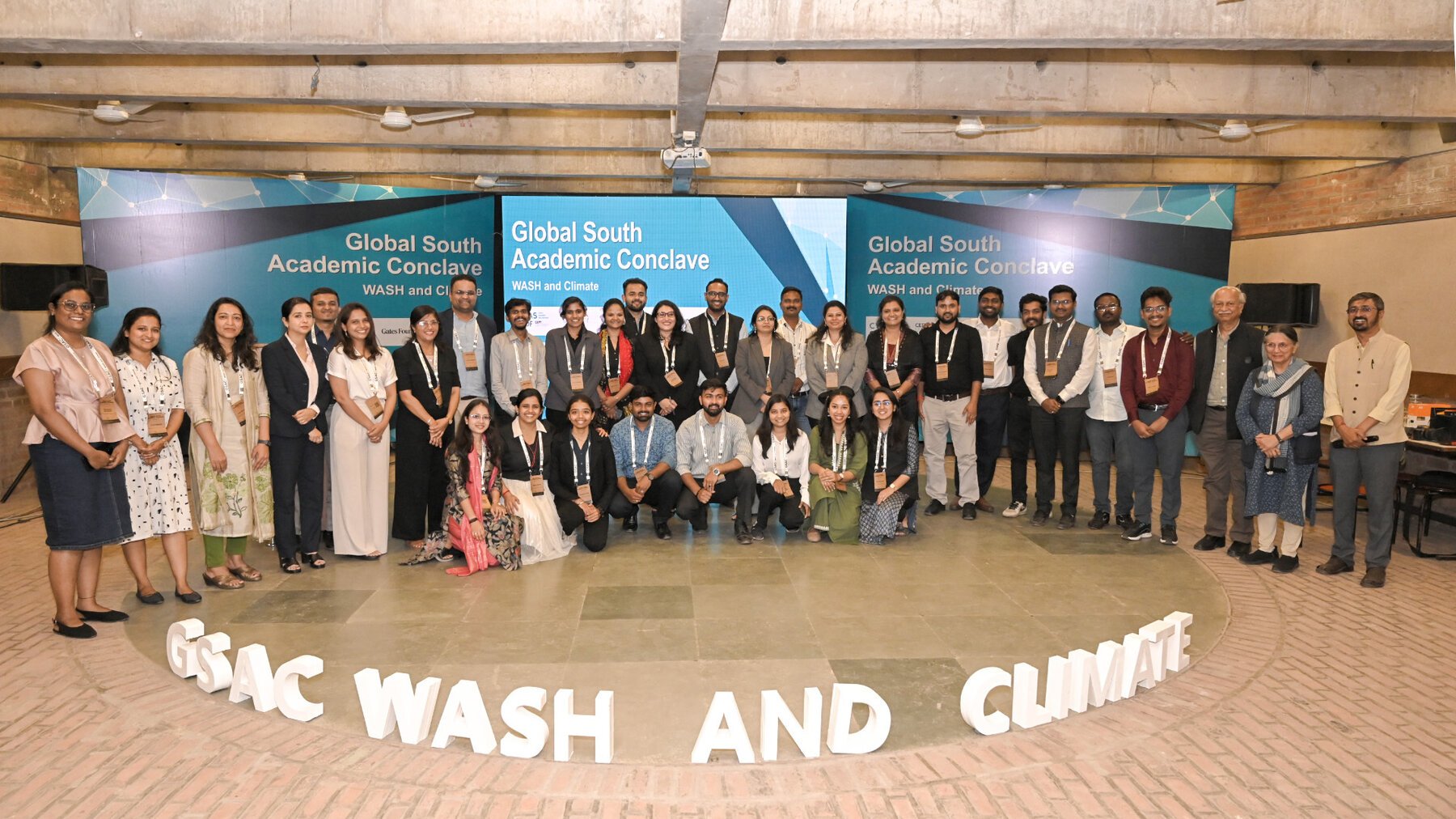
Global South Academic Conclave (GSAC) 2026: Rethinking Water and Sanitation for Climate Resilience

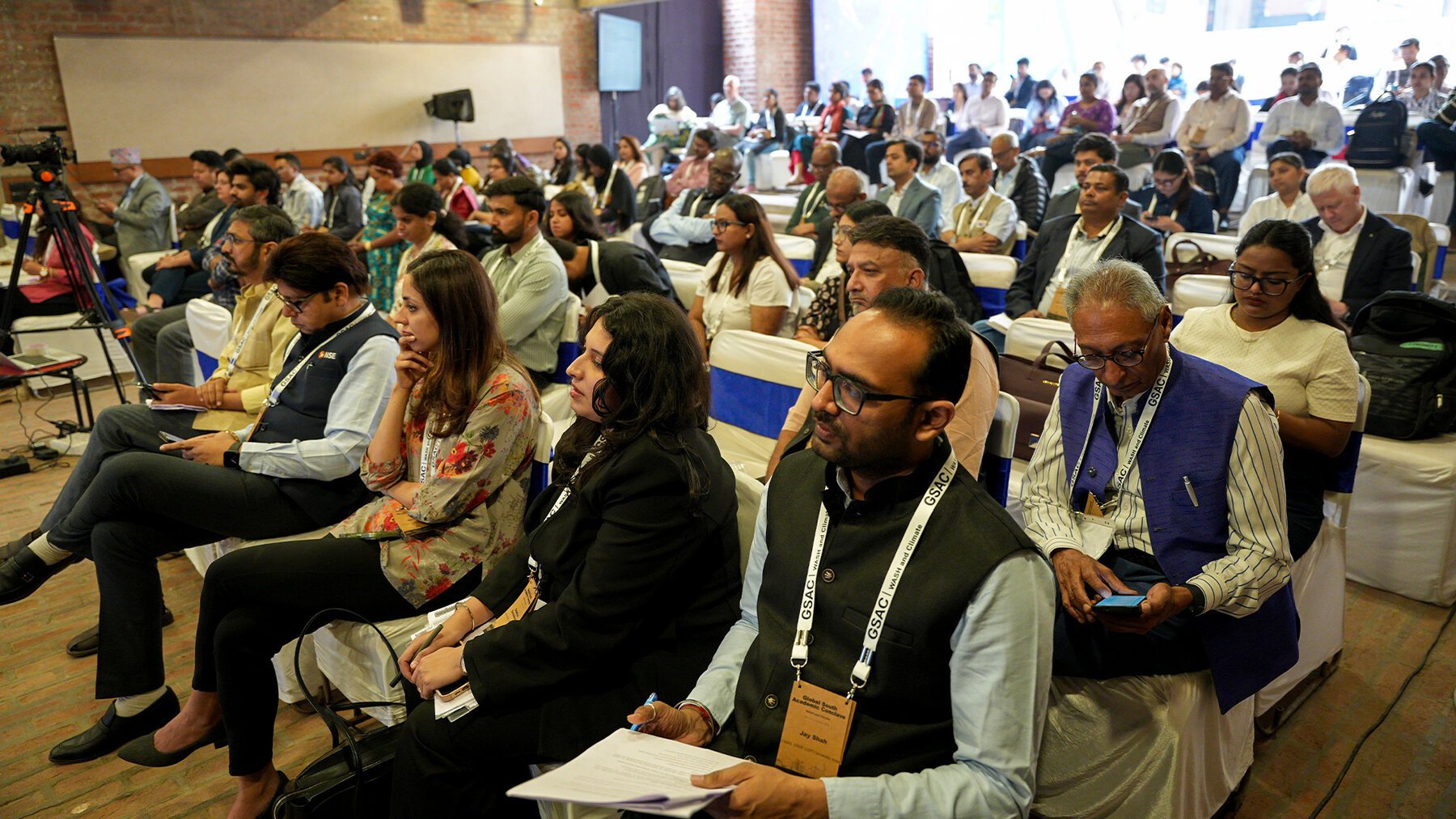
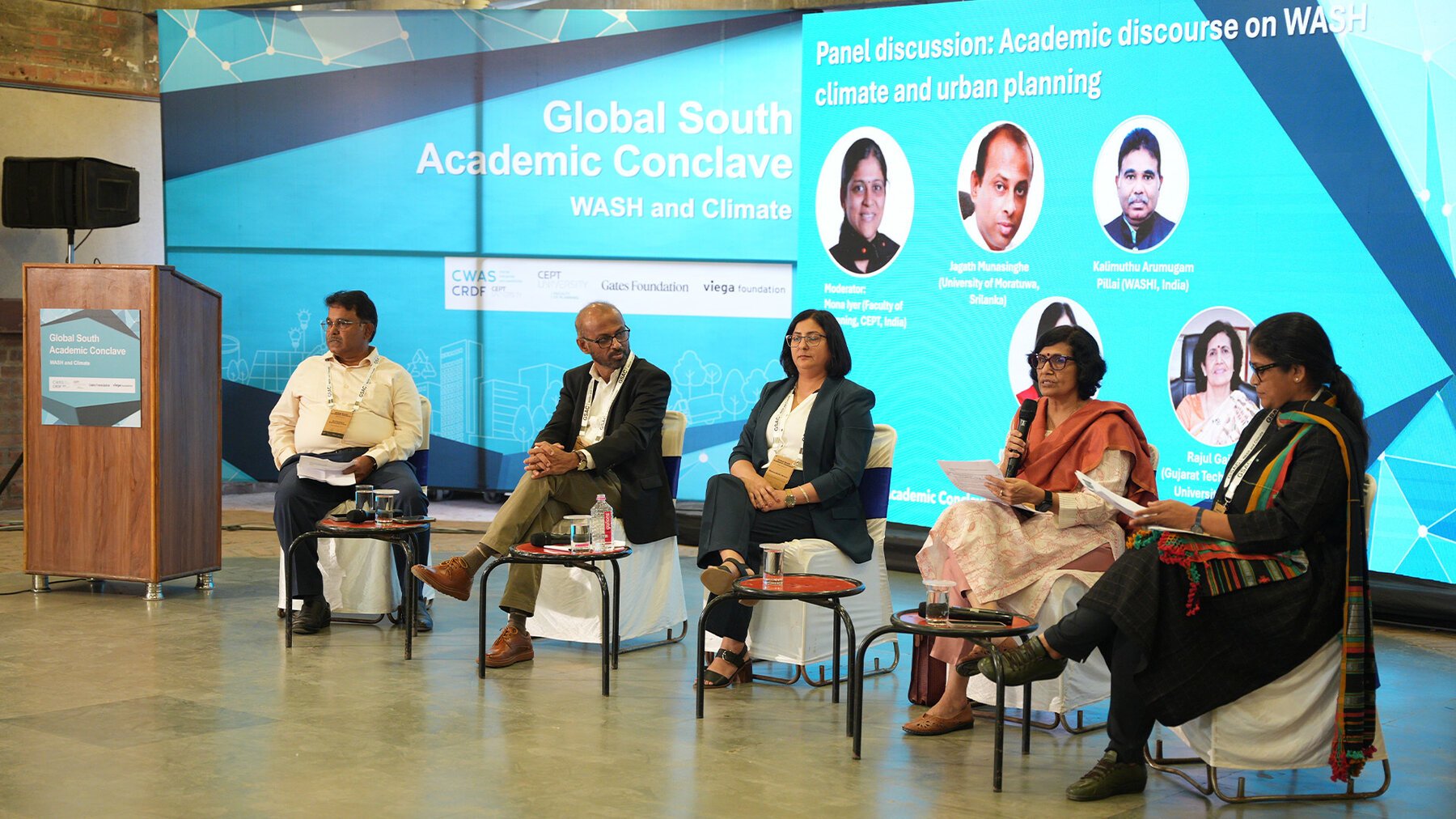
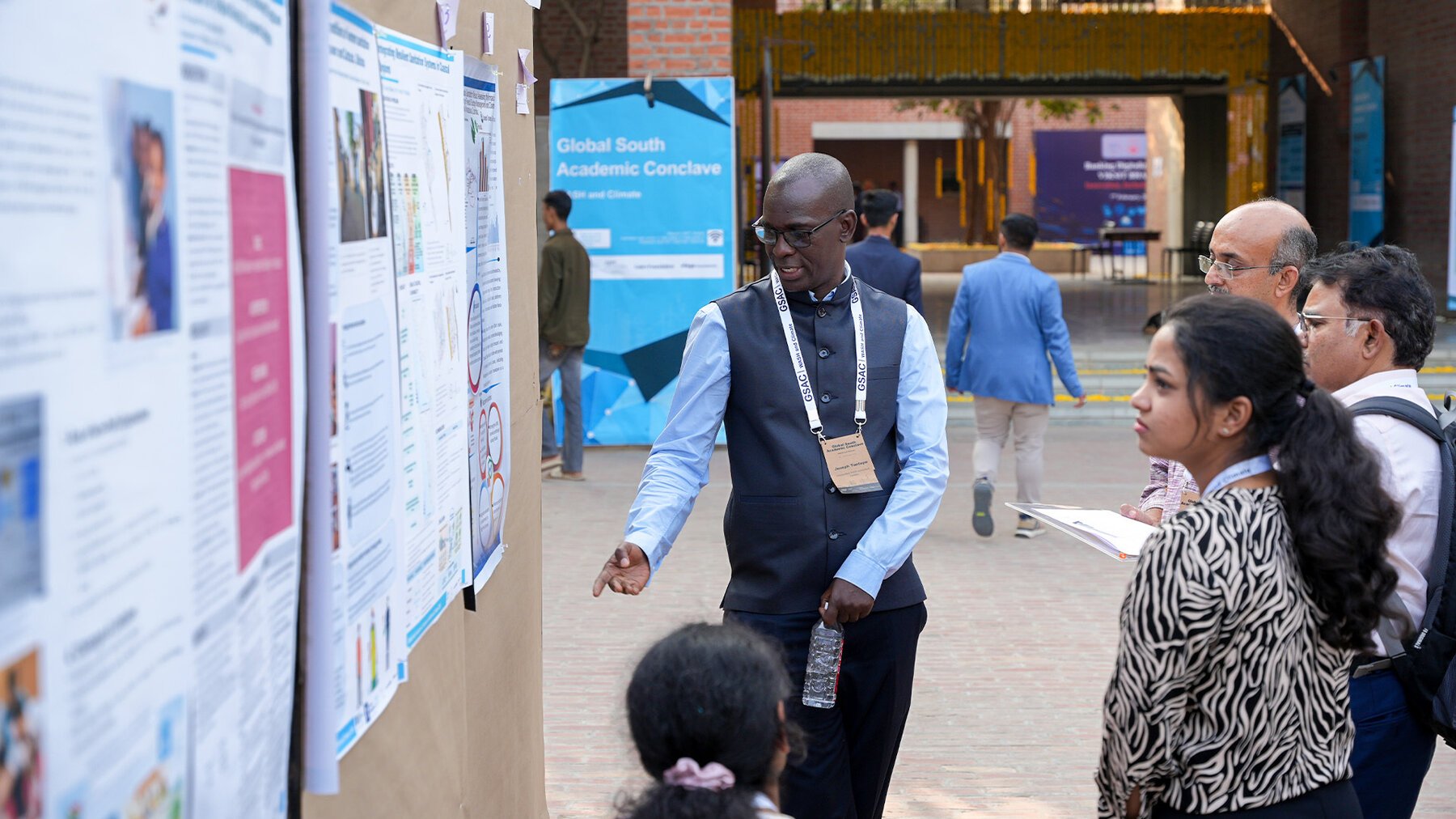
Over two days, the conclave featured six keynote speakers, Neeta Pokhrel (Asian Development Bank), Silver Mugisha (National Water and Sewerage Corporation, Uganda), Patrick Moriarty (IRC-WASH), Kate Medlicott (World Health Organization), Osward Chanda (African Development Bank), and Aloka Majumdar (HSBC India). The programme also included 23 experts across four panel discussions, Data-Driven Actions and Innovations for WASH and Climate Change; Water, Climate and Gender; Governance and Financing for Climate-Resilient and Inclusive WASH; and Academic Discourse on WASH, Climate and Urban Planning, along with more than 100 technical presentations (Verbal and Poster presentation), discussions emphasised a major shift from infrastructure-centric approaches to service-delivery systems and resilience for water and sanitation .
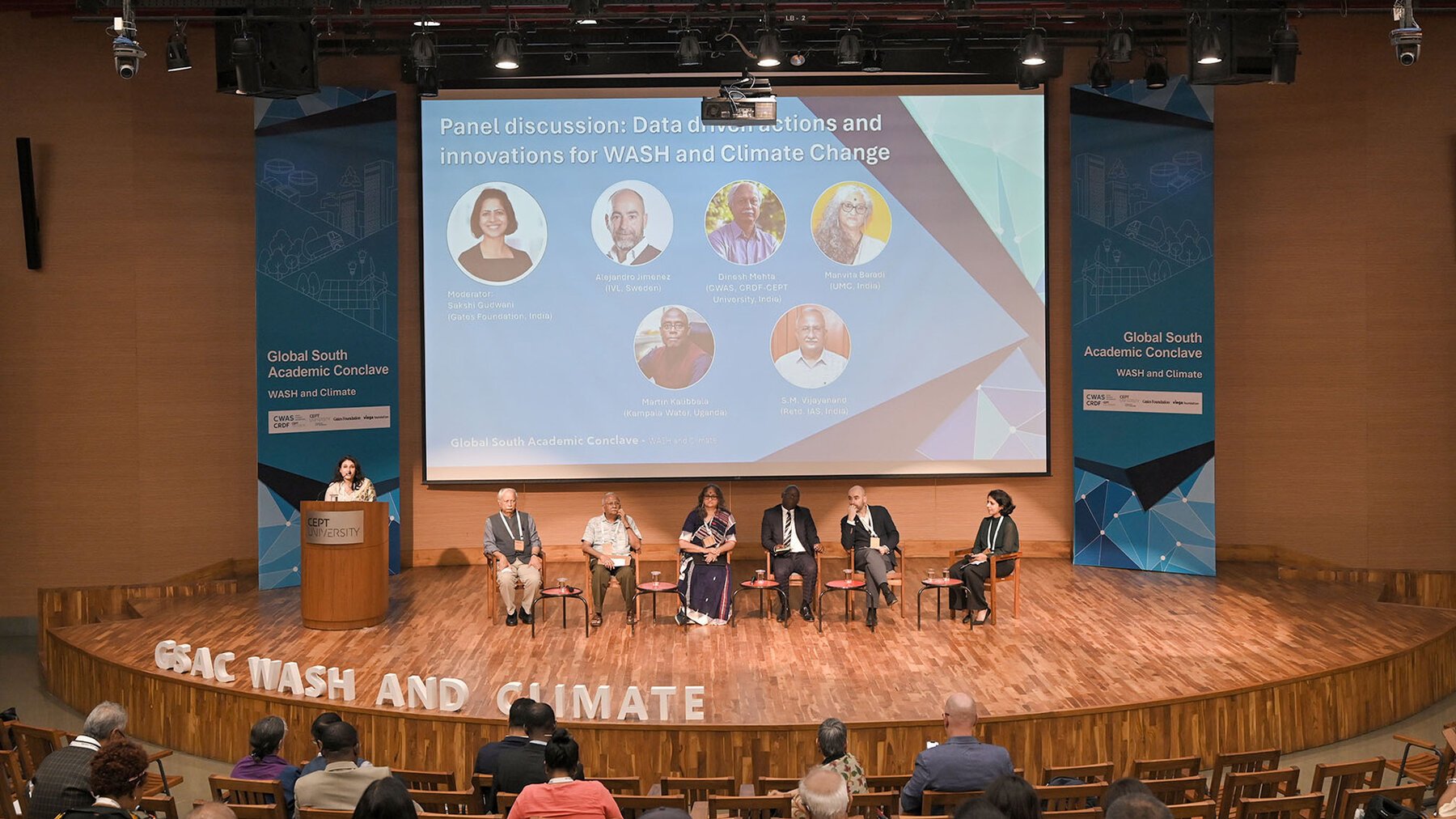
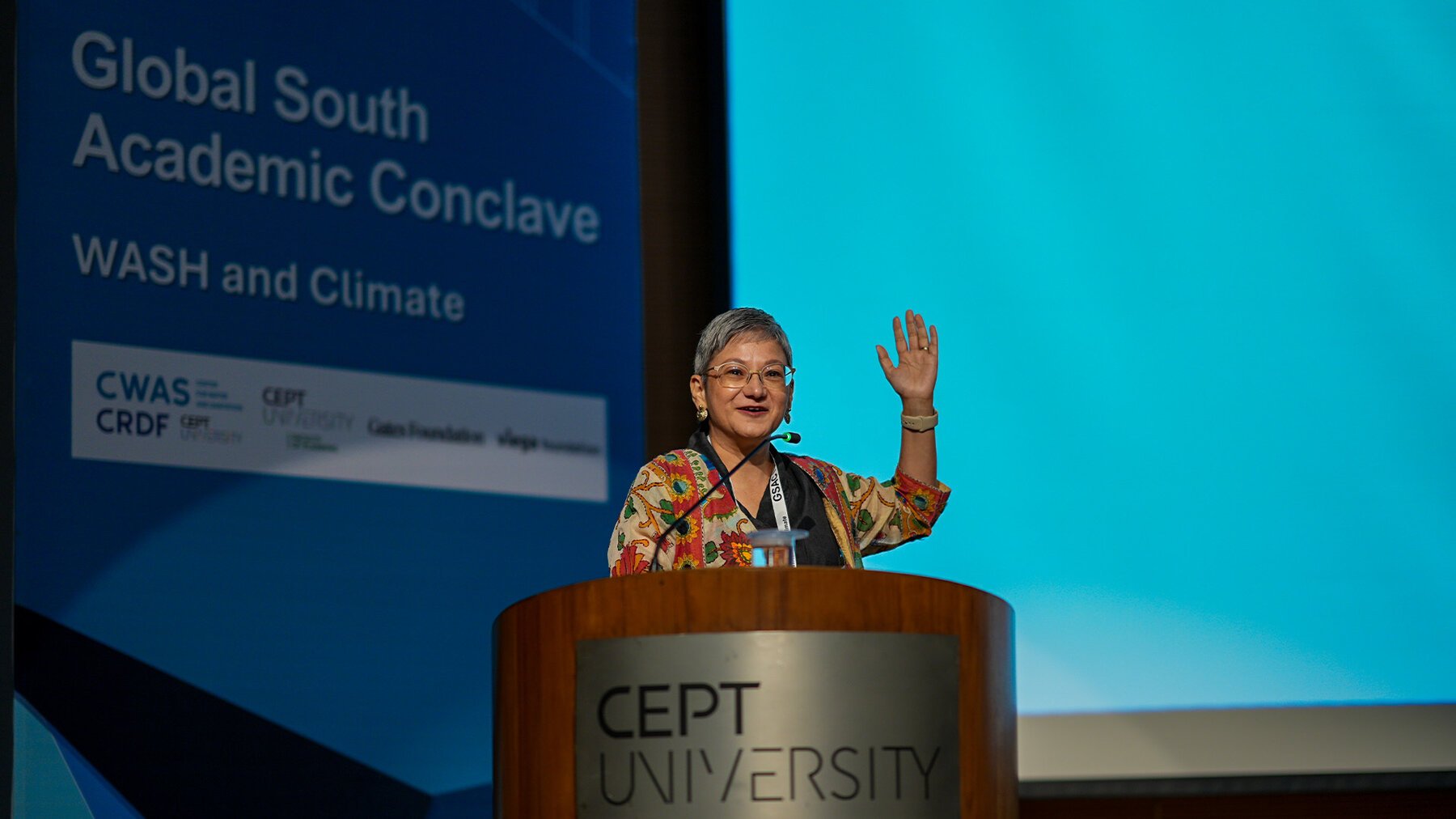
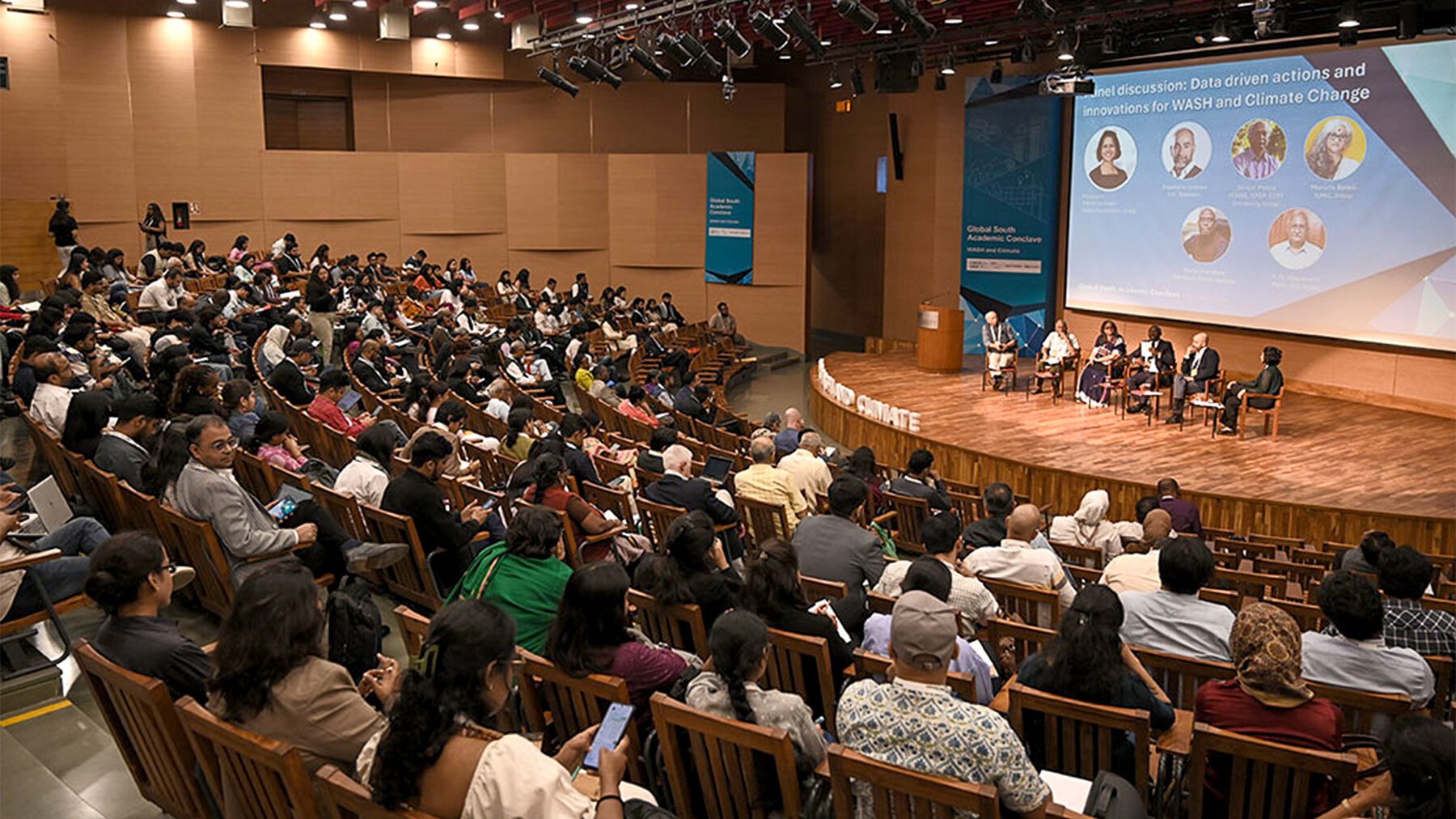
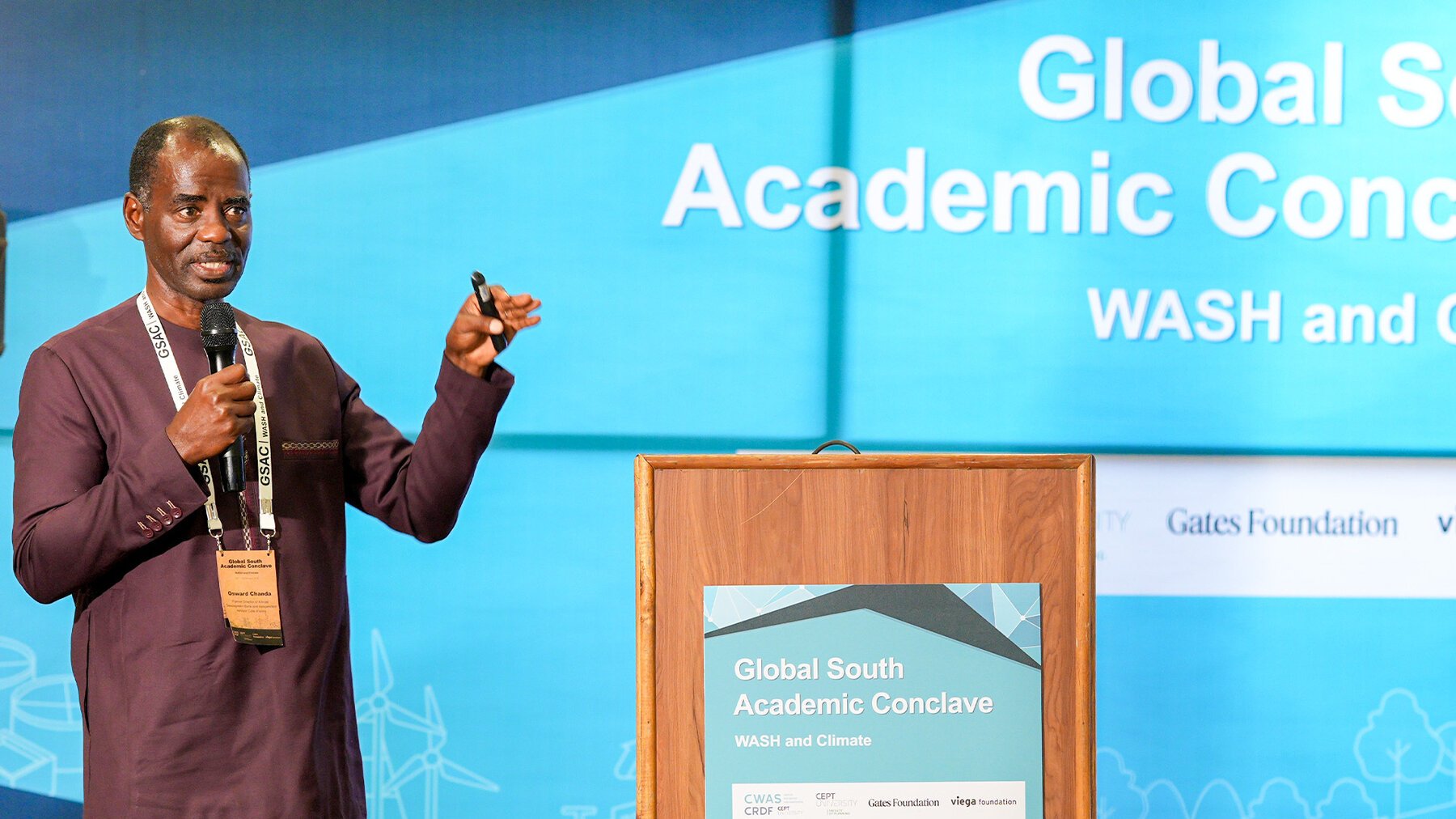
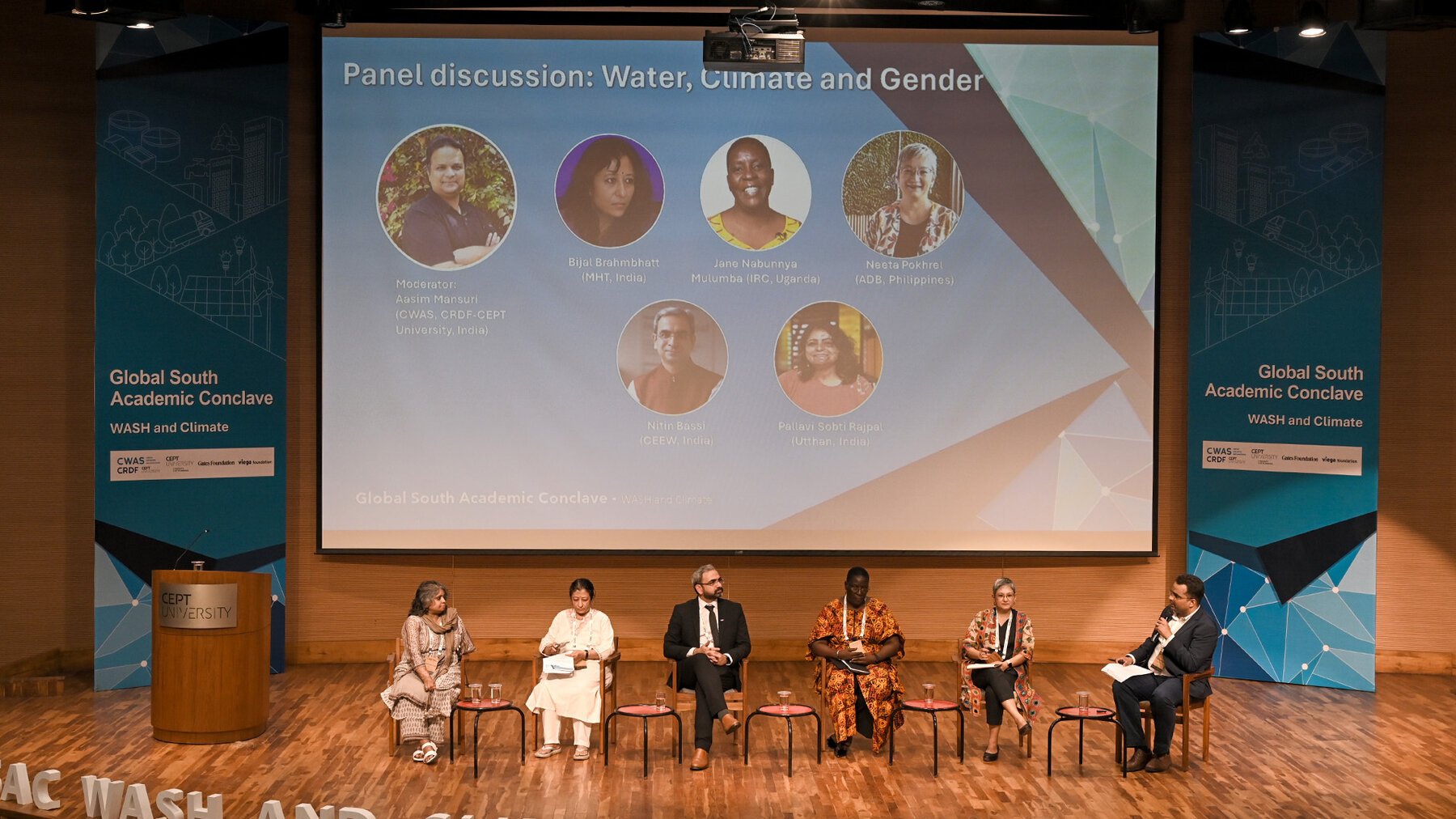
Speakers emphasised that building assets alone cannot ensure universal access; sustained service delivery requires strong institutions, accountable governance and coordinated policy frameworks. Trust between utilities and users, transparency in operations and measurable service outcomes were repeatedly identified as essential foundations.
Climate risks were discussed not only as environmental challenges but also as public health and economic concerns. Wastewater surveillance, sanitation safety planning and environmental monitoring were recognised as key tools for addressing emerging threats such as disease outbreaks and antimicrobial resistance. The discussions further stressed that women and vulnerable communities experience disproportionate climate impacts, making gender-responsive planning and inclusive data systems necessary for equitable adaptation.
A recurring theme was that resilient water systems depend on healthy ecosystems. Protecting wetlands, catchments and water sources was framed as a governance priority requiring leadership, regulation and community participation rather than purely technical solutions. Participants also called for improved use of data, shifting from reporting inputs to measuring resilience outcomes using digital technologies and participatory planning.
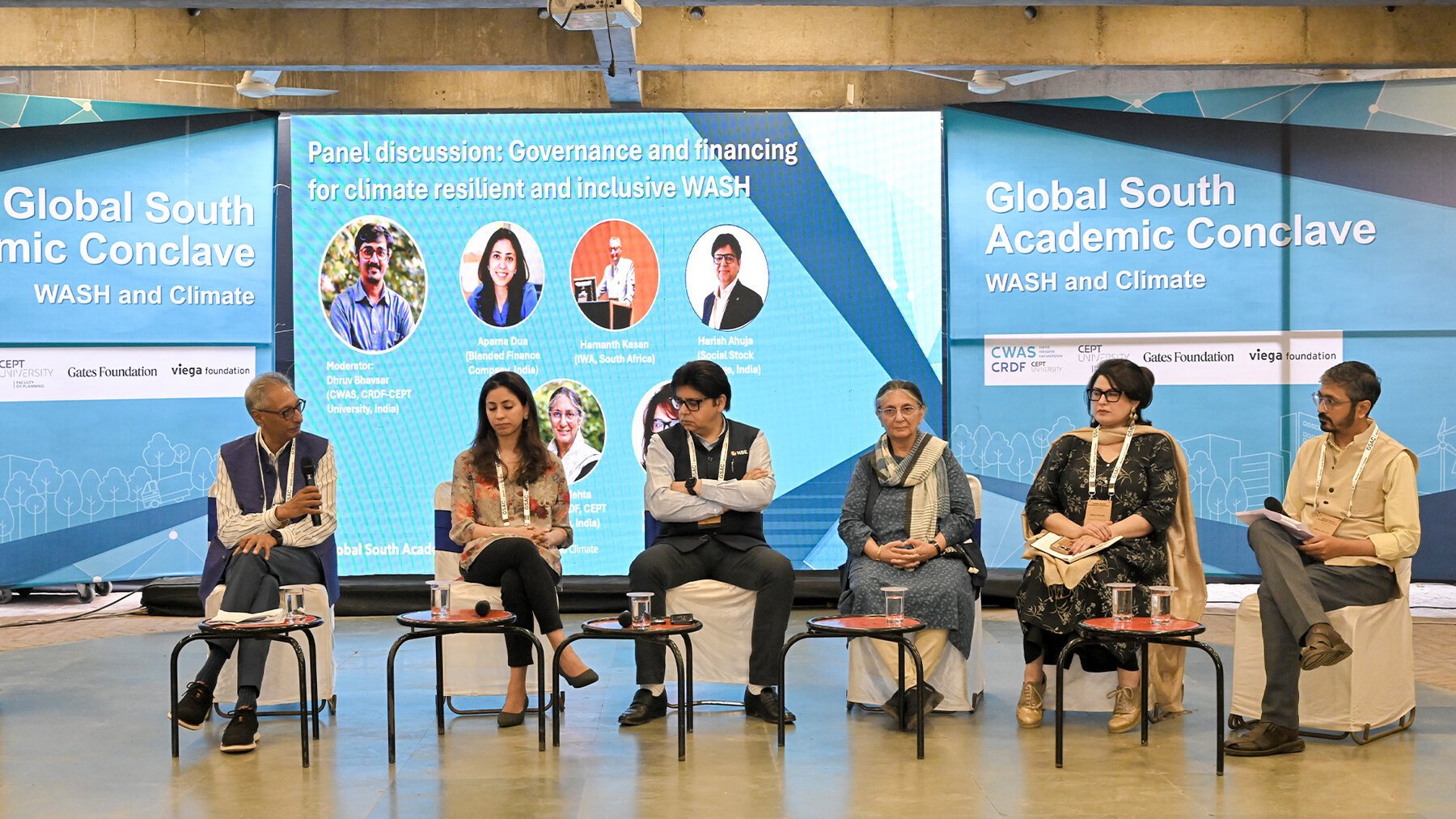
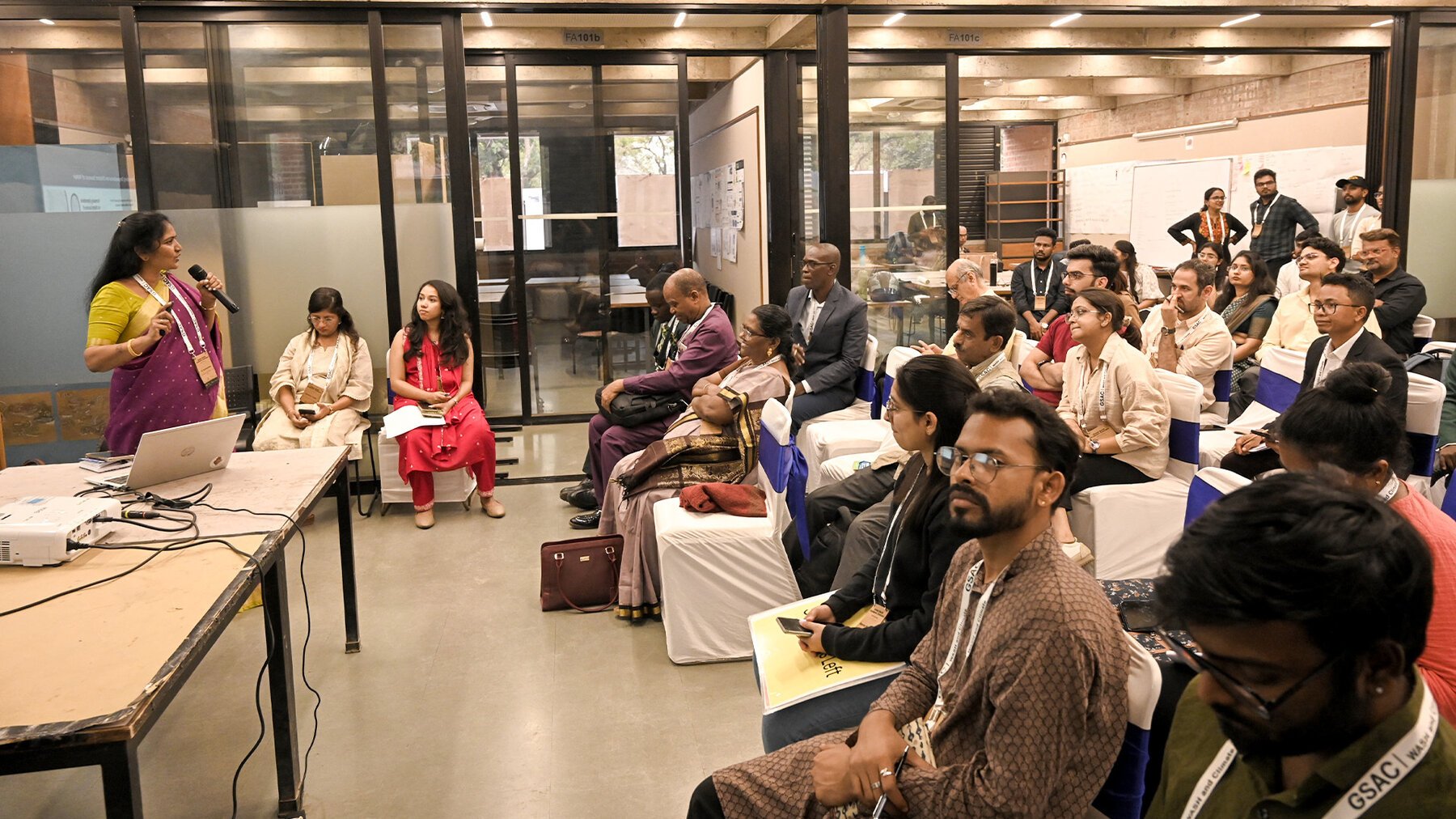
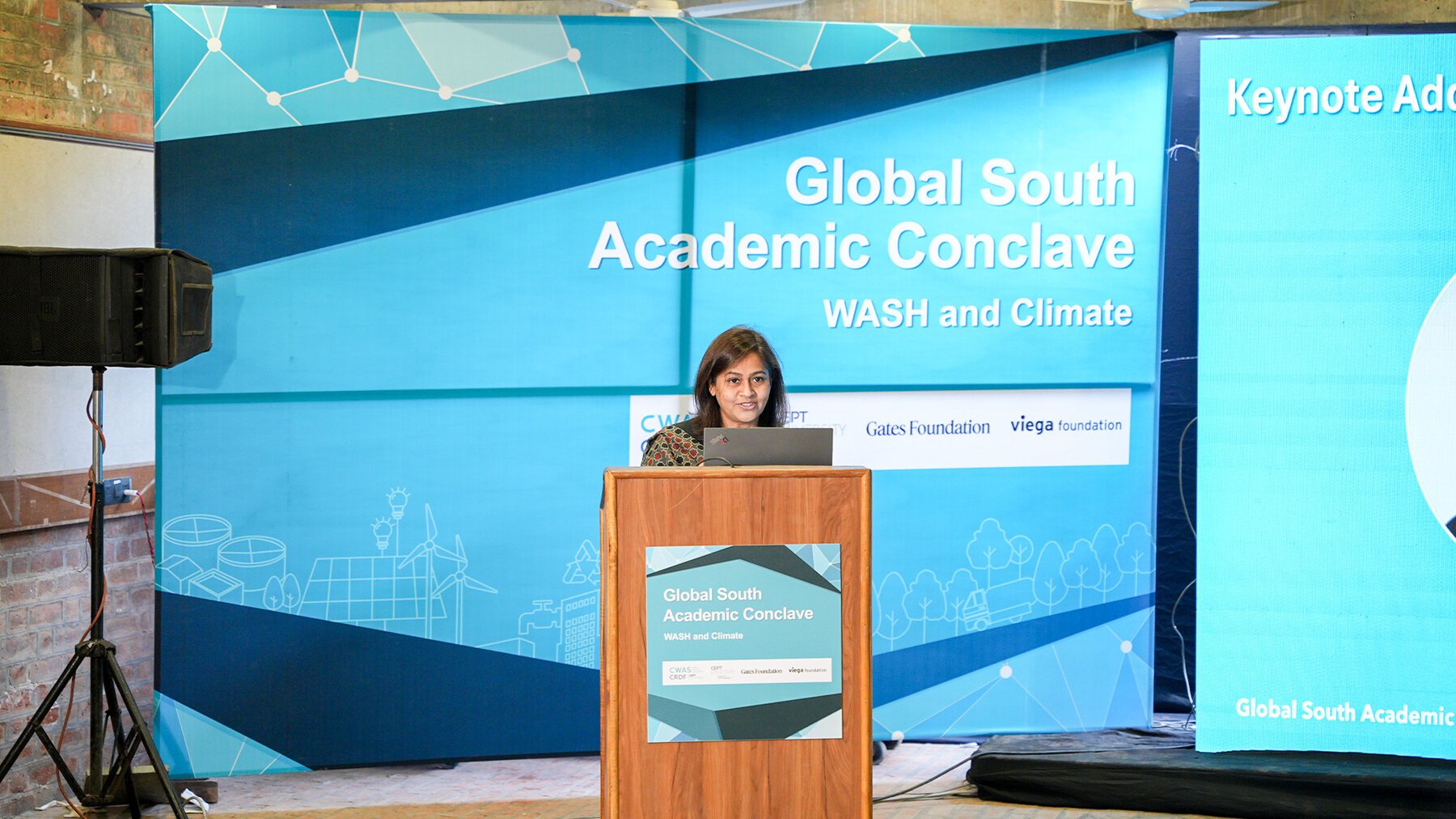
On financing, the conclave concluded that capital availability is not the main constraint; institutional readiness and regulatory certainty are. Blended finance, municipal borrowing and private investment can be mobilised when governance systems are credible and performance is transparent.
GSAC 2026 reinforced that climate-resilient WASH systems require political priority, capable institutions, evidence-based planning and structured financing. The Global South can lead innovation by integrating governance, public health, ecosystems and finance into a unified approach to climate-resilient WASH services.