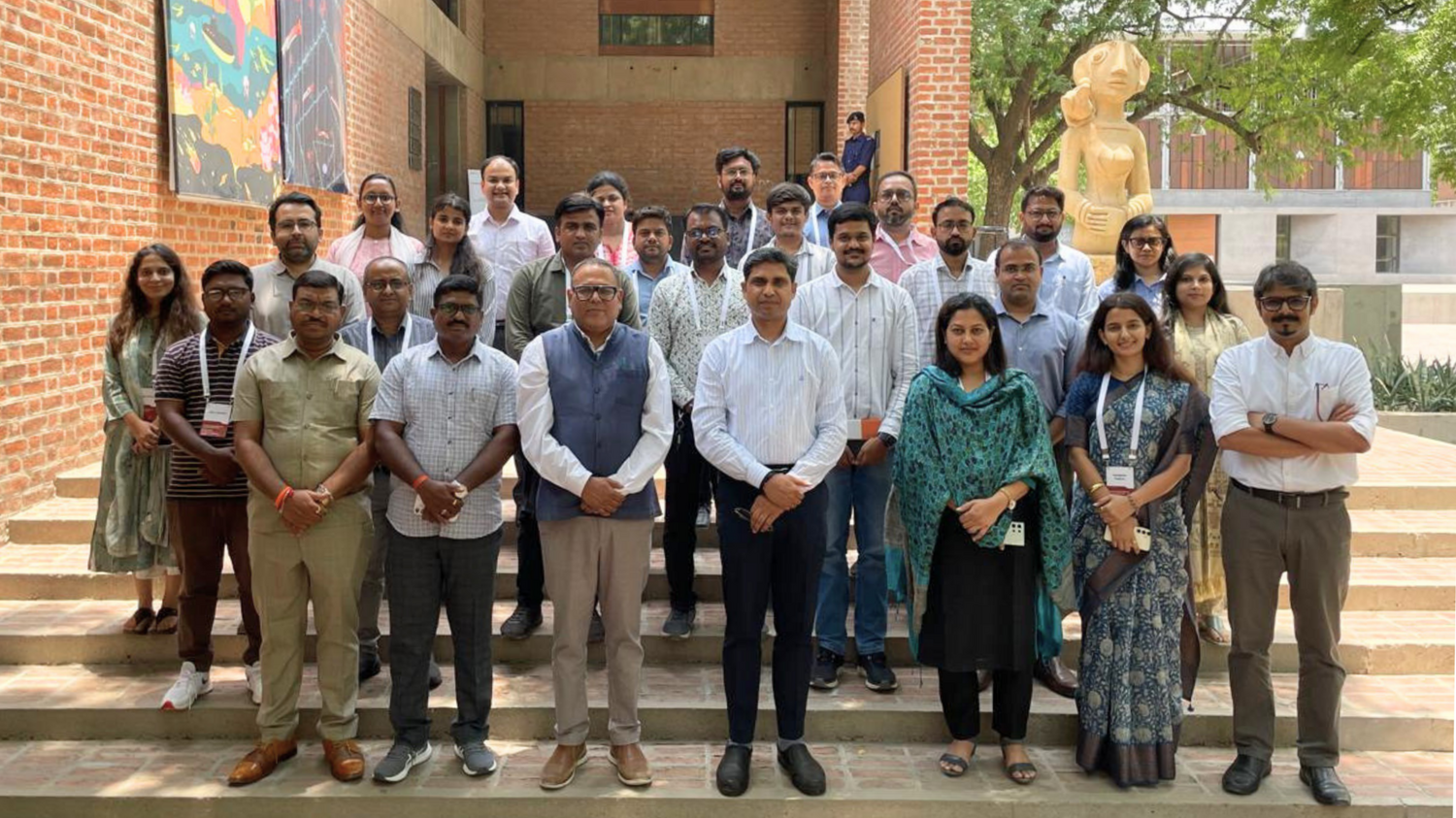
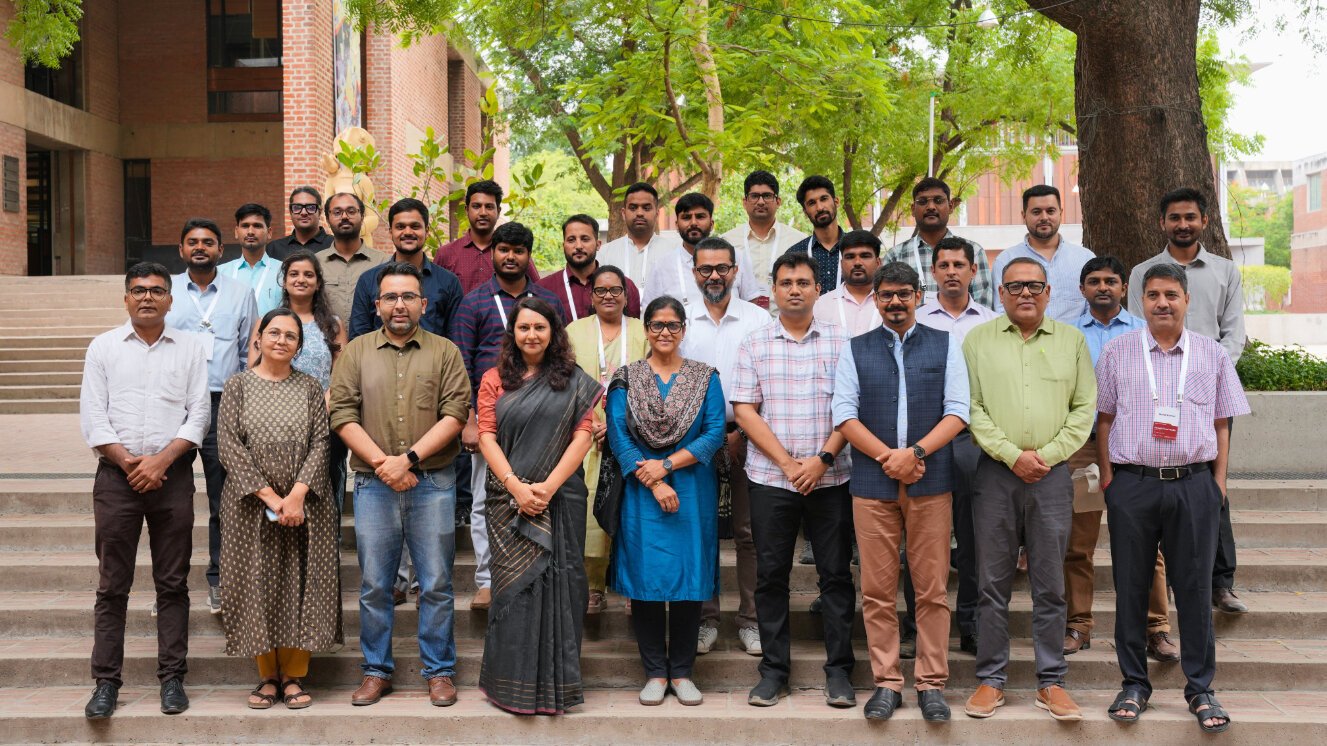
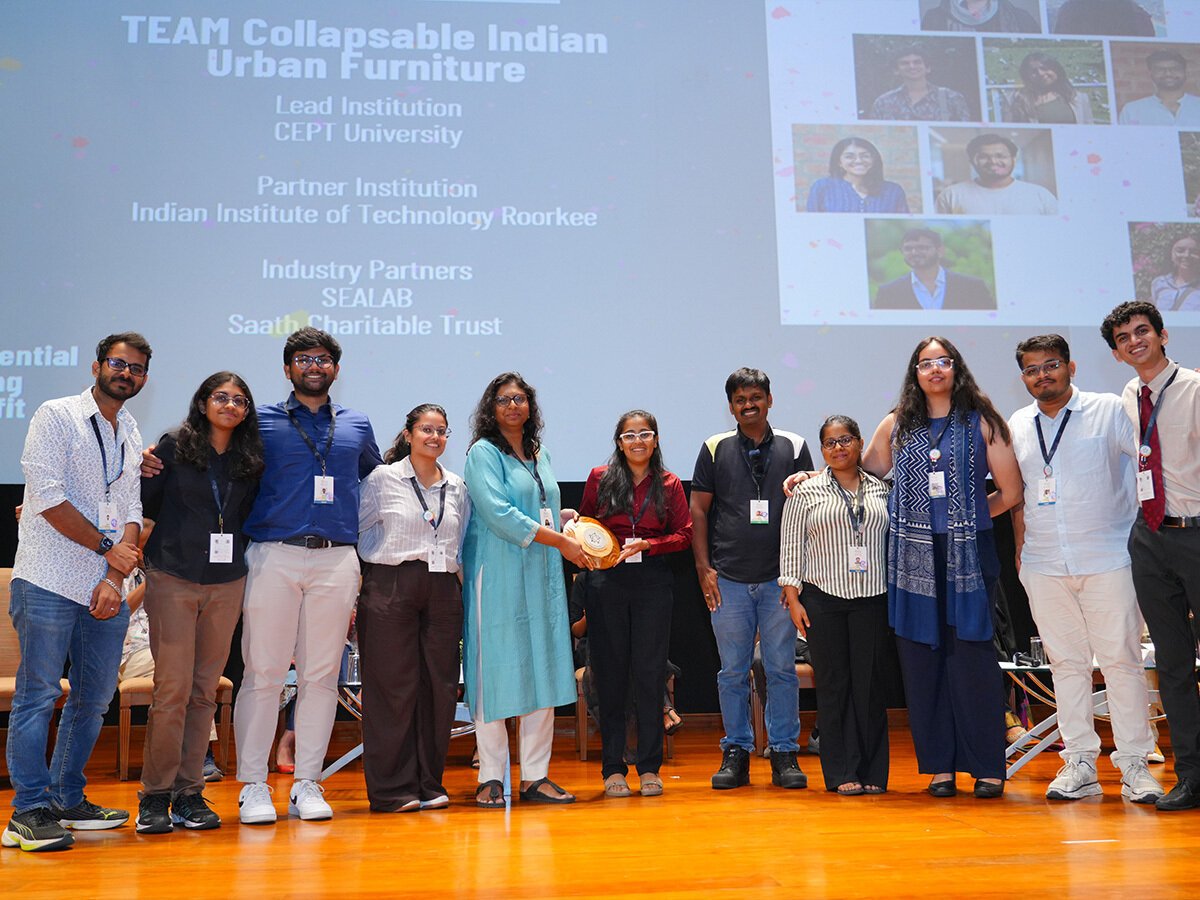
The program was conducted in three batches — March 23 – 27, 2026 (Batches 1 & 2) and April 15 – 19, 2026 (Batch 3) — and emphasized experiential, studio-based, and outcome-focused teaching methodologies to enhance civil engineering education. Faculty members from diverse subdomains including Structures, Water Resources, Geotechnical Engineering, Transportation Engineering, and Construction Materials and Technology participated, gaining insights into contemporary teaching practices and pedagogical innovations.
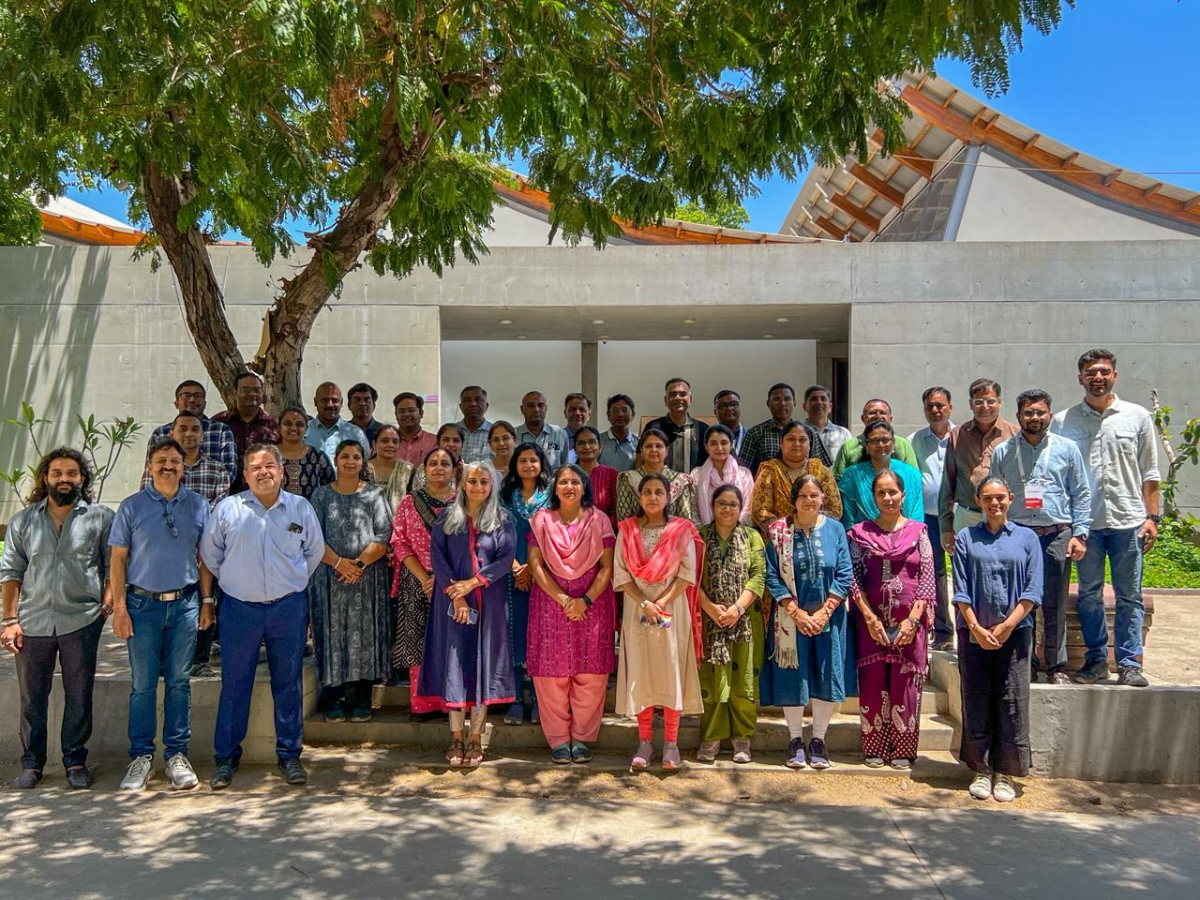
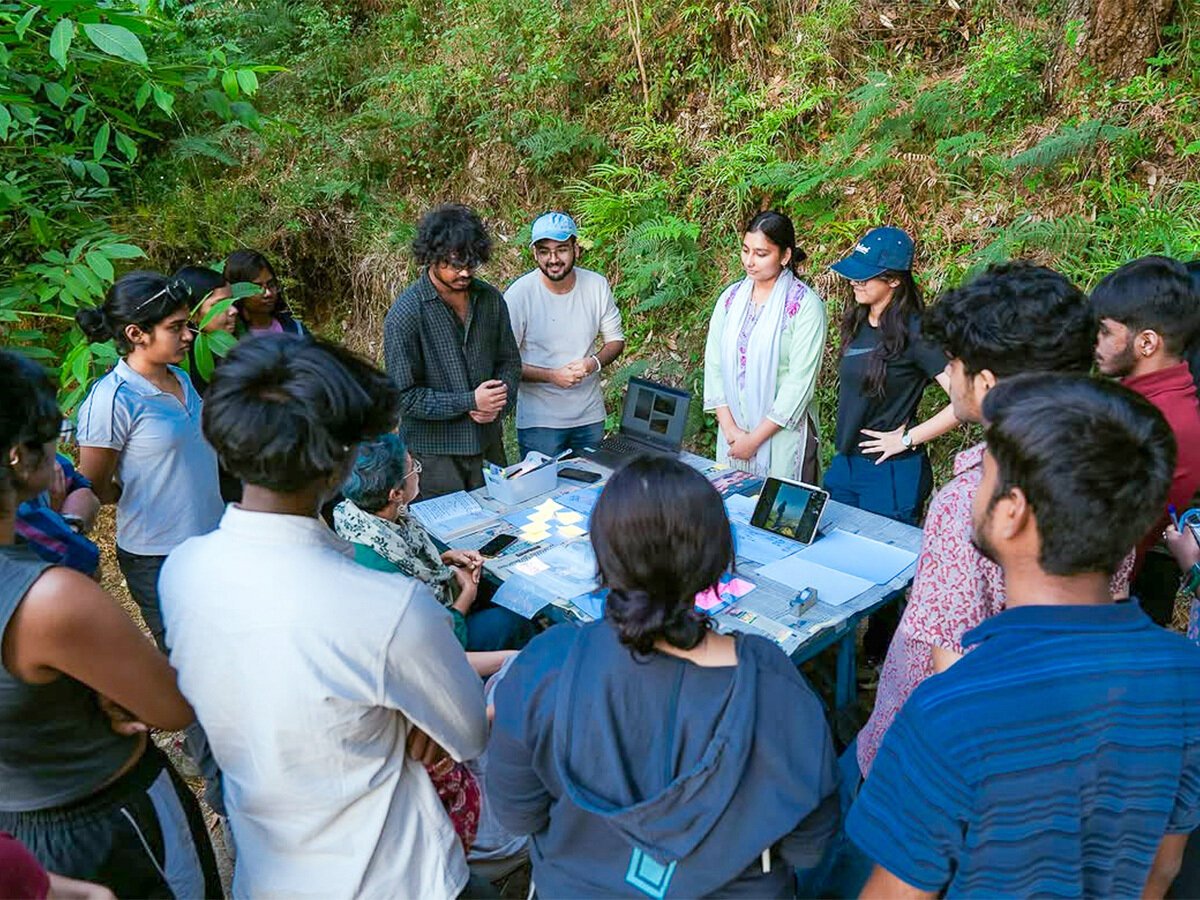
The Faculty Development Program (FDP) offered a comprehensive exploration of Civil Engineering and Applied Mechanics, equipping faculty members with contemporary pedagogical tools to enhance teaching and learning. Educators participated in collaborative workshops that demonstrated how studio-based and hands-on learning can ground complex theories in real-world applications.
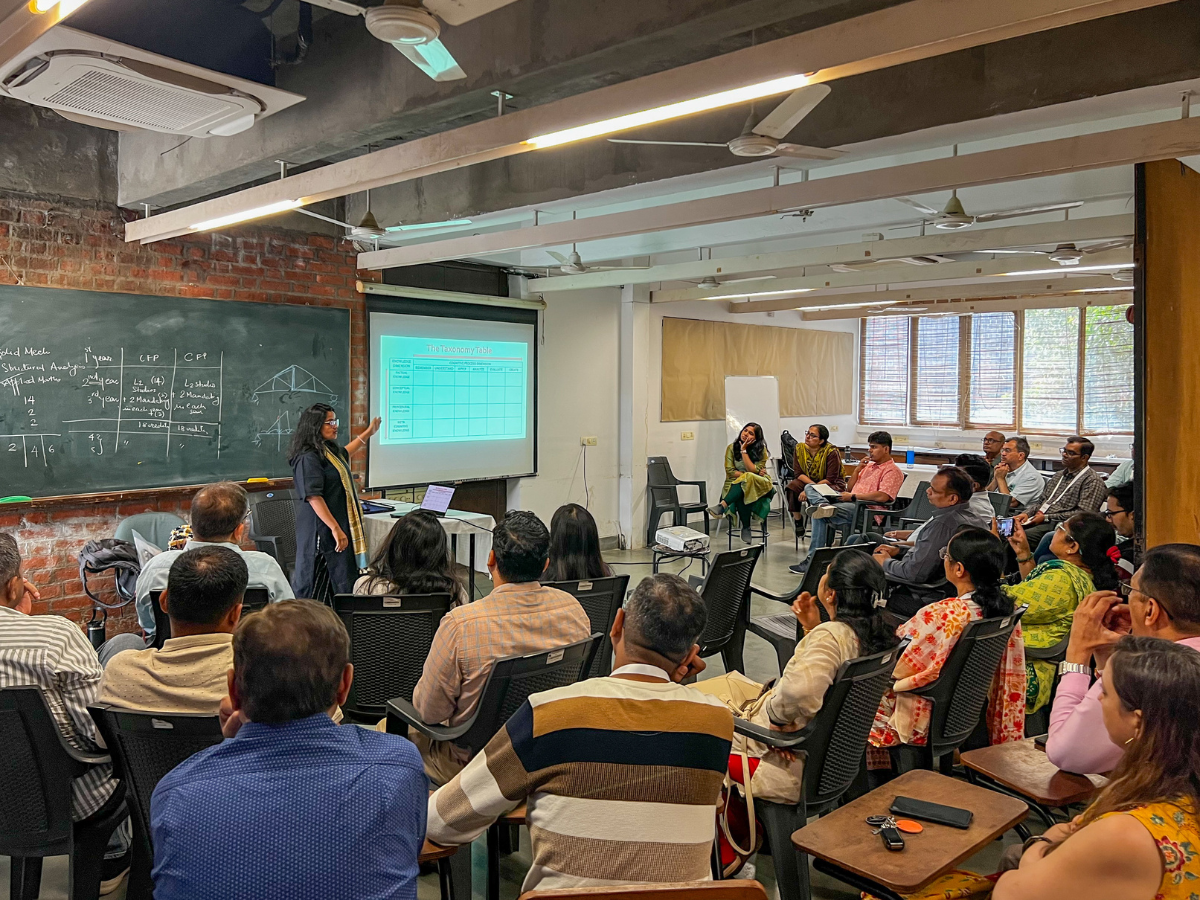
A key highlight was the integration of Outcome-Based Education (OBE) frameworks, with interactive sessions connecting course design to industry requirements.
Batch Highlights:
Batches 1 & 2 (March 23 – 27, 2026)
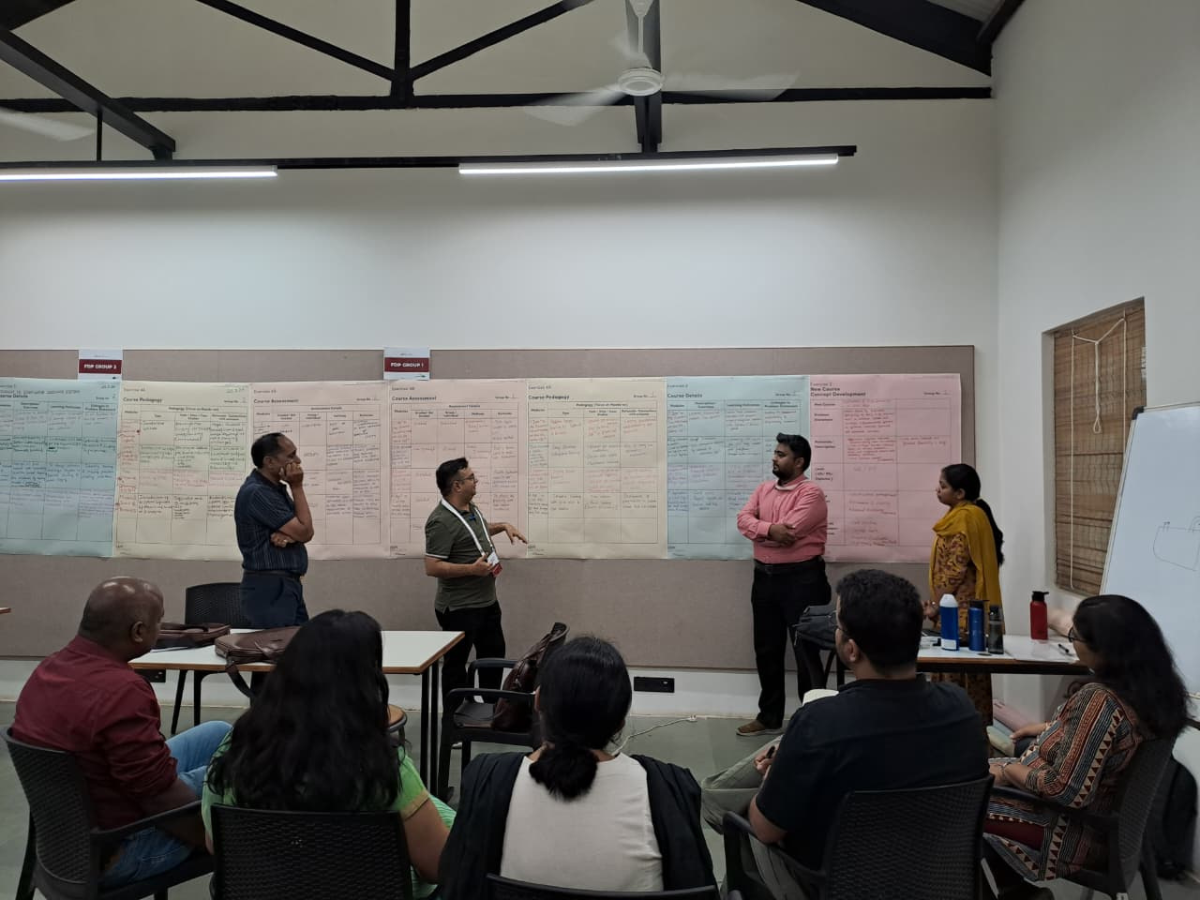
The first two batches focused on faculty members from the Water Resources and Structural Engineering domains. A total of thirty-nine participants from 16 Government Engineering Colleges engaged in expert-led sessions, hands-on group exercises, and collaborative problem-solving activities. Participants documented existing courses, designed problem statements, and aligned learning outcomes, with emphasis on Outcome-Based Education (OBE), studio-inspired experiential learning, and interdisciplinary problem-solving skills.
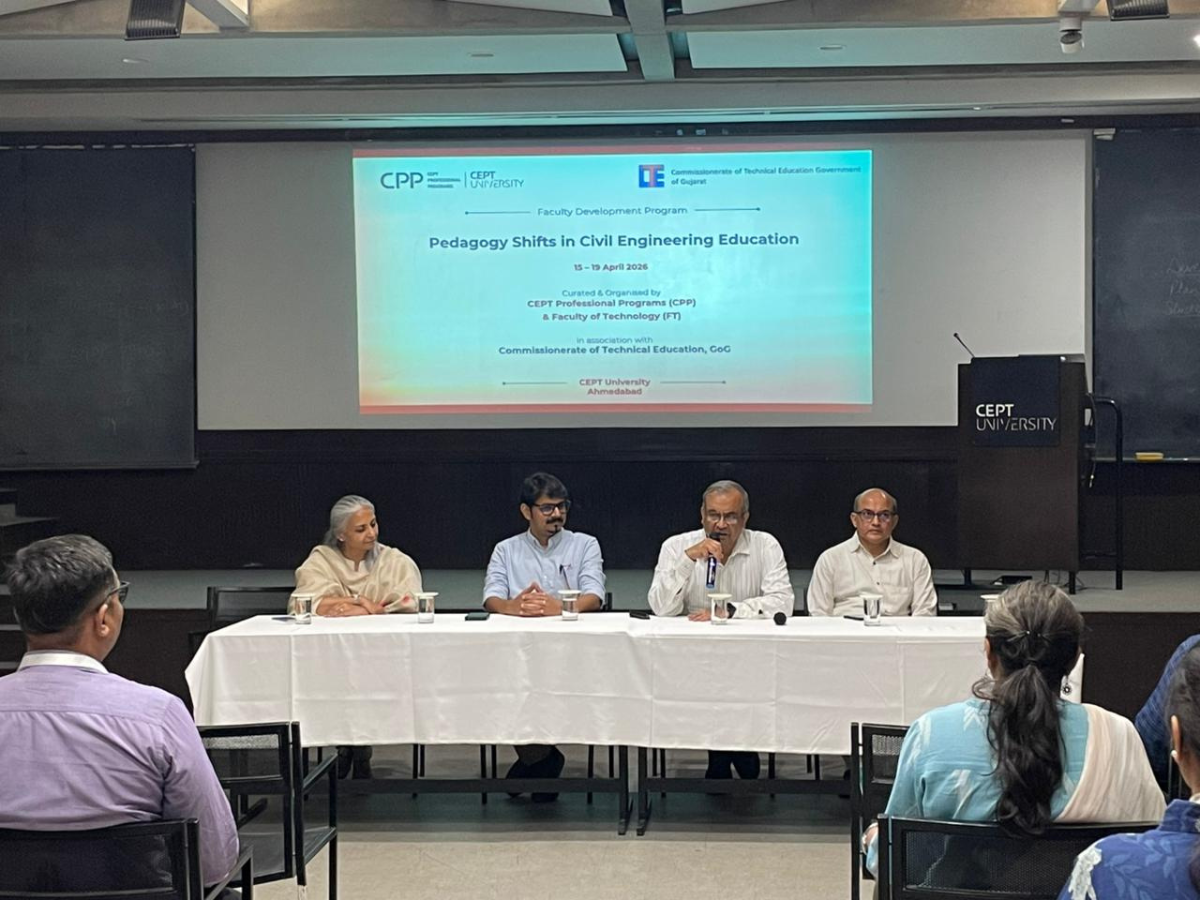
Batch 3 (April 15 – 19, 2026)
Thirty-six participants from 20 colleges explored Civil Engineering Materials and Technology through a hands-on learning approach. The program emphasized material innovation and integrating theory with real-world applications, while reinforcing outcome-based teaching practices to strengthen instructional effectiveness.
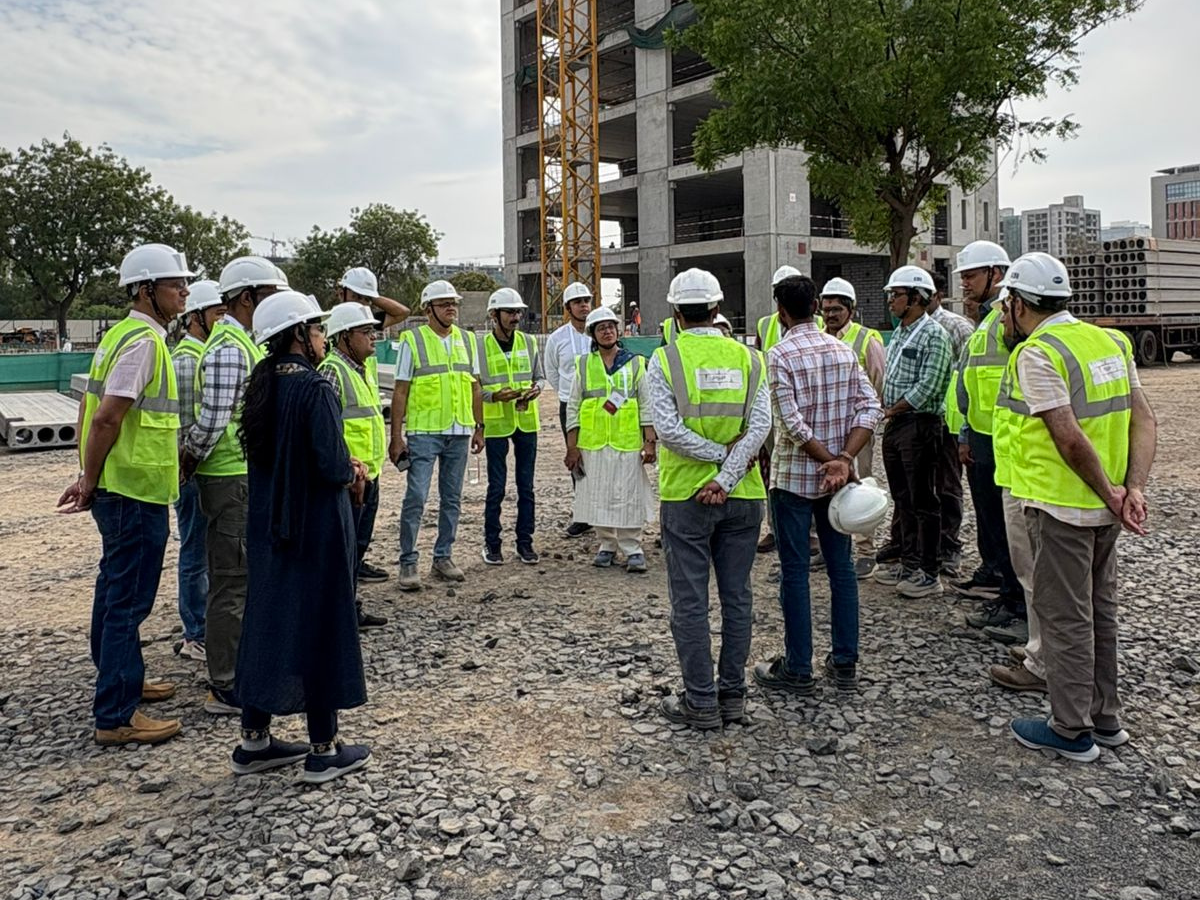
Thematic Focus Areas included Structural Health & Monitoring, Urban Infrastructure, Water & Environmental Systems, and Building Services, complemented by site visits, studio tours, and student exhibitions.
By the conclusion of the FDP, participants were equipped to design and deliver curricula that build practical competencies, marking a step forward in preparing academically proficient and industry-ready engineering graduates.