About the project
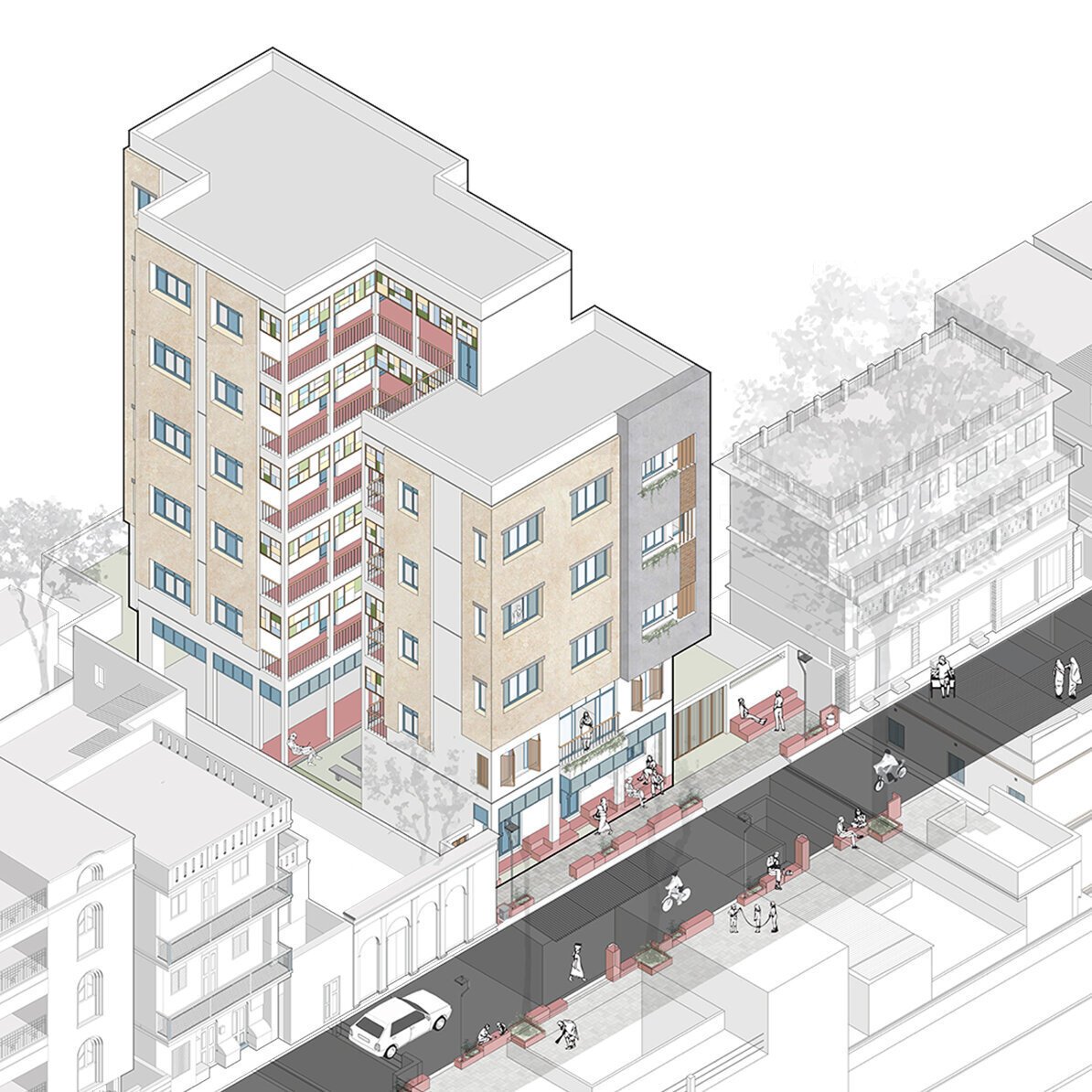
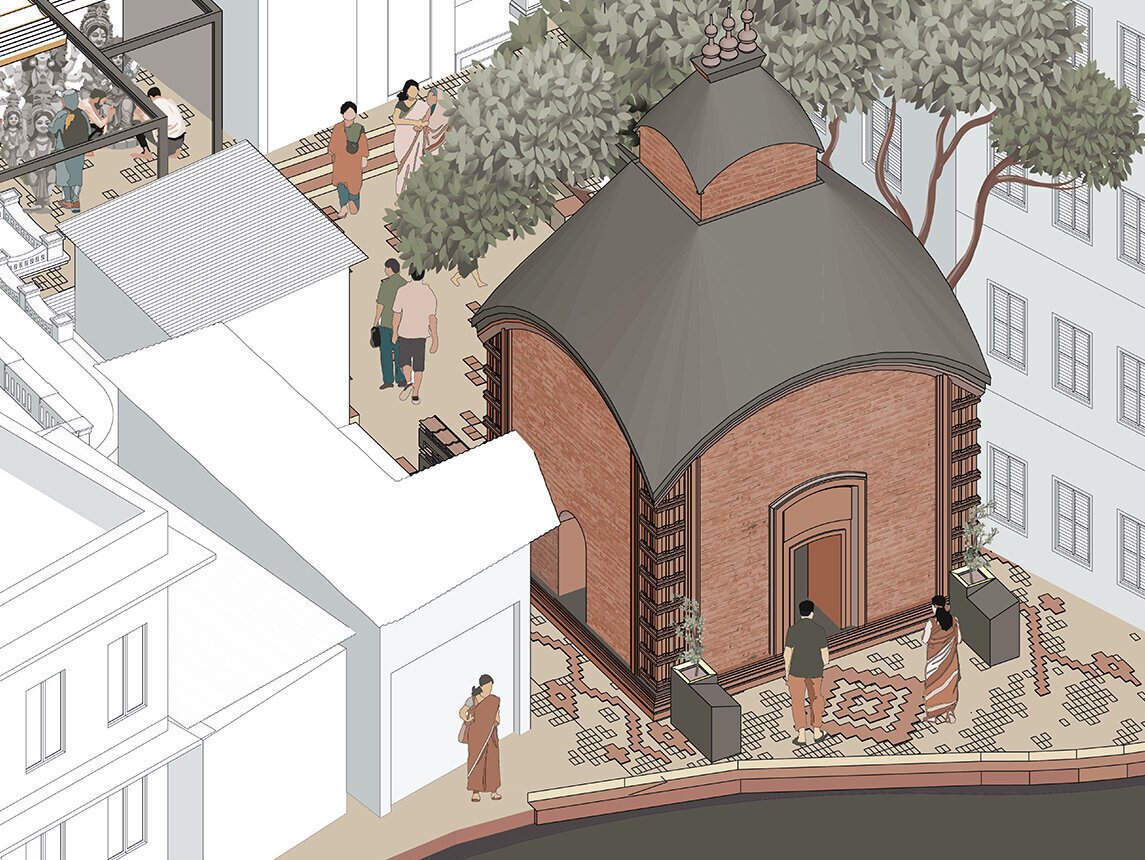
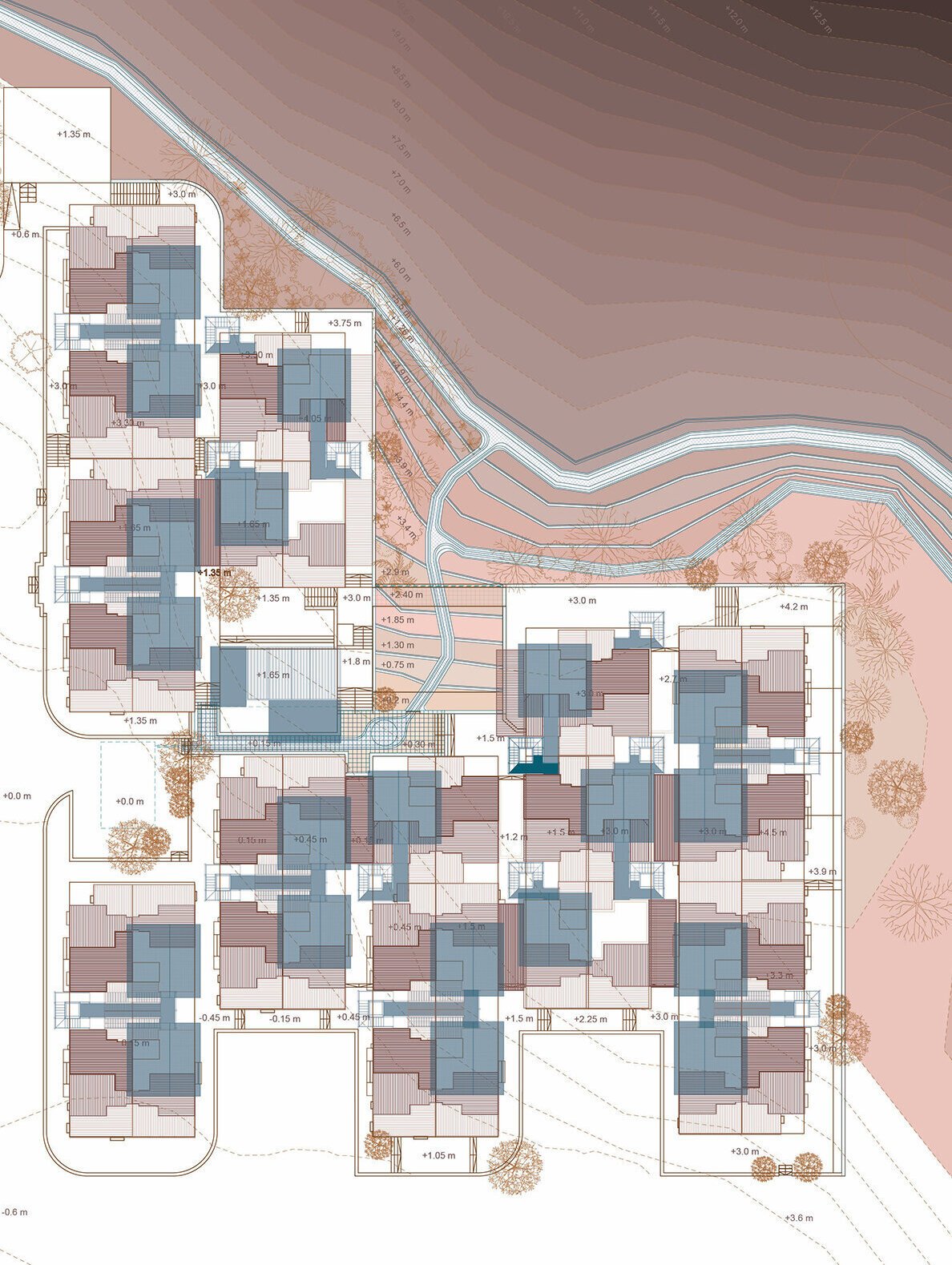
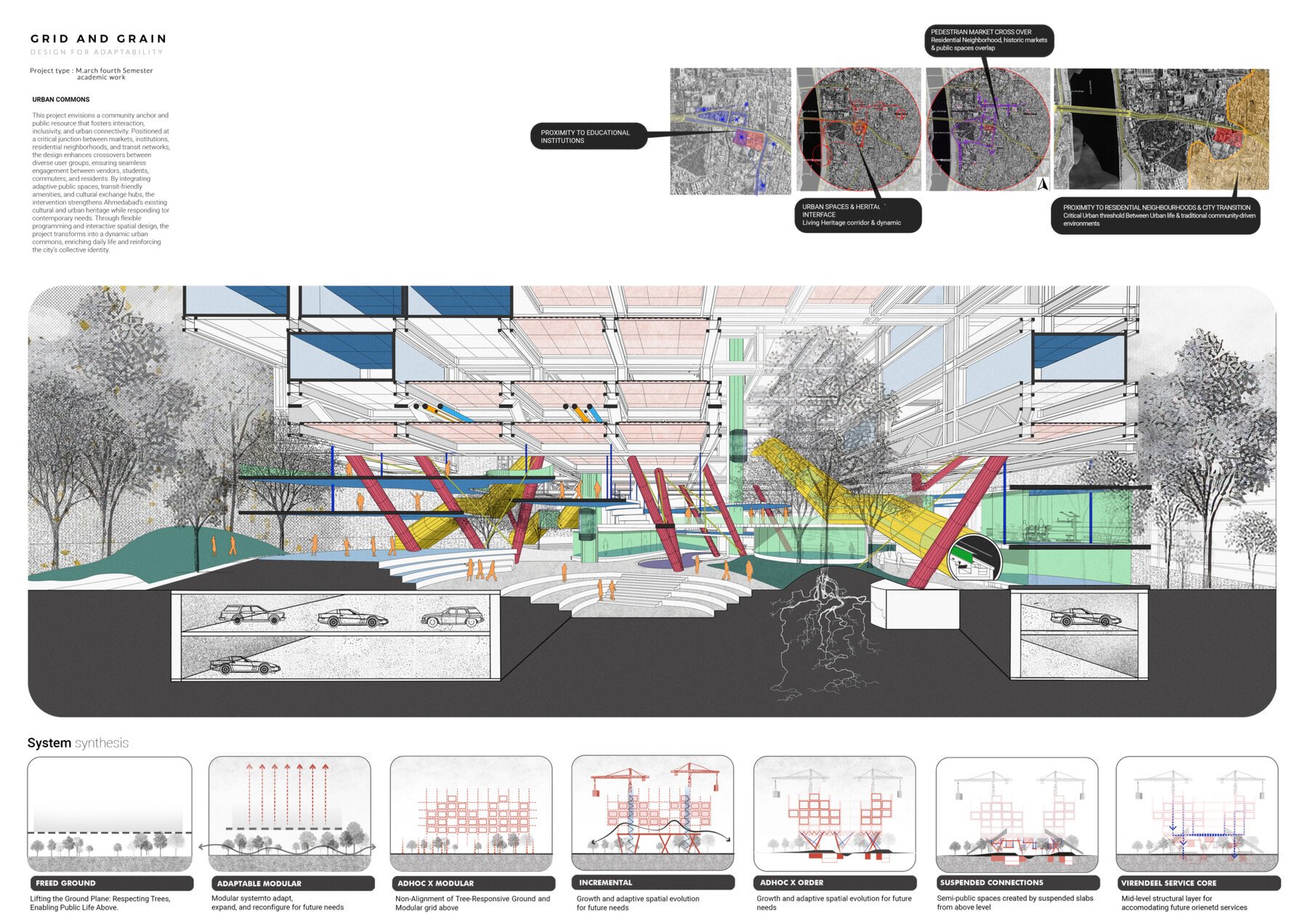
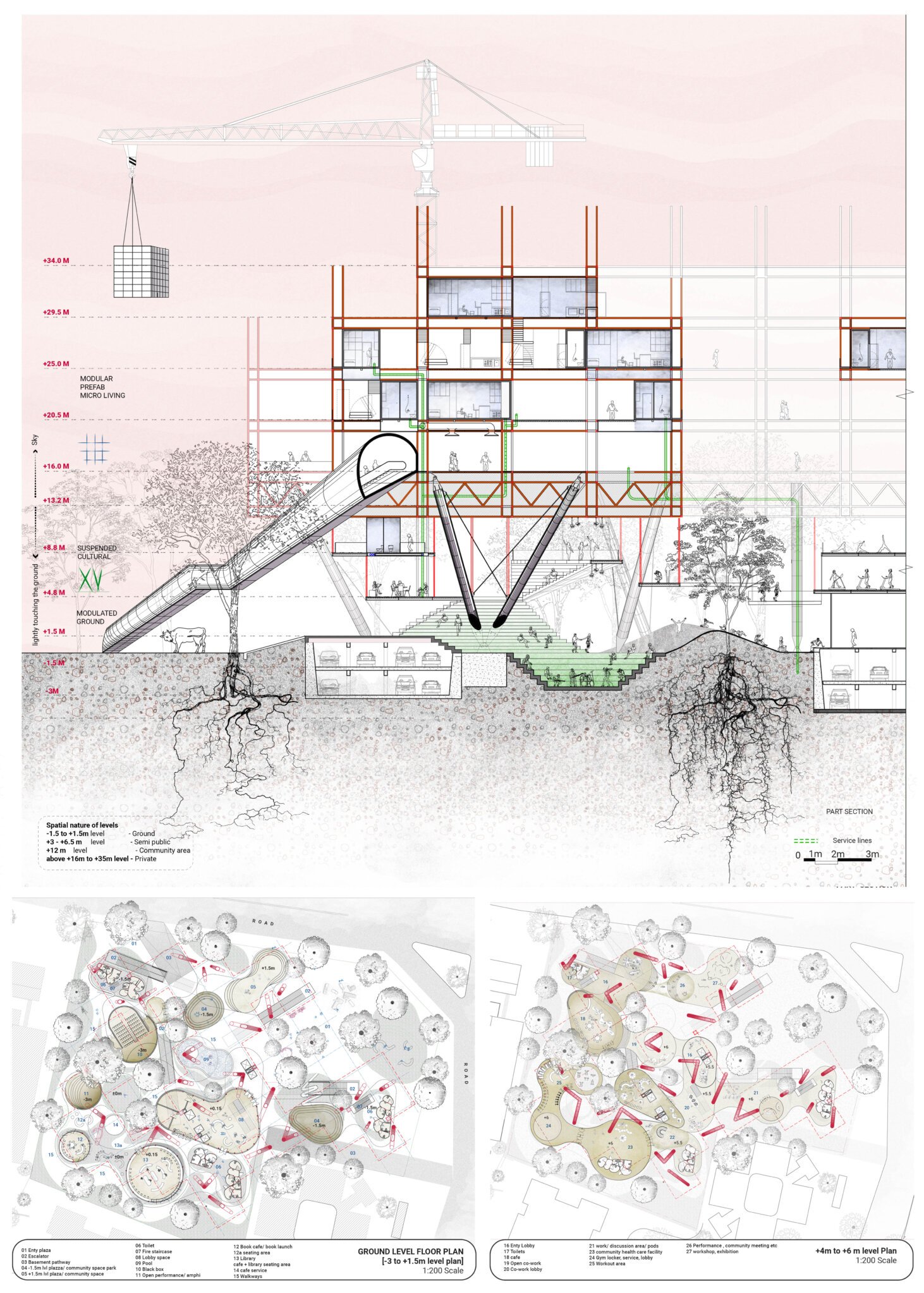
Grid & Grain is an architectural project that explores adaptability as a core design principle, positioning architecture as an evolving system rather than a fixed object. The project investigates the relationship between the organic, ad-hoc conditions of the site and a rational, modular framework that enables long-term flexibility. By freeing the ground plane to respond to existing ecologies and public movement, and organizing space above through a structured grid, the design balances spontaneity with order. Programs are conceived to shift over time, accommodating public, semi-public, and private uses without rigid boundaries. Through a modular structural logic that allows spaces to be plugged, suspended, or reconfigured, the project proposes architecture as a civic scaffold, responsive, resilient, and capable of growing with its urban context.
Approach
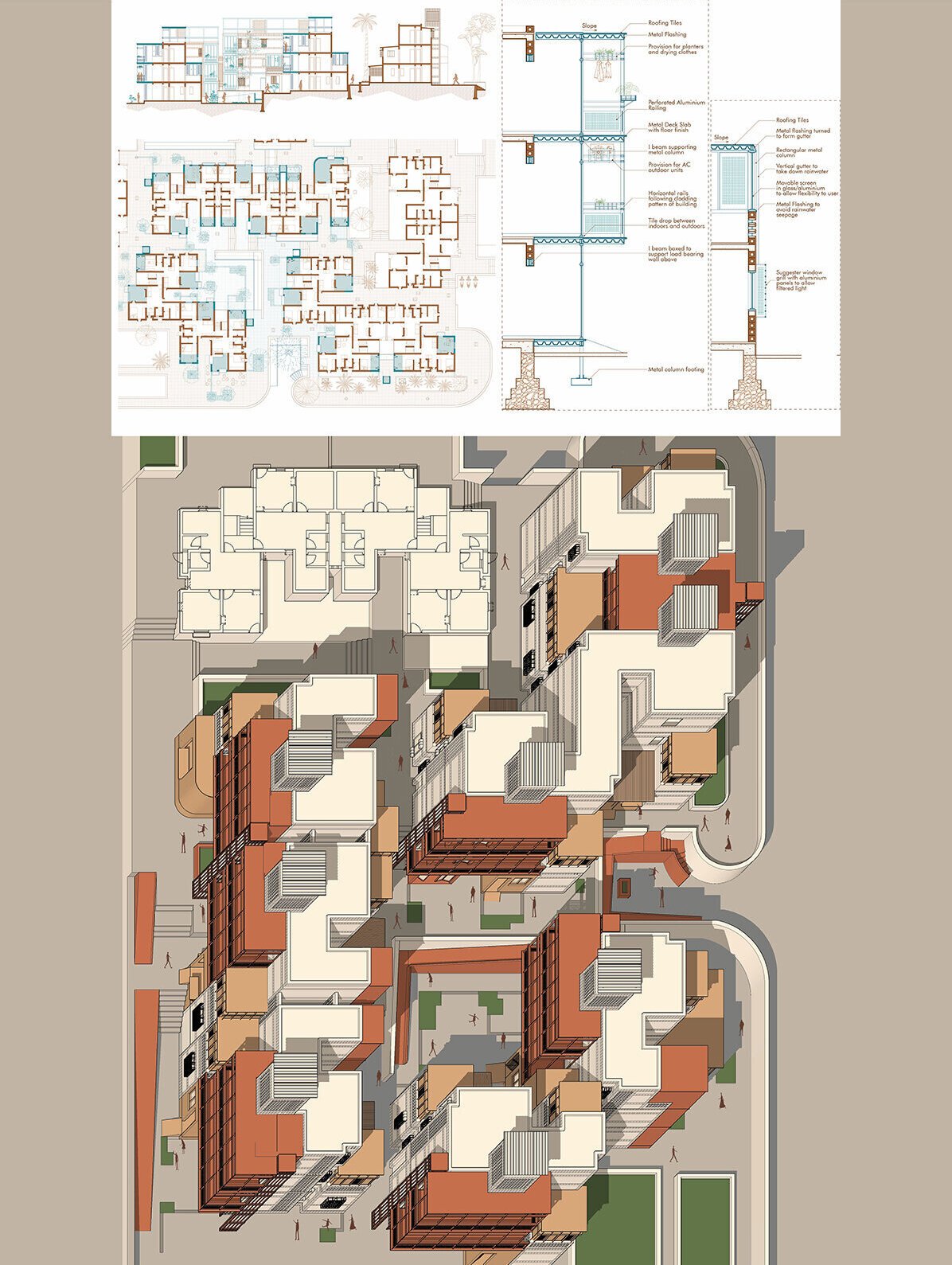
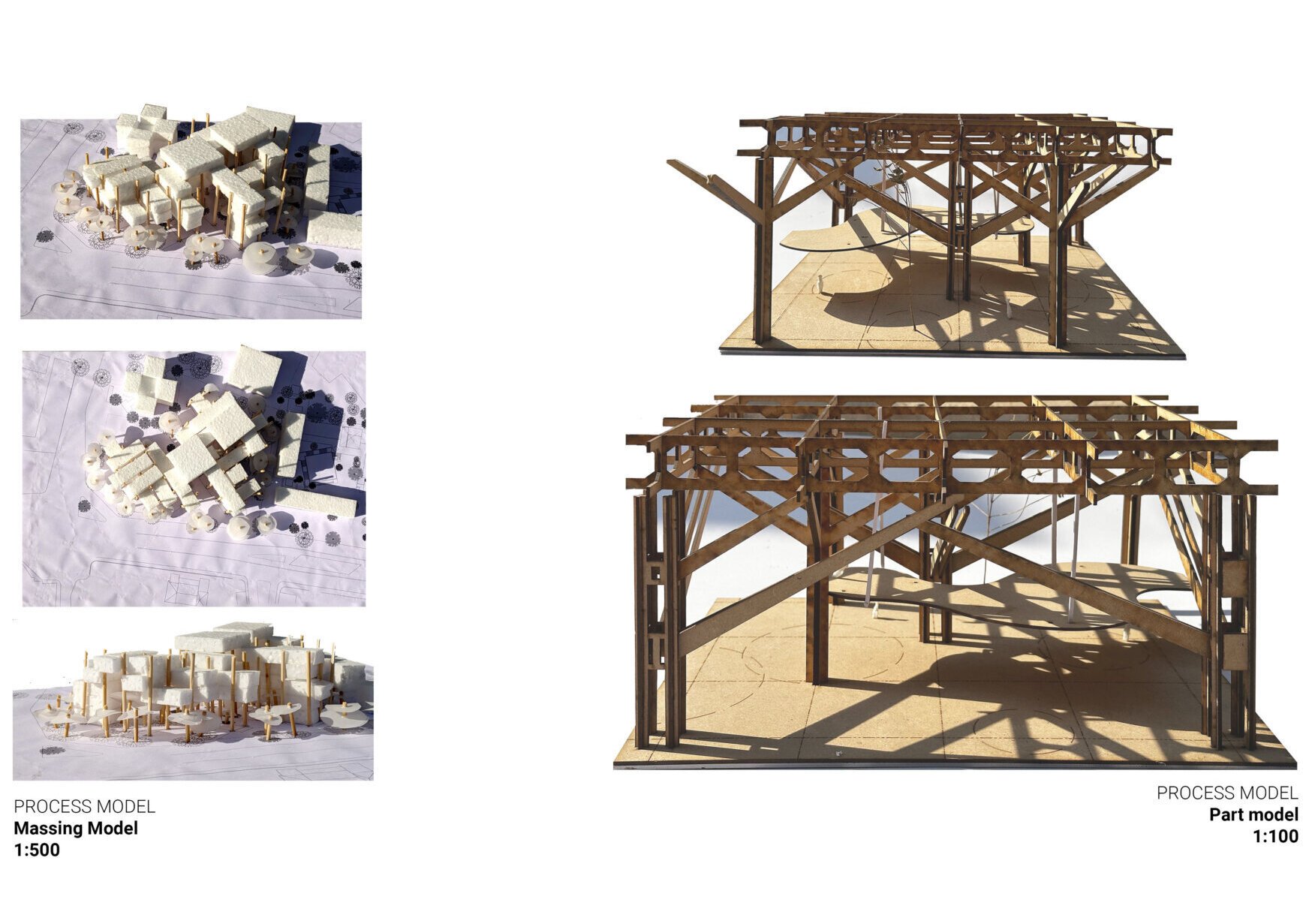
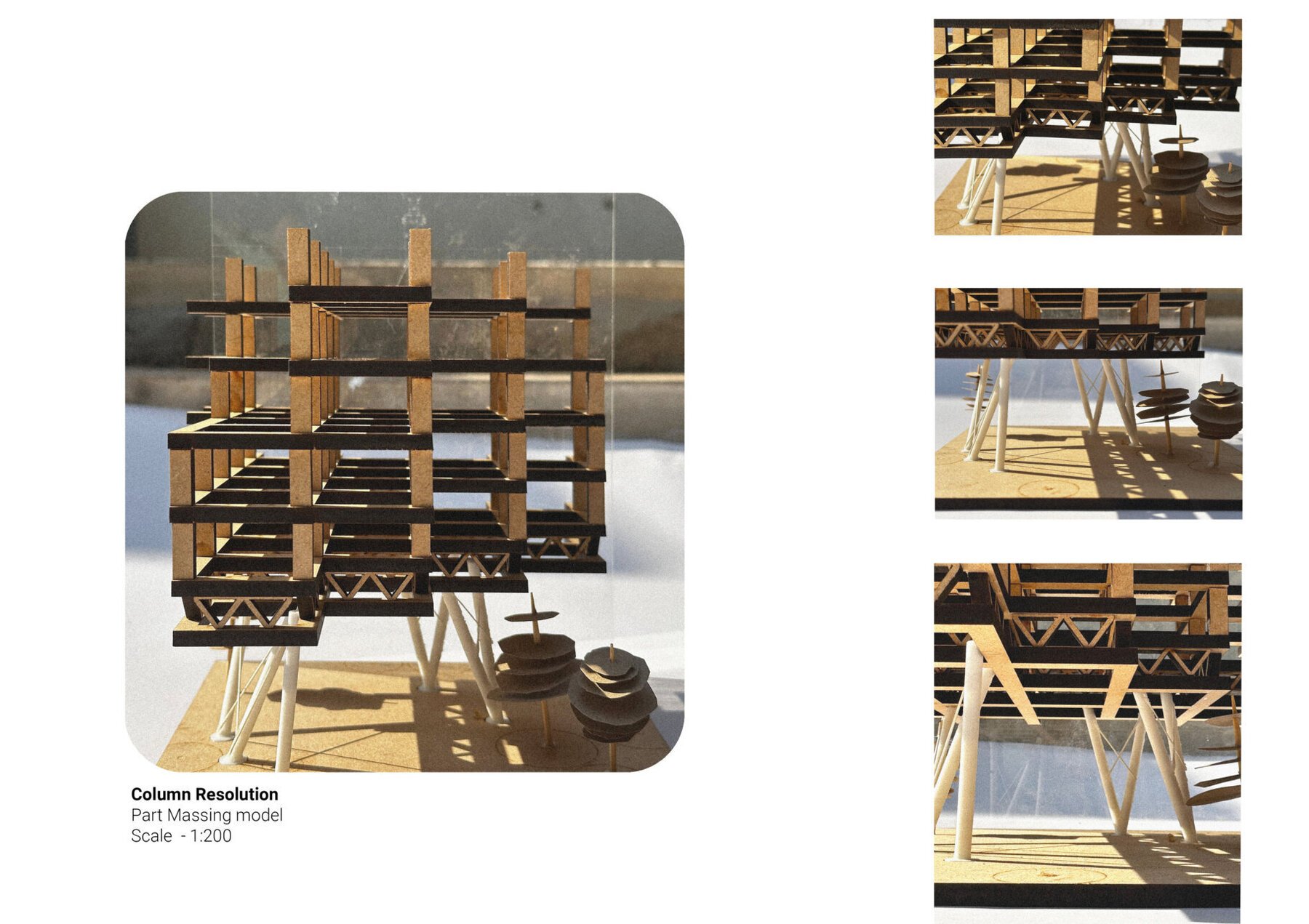
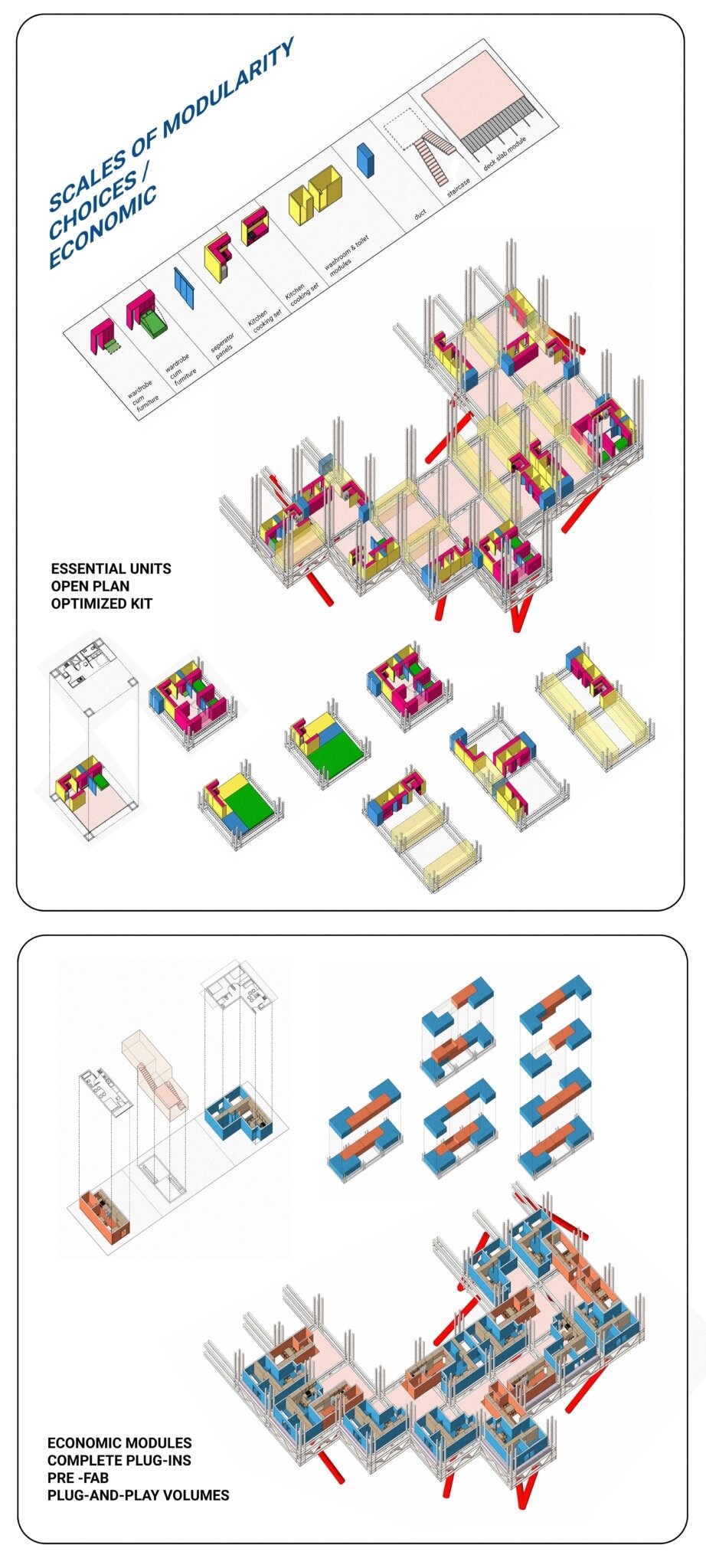
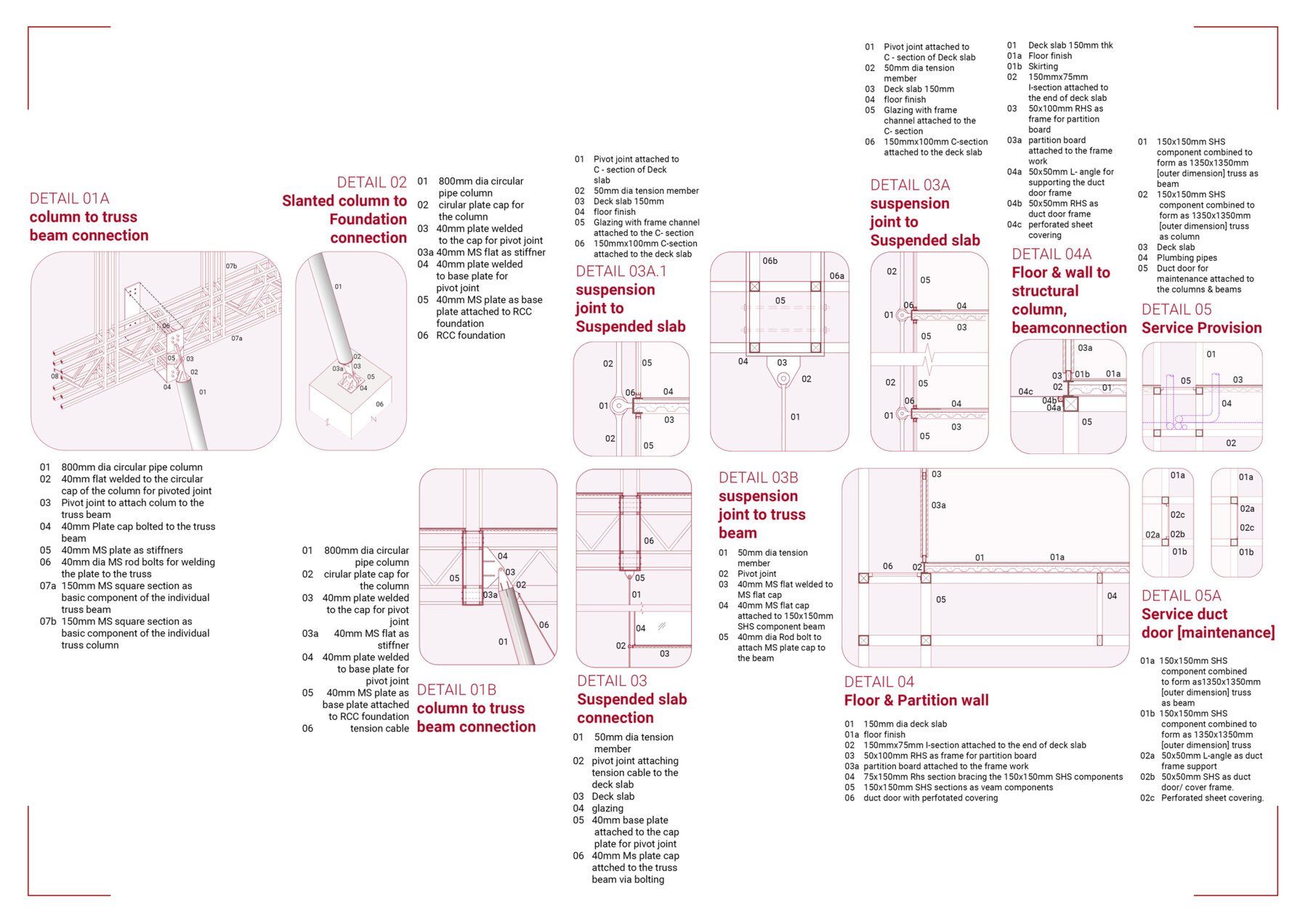
The project approaches architecture as a system capable of adaptation rather than a fixed form. Grounded in an understanding of context, users, and time, the design prioritises flexibility, growth, and coexistence. A clear distinction is established between the ground and the structure above, allowing the ground plane to respond organically to existing trees, movement patterns, and public life, while a structured modular framework organises space above. The architectural strategy focuses on developing a kit-of-parts system that enables plugging, suspending, and reconfiguring spaces as needs evolve. Structural elements are designed to integrate services, circulation, and future expansion within a single framework, ensuring that adaptability is embedded in both the spatial and tectonic logic of the building.
Output
The outcome is a building conceived as an open-ended framework rather than a completed object. Through a modular structural system, the architecture accommodates programs of varying scales and durations, public, semi-public, and private, allowing them to coexist and transform over time. The liberated ground functions as an inclusive civic landscape, while the structured grid above supports incremental growth and suspended spatial volumes. A mid-level structural band enables large spans, service integration, and future adaptability without disrupting the public realm. The project produces a flexible urban scaffold that supports learning, cultural exchange, work, leisure, and everyday community activities. By balancing ad-hoc responses with systematic order, the design demonstrates how architecture can remain resilient, responsive, and relevant, embracing change while maintaining spatial clarity and structural coherence.
- reshma m