MAT: Master’s in Architectural Tectonics

- More information
Program brief
Our program enables architects to deepen their understanding of material behaviour, structural logic, and the craft of detailing. Through a rigorous exploration of construction systems and their expressive potential, students develop the tools to translate conceptual ideas into precise, innovative built forms. Material research, technical analysis, and careful study of assembly are at the core of our approach, reinforcing the belief that architectural meaning emerges as much from how we build as from what we imagine.
The MAT program prepares students to seamlessly navigate between design ambition and construction reality—to craft intelligent, durable, and culturally resonant architecture. We seek individuals who are eager to engage critically with material, detail, and structure and who aspire to shape the future of architecture with thoughtfulness and skill.
- More information
Message from Program Chair

Faculty of Architecture
Program Structure
- Degree Title
- M. Arch
- Majors
- Architectural Tectonics
- Duration
- Two Years | Four Semesters
- Total Credits
- 80 across Two Years
Key Features
Studios
Each studio in the Master in Architectural Tectonics (MAT) program is led by one or two faculty members. Class sizes typically range from 10 to 15 students to encourage focused mentorship and deep engagement. Depending on the studio theme, the teaching team may include subject experts, visiting professionals, and faculty from allied disciplines at CEPT University, such as architectural design, computational design, and structural design, enriching the studio experience through interdisciplinary perspectives.
Students receive regular desk-to-desk feedback. Feedback from reviews is incorporated into student portfolios, which are then evaluated by an external panel to ensure academic rigor and critical reflection. Beyond the Foundation Studio, MAT studios are organized around three core themes that explore architectural detailing and construction through multiple lenses: material systems and processes, which focus on how materials behave, are assembled, and inform spatial and architectural expression; meaning, which examines how tectonic decisions contribute to architectural meaning; and contingencies, which build design resilience by engaging in practice-based responses to projects. These themes provide a robust framework for students to investigate the act of building as a convergence of design intent, technical skill, and material imagination.
Mandatory courses
The MAT program offers a balanced curriculum with lectures that cover a broad spectrum of theory and technology, distributed across all four semesters. These courses are primarily taught by core faculty members, supplemented by expert sessions from external professionals to deepen technical and conceptual understanding.
Elective courses
CEPT’s wide range of electives allows students to explore emerging themes, cross-disciplinary subjects, and innovative teaching methods. Students can select electives and participate in summer and Winter Schools across the University, thereby expanding their academic and professional horizons.
- Semester 01
Workshop Studio
- Foundation (Fundamentals)
Courses
- Building Language and Expression
- Material Ecology and Environmental Performance
- Semester 02
Workshop Studio
- Detail+System (Control)
Courses
- Tectonics and Structure
- Material Science and Performance
- Semester 03
Workshop Studio
- Detail+Meaning (Reinforce)
Courses
- Principles and Theory of Detailing
- Ethics, Legislation, and Compliance
- Semester 04
Workshop Studio
- Detail+Contingencies(Disrupt)
*The program structure and courses indicated above are based on previous years’ offerings and are subject to change.
Program Testimonials
Program Ambassadors


Board of Review (BOR) Members


Sameer Kumar

Soumitro Ghosh
What's new in Master’s in Architectural Tectonics
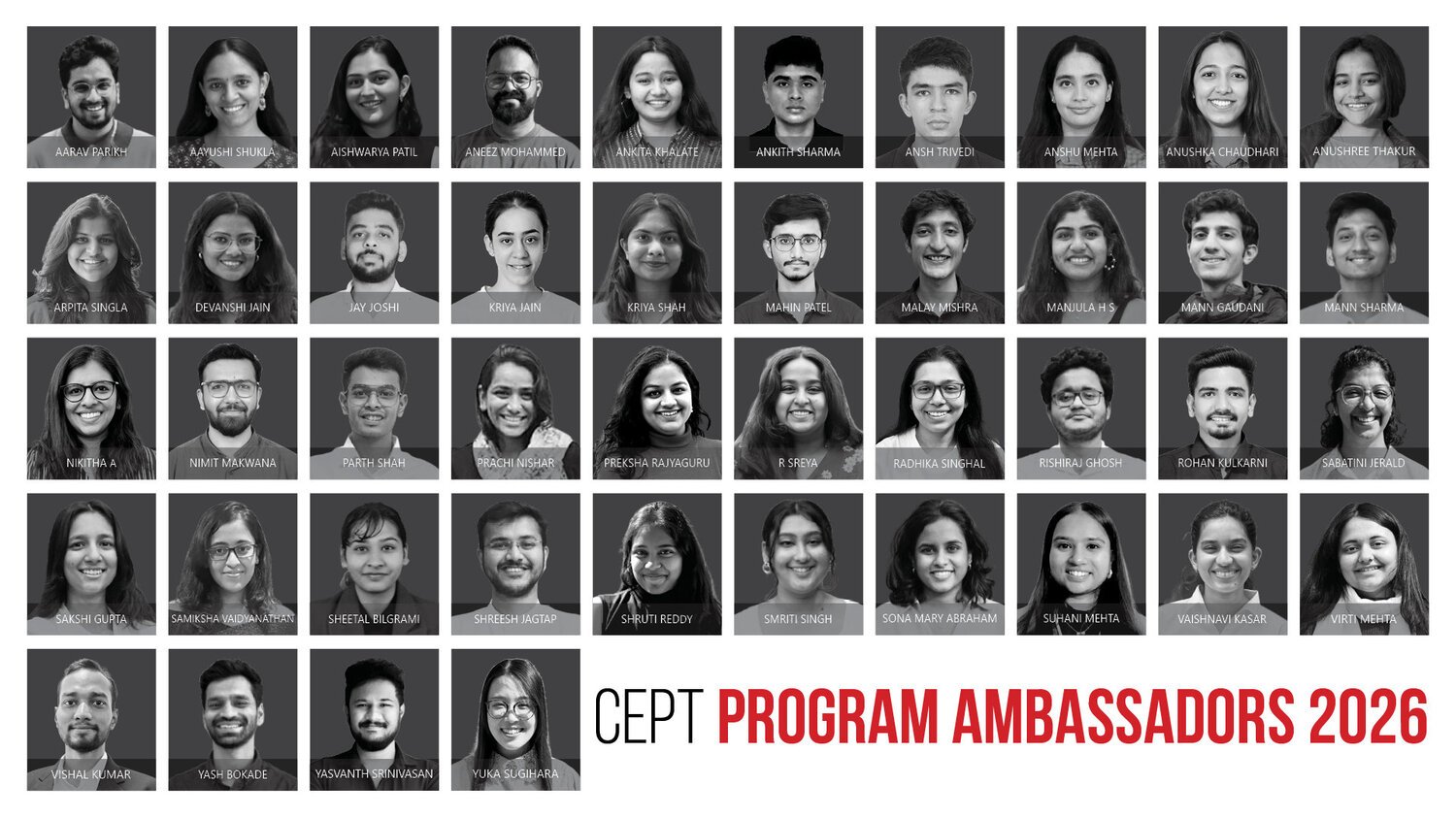

CEPT Welcomes Program Ambassadors 2026
Mar 25 2026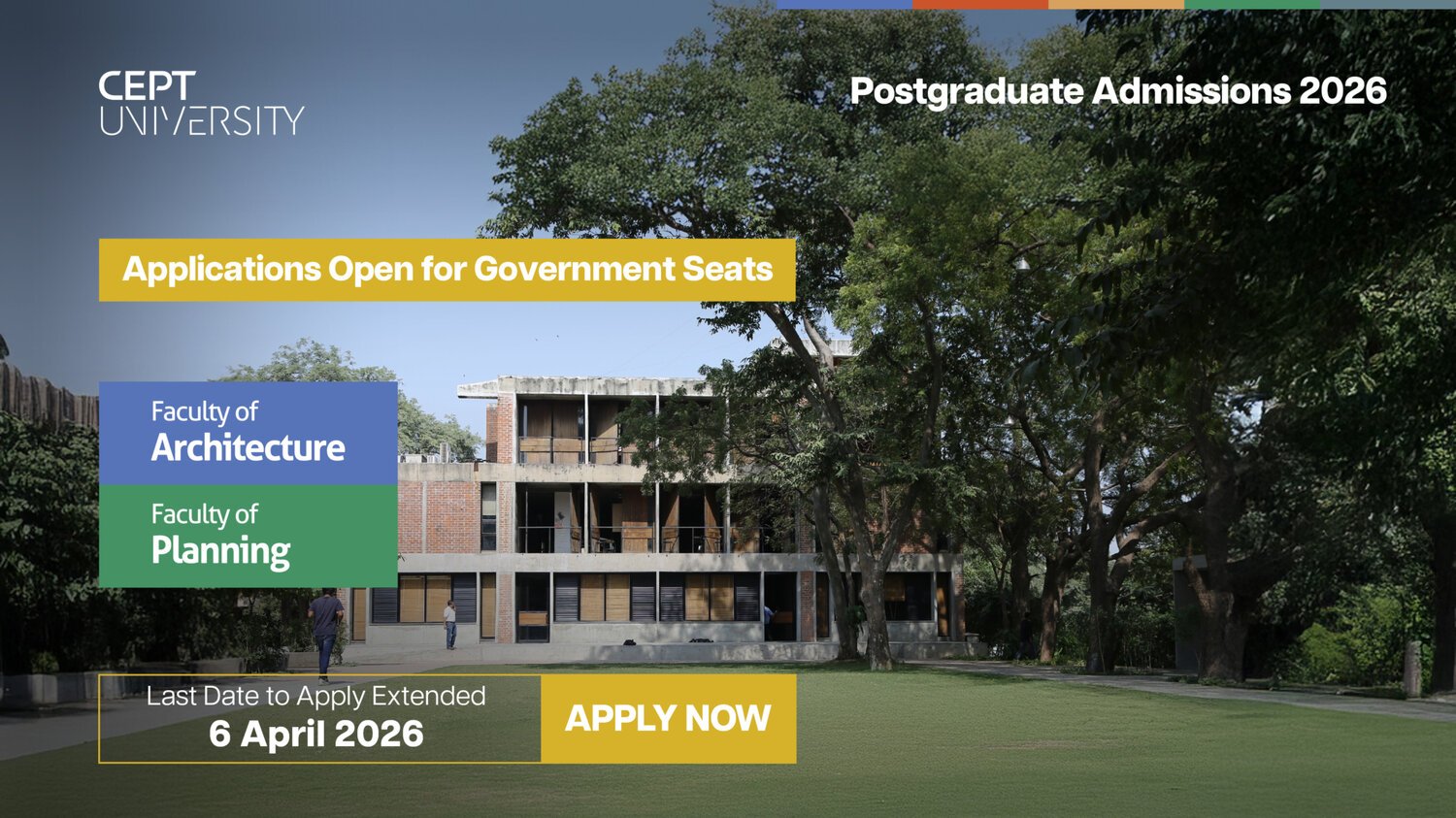
Postgraduate Admissions are open for Government Seats (for Gujarat Students)
Mar 18 2026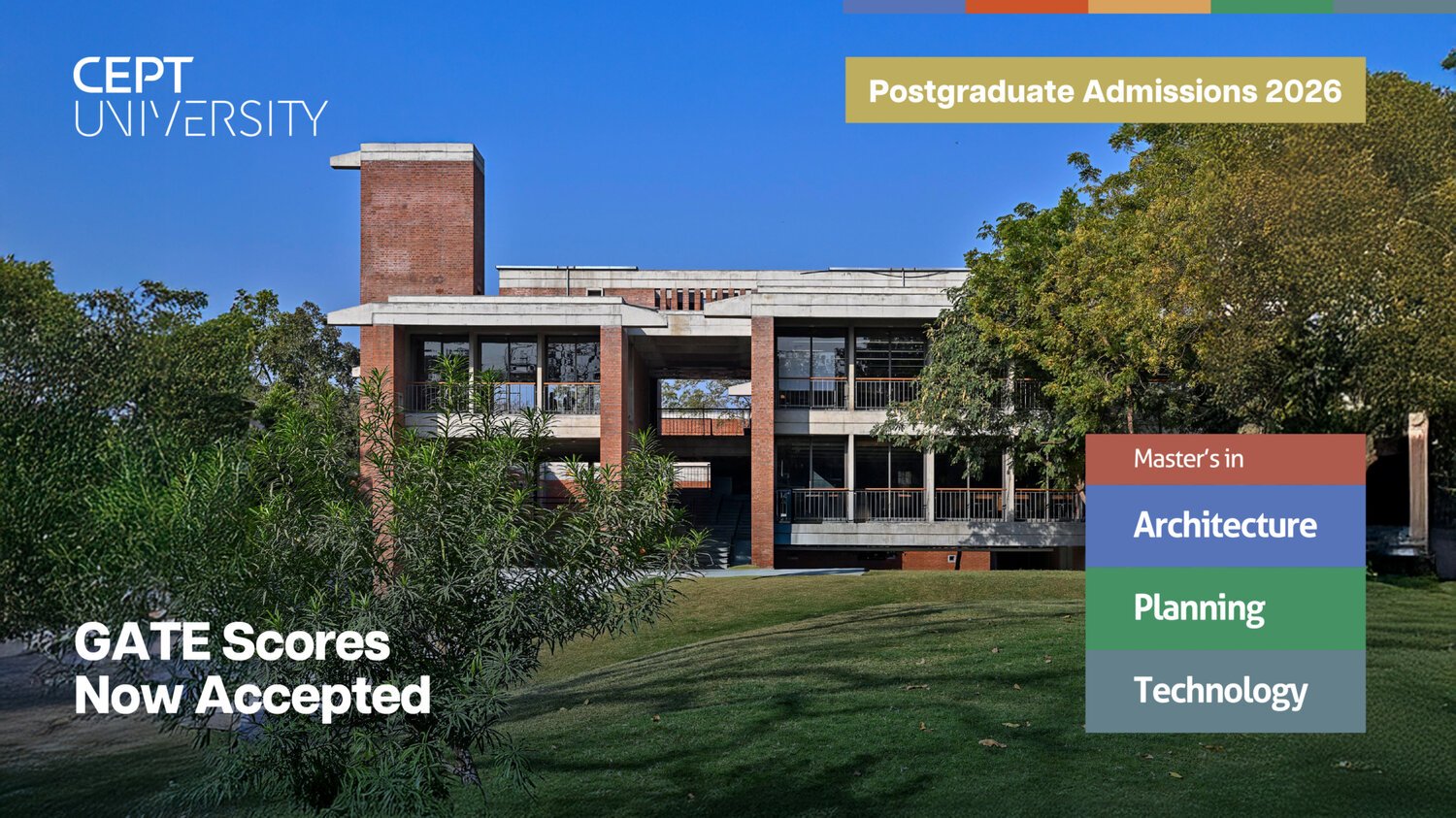
Accepts GATE 2026 Scores for Postgradute Programs Admissions in FA, FP, and FT
Mar 17 2026

Practice as Research: Towards a Multiplicity of Modes of Engagement
Mar 9 2026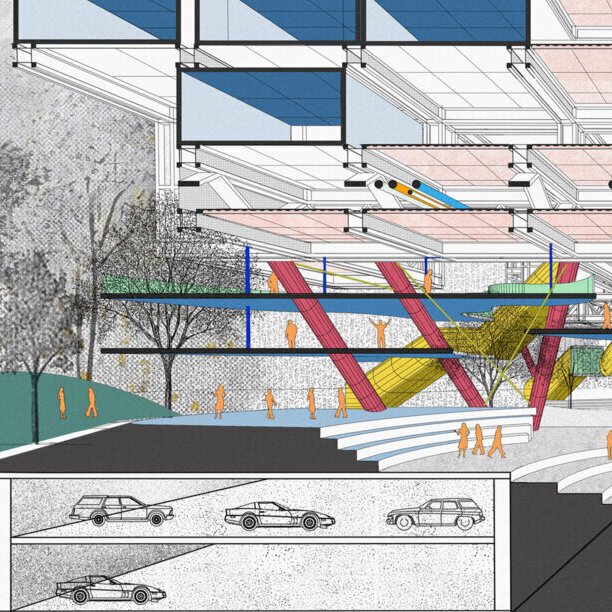

Grid & Grain - Design for Adaptability
Reshma M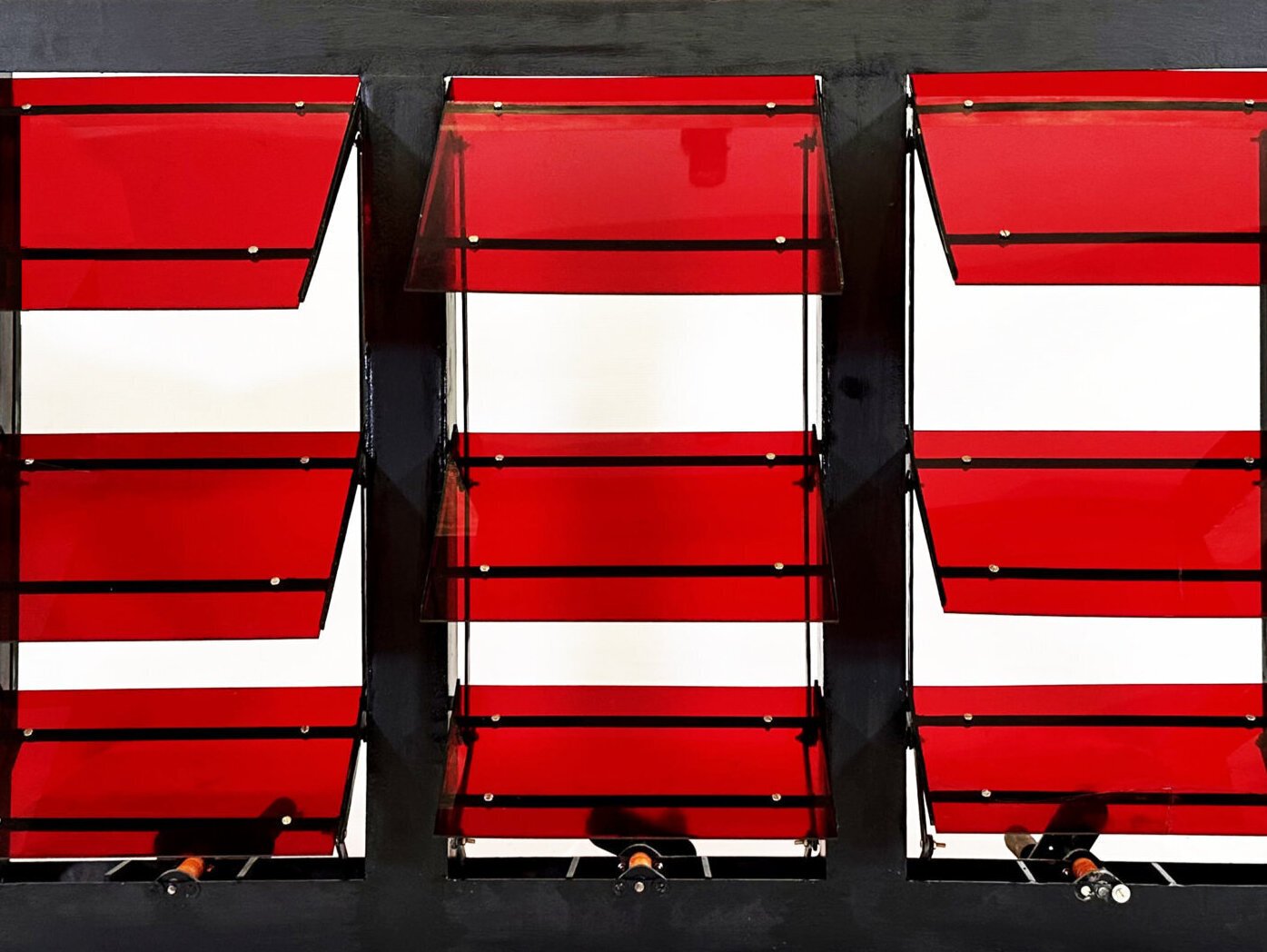

40.30.20 Horizontal Pivot Window
Jacob Babu Alappatt & Reshma M