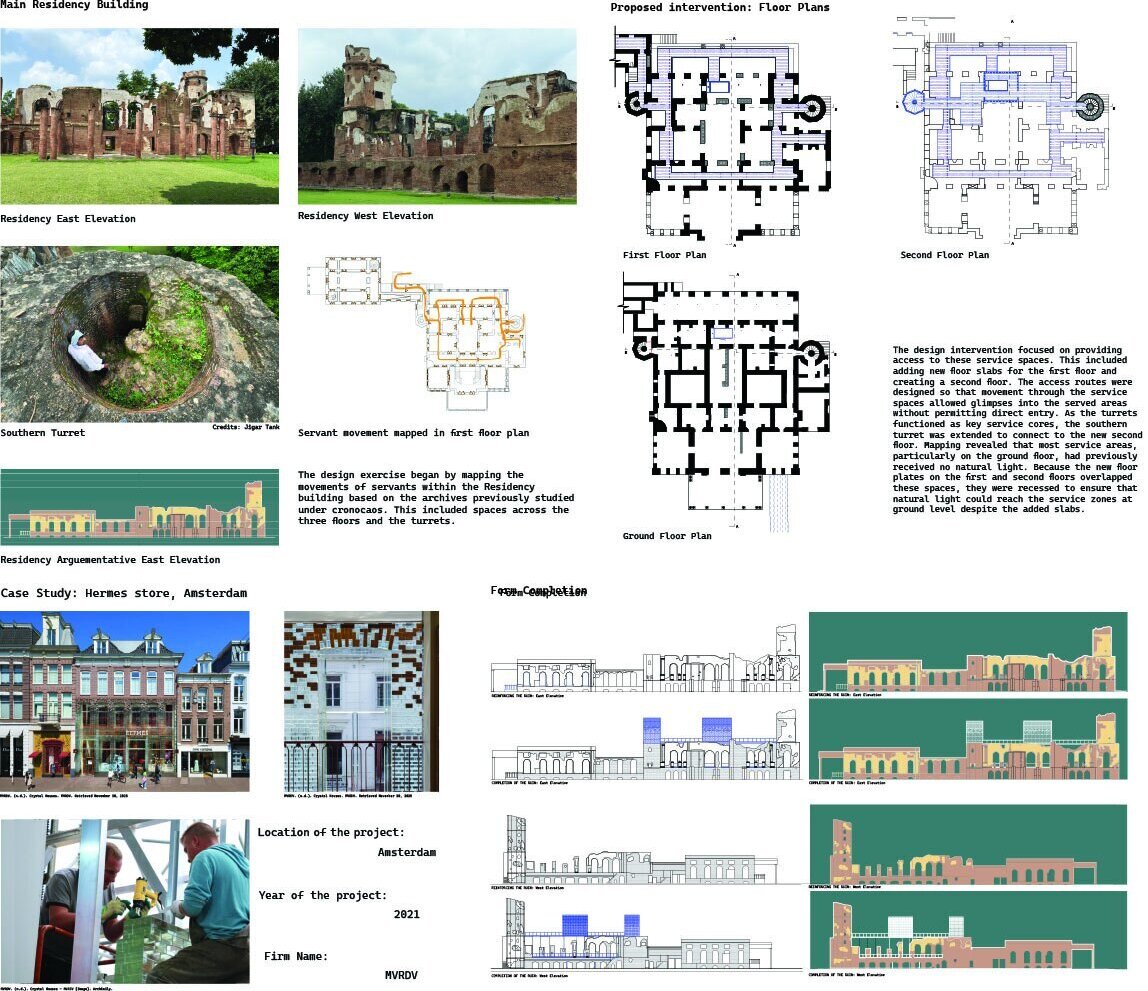
Intervention- plans and form completion
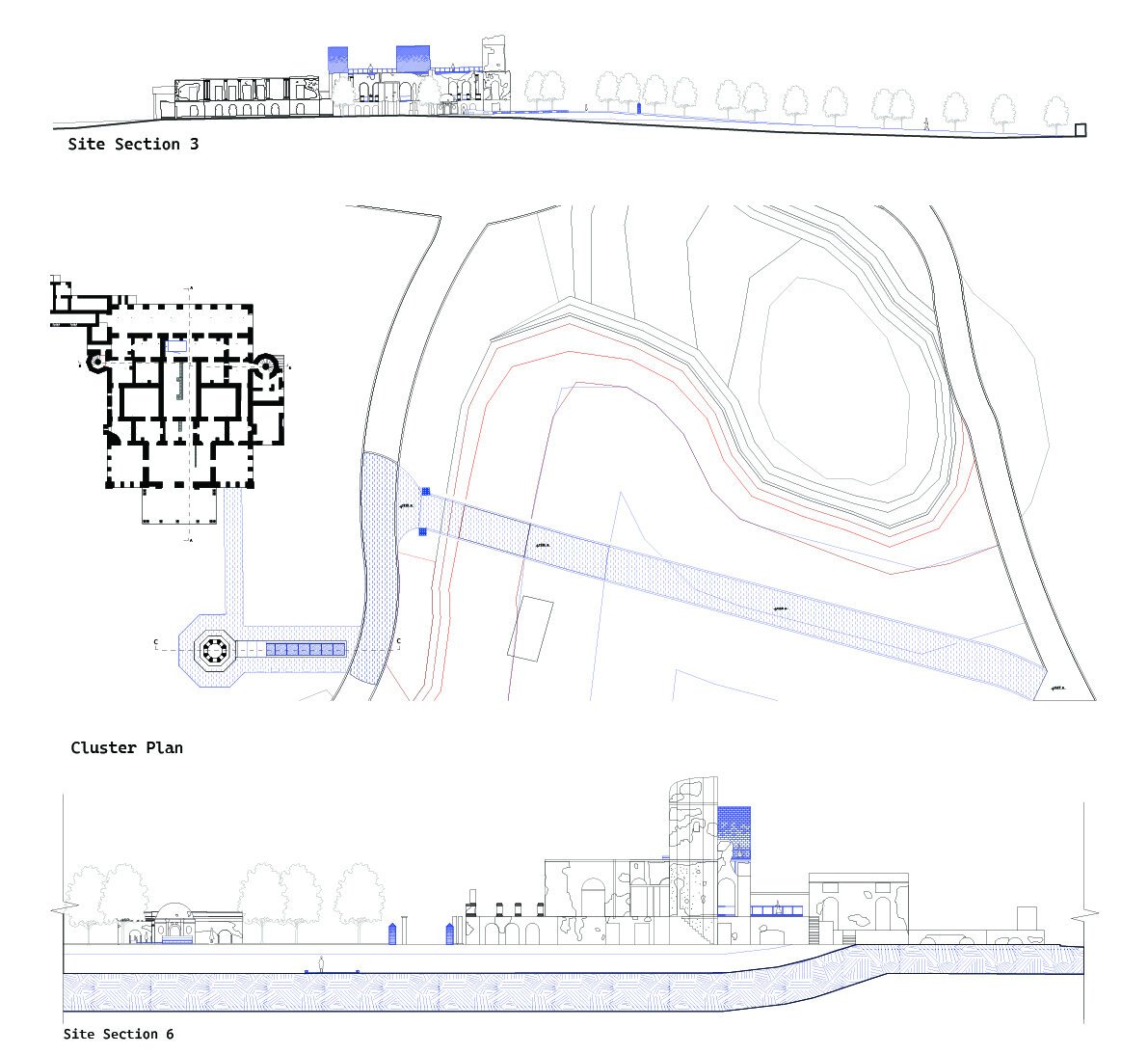
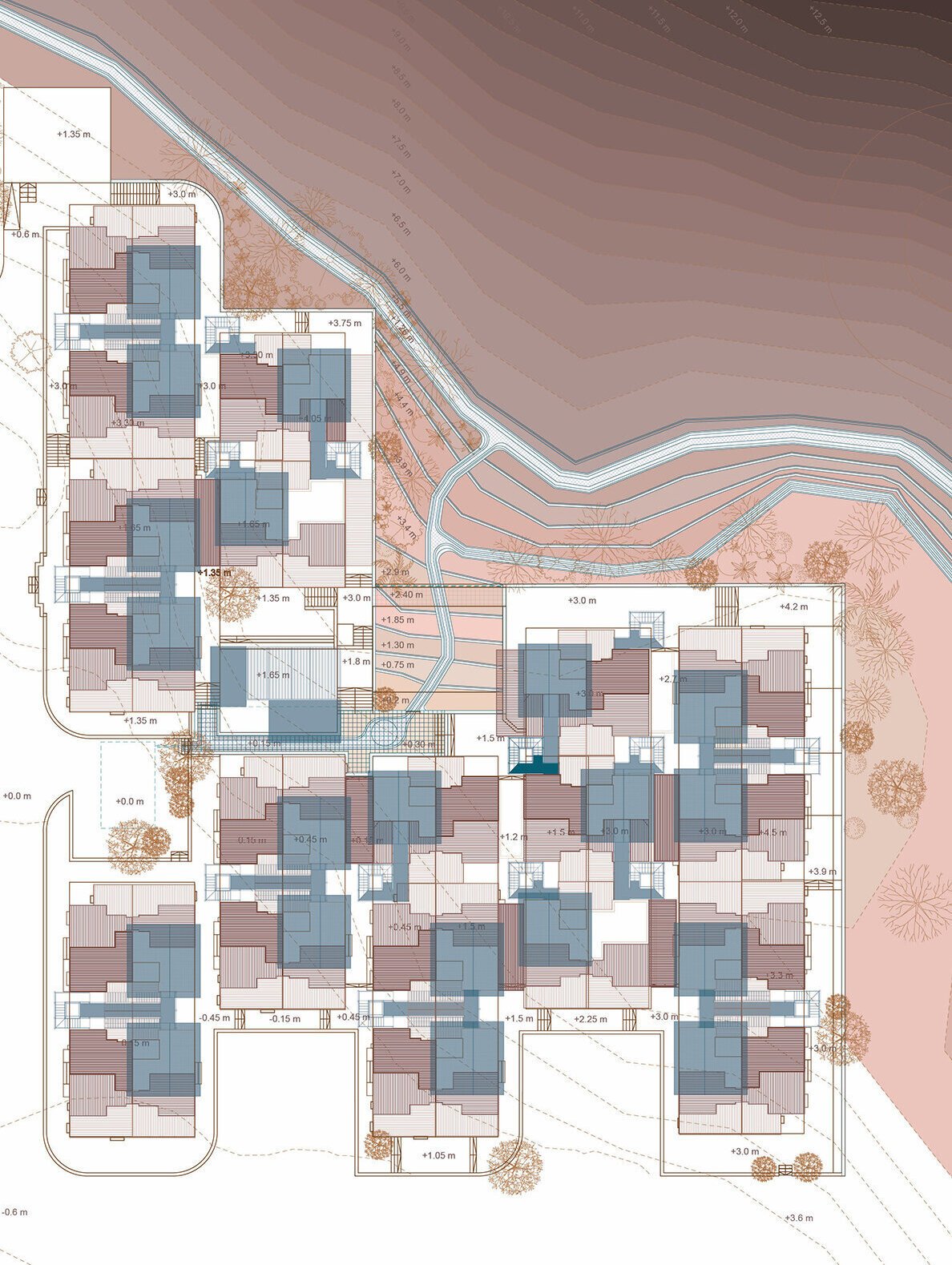
Cluster Plan
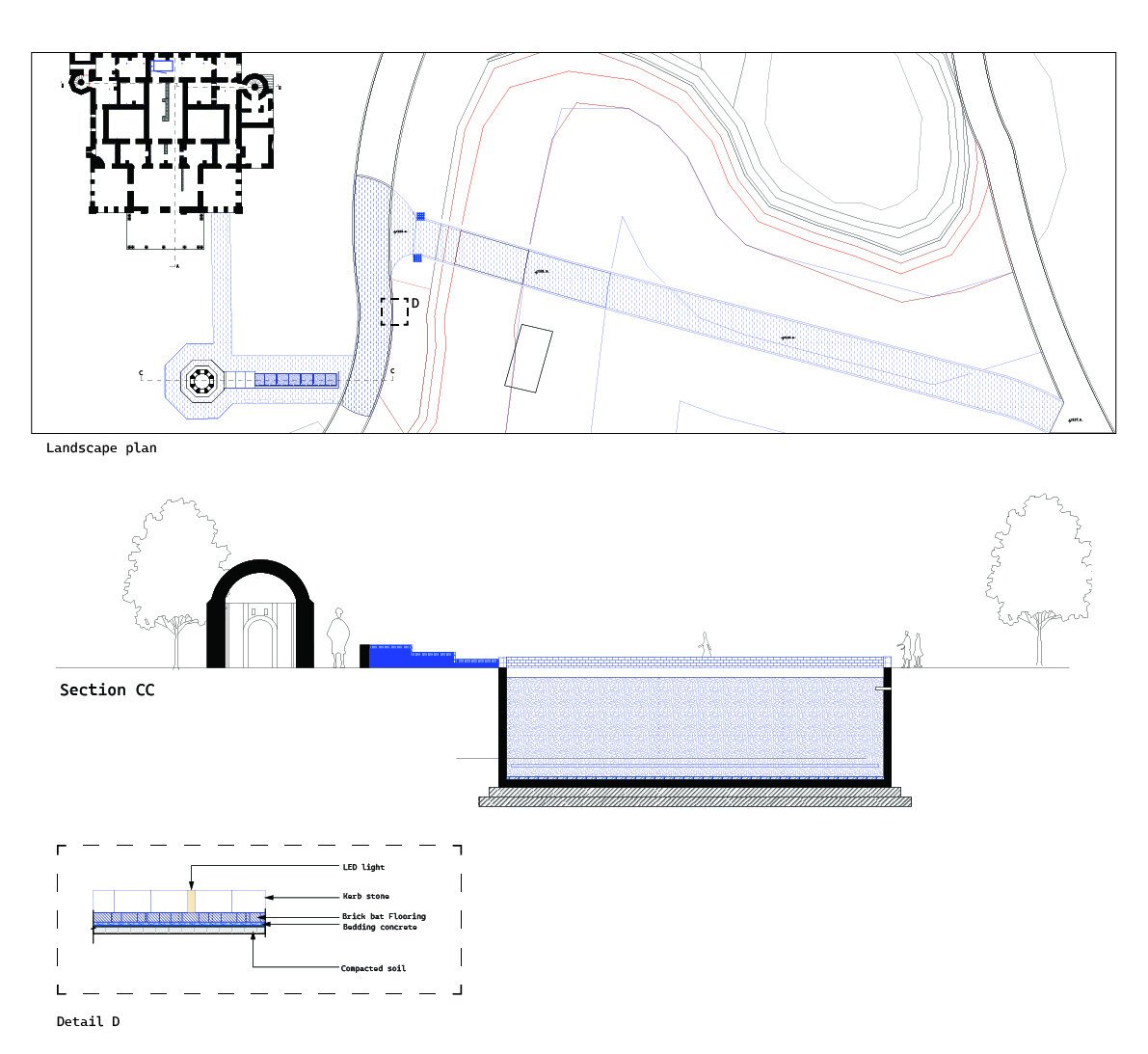
Landscape Design
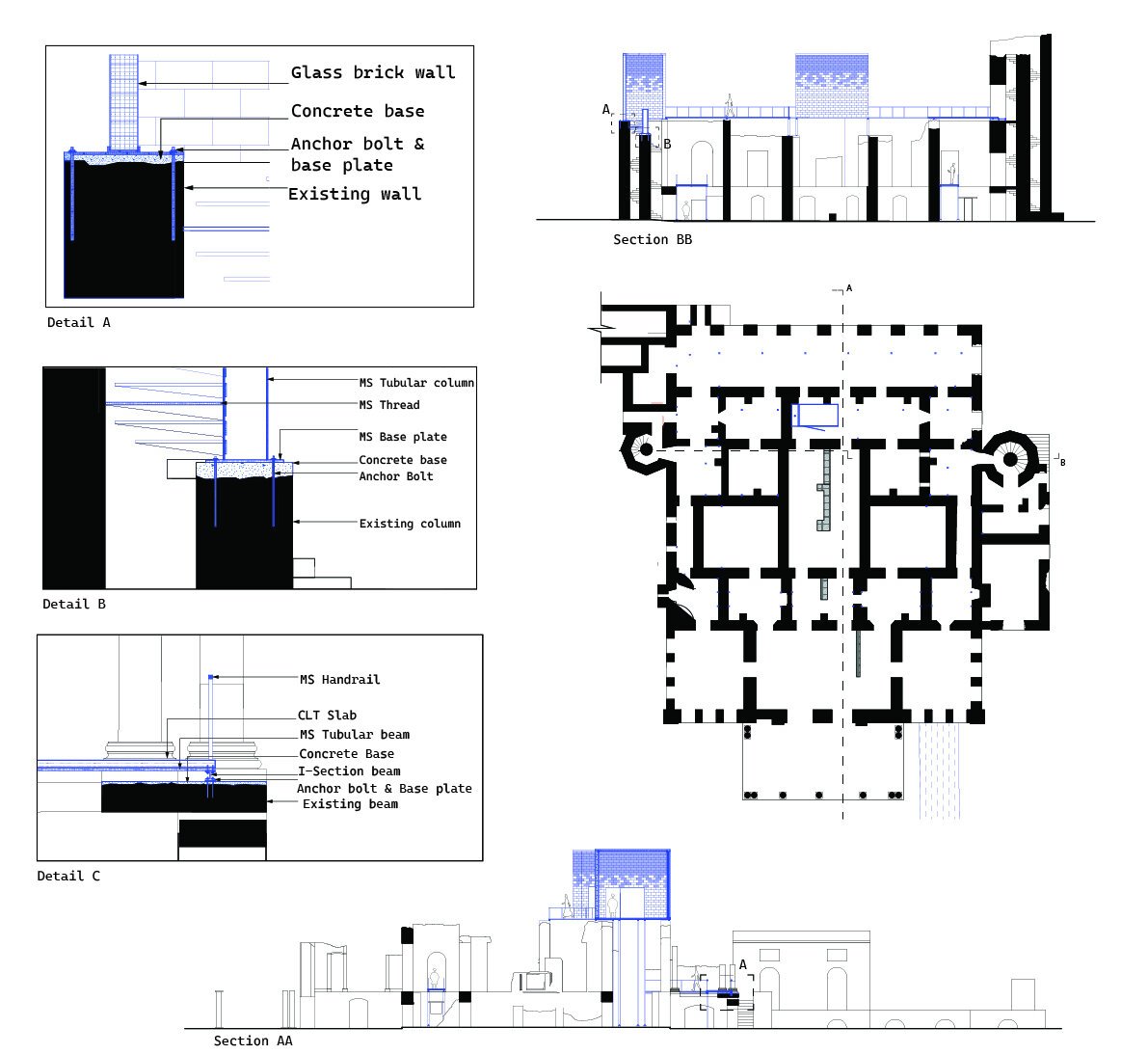
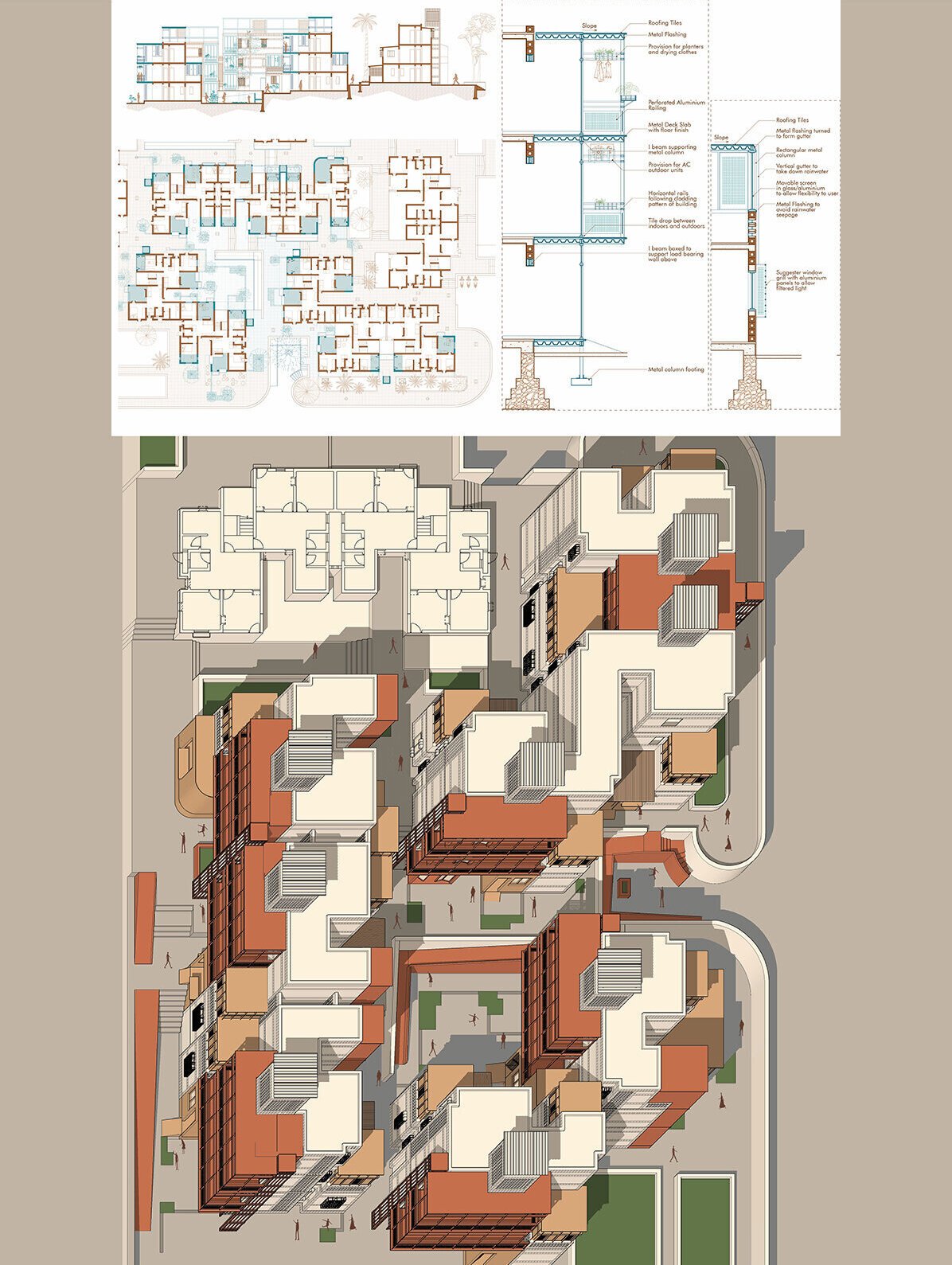
Details
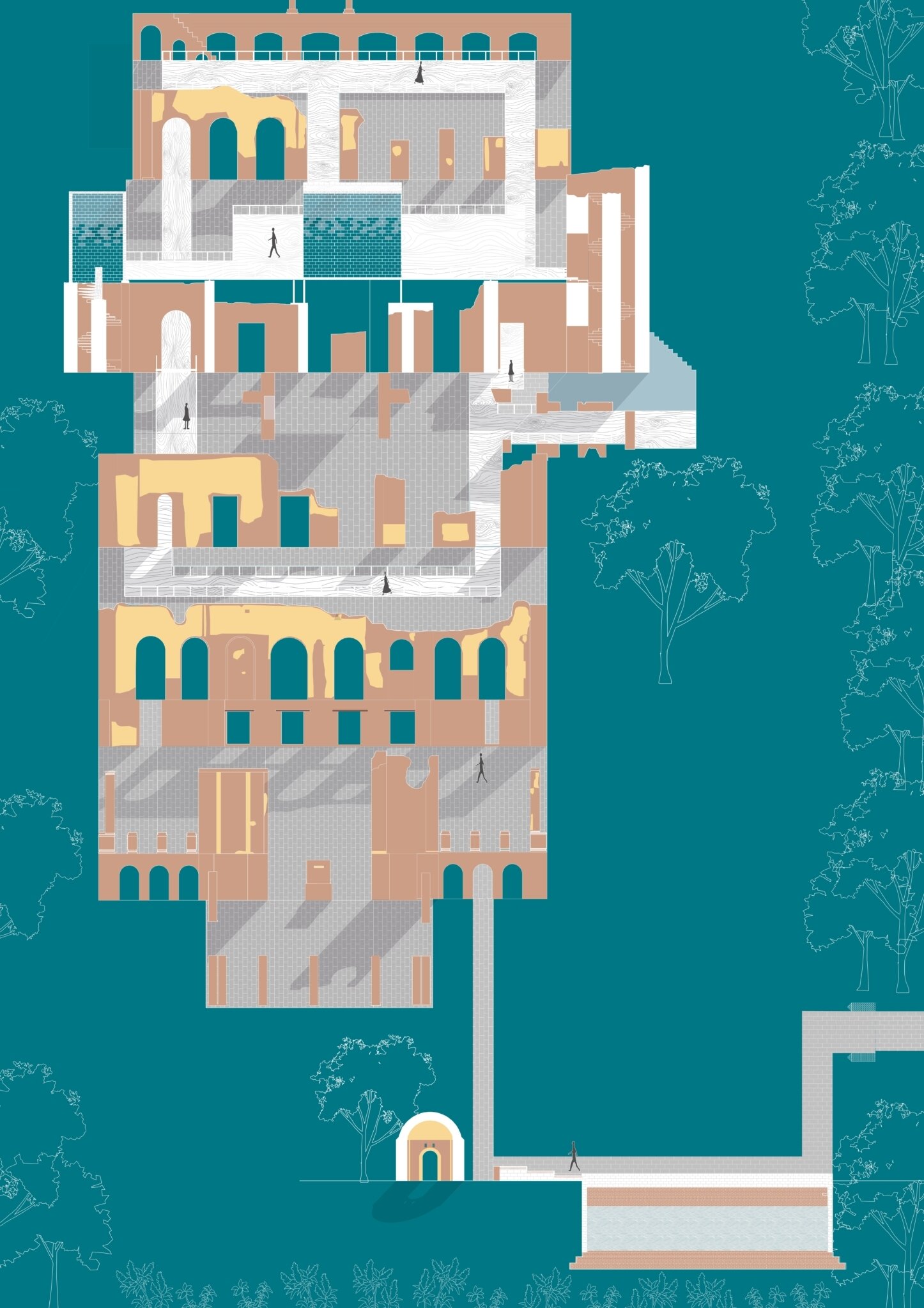
Planimtery
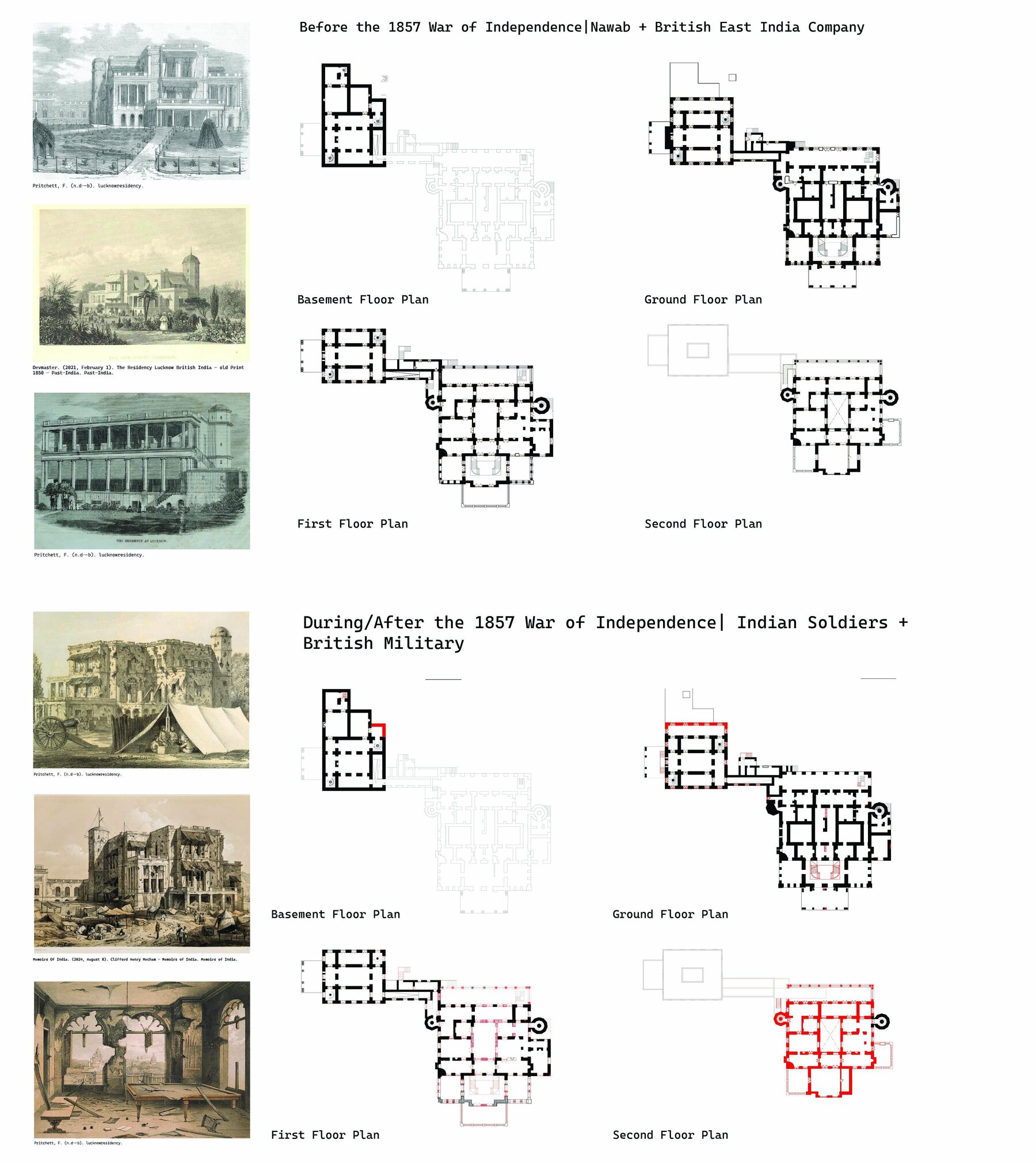
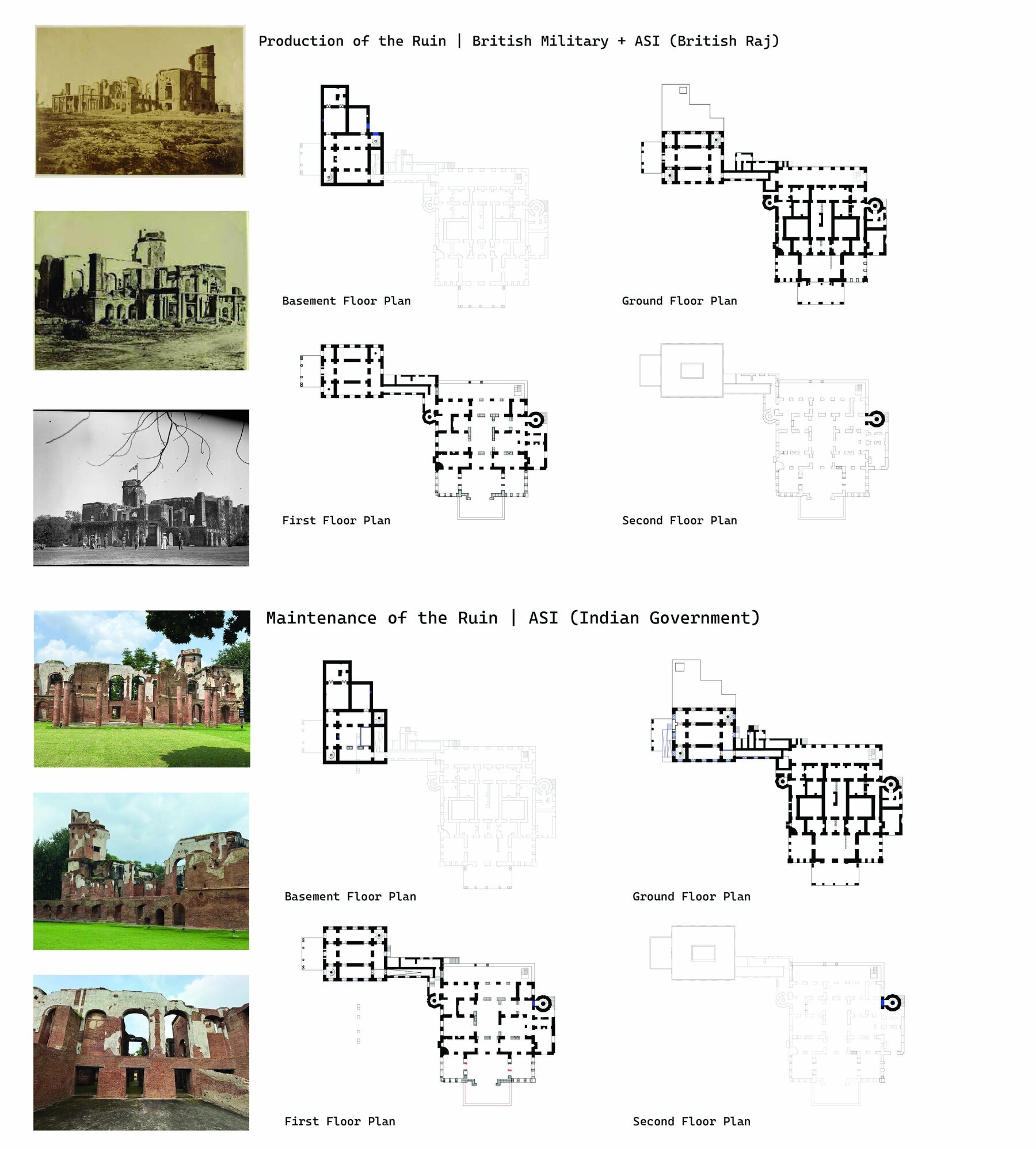
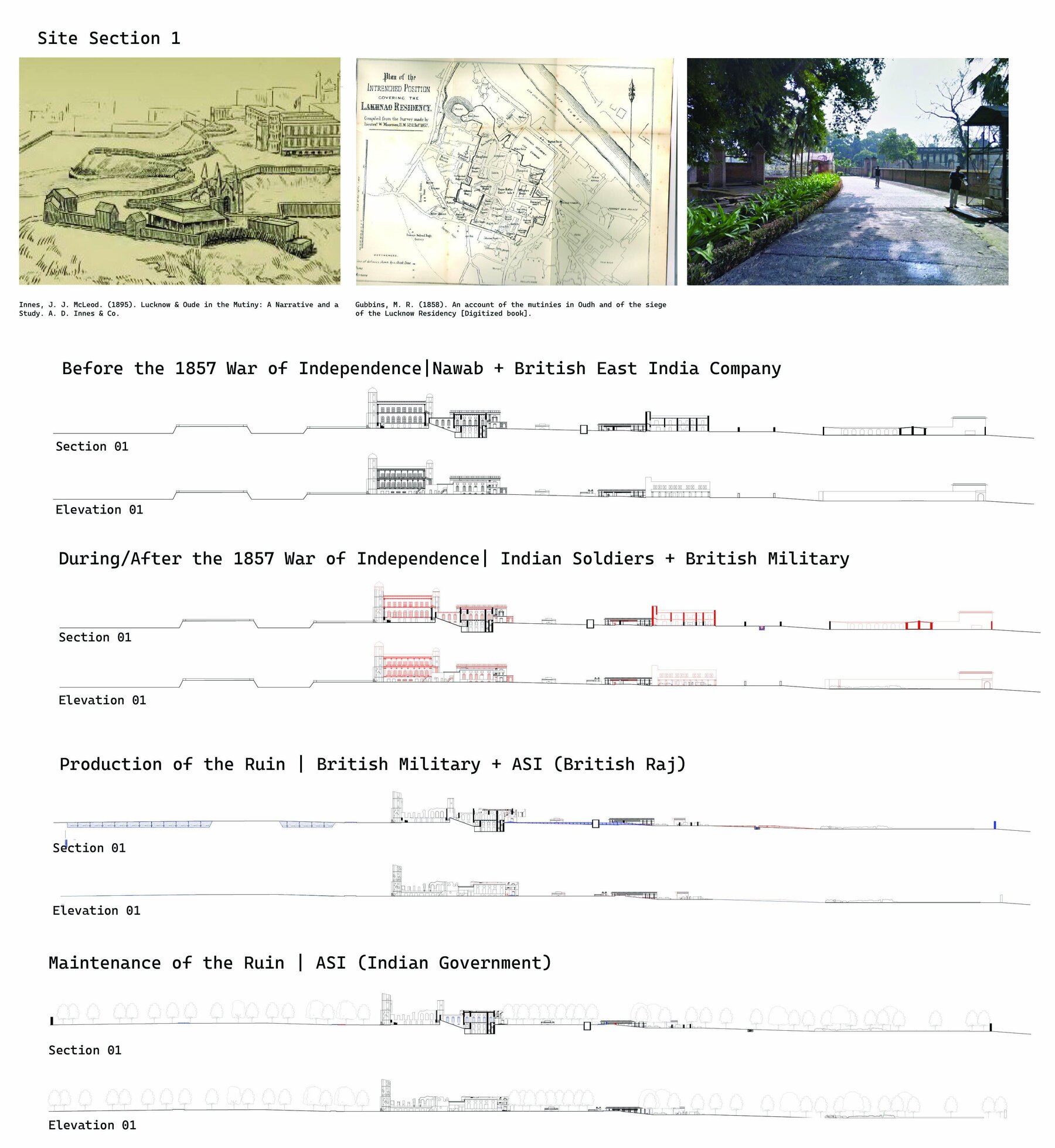
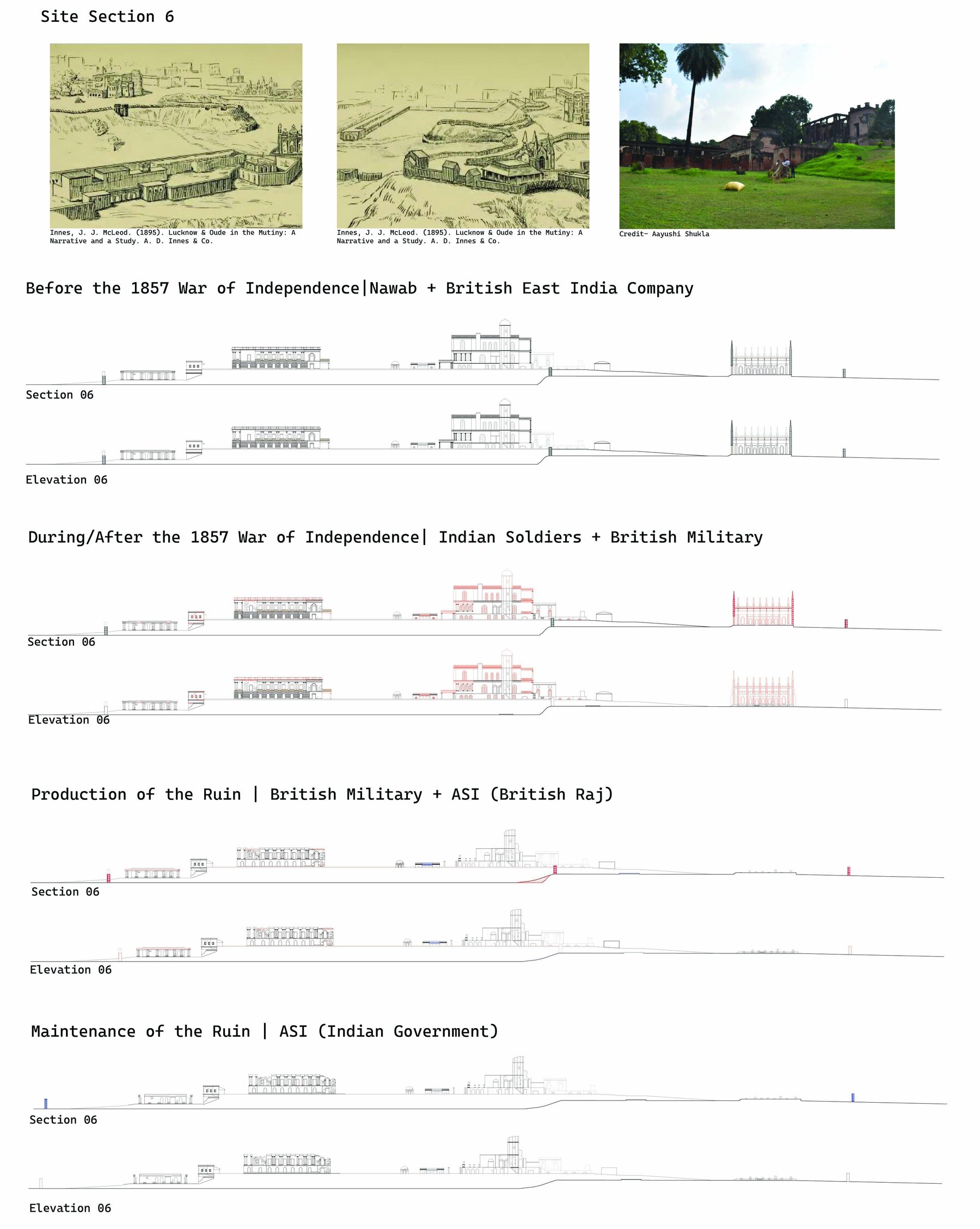
Out of Frame is a design-research project developed within a studio that examines conservation as an ecological and ethical act, operating under conditions of chronological confusion. Responding to the Lucknow Residency as an urban palimpsest shaped by layered time, selective preservation, and curated memory, the project engages the site as a material archive rather than a static historical object. The Residency, as it is currently encountered, is framed through curated ruins that emphasise damage and conflict, reinforcing a narrative of colonial victimisation while rendering everyday systems of care and labour invisible.
Situated within a condition of Cronocaos, the Residency is approached as a quasi-object formed through the simultaneity of preservation and erasure. Drawing becomes a critical tool to trace servant routes, utility corridors, and erased service infrastructures that sustained the complex. These systems allow for a decolonial reading of the site by foregrounding labour, maintenance, and relational practices as central architectural forces.
Guided by the ethic of Infrastructural Love, the project treats absences, fragilities, and residual networks as sites of intervention. Conservation is reframed as an active, relational practice that acknowledges age, decay, and continuity, enabling new architectural readings to emerge alongside the existing fabric.
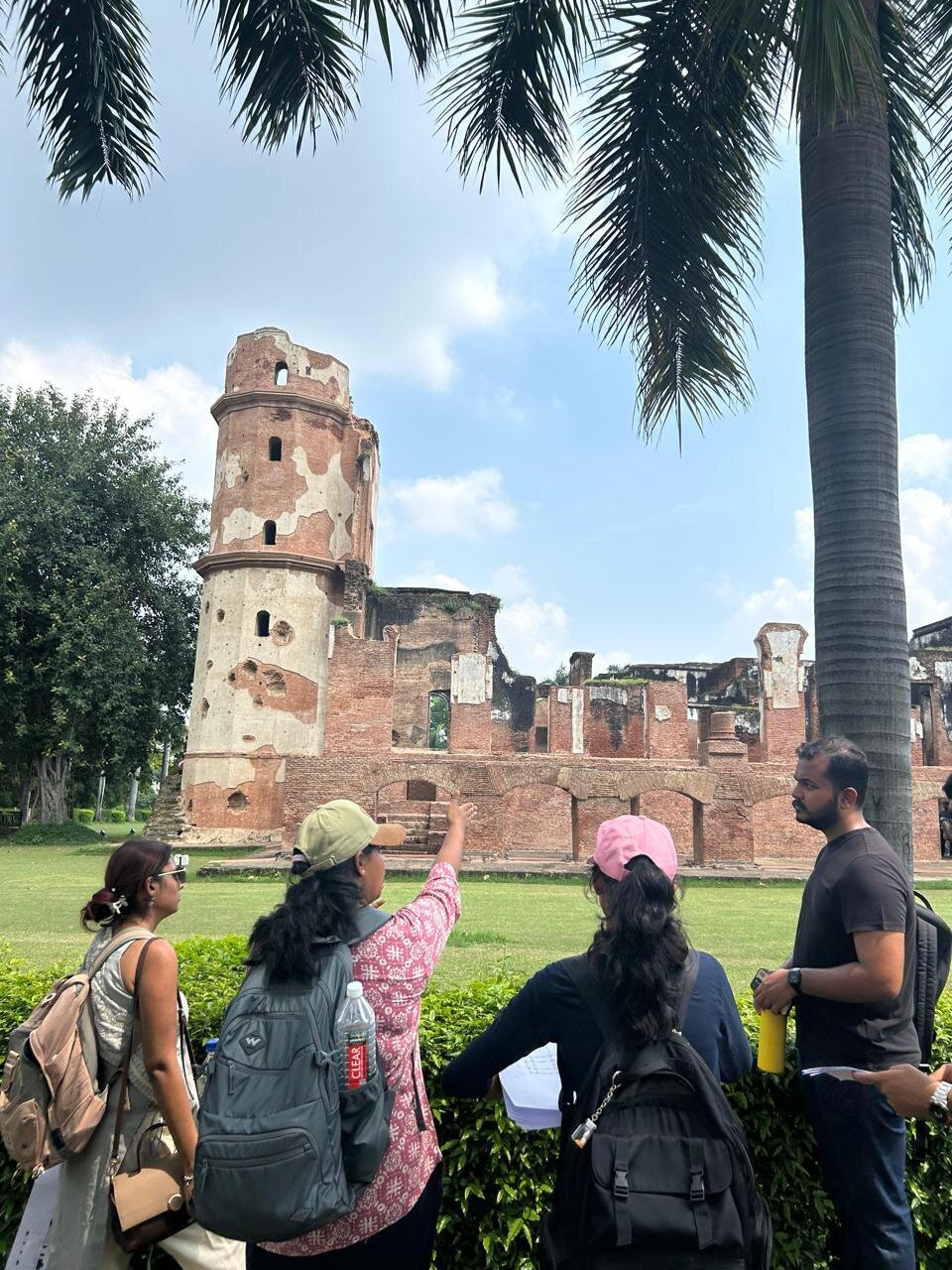
The Residency complex stands in ruin, unevenly cared for. Some walls are meticulously stabilised, while others are left to fade. Cannon and bullet marks are preserved as symbols of history, yet the spaces they once revealed remain ignored. Once a fortified, closed, hierarchical structure, the site has been remembered only in fragments. The architecture of power is framed and conserved, while the architectures of care that sustained it are rendered silent through omission.
This selective preservation is not neutral; it continues the colonial logic of visibility and exclusion. The Residency exists within a state of Cronocaos, i.e., a temporal disorder where fragments are preserved unevenly, creating a landscape of curated amnesia. Within this disordered field, the ignored ruins, forgotten infrastructures, and selective memories form a living assemblage, a quasi-object that still breathes but remains unseen.
My intervention begins with these absences. By focusing on the residual and omitted, infrastructure love becomes both method and ethic, transforming conservation from passive preservation into active engagement and re-reading.
The project examines two interdependent infrastructures that sustained the Residency complex: its physical service systems and the human infrastructure constituted by its servants. Drawing from archival research, the spatial logics, movement patterns, and hierarchies associated with service labour were retraced and translated into architectural interventions that render historically concealed corridors accessible & legible.
Within the main Residency building, fragmented service routes are reconnected through the insertion of horizontal planes, the completion of staircase, and a cuboidal intervention positioned at the point of maximum servant circulation. Glass brick is employed for new insertions to ensure continuity with the historic brick fabric while maintaining material and temporal distinction.
At the cluster scale, the project retraces the routes of the Bhistis (water carriers) from the Gomti River through a rebuilt Water Gate to the excavated water tank east of the main building, revealed through calibrated lighting. Together, these interventions re-inscribe erased infrastructures of labour and care within the site’s chronocaos.
- ananya r
Gallery