MCR: Master’s in Conservation and Regeneration

- More information
Program brief
The current Indian context is extremely favorable for conservation profession with growing interest and investment from CSRs, municipal corporations, Ministry of Tourism, Ministry of Housing Affairs, and others. The MCR curriculum acknowledges the growing industry and emphasizes aesthetics of repair, technical knowledge of integrating services into historic structures, sensitivity to user experience, fluency with contemporary materials, and the ability to develop and advocate for innovative solutions while addressing challenges of historic built environments.
Foregrounding its responsibility to the emerging realities of climate urgency, MCR treats conservation as primarily an ecological act of radical design, allowing for creative and responsible reinterpretations of historical structures which can integrate developmental pressures around. MCR expands its focus from monuments to also include the unlisted, abandoned, and mundane buildings and propose contemporization. This includes projects of extension, aspirational upgradation; service retrofits; and material and structural repairs.
Students are trained to move from intuition to informed decision-making processes and roles, to take leadership and advocacy roles, to adapt and innovate artisanal building crafts, to invent ways of upgrading traditional knowledge systems. It promotes effective multidisciplinary collaboration with structural engineers, historians, technocrats, policy makers, housing experts, landscape architects. It is committed to cultivating confidence and responsibility in its graduates as professionals in the field of architectural conservation. MCR graduates are equipped to be confident professionals, ready to take on roles in conservation and architectural offices, provide independent consultancy to private and public sector for conservation, provide research-based solutions to think-tanks, and undertake academic roles.
- More information
Message from Program Chair

Faculty of Architecture
Program Structure
- Degree Title
-
MArch
MA - Majors
- Conservation and Regeneration
- Duration
- Two Years | Four Semesters
- Total Credits
- 80 across Two Years
Key Features
- MCR offers a teaching environment informed by research and practice.
- The curriculum is structured in studios, lab and site-based courses, reading and writing courses, and skill-development workshops.
- It acknowledges the advent of artificial intelligence, and integrates it to imagine future scenarios.
Studios
- Semester 01 : Foundation Studio
Focus: Architectural: upskilling drawing-making, working with archives, seminar related to theory of conservation, familiarity with evaluating dilapidated structures, material and structural intervention
- Semester 02 : Studio
Focus: Extend, redensify, retrofit a modernist housing or a modernist iconic building offered as a choice. Studios prioritize material specific inquiry using model-making and digital tools, aesthetics of repairs, insertion of contemporary services, integrate barrier-free access requirements, among others
- Semester 03
Focus: Contemporize urban historic precincts to address climate urgency and development pressures. Studio prioritizes urban studies combined with stakeholders consultations, policy awareness, large-scale mappings, to provide design solutions combined with policy proposals.
Courses
Lab and Site Based
- Study of Historic Material Behavior
- Survey of Contemporary Materials
Reading and Writing Courses
- Charters, Conventions, and Legislations
- Political Economy of Conservation
- Architectural Historiography
- Conservation and Urban Form Making
- Structural Reading of Historic Built Forms
- Contemporary Approaches and Practices of Conservation
- Professional Practice of Conservation
Skill Development Workshops
- NDT Tests For Building Evaluation
- Artisanal Building Crafts workshop
- MEP/HVAC in historic structures
- Structural Audits for concrete
- LIDAR scanning and Photogrammetry
- Manual documentation methods
- AI workshop
- Semester 04
*The program structure and courses indicated above are based on previous years’ offerings and are subject to change.
Program Testimonials
Program Ambassadors


Board of Review (BOR) Members


What's new in Master’s in Conservation and Regeneration
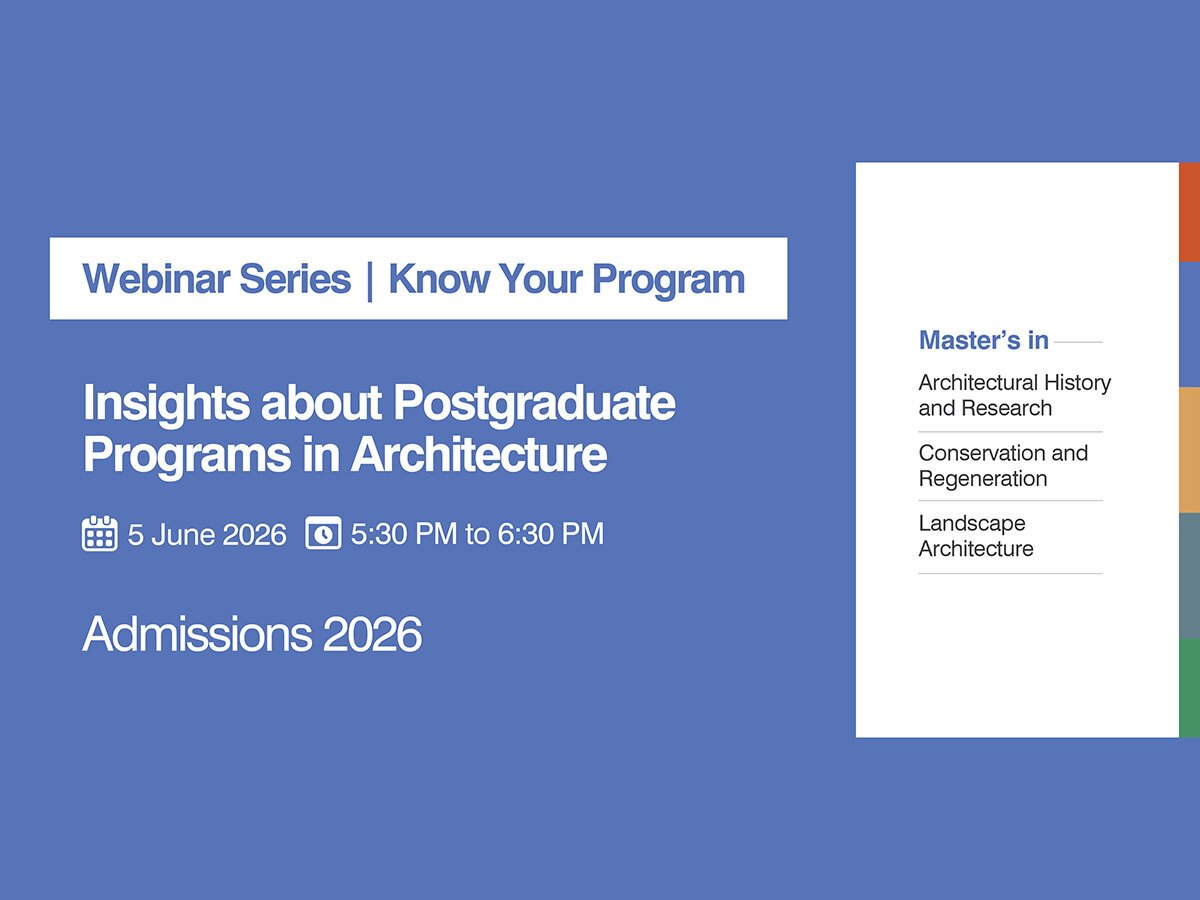

Faculty of Architecture | PG Admissions 2026 | Webinar Series | Know Your Programs
Jun 5 2026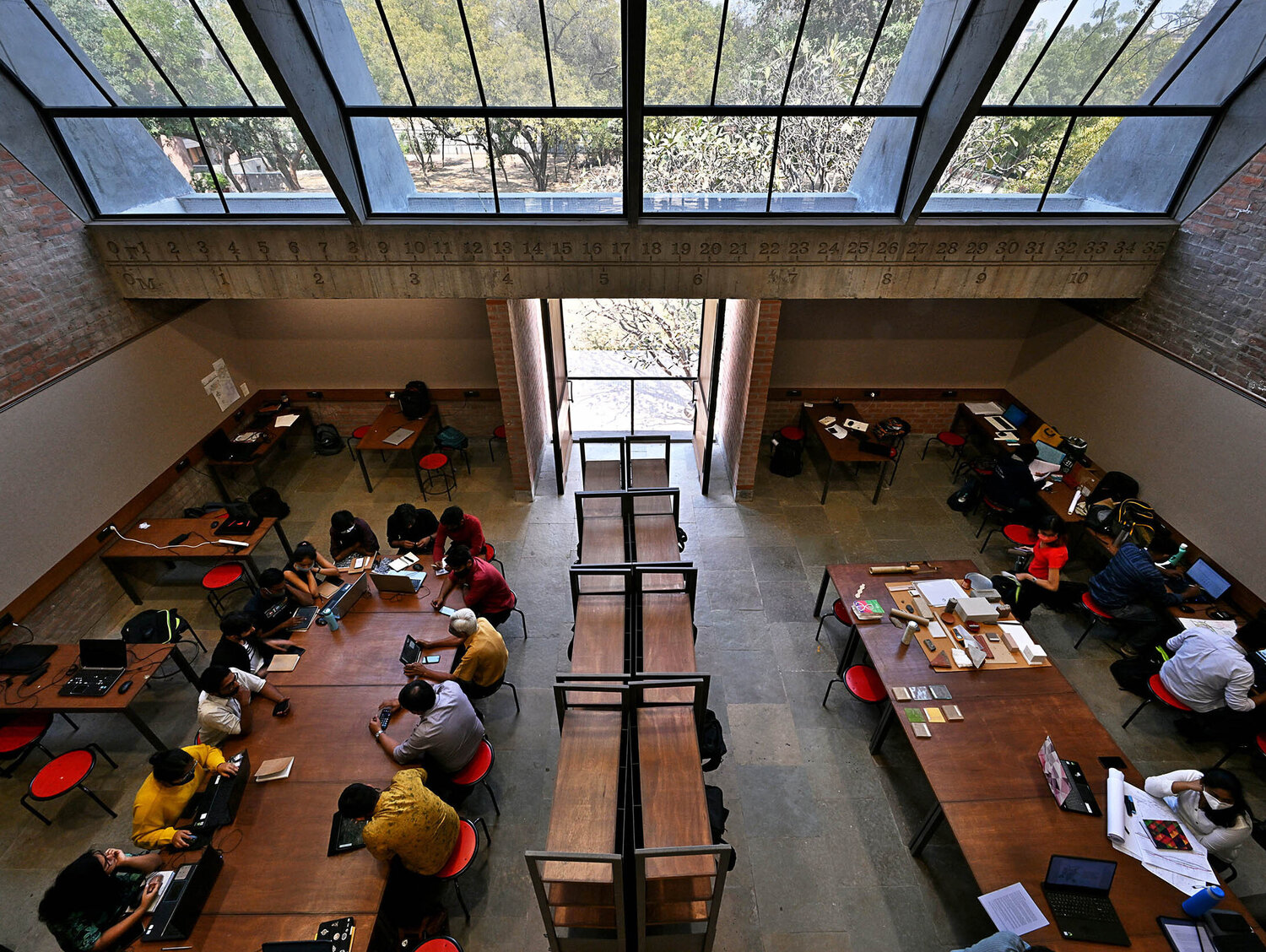

PG Admissions 2026 Round 2 are Now Open
May 22 2026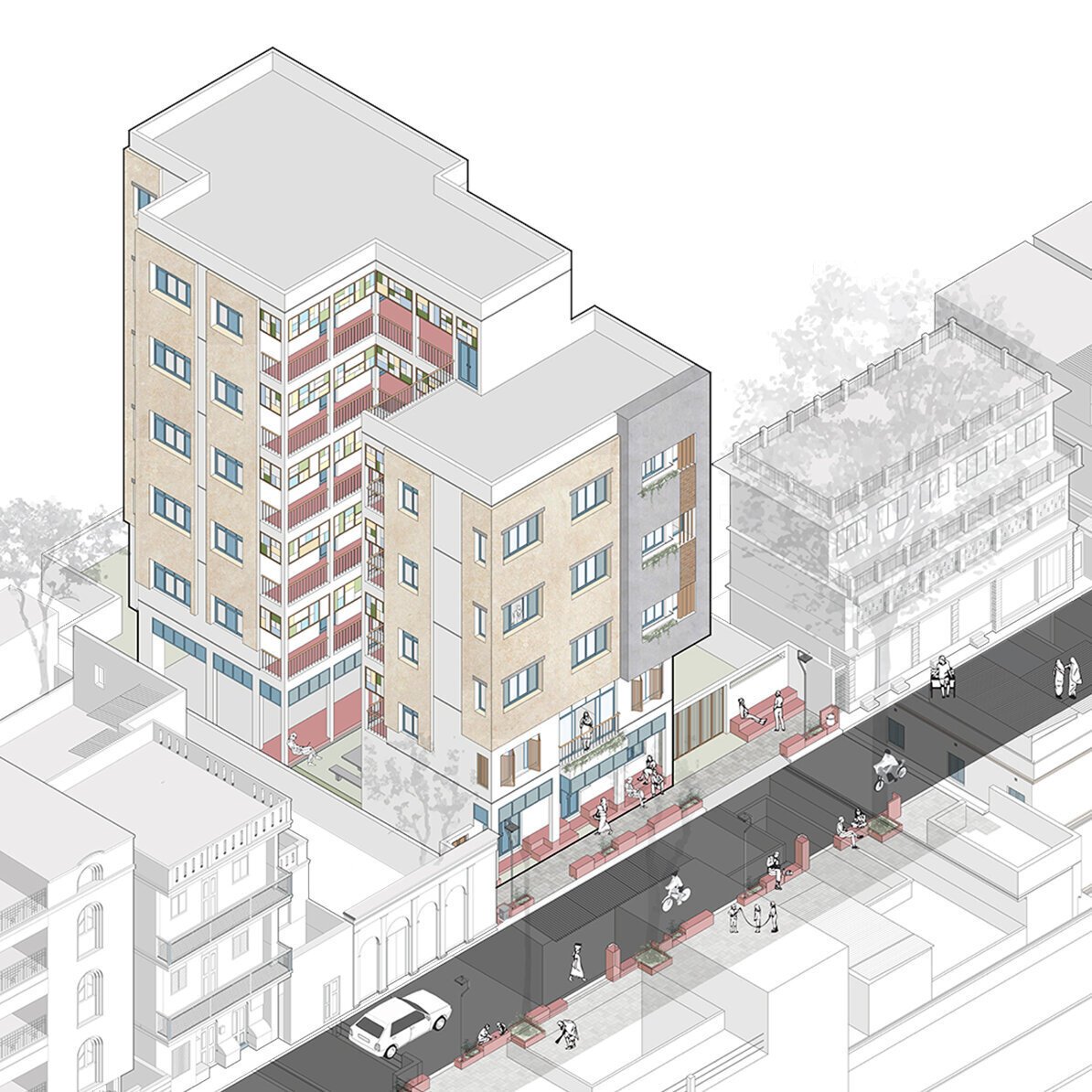

Revitalizing Abhay Mitro Street: Balancing Tradition with Contemporary Needs
Unni Ammu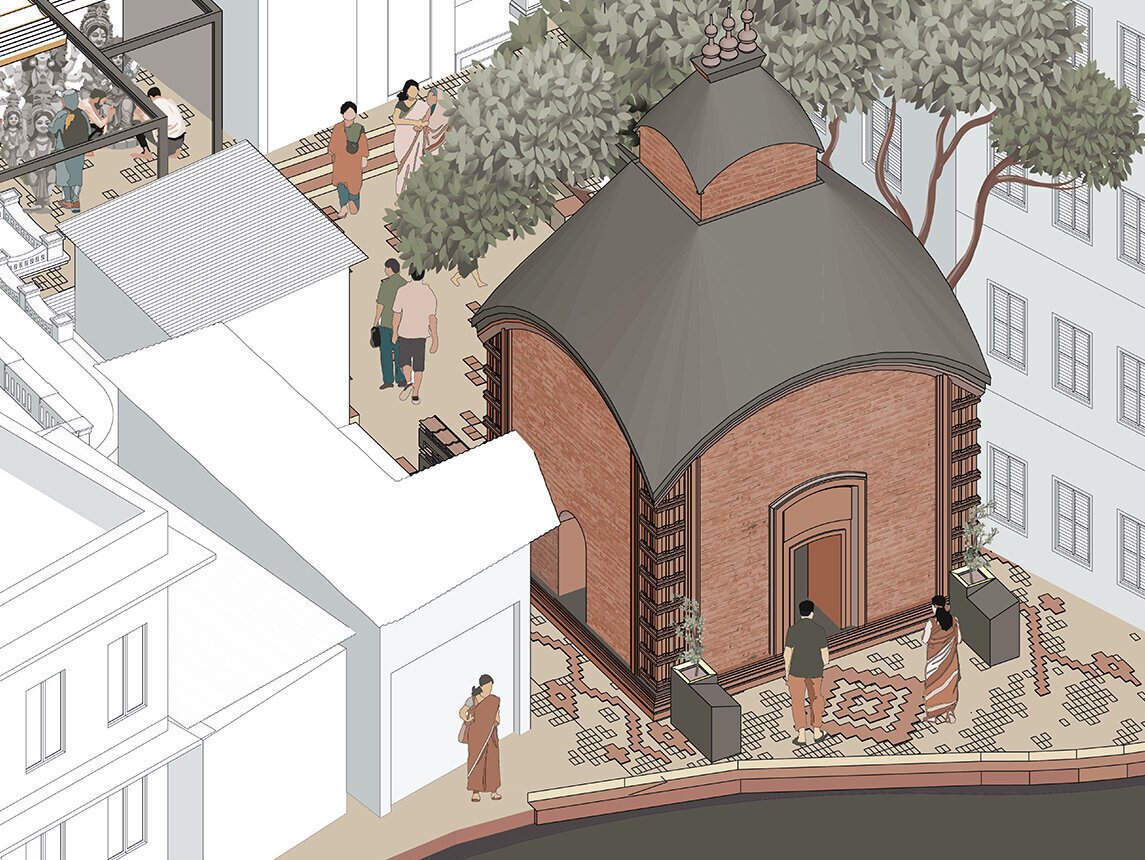

Revitalization of Baneswar Temple precinct
Gayathri S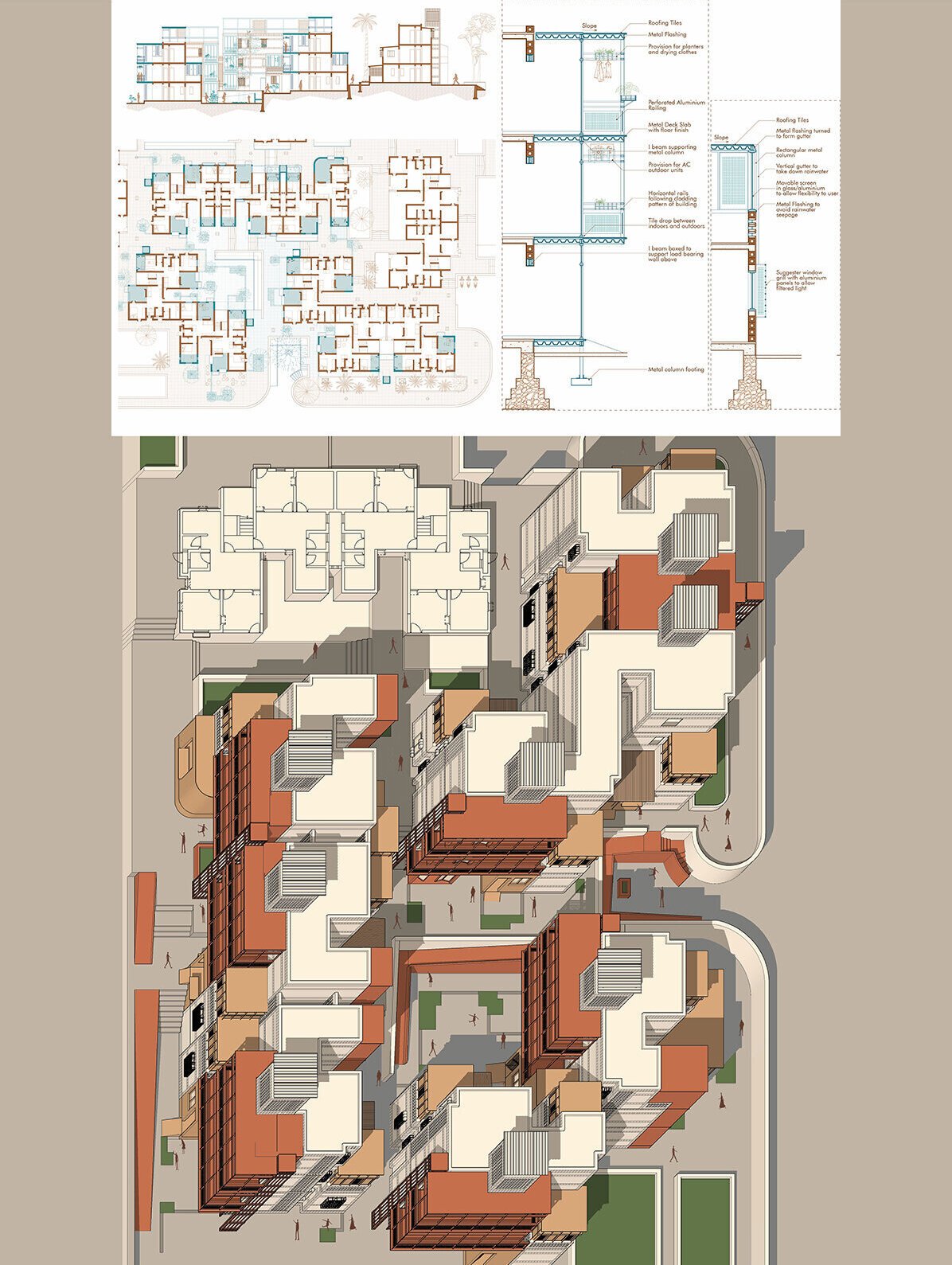

Between Past and Possible | Transforming Modernist Housing
Ankita Khalate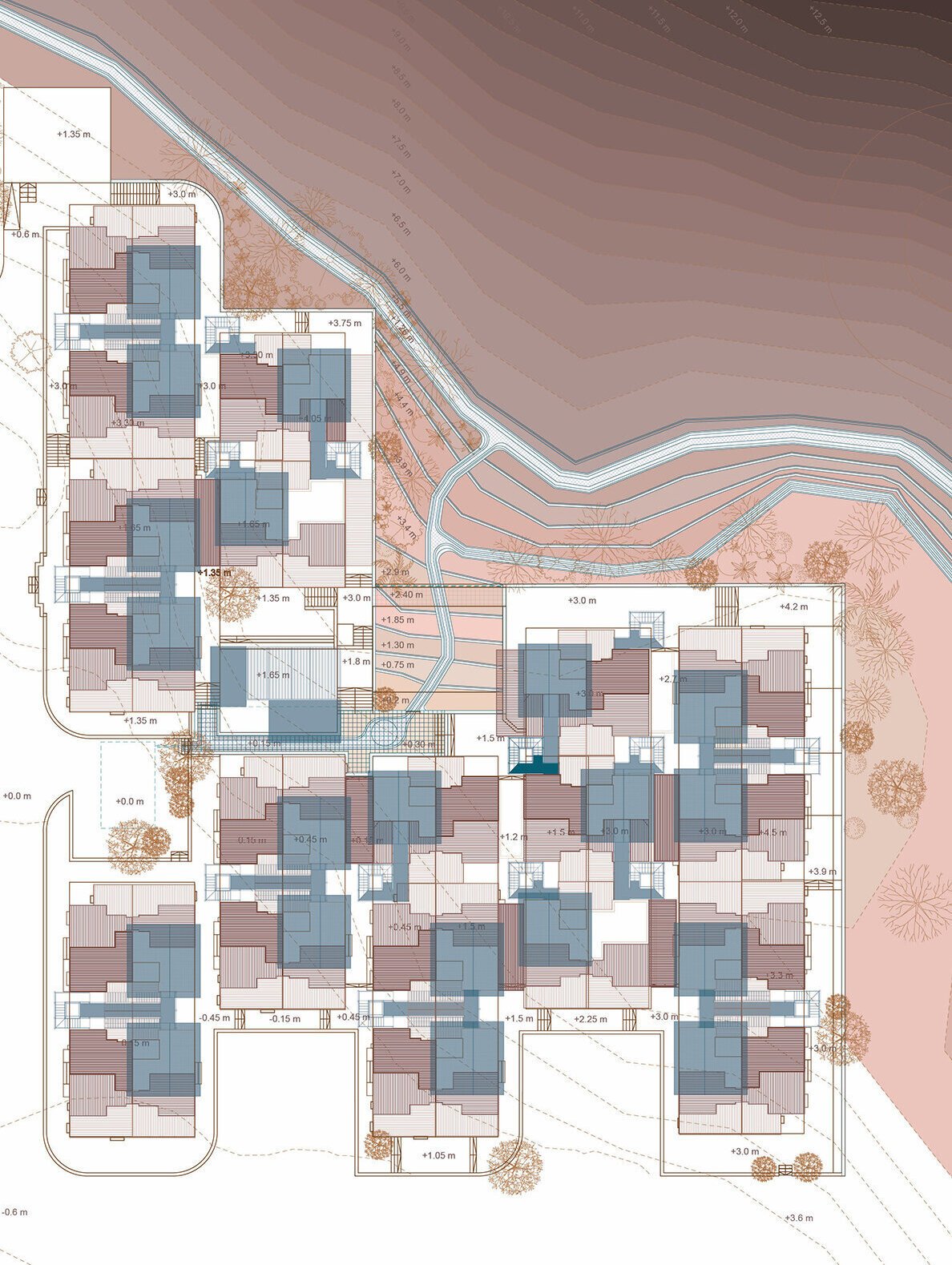

Grammar of Repair | Conservation as an Ecological Dialogue
Anjal Patel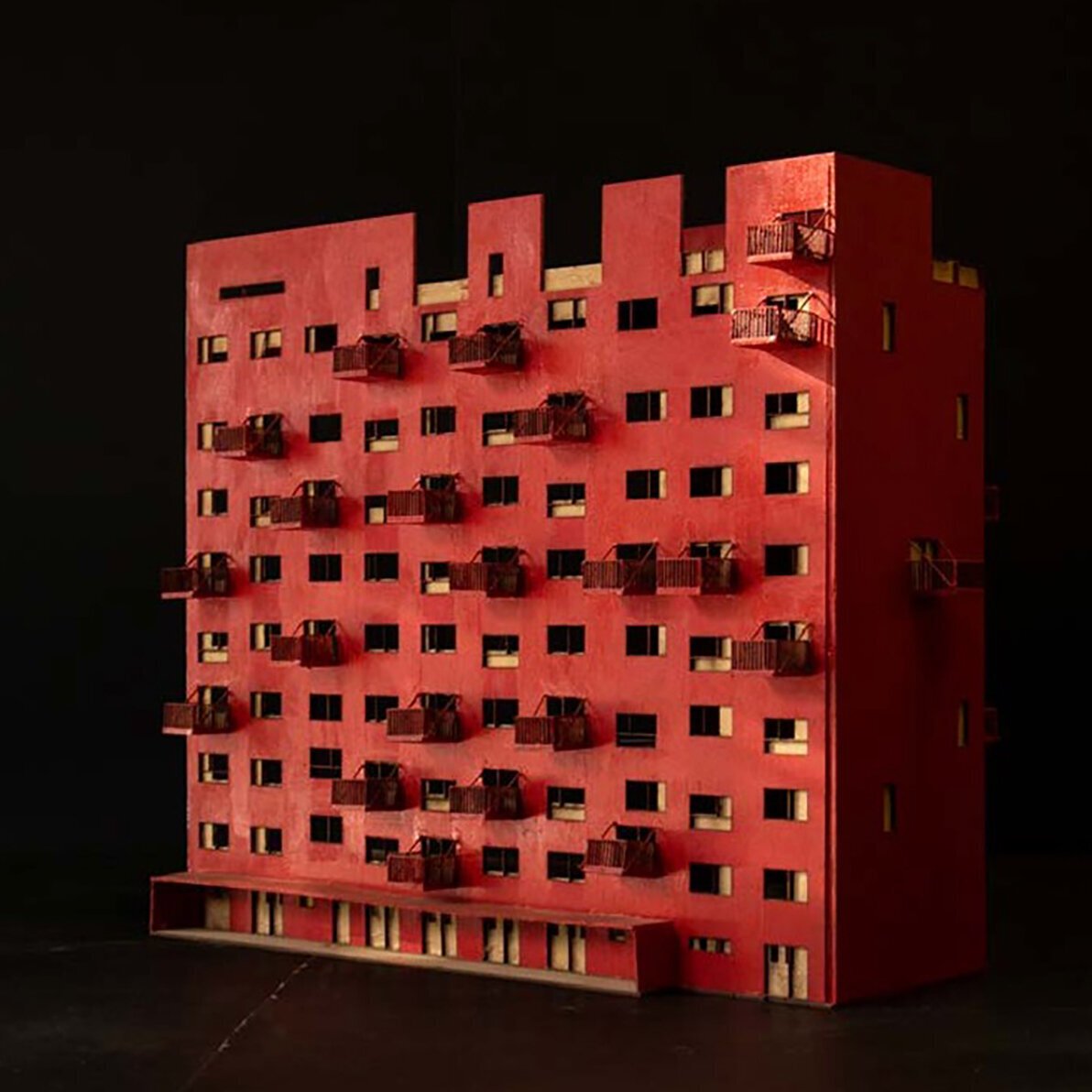

Study Models of Modernist Architecture
Suhani Shah & Khyati Khodia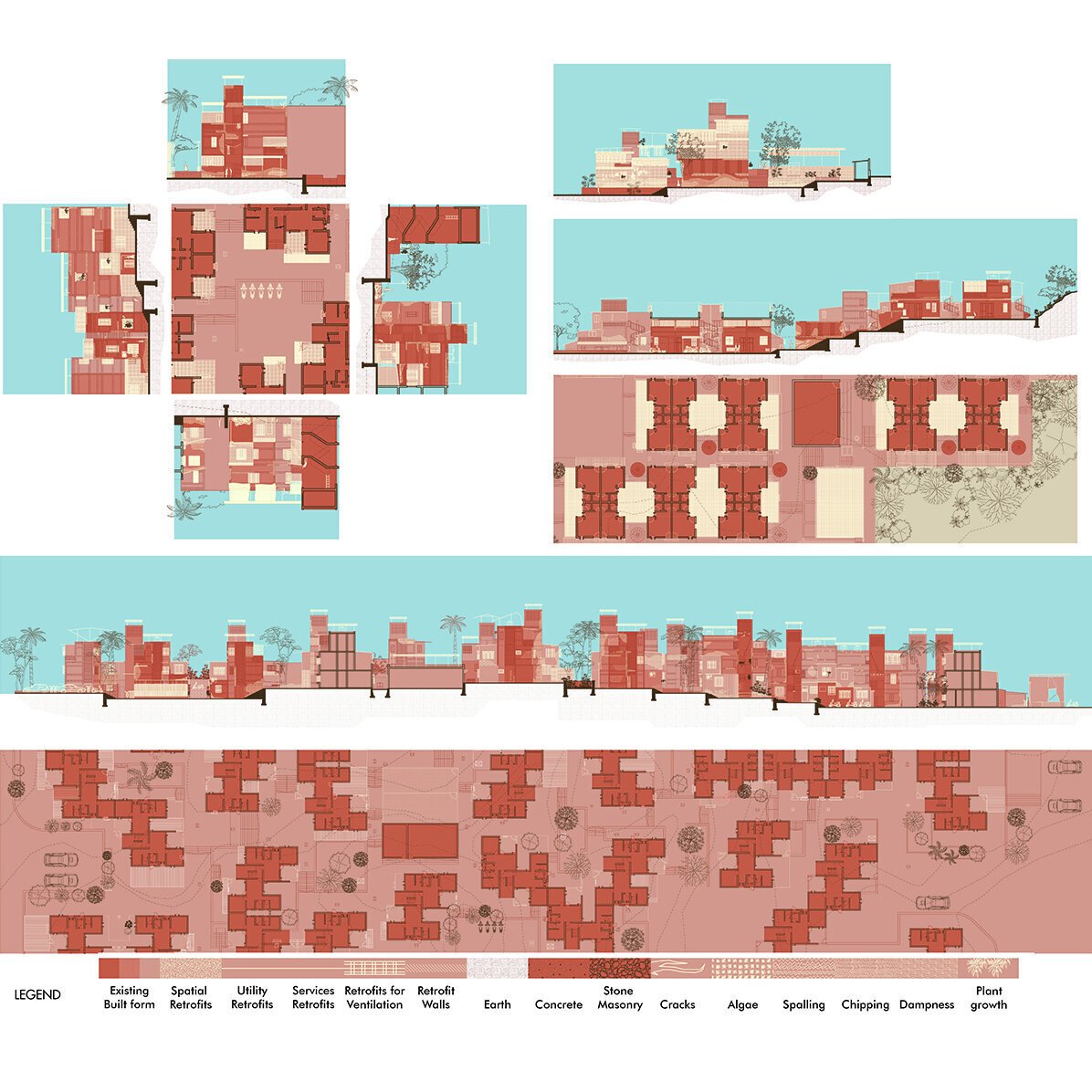

Conservation Case for CIDCO Housing
Anjal Patel, Ankita Khalate & 10 others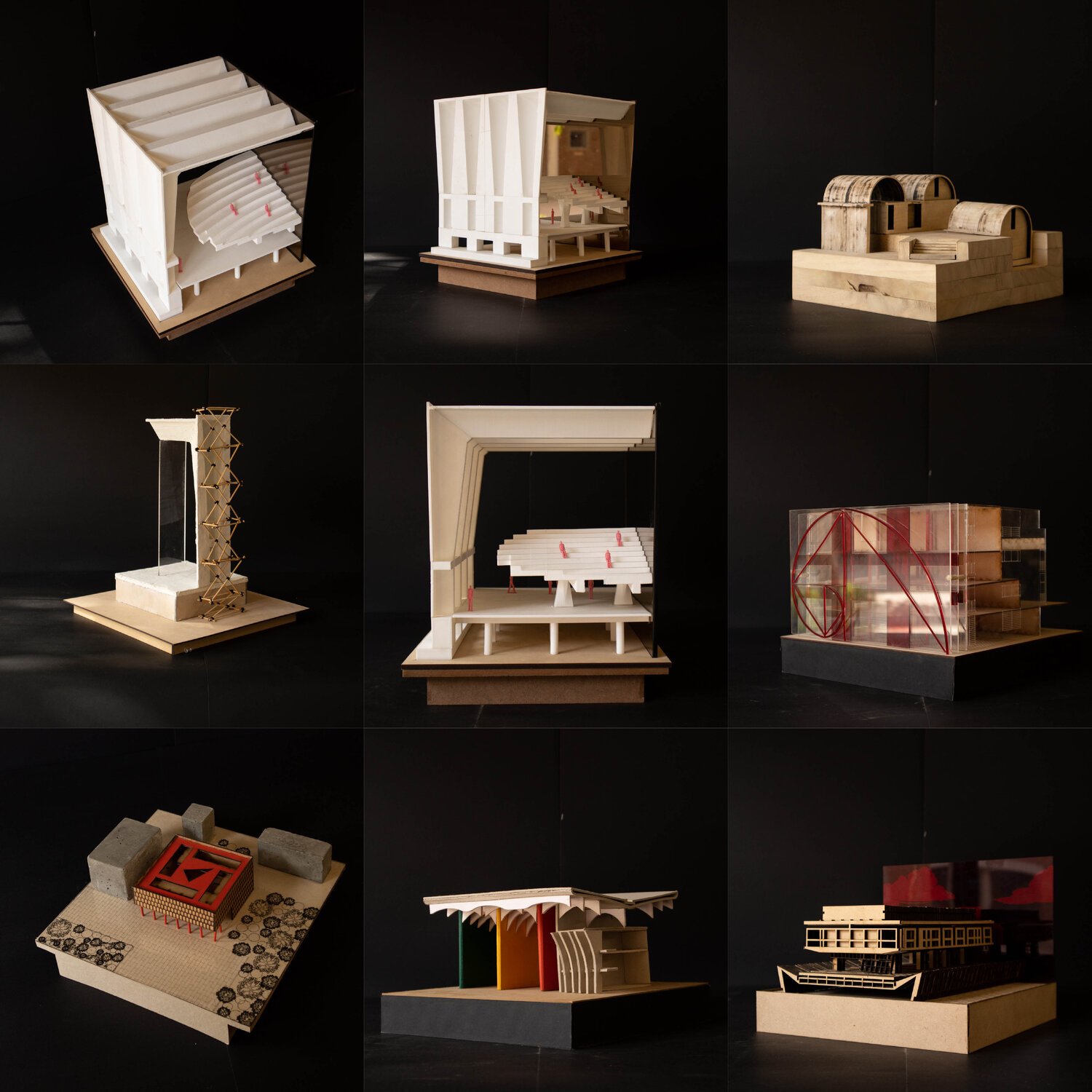

Study Models of Modernist Architecture
Gayatri Kangarkar, Pooja Shrotri & 6 others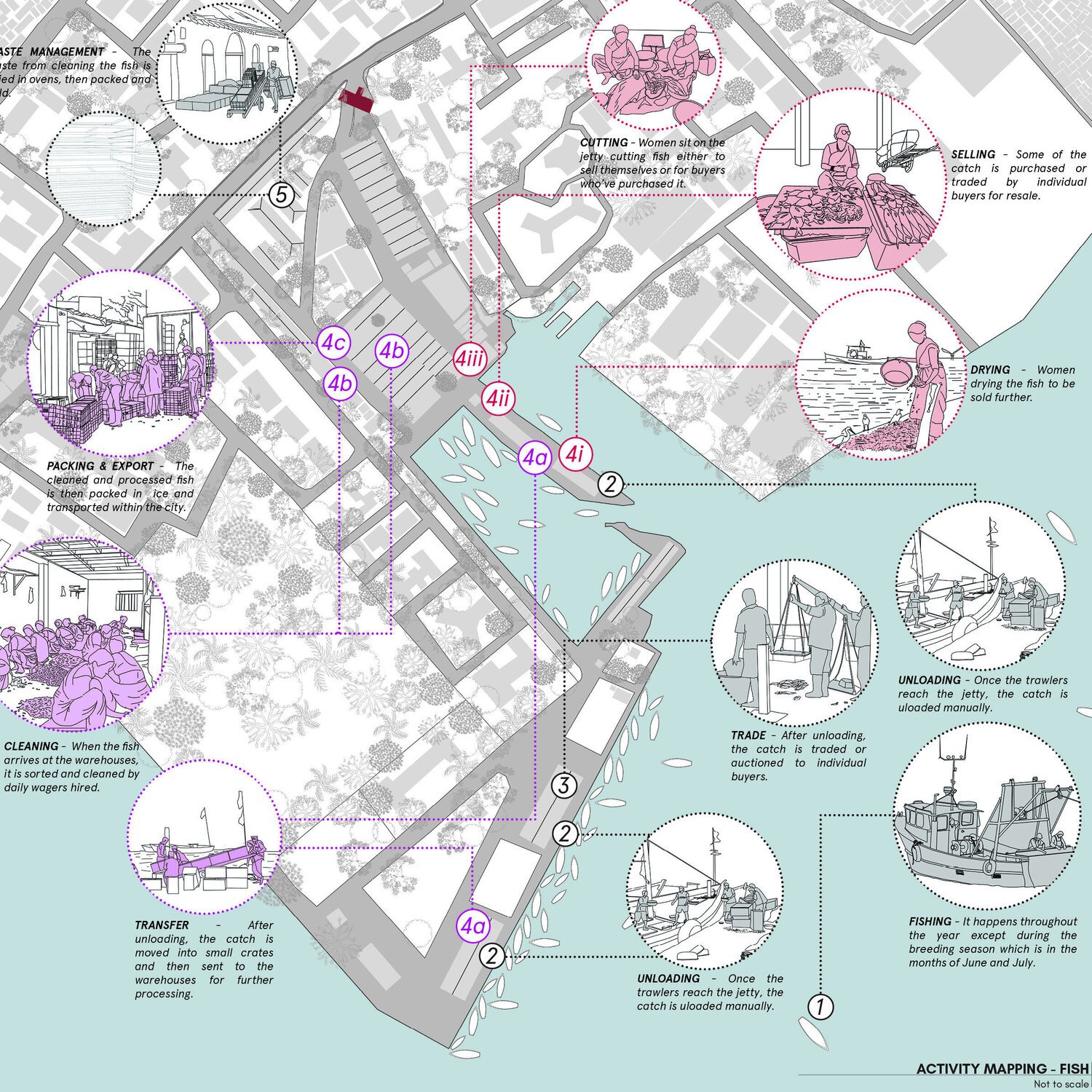
Mapping Fishing Activity at Sassoon Docks
Prachi Nishar, Suhani Shah & 3 others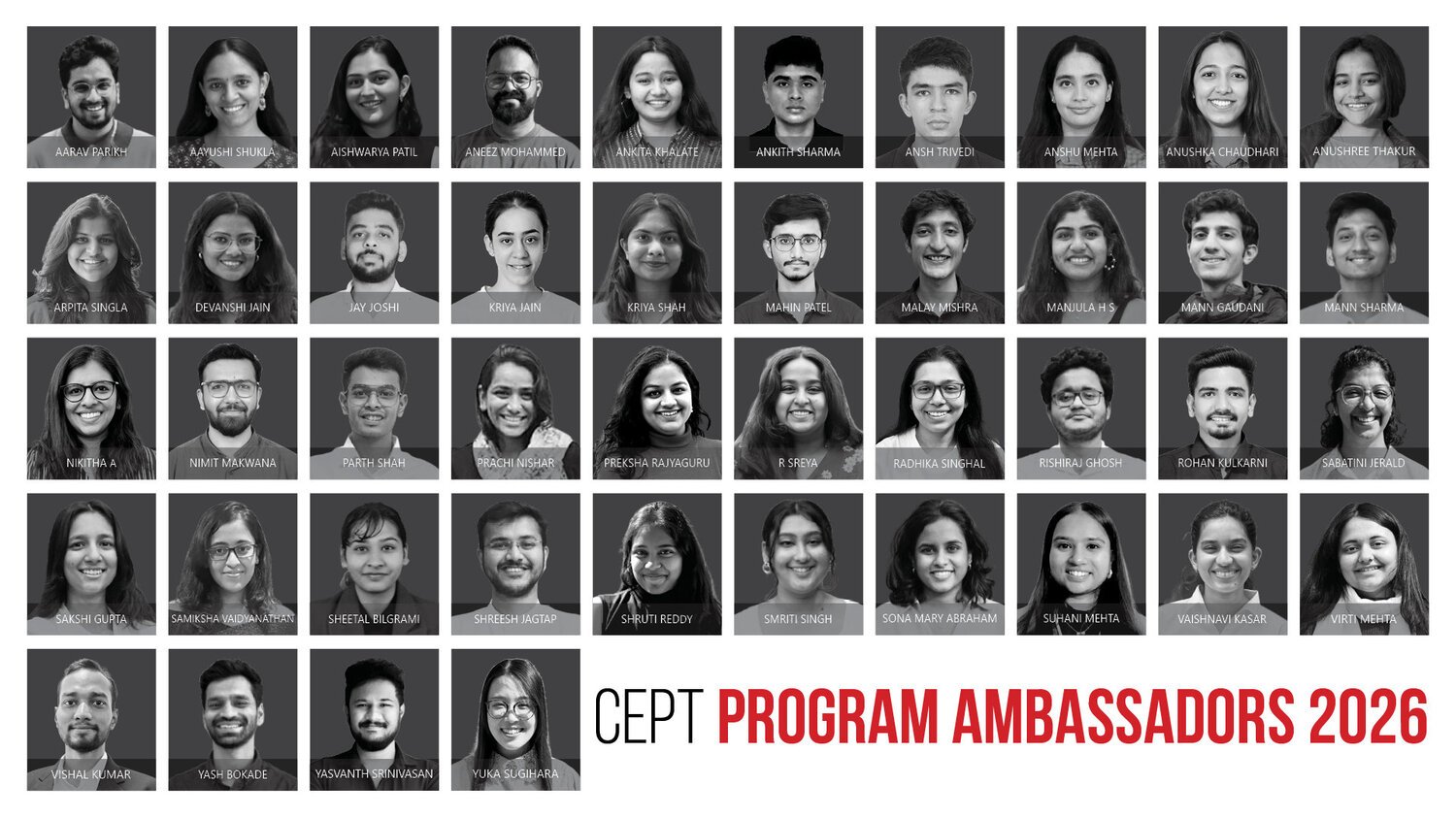

CEPT Welcomes Program Ambassadors 2026
Mar 25 2026
Postgraduate Admissions are open for Government Seats (for Gujarat Students)
Mar 18 2026
Accepts GATE 2026 Scores for Postgradute Programs Admissions in FA, FP, and FT
Mar 17 2026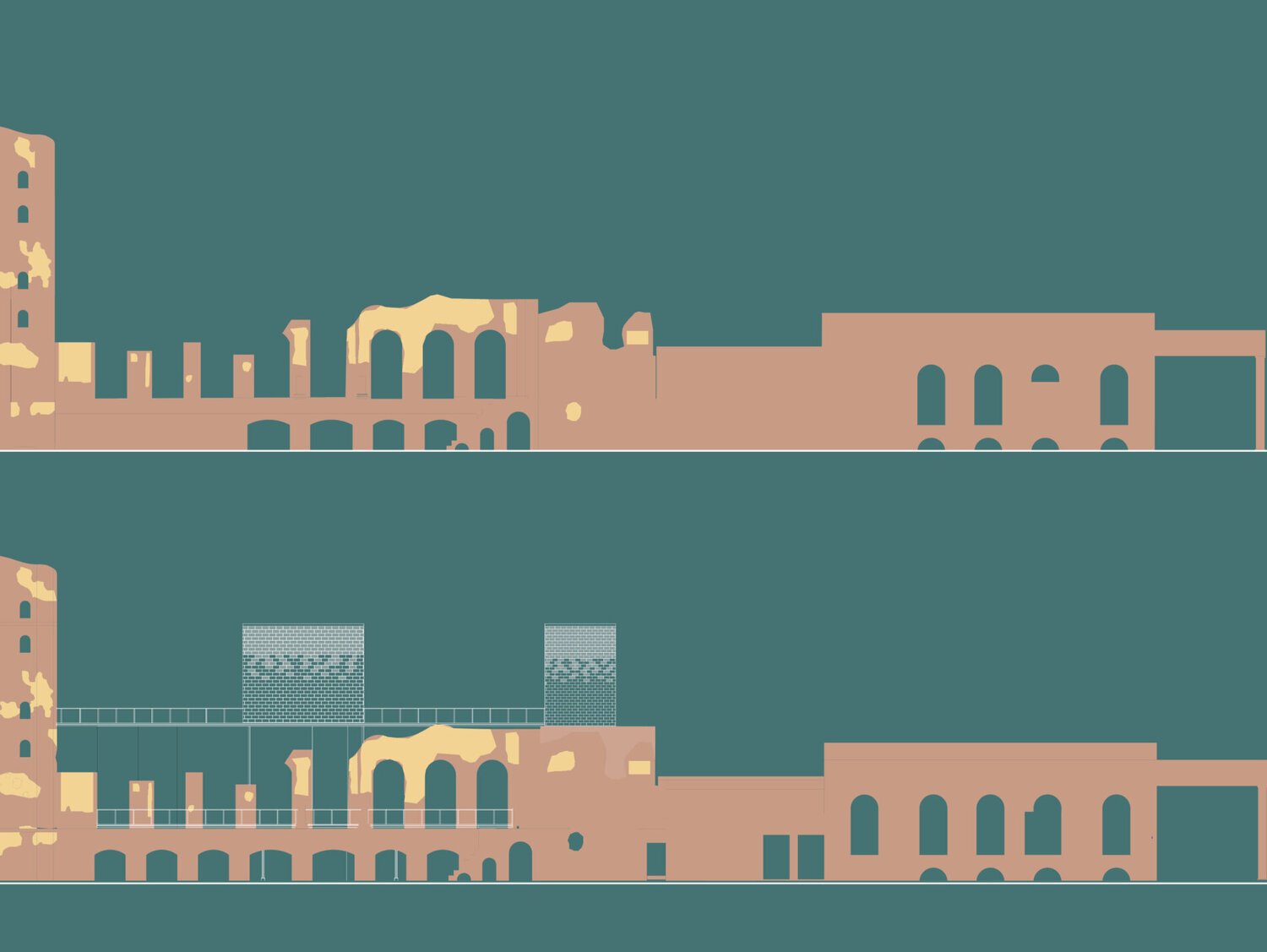

Out of Frame
Ananya R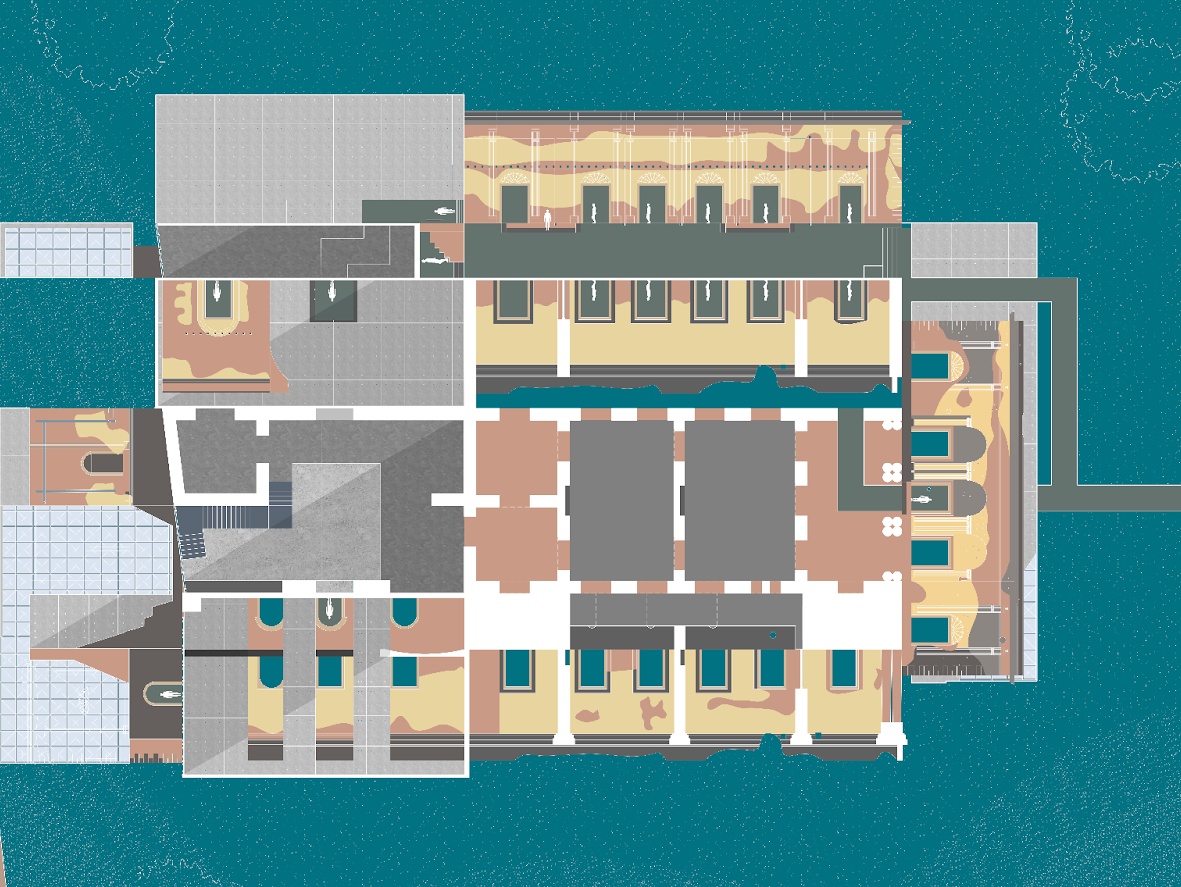

Ruins as Commons
Tarun Thakur