MAHR: Master’s in Architectural History and Research

- More information
Program brief
At MAHR, we nurture the capacity to see architecture as both evidence and proposition—an expression of how societies imagine, build, and remember themselves. The program cultivates historical understanding not as preservation alone, but as the ground from which new meaning and relevance emerge.
Integrating history, research, and critique within a studio-based environment, we help our students develop the ability to think, write, and draw with precision and care. They learn to work with buildings, archives, and ideas as interconnected terrains—translating observation into insight, and insight into thoughtful action.
This approach trains scholars and practitioners who can situate architecture within its wider cultural, environmental, and ethical contexts. Graduates bring this sensibility into diverse fields—writing, curation, conservation, education, and practice—where their work strengthens the link between knowledge and the world it serves.
MAHR is, above all, a space for learning how to see again: to recognise what gives architecture its meaning, and to participate, with attentiveness and imagination, in the continuing task of shaping it toward relevance and care.
- More information
Message from Program Chair
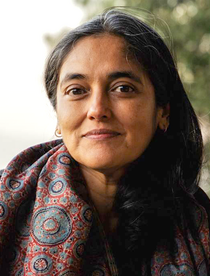
Faculty of Architecture
Program Structure
- Degree Title
- M. Arch
- Majors
-
Architectural History
Research & Critique - Duration
- Two Years | Four Semesters
- Total Credits
- 80 across Two Years
Key Features
The Master's in Architectural History and Research (MAHR) is a two-year program spread across four semesters, with summer and winter schools offering electives and allied subjects that extend learning beyond the classroom. Our curriculum is built around three interdependent tranches—Texts & Ideas, Skills & Methods, and Studios—which constitute the program’s intellectual and pedagogical ground.
Texts & Ideas (6 credits across 2 years) cultivates understanding through close reading, discussion, and reflective writing. Students engage key debates and concepts that shape architectural thought, learning to see histories as living grounds for inquiry rather than distant records.
Skills & Methods (6 credits across 2 years) provide the tools through which ideas are explored, tested, and shared. Courses and workshops on writing, archives, and public scholarship equip students to articulate research with clarity and care—turning method into a practice of responsibility.
Studios (56 credits across 2 years) anchor each semester, bringing together research, drawing, and critique in the presence of real sites, institutions, and questions. These collaborative studios often intersect with allied disciplines—conservation, landscape, tectonics, and others—forming an evolving ecology of inquiry.
Across four semesters, the studio sequence moves from shared investigation to independent authorship, allowing students to engage architecture as both evidence and proposition, and to discover relevance through sustained attention, imagination, and care.
- Semester 01 : Reading Change and Continuity
The first semester cultivates an instinct for historical thinking — learning how to see, and how to describe what is seen.
Texts & Ideas introduces students to Approaches to History and Reading Architectural Thought, establishing the conceptual ground for studying architecture historically.
Skills & Methods focus on Academic Writing, combining clarity of language with familiarity in working with primary sources.
The Studio brings these strands together in a shared inquiry that begins from existing structures — examining material and temporal continuity through the lens of repair, maintenance, and care.
- Semester 02 : Landscapes of Inquiry
The second semester expands the field of attention, situating architecture within larger ecological and cultural terrains.
Texts & Ideas deepen historiographic understanding through Architectural Historiography and Theory and Method in Architecture.
Skills & Methods extend to an Introduction to Archives
The Studio engages with landscapes — hydrological, ecological, and social — where drawing becomes a mode of research rather than representation, revealing the relationships between people and ground.
- Semester 03 : Complex Histories of the Built Environment
The third semester brings together urban, institutional, and cultural geographies.
Texts & Ideas courses such as Key Texts in Architecture and Histories of the Modern invite students to examine how ideas, infrastructures, and institutions shape the built world.
Skills & Methods advance an Introduction to Curatorial and Public Scholarship, encouraging students to frame and communicate research through visual and spatial arguments.
The Studio explores complex histories at multiple scales — from neighbourhoods to networks — emphasising historiography as both method and invention.
- Semester 04 : On Authorship
The final semester focuses on independence, synthesis, and authorship.
The Studio brings all strands together, offering two paths: a Directed Research Project (DRP) that combines writing, drawing, and curation; or a Tectonic Inquiry that studies a building as living evidence. Both routes test how architecture can still be thought — and how thought can take architectural form.
*The program structure and courses indicated above are based on previous years’ offerings and are subject to change.
Program Ambassadors


Board of Review (BOR) Members
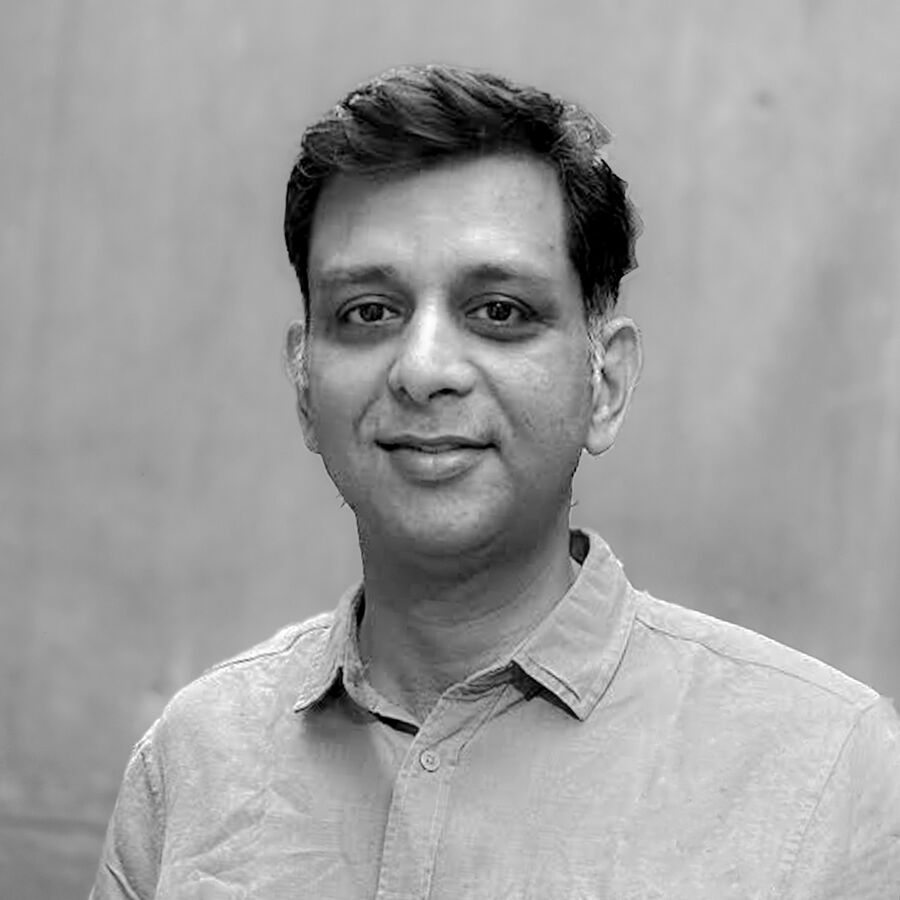

Aparajith Ramnath
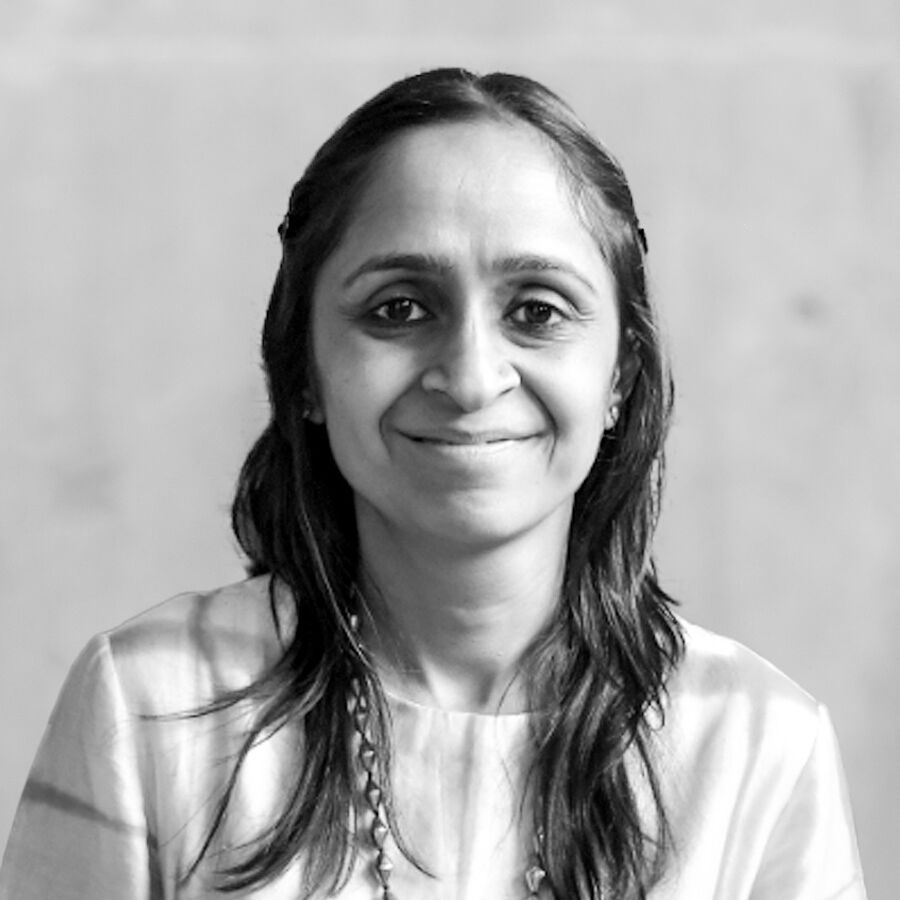
Tanya Khanna
What's new in Master’s in Architectural History and Research
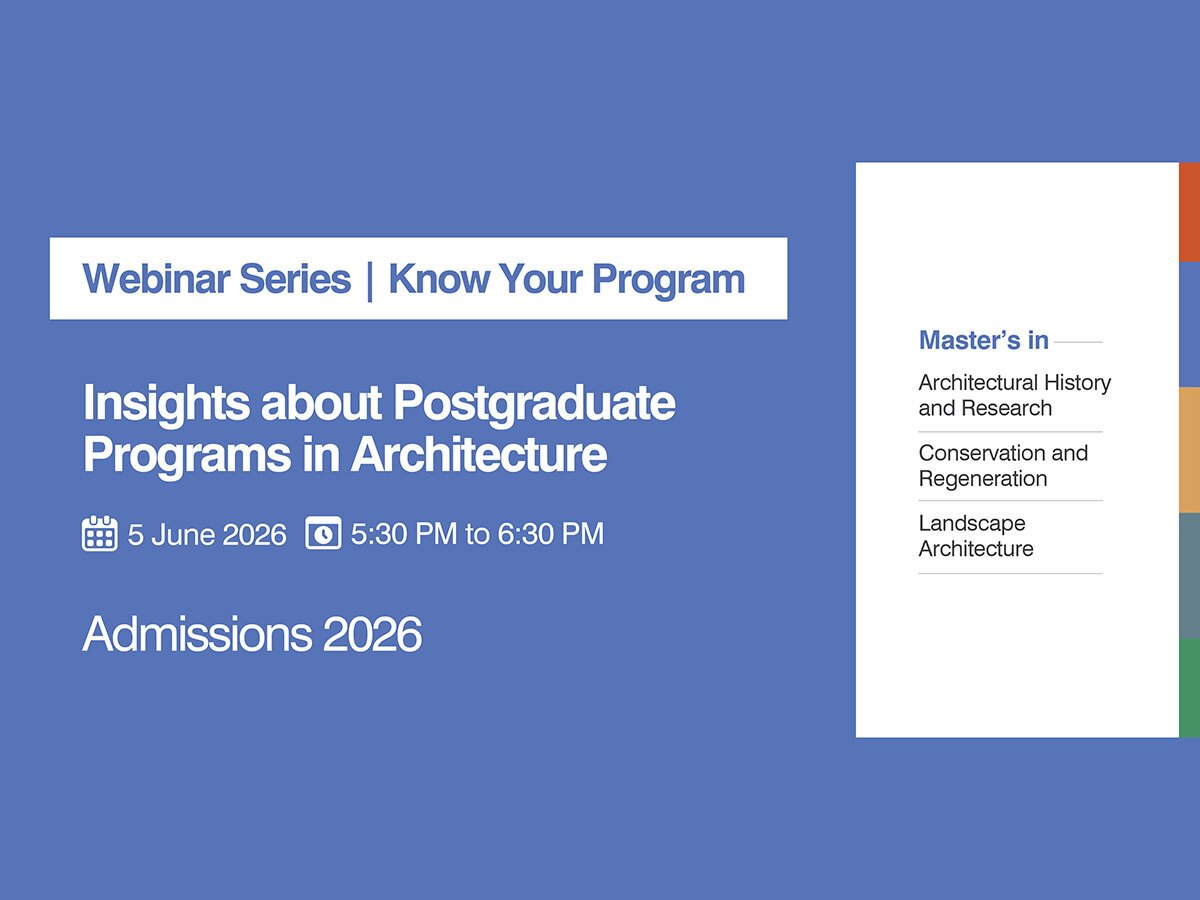

Faculty of Architecture | PG Admissions 2026 | Webinar Series | Know Your Programs
Jun 5 2026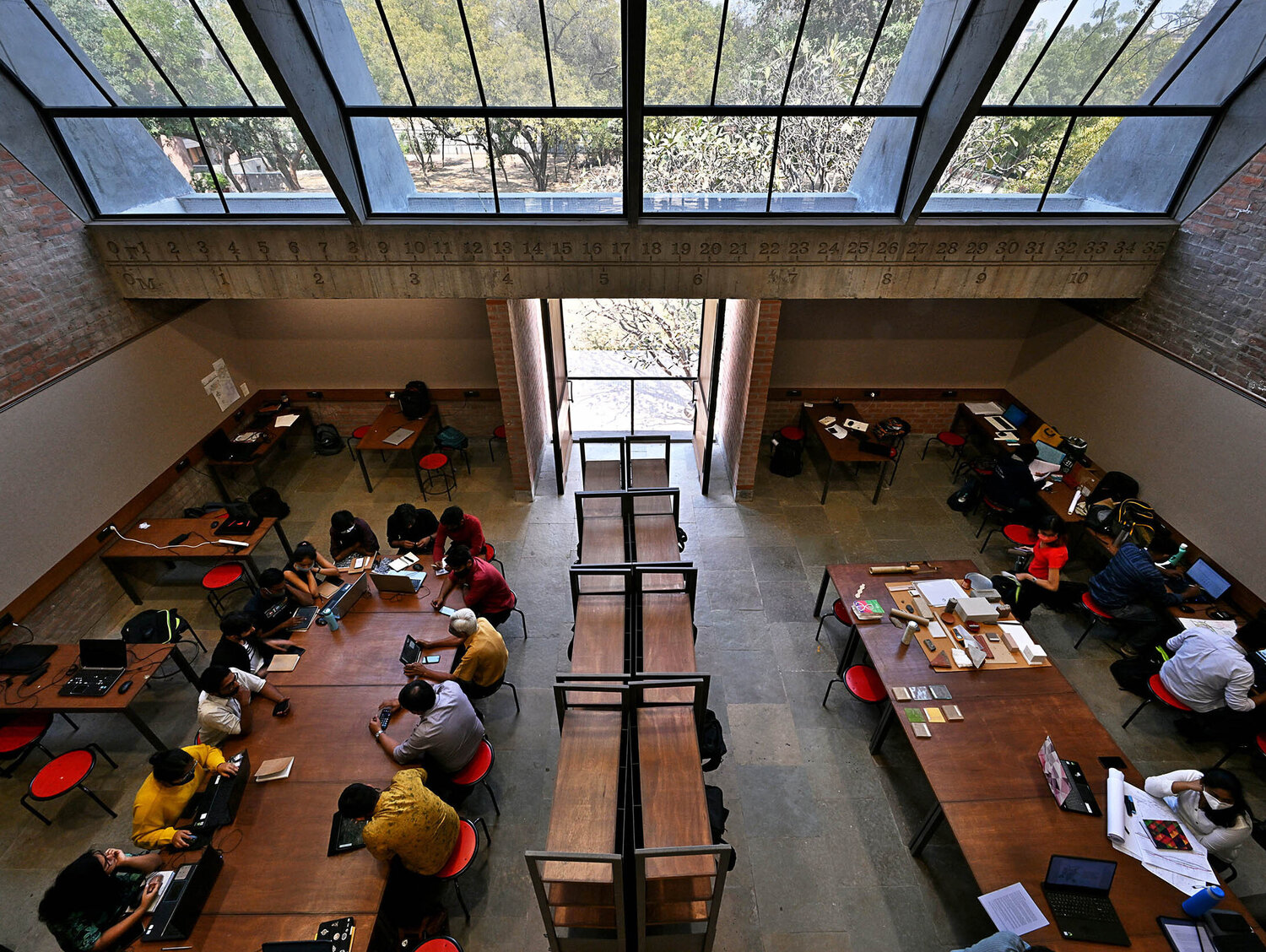

PG Admissions 2026 Round 2 are Now Open
May 22 2026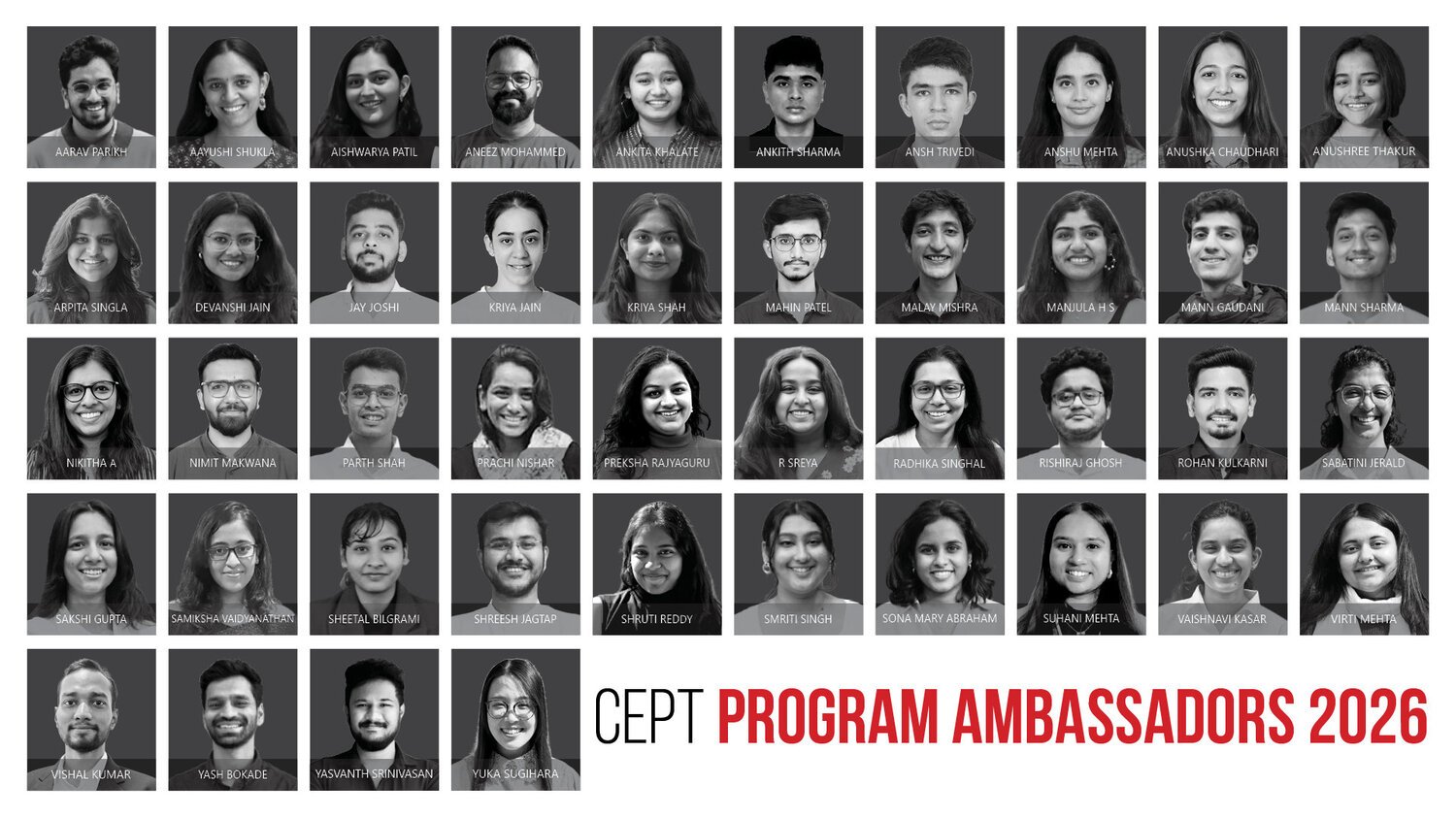

CEPT Welcomes Program Ambassadors 2026
Mar 25 2026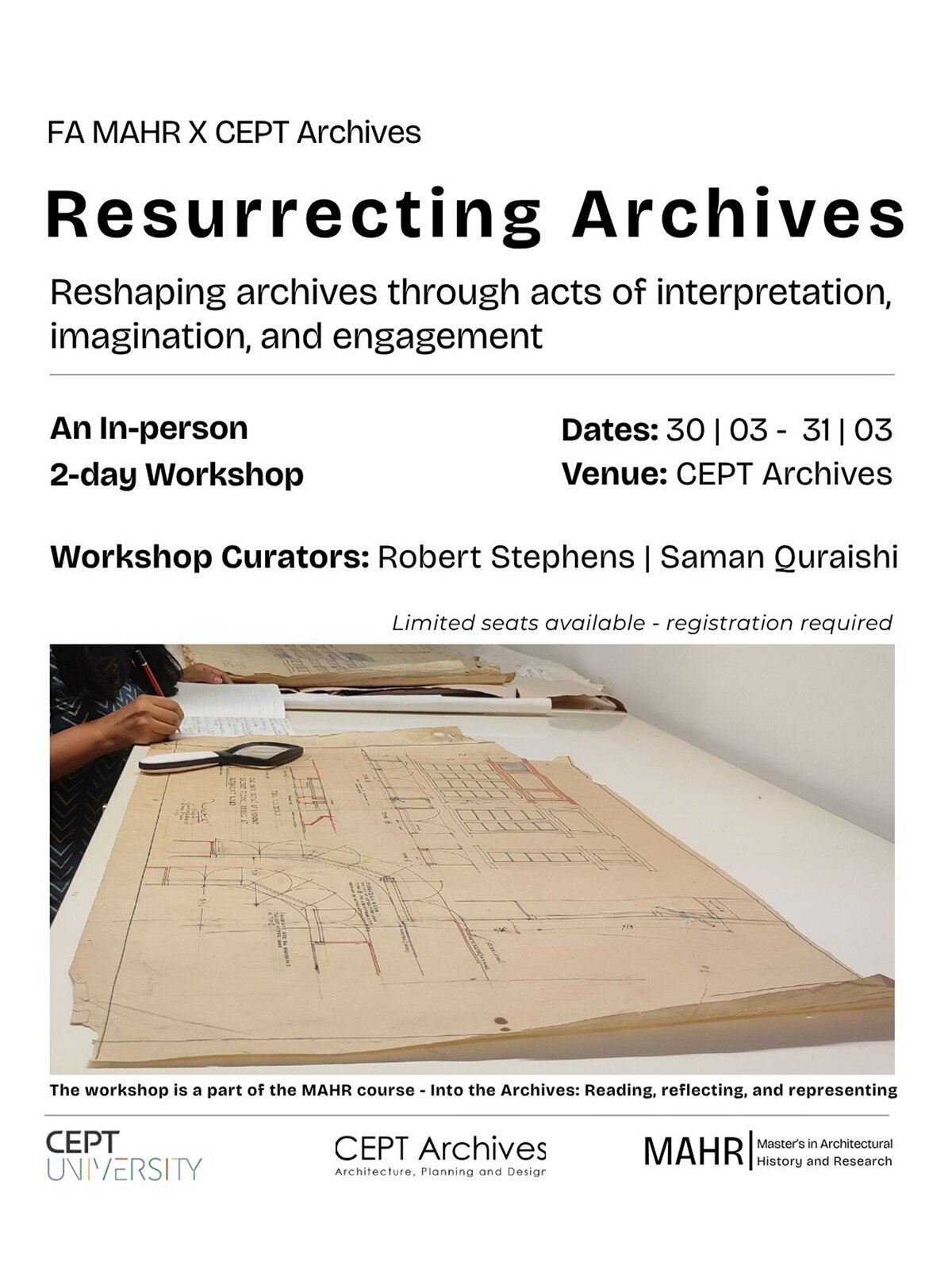

Resurrecting Archives
Mar 30 2026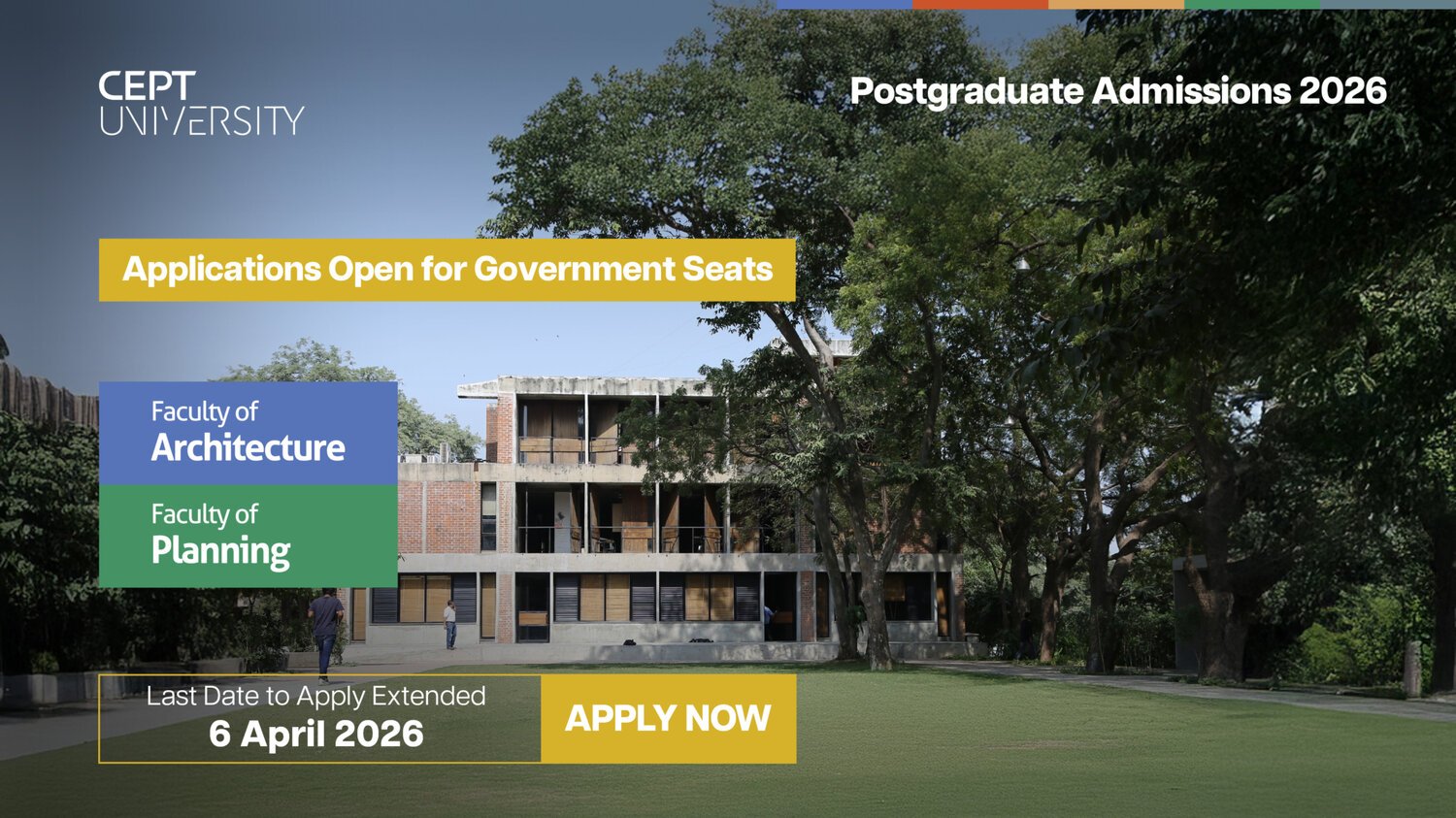
Postgraduate Admissions are open for Government Seats (for Gujarat Students)
Mar 18 2026
Accepts GATE 2026 Scores for Postgradute Programs Admissions in FA, FP, and FT
Mar 17 2026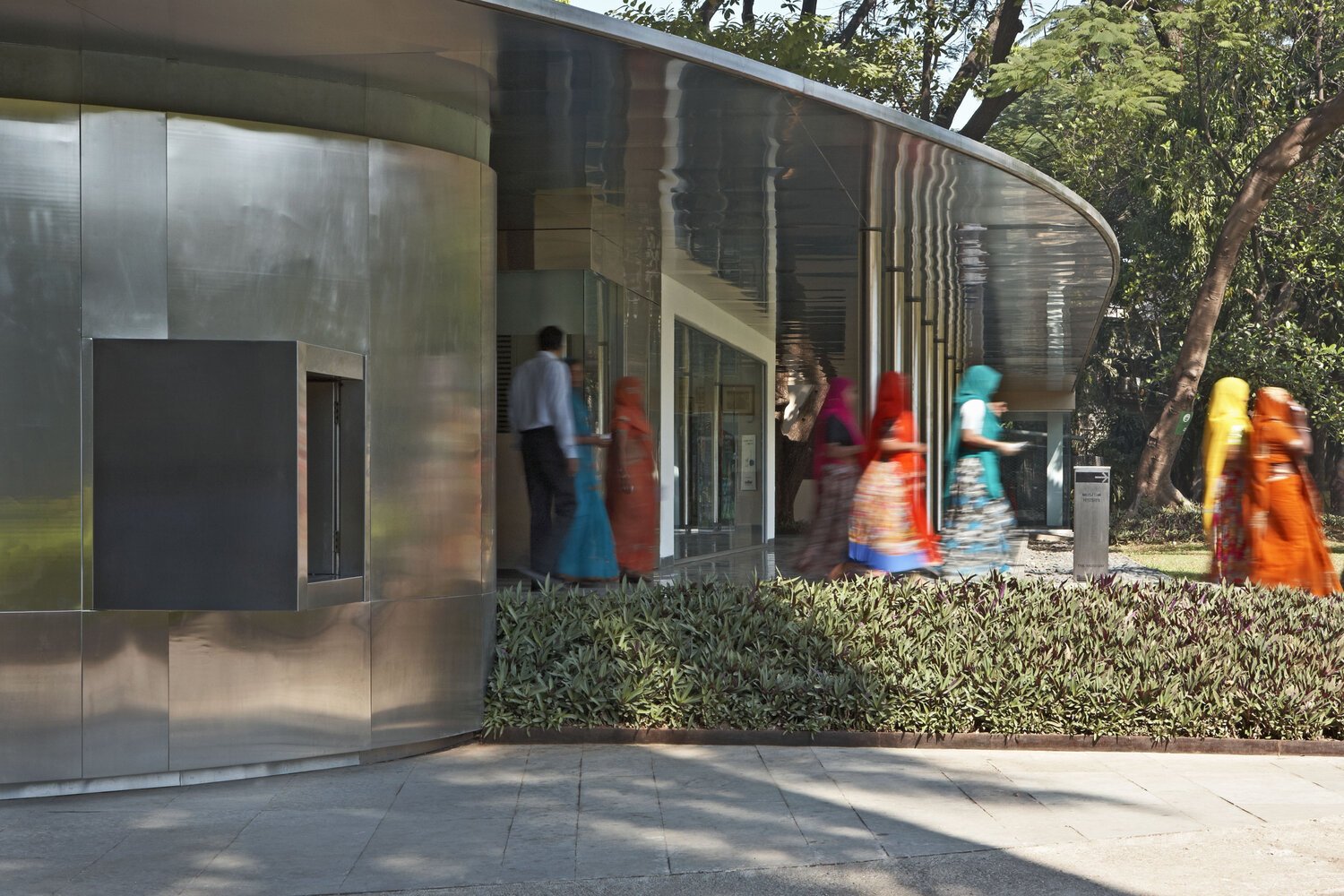

Practice as Research: Towards a Multiplicity of Modes of Engagement
Mar 9 2026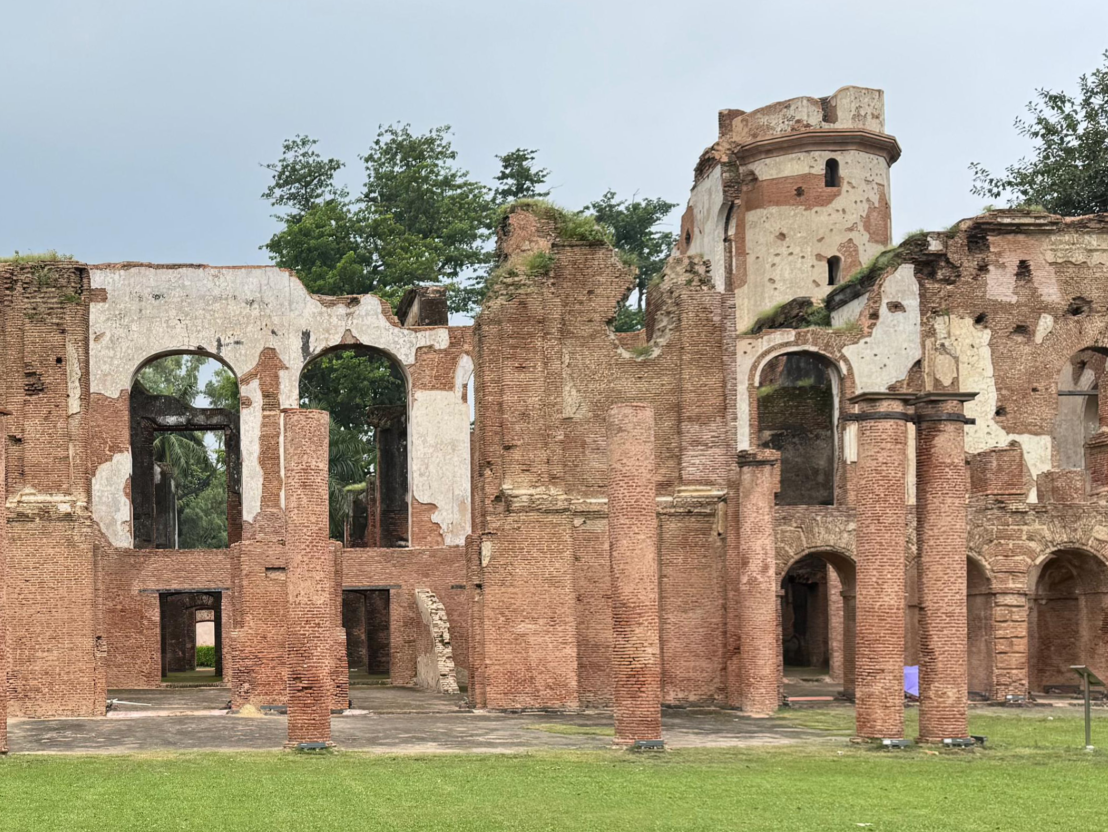

The Politics of Imperialism: Architectural and Archival Fabrications at the Lucknow Residency
Bhavya Jain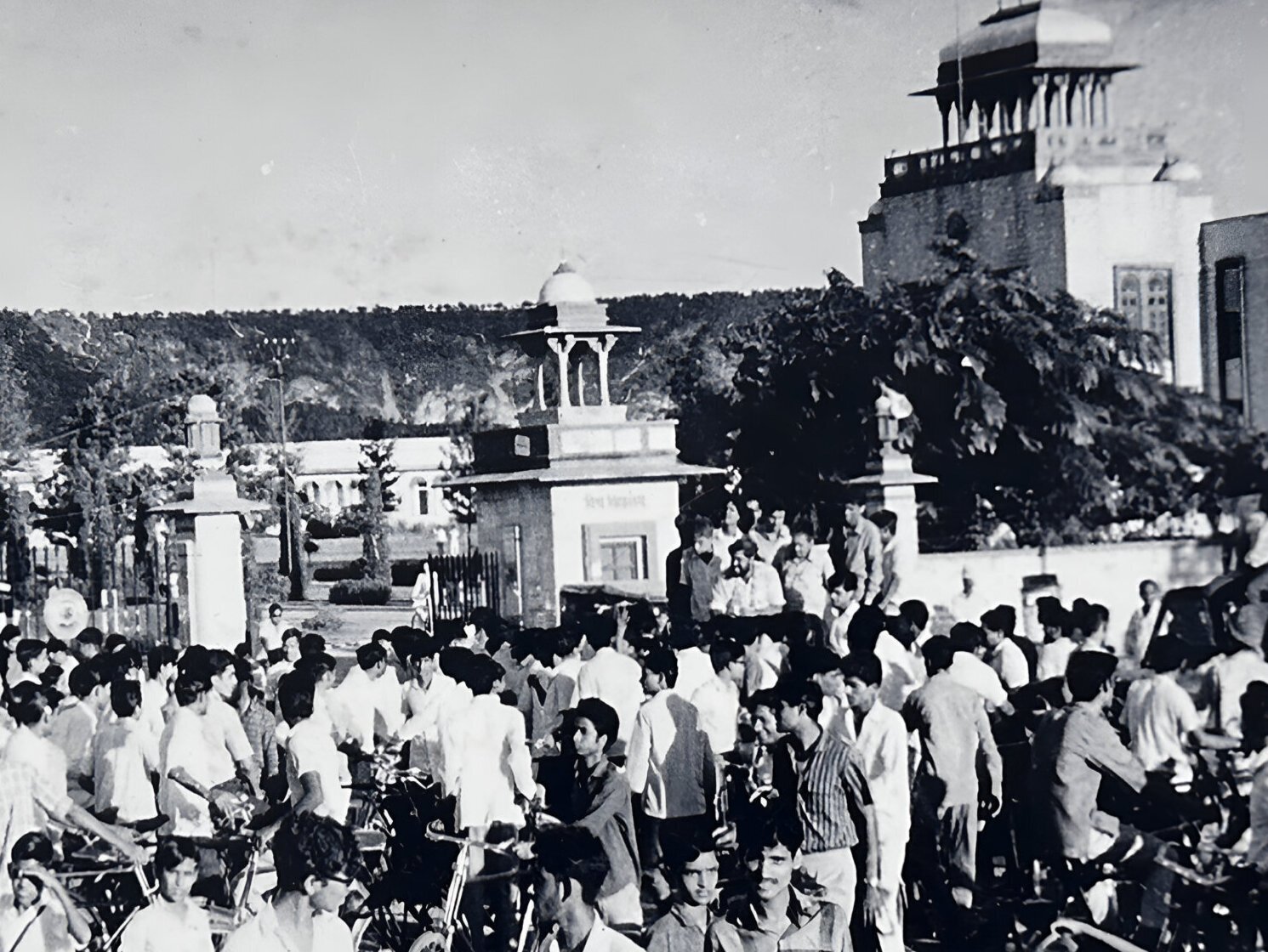

From Subjects to Citizens- The Making of Modern Jaipur through Educational Institutions (1850s–1980s)
Rashmi Varma