CEPT to Host Walkability Living Lab Under Global VREF Research Program

CEPT University will host a ‘Walkability Living Lab’ over the next four years, strengthening its commitment to research-led engagement on sustainable urban mobility.
A living lab is a real-world, open innovation ecosystem in which researchers, practitioners, policymakers, and communities collaboratively co-create and test solutions within everyday urban environments. The CEPT Walkability Living Lab will serve as a platform for applied research, experimentation, and knowledge exchange focused on improving pedestrian environments in Indian cities.
The initiative is part of a large international consortium hosted at University College London and led by Daniel Oviedo Hernandez. The consortium is funded by the Volvo Research and Education Foundations (VREF) under its international research programs, Walking as a Mode of Transport.

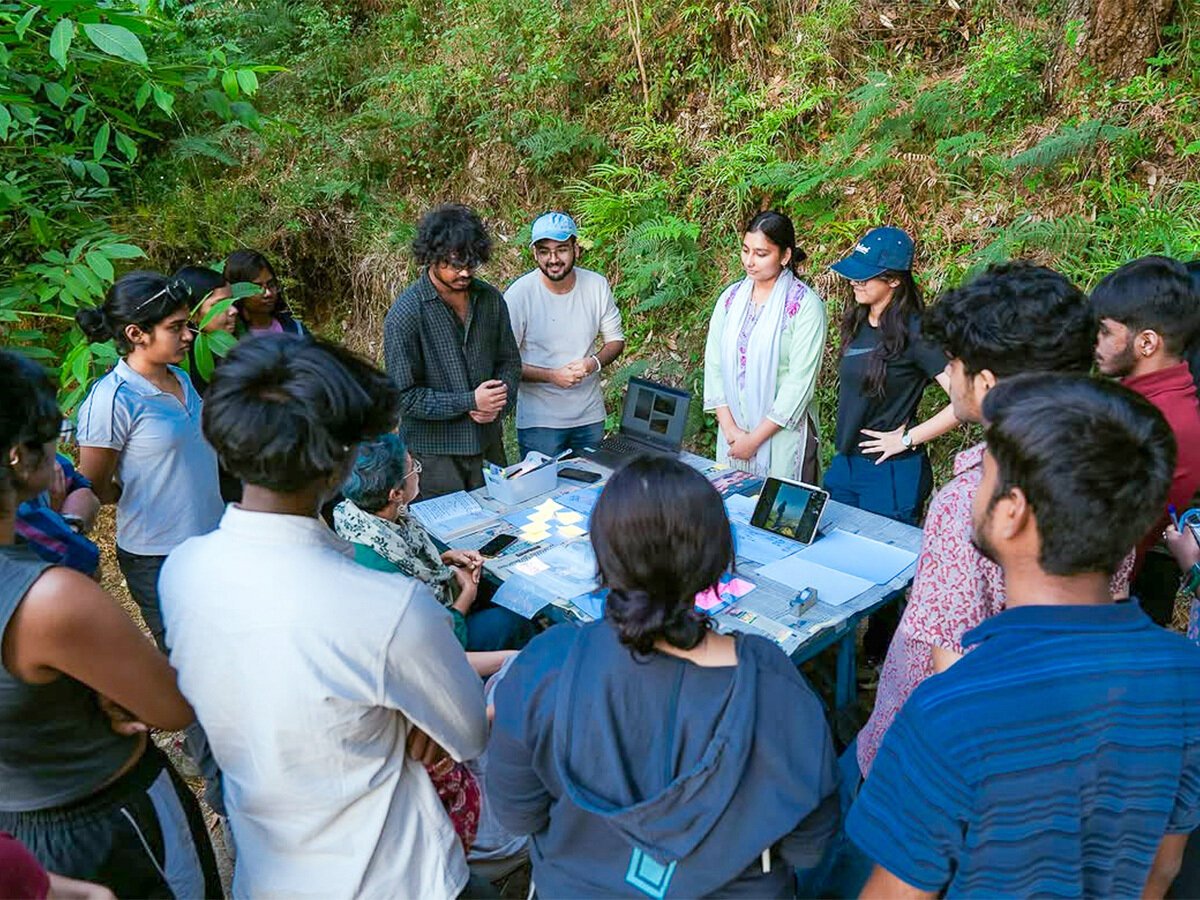
Photo credits Sarath KT.
At CEPT, the Walkability Living Lab will focus on building a deeper understanding of walkability conditions within Indian cities, examining pedestrian infrastructure, accessibility, safety, and user experience. The initiative will support ongoing doctoral research, offer fellowships for postgraduate researchers, and provide academic inputs to studios across programs and levels.
The Living Lab activities at CEPT will be led by Dr. Rutul Joshi, Sr. Associate Professor, with support from Maulik Chauhan, Assistant Professor at the Faculty of Planning, CEPT University, fostering interdisciplinary engagement across teaching, research, and practice.
This initiative further strengthens CEPT University’s role in shaping evidence-based urban policy and advancing sustainable mobility research in India and beyond.