Dynamics of Light — A Journey Through Da Vinci’s Machines

- rashi choudhary
About the project
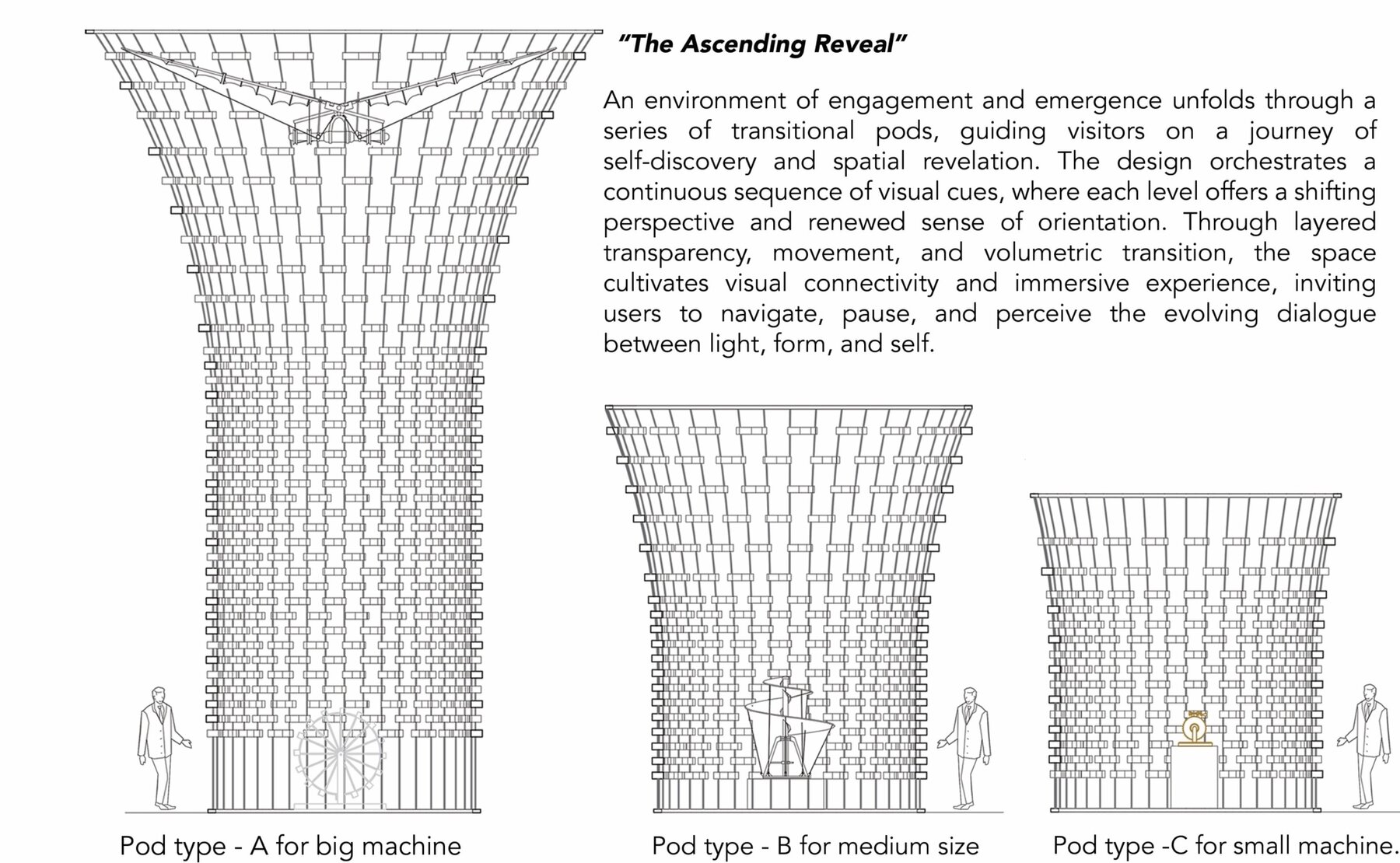
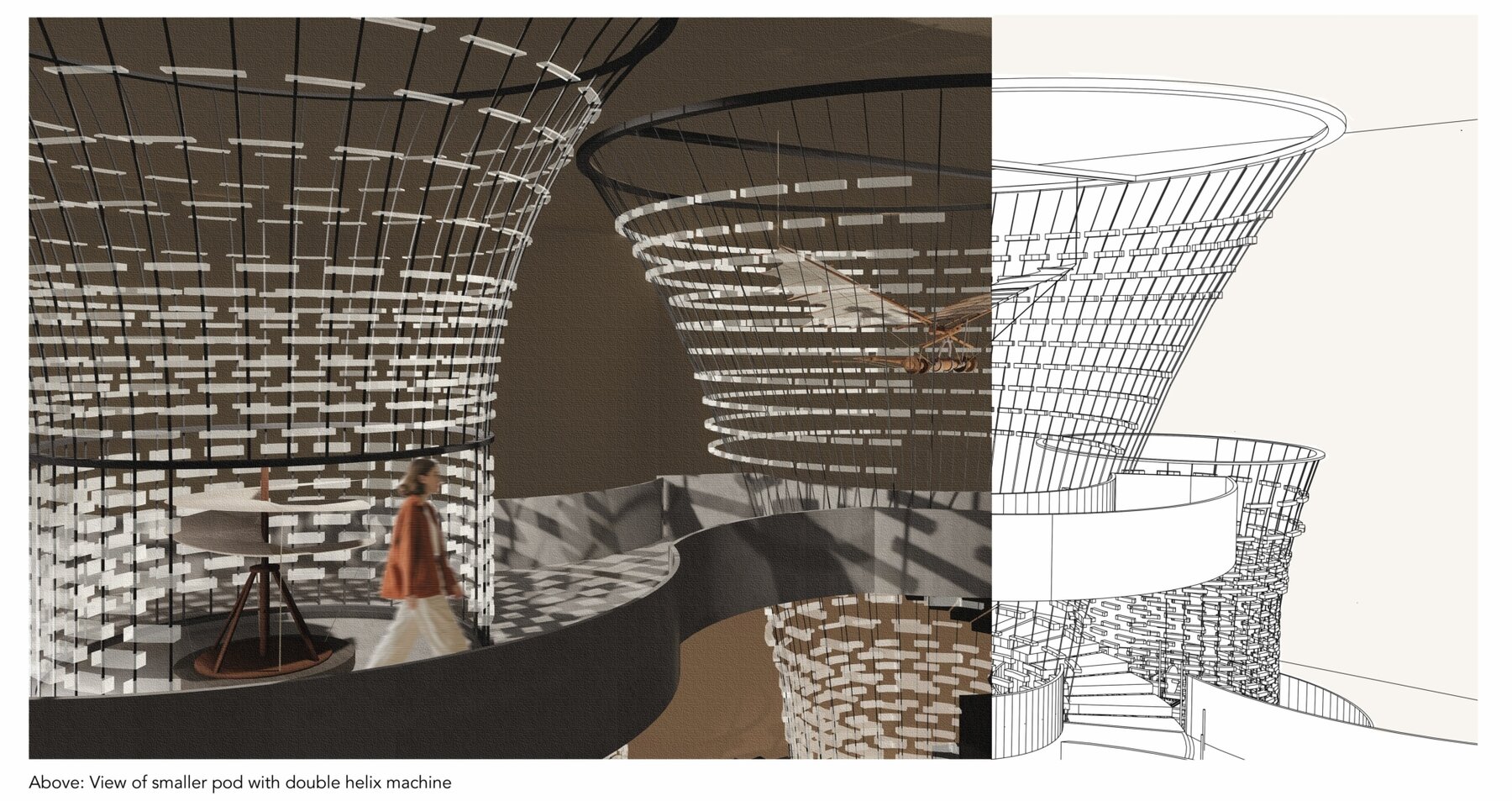
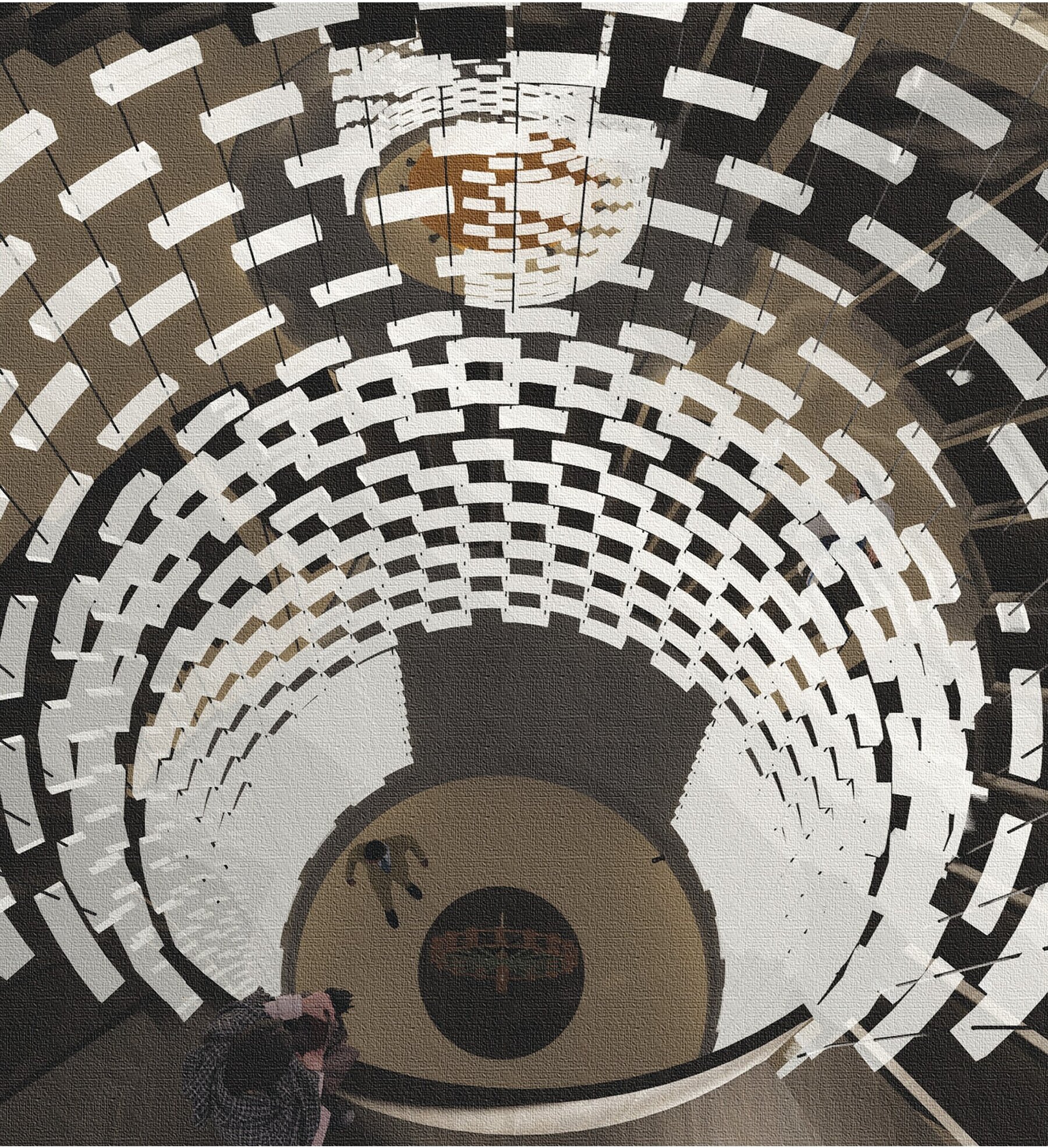
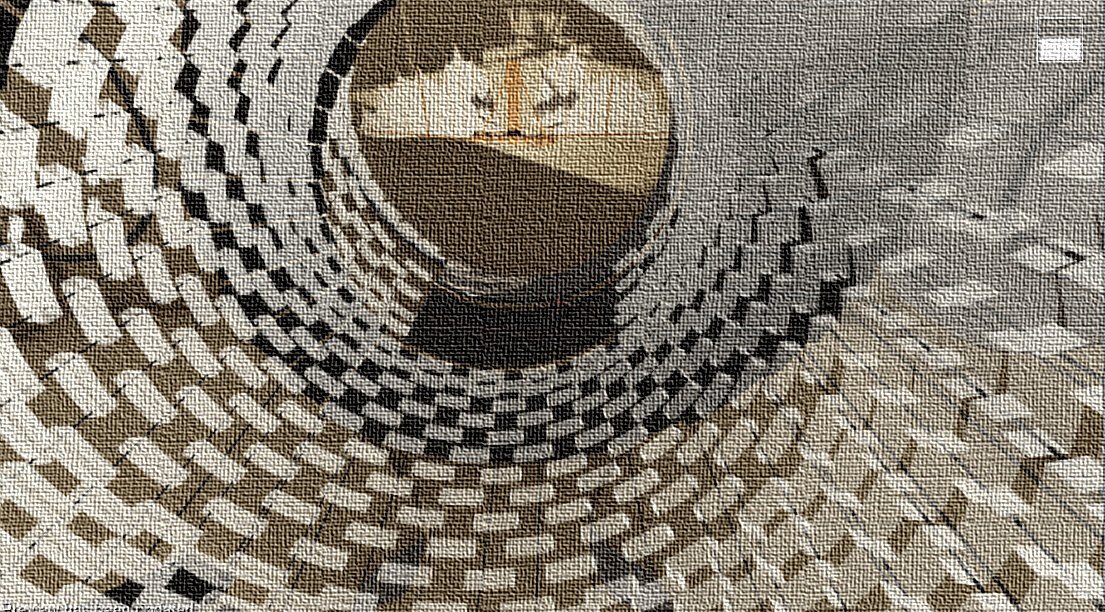
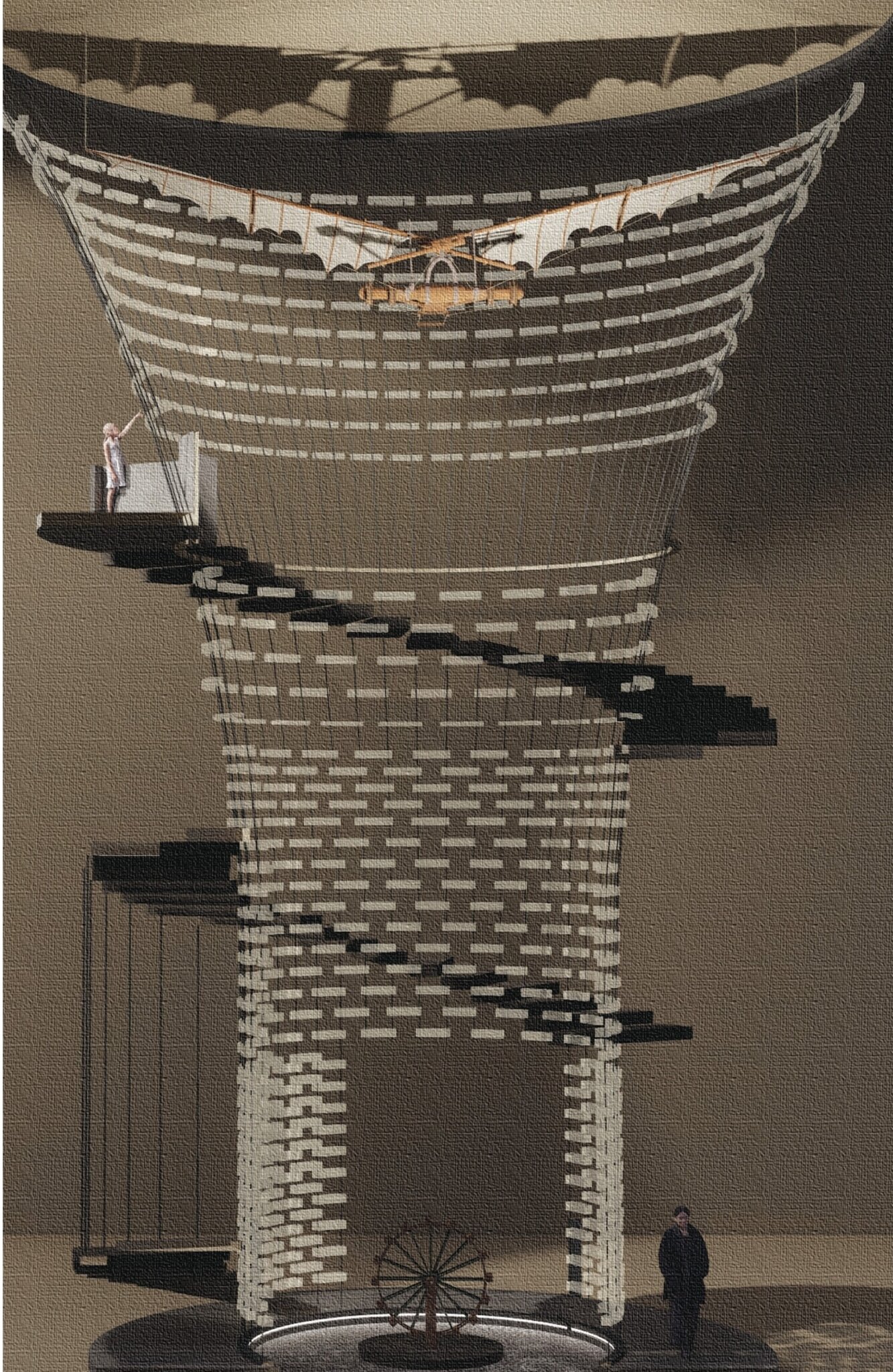
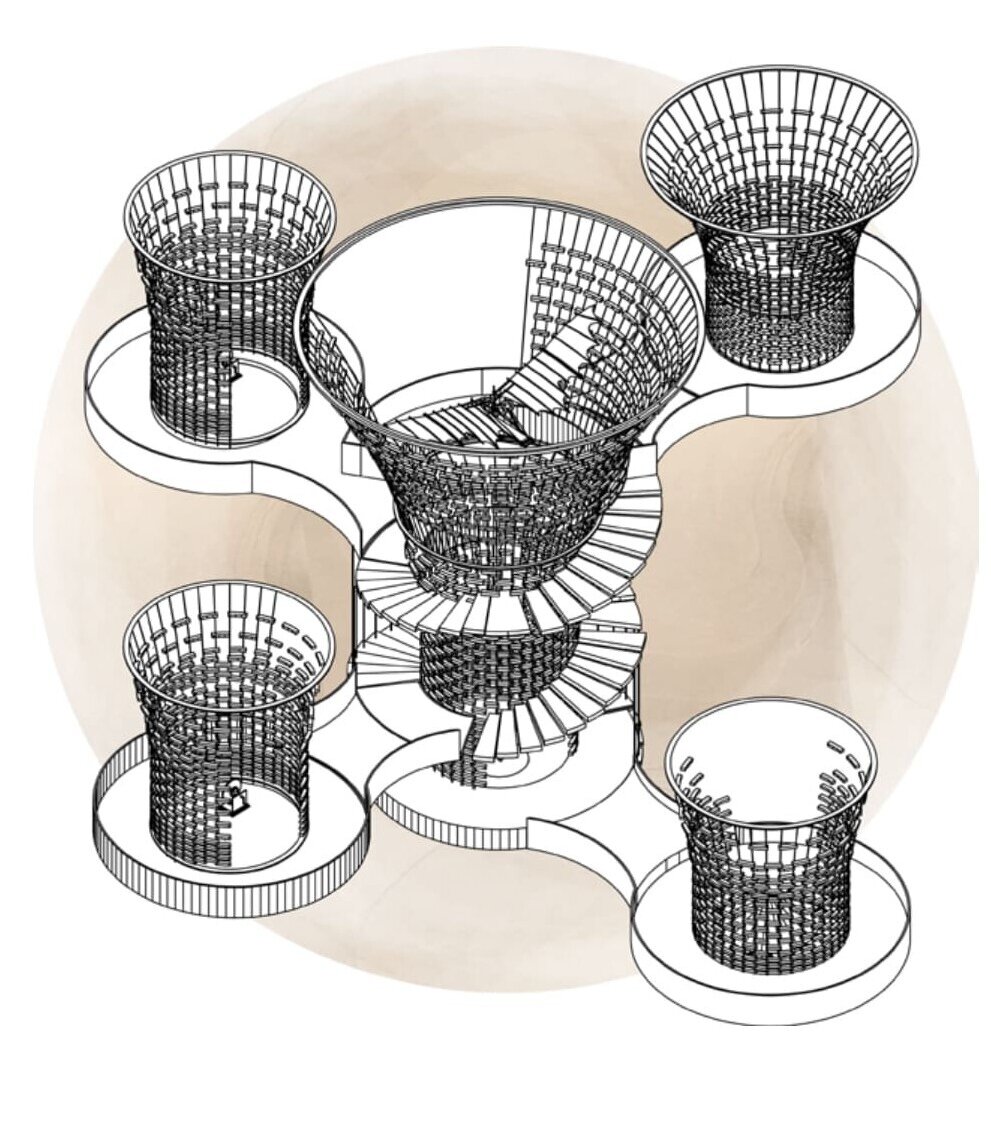
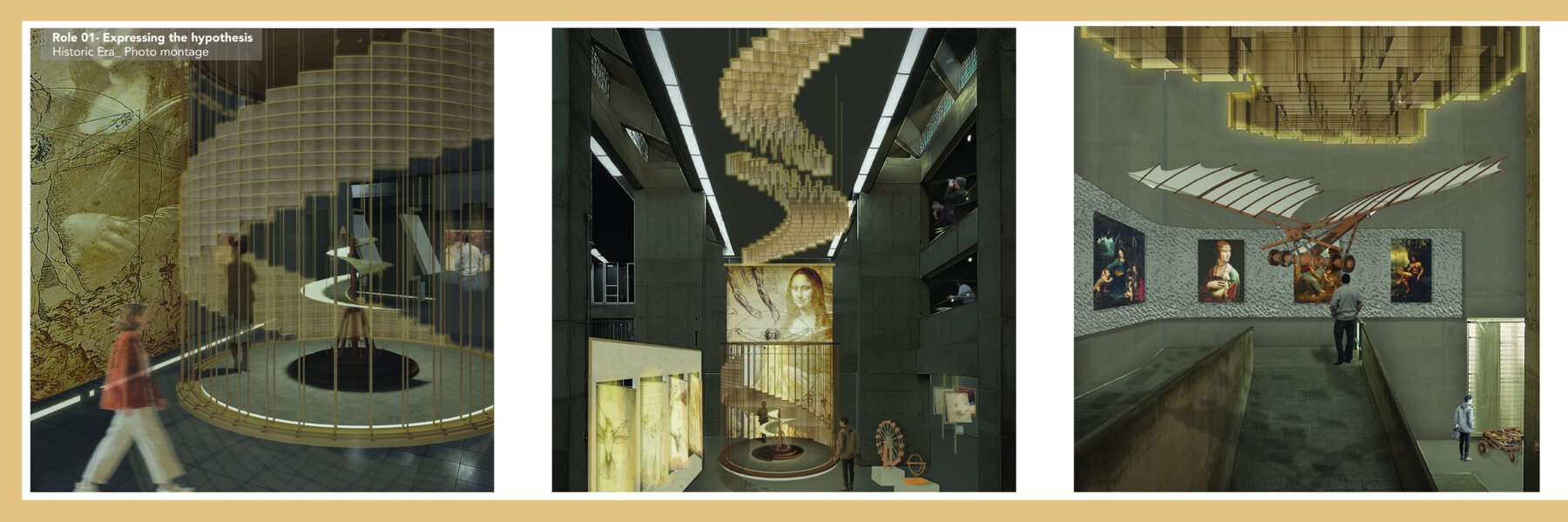
The Ascending reveals - The exploration of how light interacts with modular structures to enhance dynamism was evaluated as an integrated design approach, where light alters perception and assemblies create continuous movement - physically through a rotating helical exhibit inspired by the spiral principles of the Codex on the Flight of Birds, spatially through a grid-based curvilinear ceiling system that reflects the mechanical zoning of Da Vinci’s Dream Machines, and experientially through vertically ascending pods that evoke the atmospheric anticipation present in Da Vinci’s concept for the Ornithopter - collectively forming environments that feel dynamic, immersive, and perceptually vibrant, honoring Da Vinci’s enduring creativity through evolving light, motion, and spatial intrigue
Approach
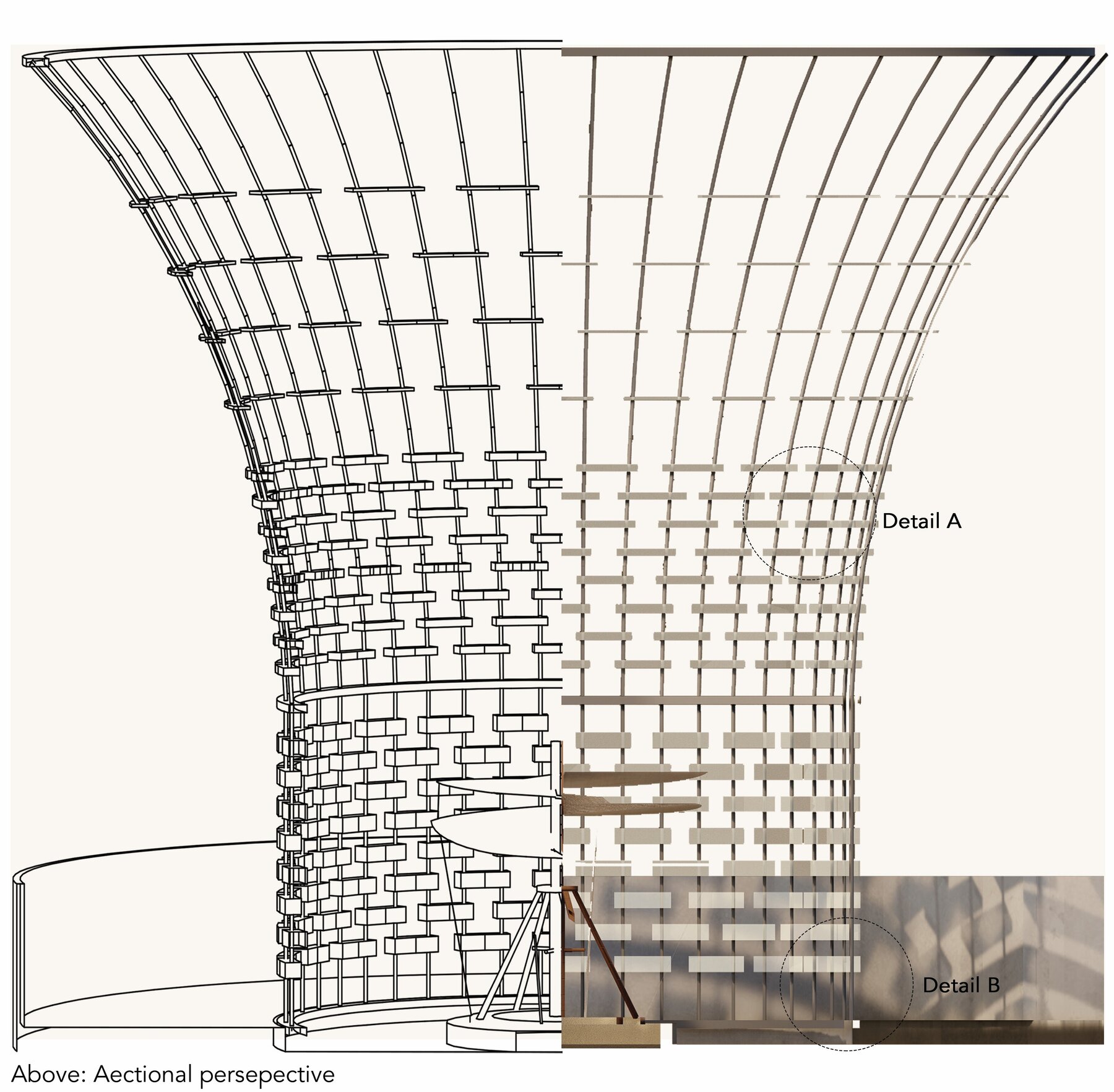
The project Dynamics of Light adopts an exploratory, research-driven approach to exhibition design, investigating how the interplay of light through modular assemblies can enhance spatial dynamism. The process began with a series of analytical matrices that distilled key ideas of movement, fluidity, and transformation, forming the foundation for the design hypothesis. Drawing inspiration from Leonardo da Vinci’s mechanical inventions, the project treats light not as a static illuminator but as an active design medium that shapes perception, movement, and experience. Modular systems are developed and tested to respond to different spatial conditions, allowing repetition, rotation, scaling, and layering to generate continuously evolving environments. Material choices—ranging from transparent to opaque—are strategically employed to filter, reflect, and cast shadows, reinforcing visual and spatial variation. The visitor’s movement through space becomes integral to the design, as changing viewpoints and light conditions create a sense of anticipation and discovery. Overall, the approach positions exhibition space as a dynamic instrument, where structure, light, and perception work together to express Da Vinci’s spirit of innovation and experimentation.
Output
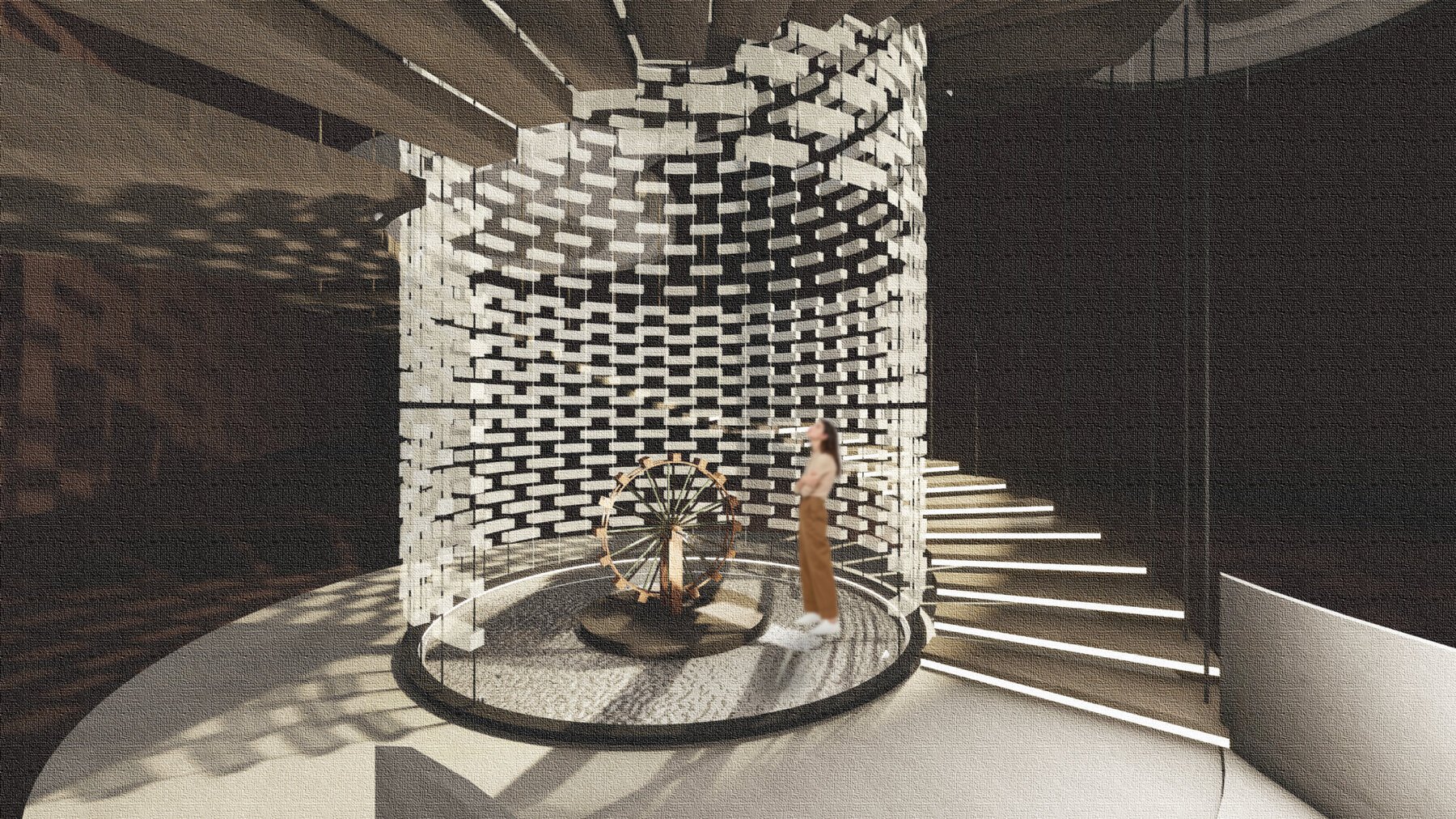
The project culminates in an immersive exhibition environment where light becomes an active spatial generator rather than a passive element. Through the strategic use of modular assemblies, the space continuously transforms, producing dynamic patterns of light, shadow, and movement that evolve with the visitor’s position and time. Rotating and layered modular systems, curvilinear partitions, and vertically articulated spatial sequences reinterpret Leonardo da Vinci’s machines as experiential moments rather than static displays. Each intervention encourages exploration, visual curiosity, and shifting perception, reinforcing the idea of motion inherent in Da Vinci’s inventions. Material choices ranging from transparent to opaque surfaces enhance light modulation, creating varied atmospheres across the exhibition. The outcome demonstrates how modular systems can adapt to diverse spatial conditions while maintaining a cohesive narrative driven by light and movement. Overall, the project establishes a flexible exhibition framework that communicates innovation, experimentation, and mechanical ingenuity through spatial dynamism, offering visitors an engaging and continuously unfolding experiential journey.
- rashi choudhary
Gallery