HexHive — A Modular Maze Design for Kids

- sayantan chowdhury
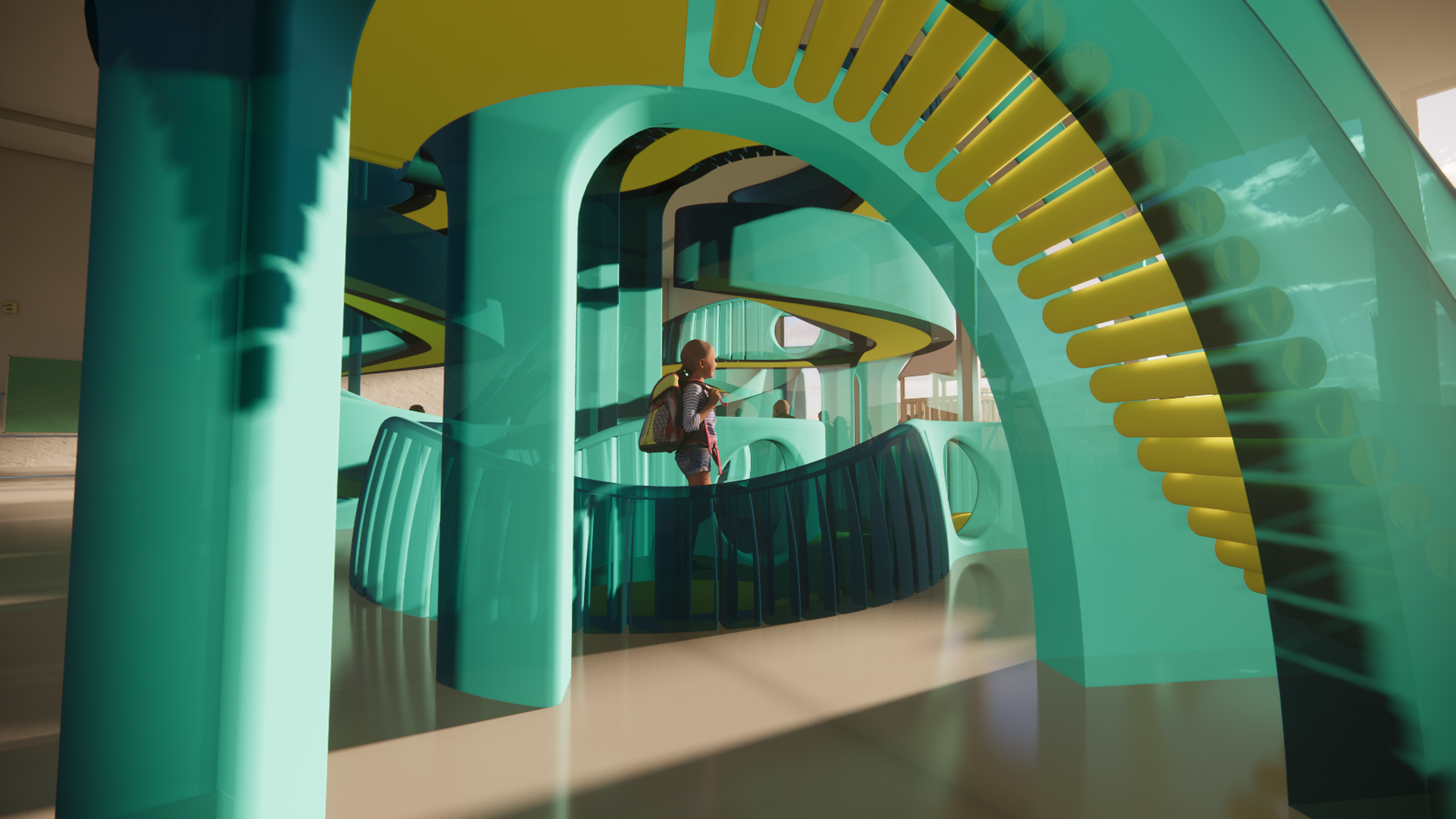
About the project
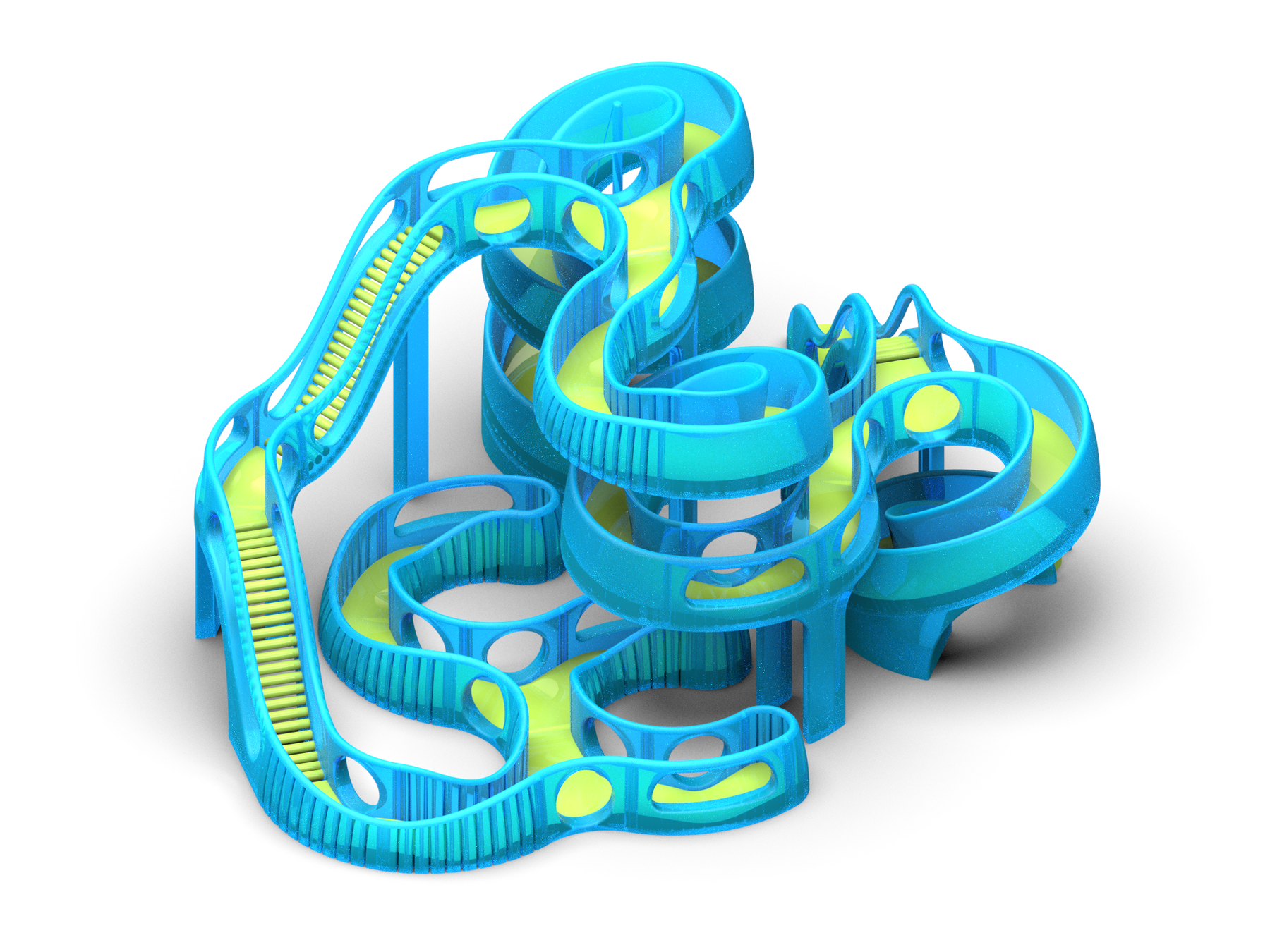
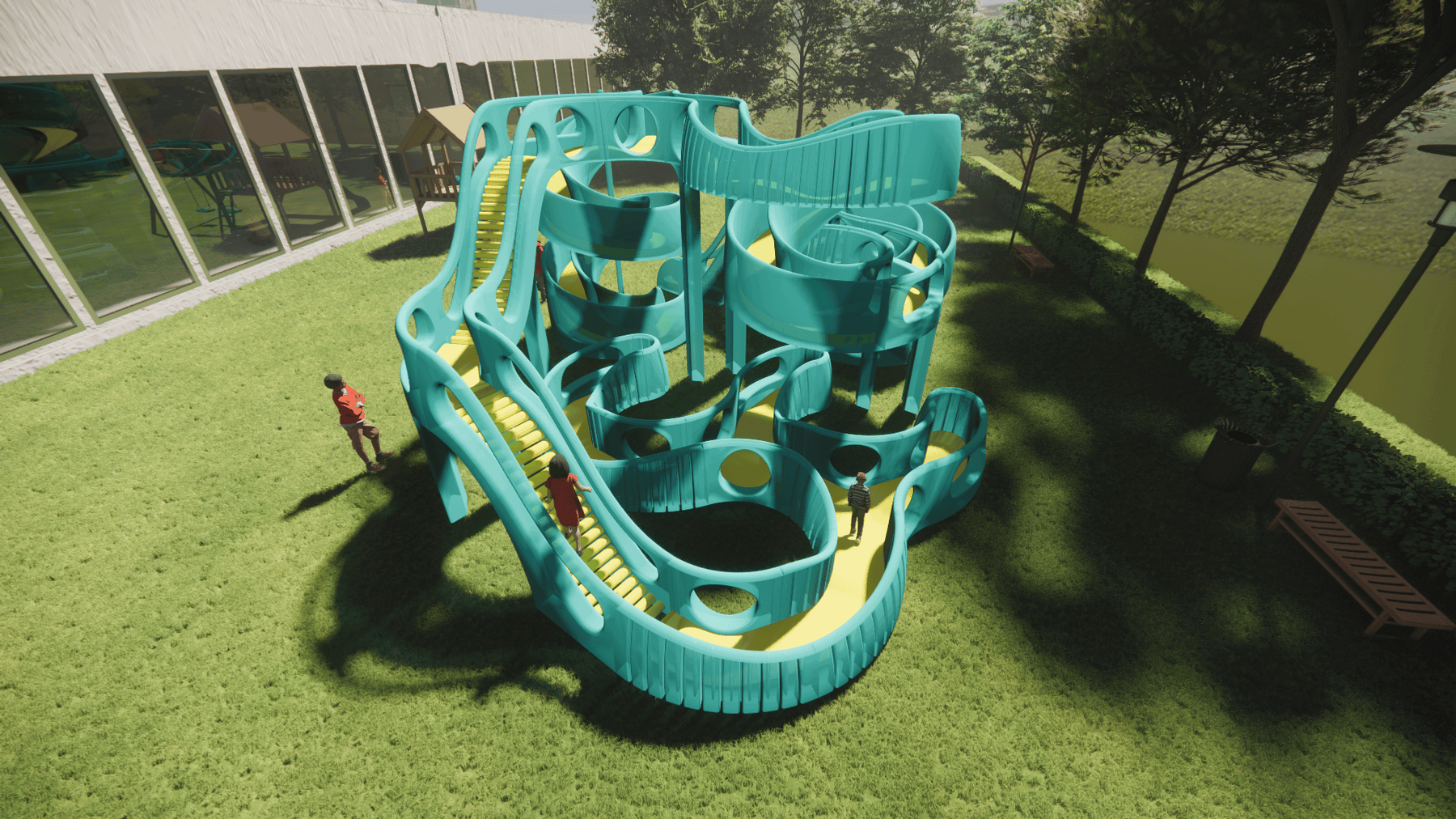
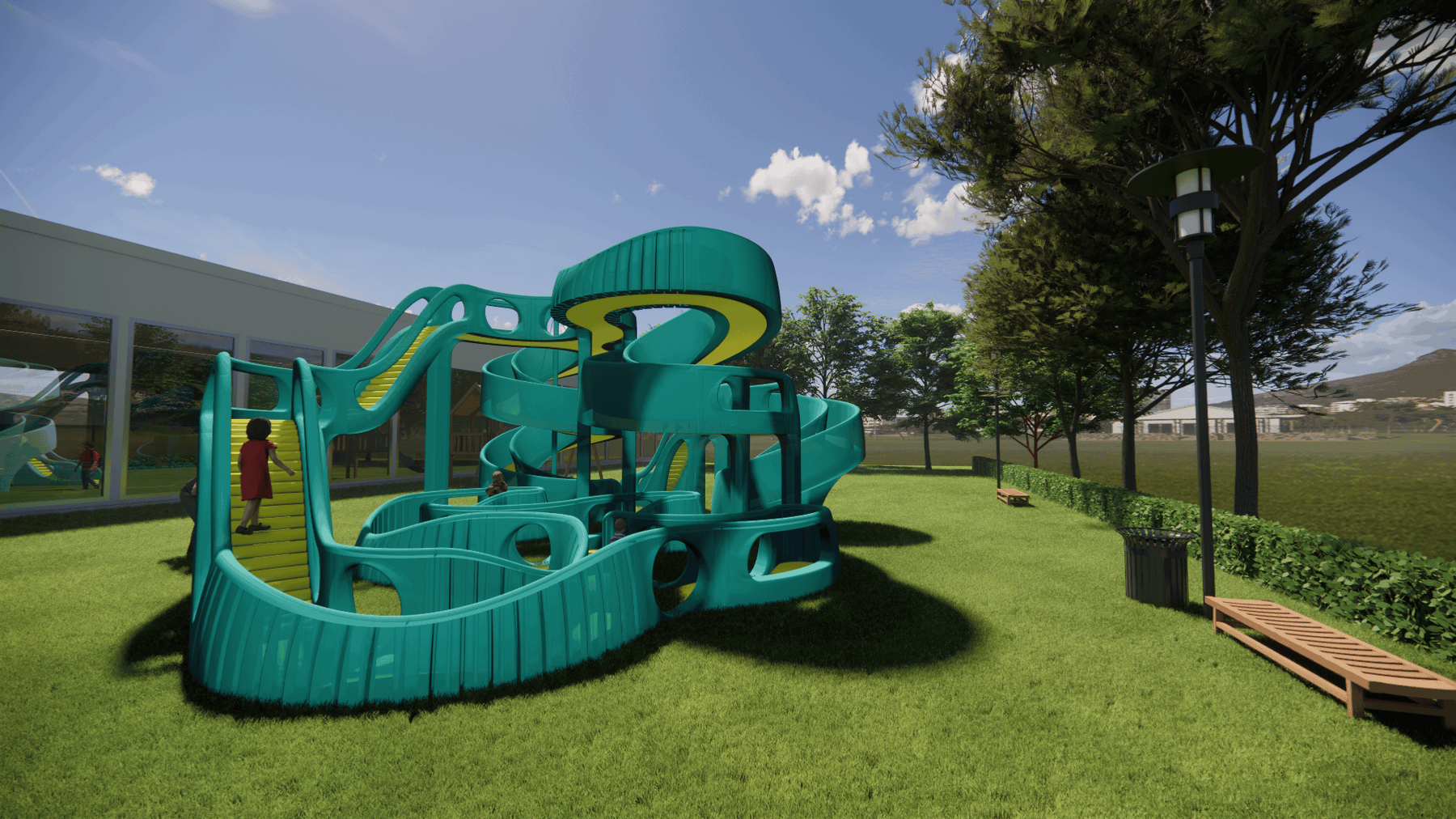
"HexHive" is a modular 3D maze system designed for children aged 4-6. It utilizes a computational workflow and a generative algorithm involving Rhino3D and Grasshopper to parametrically generate hexagonal maze modules based on user ergonomics, site parameters, and material constraints. The design centers on a "Balanced Hex Grid," which optimizes both path complexity and interactive social spaces.
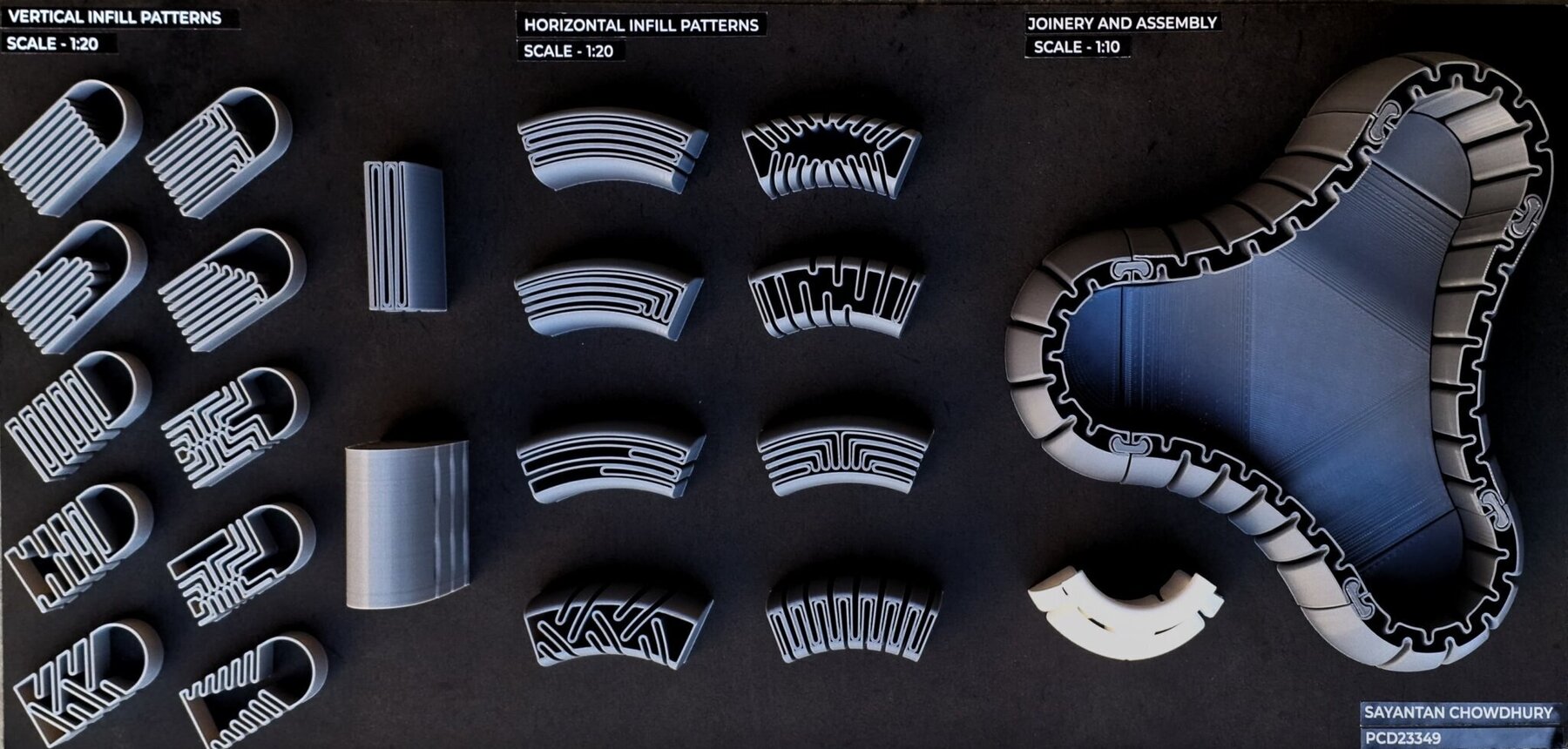
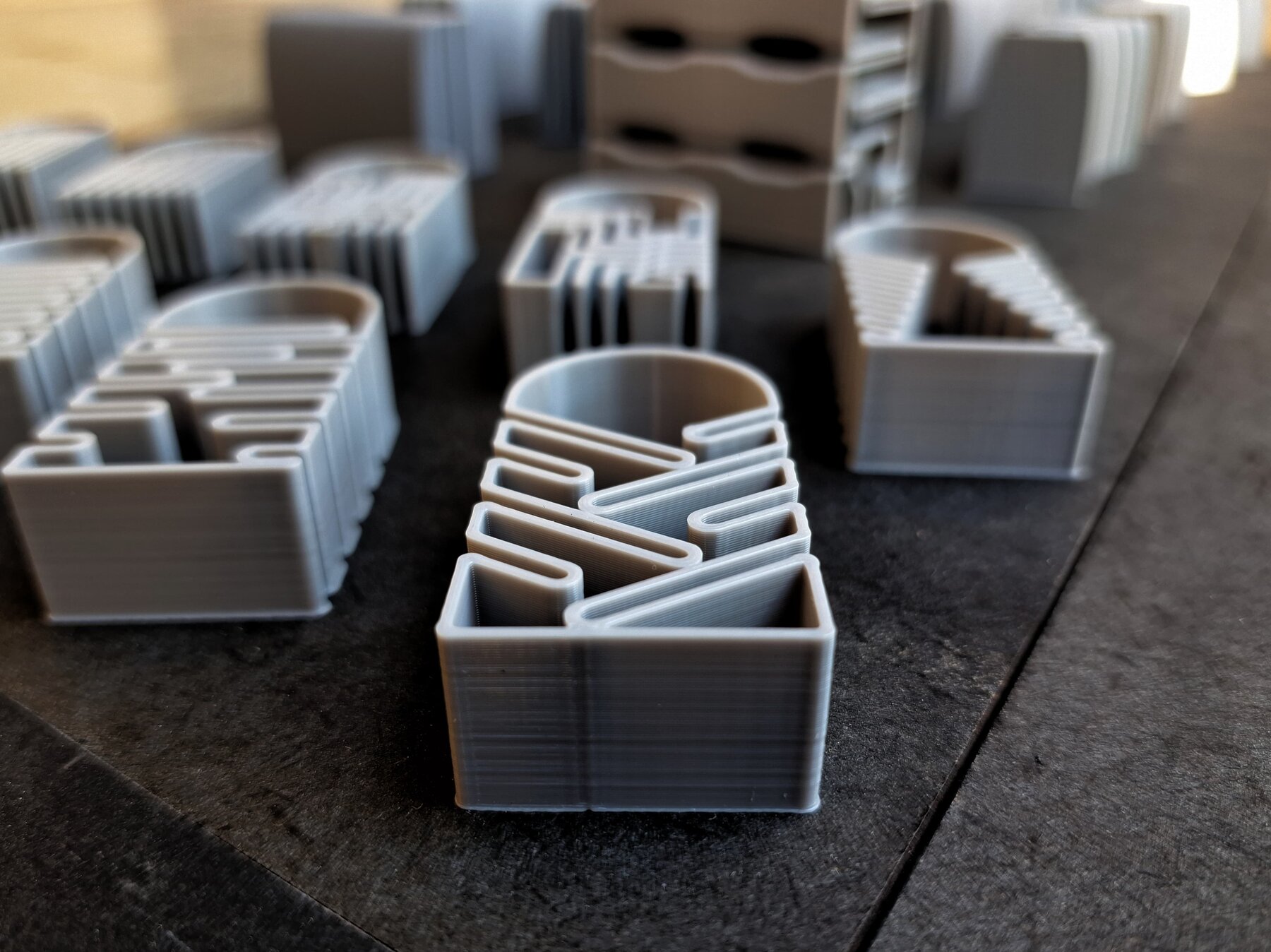
A key innovation is the "Kit of Parts," featuring interchangeable units like variable-height impact walls, 3D-printed stairs, and unique path-altering modules that allow children to autonomously modify their environment. The project emphasizes hands-on learning, physical agility, and cognitive challenge. Fabrication focuses on large-scale 3D printing using PLA and TPU composites, with specialized, concealed joinery for easy assembly and durability. Ultimately, HexHive transforms the traditional playground into a dynamic 3D puzzle that fosters independence and cooperation through immersive, imaginative play.
Approach
The "HexHive" project employs a comprehensive computational workflow to design a modular 3D maze specifically for children aged 4–6. The approach begins with an "Input Definition" phase, where site-specific parameters, material properties, and ergonomic data are collected and fed to the algorithm. These inputs are mapped to geometric rules using Rhino and Grasshopper to parametrically generate the maze modules.
A core element is the "Maze Generation Simulation," which utilizes "perfect" maze algorithms like Prim’s and Hunt & Kill, adapted for 3D through "Wasp" plugin rule based aggregation. The project uses a "Balanced Hex Grid" to optimize the trade-off between path complexity and interactive social spaces. Performance analysis is integrated to ensure structural strength and child safety.
The design is iteratively refined to include engaging features like path-altering rotatable units and spiral ramps. Finally, the workflow generates fabrication-ready outputs, including optimized G-code for 1:1 3D printing using PLA and TPU composites.
Output
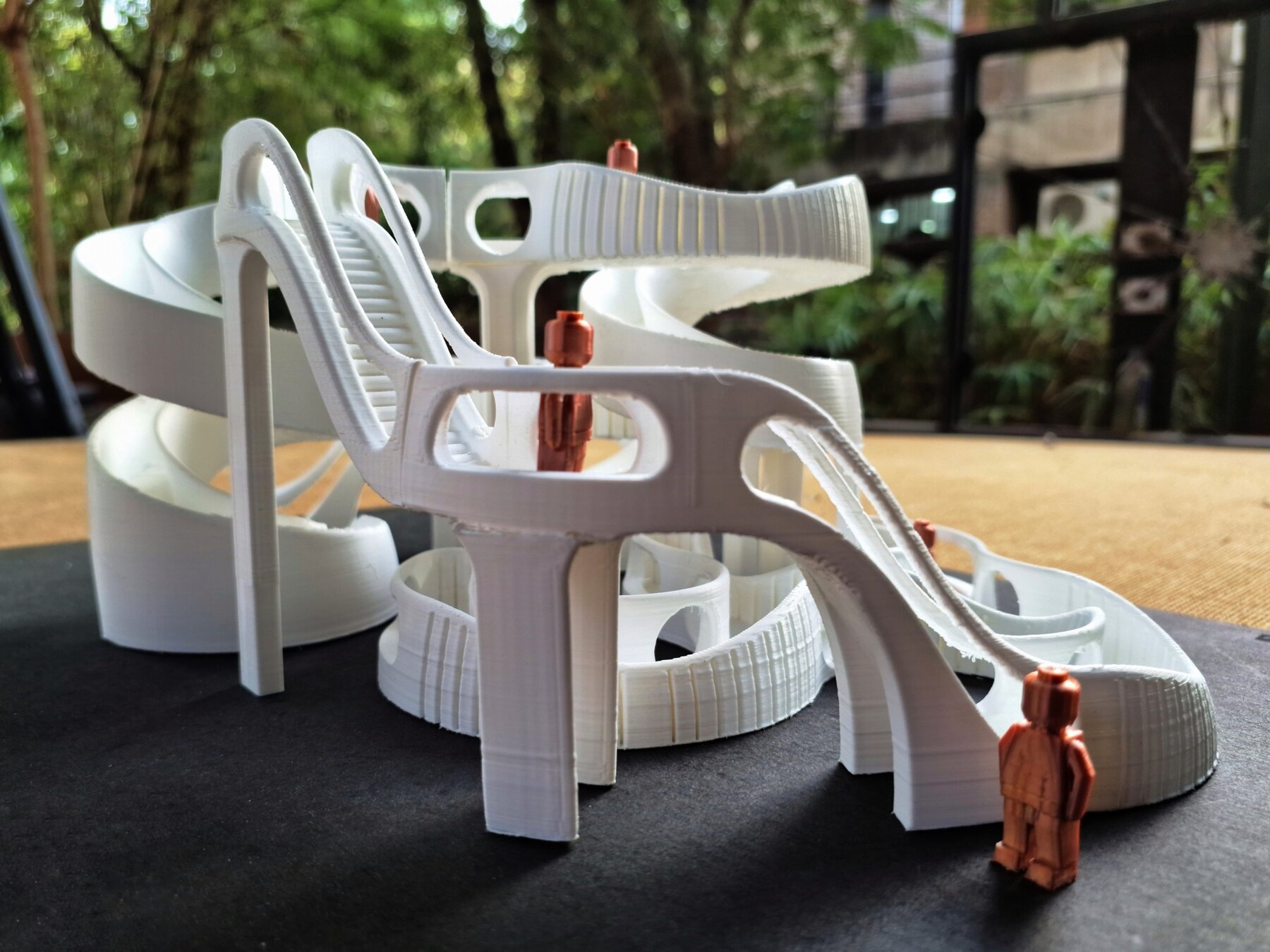
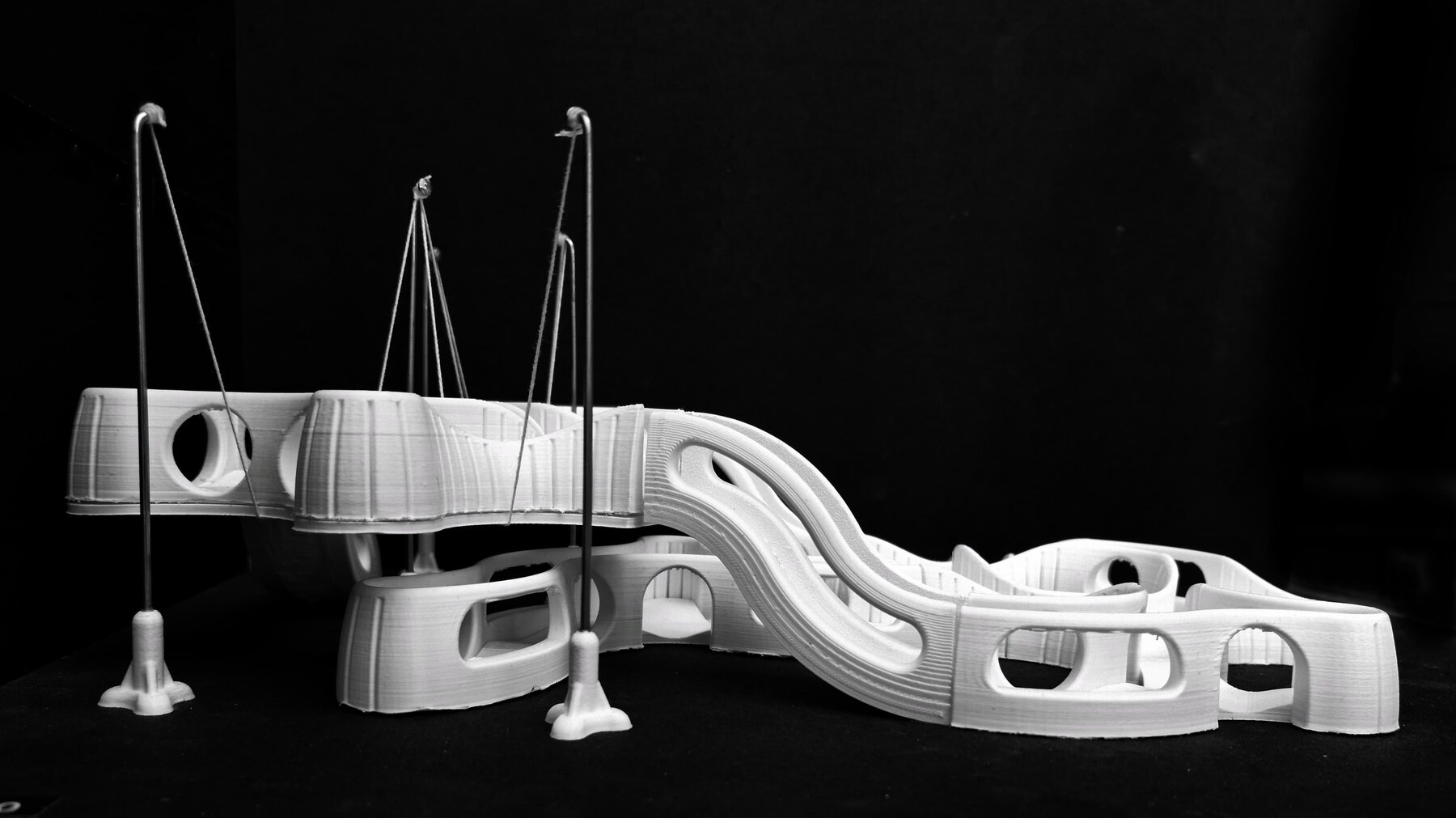
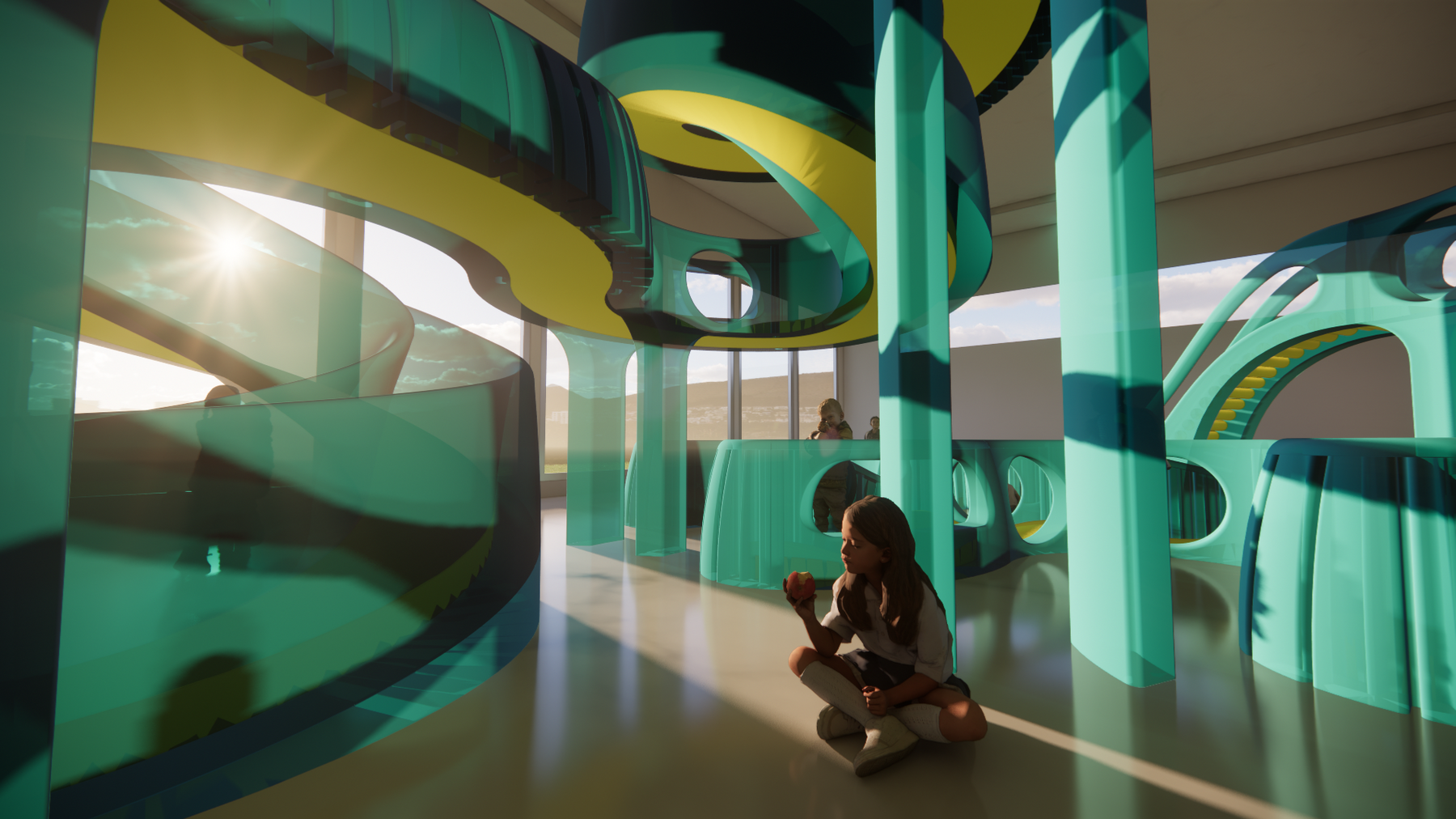
"HexHive" is a modular 3D children’s maze system designed specifically for the neurodevelopmental needs of children aged 4–6. The primary project output is a comprehensive "Kit of Parts" consisting of hexagonal modules categorized into path and grip units, structural wall units (including perforation, impact, and variable height versions), and multi-level circulation elements like linear stairs and spiral slides.
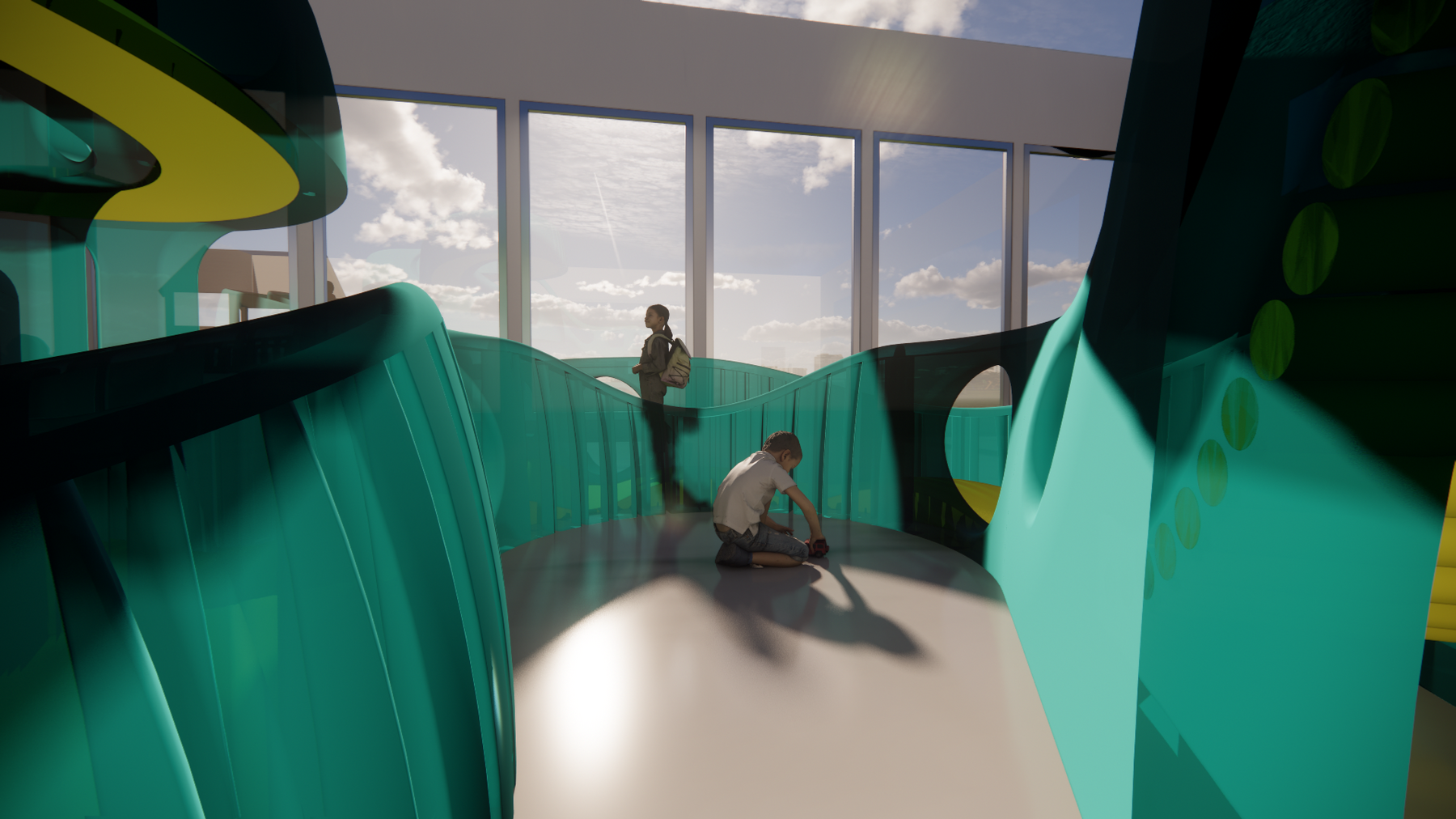
These components are generated through a computational workflow using algorithms such as Prim’s and Hunt & Kill to ensure path complexity and engagement. A standout feature is the "Path Altering Unit," which allows children to rotate maze sections, fostering autonomy and problem-solving. Technical outputs include fabrication-ready G-code for 3D printing with PLA and TPU composites, utilizing specialized concealed joinery for secure, child-safe assembly. The final design provides a scalable play environment with a 550mm path width, culminating in a 1:1 scale functional prototype that integrates safety with cognitive development.
- sayantan chowdhury
Gallery