The Urban Rise

- apoorva bhamare
- jenish panchal
- sahil shah
- yashwani lad

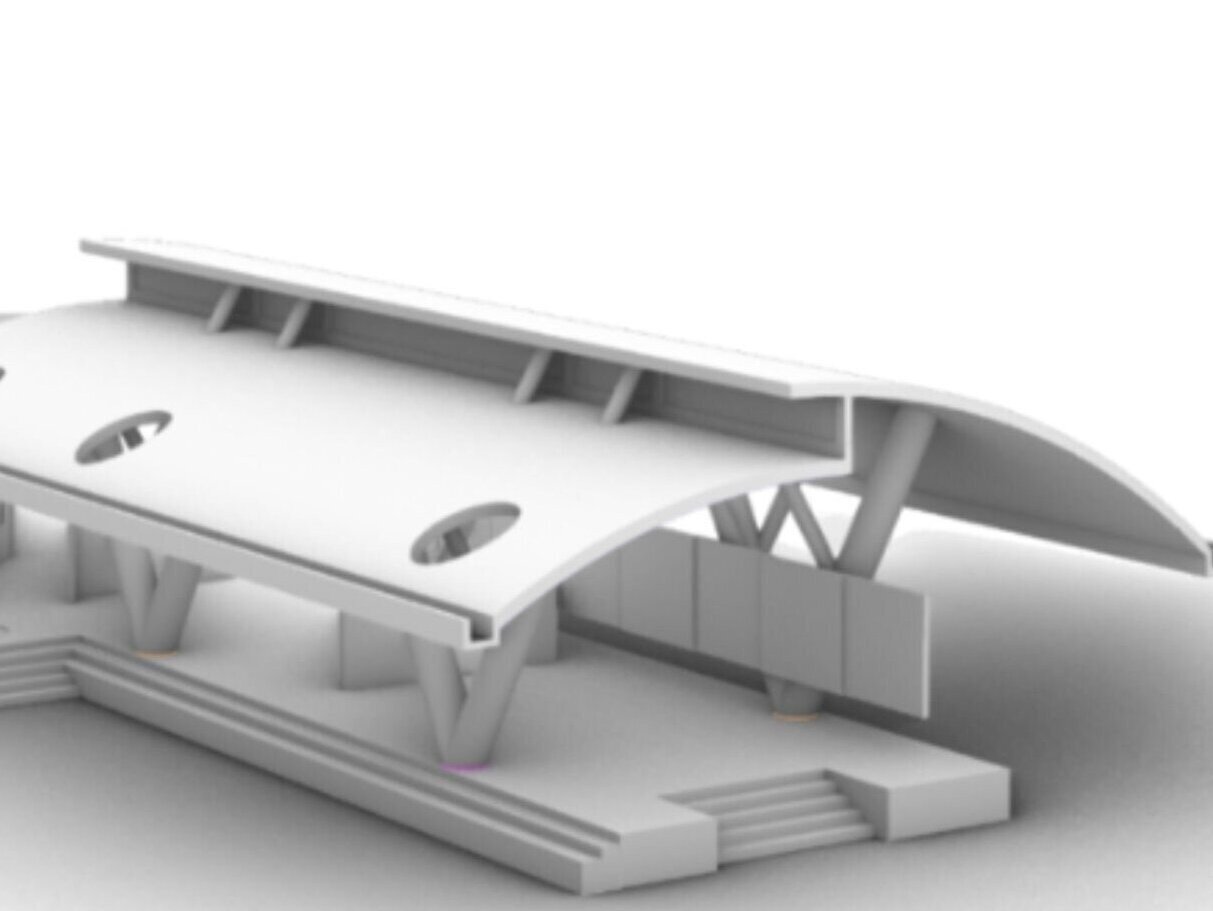
Proposed 3D image of the project
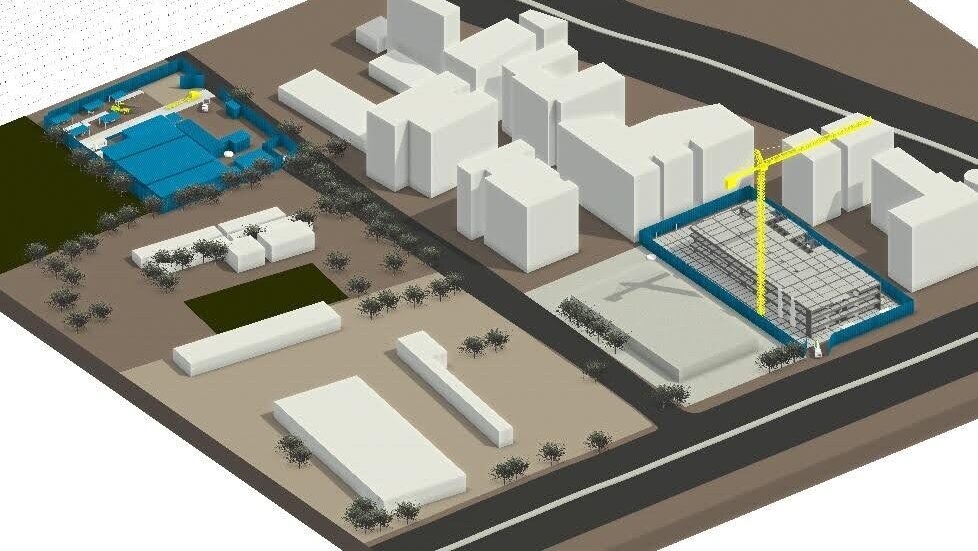
Site Layout 3D Model in Revit
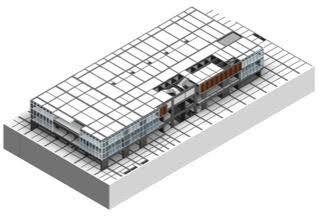
Building 3D model in Revit
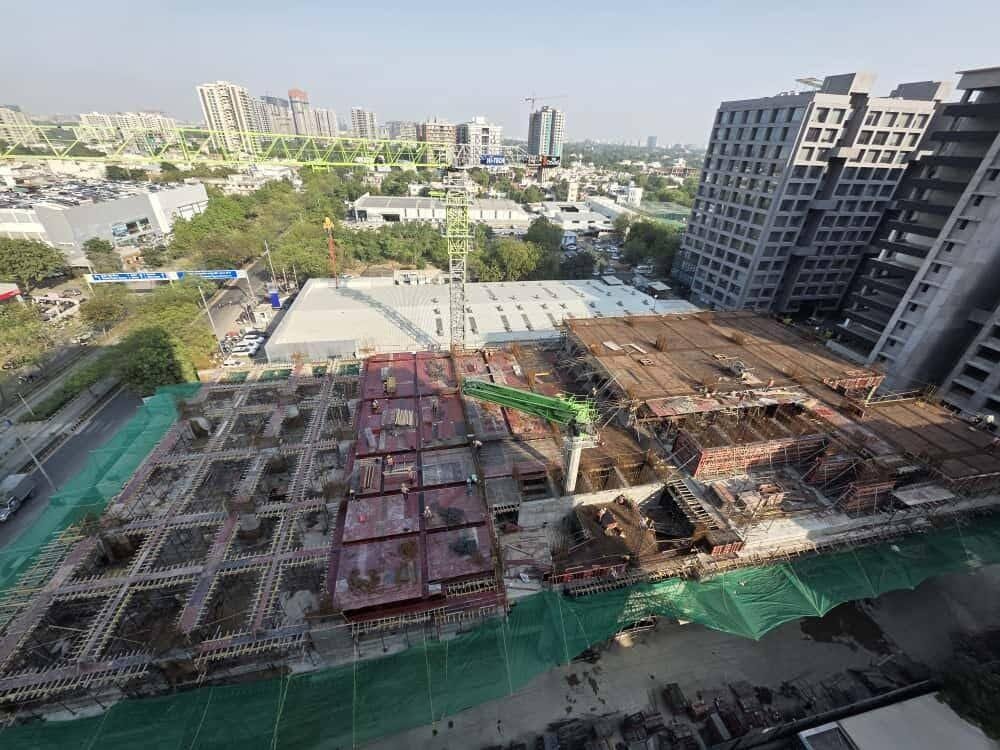
Pouring stages across the floor slab
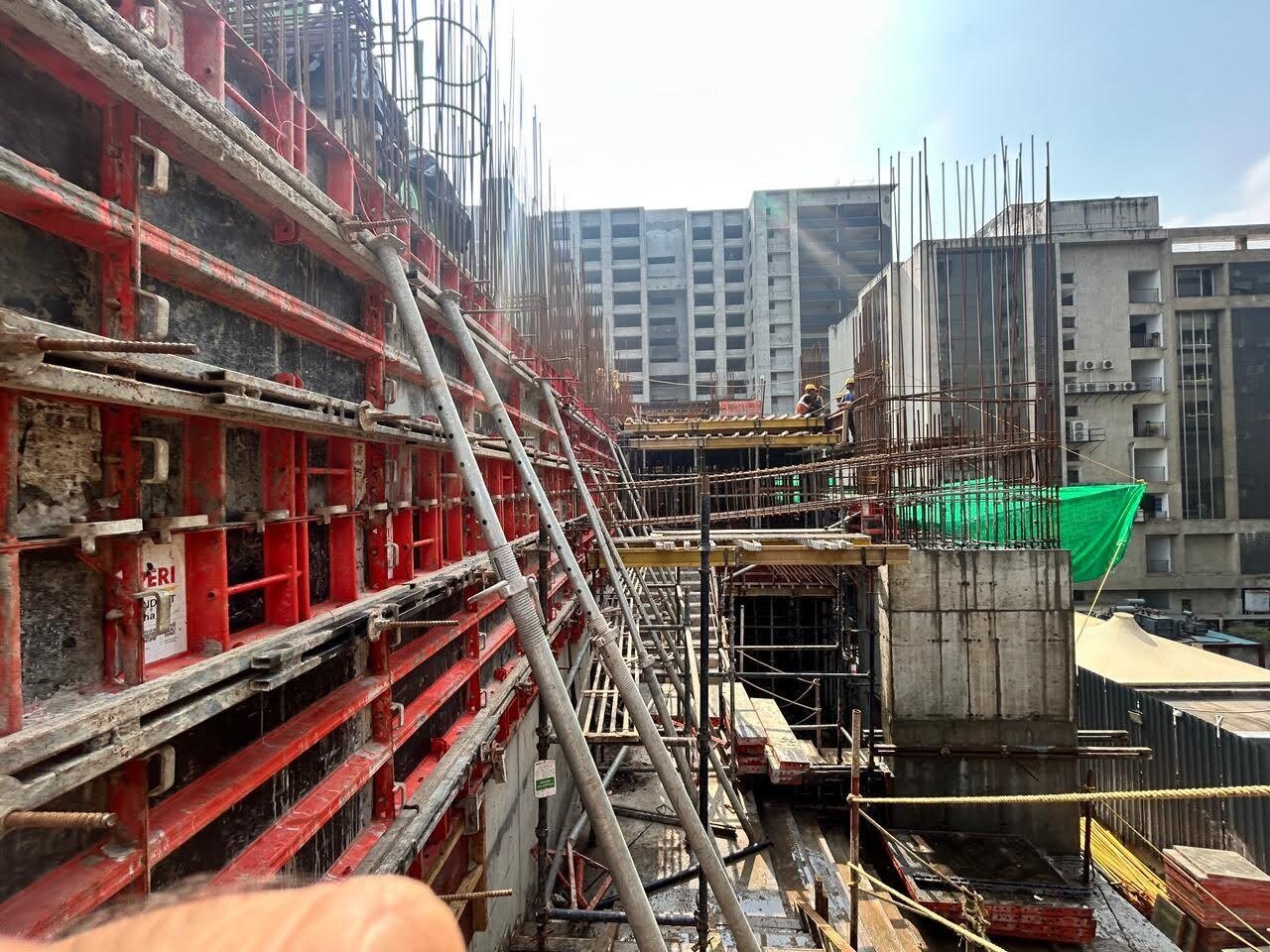
Formwork system for columns

About the project
The studio undertaken by the student(s) in the Integrated Construction Practices focused on applying BIM-enabled and Lean-driven methodologies to a commercial-cum-retail high-rise comprising G+19 floors and three basements. The project served as a live case to understand coordinated digital delivery, multidisciplinary integration, and structured planning in modern construction. Over the studio duration, we developed the project brief, stakeholder requirements, EIR and BEP documentation, and aligned LOD–LOS frameworks to streamline information flow. Technical work included discipline-wise LOD 300–400 modelling, clash detection through Navisworks and ACC, 4D–5D simulations, quantity analysis, and Last Planner System (LPS) implementation for PPC tracking. Through these exercises, key challenges in coordination, constructability, and data management were identified, leading to proposals for improved collaboration protocols, optimized site layout, and structured digital workflows. The experience highlighted how integrated processes significantly enhance efficiency, transparency, and decision-making throughout the building lifecycle.
Approach
The project followed a fully integrated ICP framework, using BIM, Lean methods, and structured collaboration processes to evaluate construction readiness and execution reliability. The studio began by identifying stakeholder challenges through questionnaire surveys with the project stakeholders and RII analysis, leading to the formulation of EIR, BIM Goals, and BIM Uses across all construction phases. Collaboration flow diagrams such as the BEP process, model transition workflows, clash coordination cycles, and information-exchange plans, guided disciplined communication among stakeholders. LOD–LOS alignment, LOD 300/400 modelling, clash detection in Navisworks and ACC, and coordinated issue-resolution meetings addressed constructability problems and data inconsistencies. Site layout optimization incorporated Lean tools and Path of Travel (POT) analysis to minimize waste and improve logistics. The Last Planner System, weekly PPC tracking, constraint removal, and milestone planning improved production reliability. Quantity take-offs, 4D/5D simulations, and Earned Value Analysis enabled assessment of time–cost deviations. Overall, the approach provided actionable insights into coordination gaps, workflow inefficiencies, and opportunities for enhanced collaboration and digital integration.
Output
The project demonstrated how structured digital workflows and lean-based planning can significantly strengthen project execution. Developing the EIR, BEP, and Delivery Schedule established a coordinated framework that clarified information flow, responsibilities, and model authority. Aligning Levels of Development with the construction schedule ensured that model maturity progressed logically with project timelines. Discipline-wise LOD 300 modelling and systematic clash detection improved technical accuracy and enabled timely resolution of design conflicts and rework costs. Model-based quantity take-off, optimized site layout, and 4D simulation enhanced accuracy, efficiency, and safety in planning. The Last Planner System and PPC analysis revealed workflow reliability issues, including delays such as the canopy design conflict. Integrating cost data through 5D simulation further improved forecasting transparency and resource control. Collectively, these outcomes highlight the measurable benefits of an integrated BIM-Lean approach in achieving coordinated, efficient, and predictable project delivery.
- apoorva bhamare
- jenish panchal
- sahil shah
- yashwani lad
Gallery
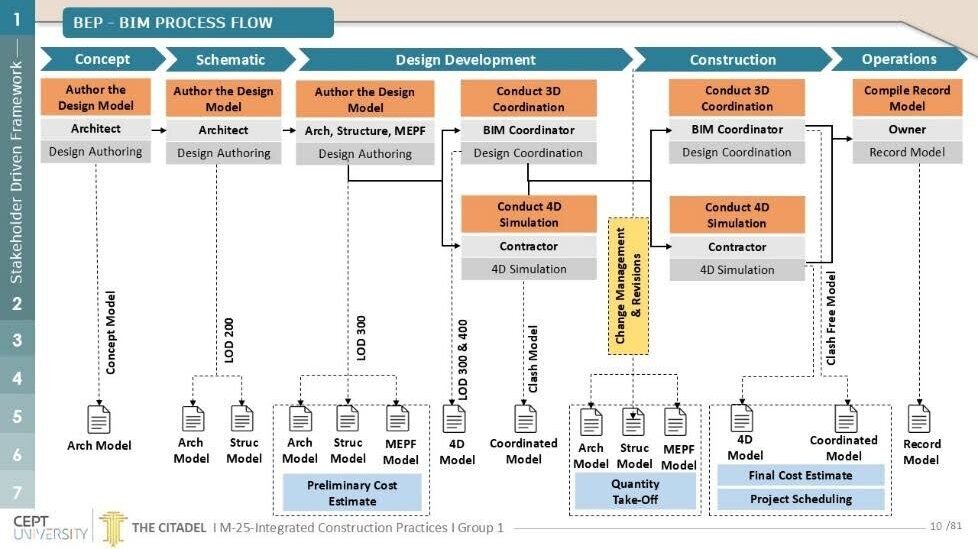
BIM Process Flow
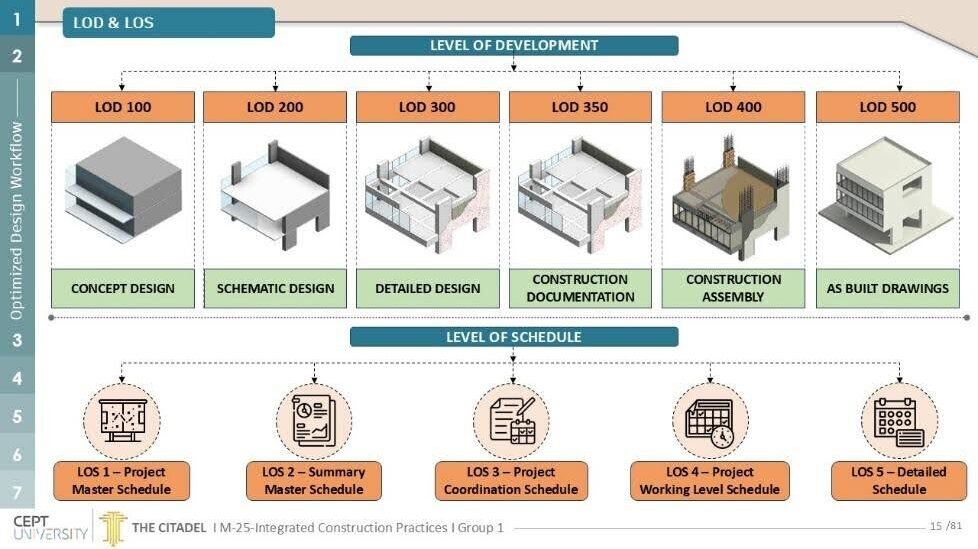
Level of Development and Level of Schedule
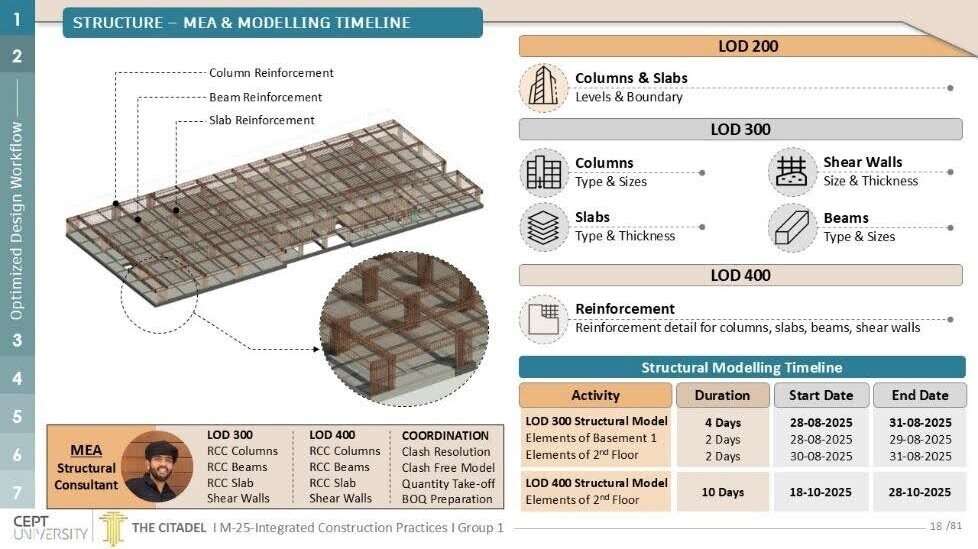
Model Element Authority & Modelling Timeline
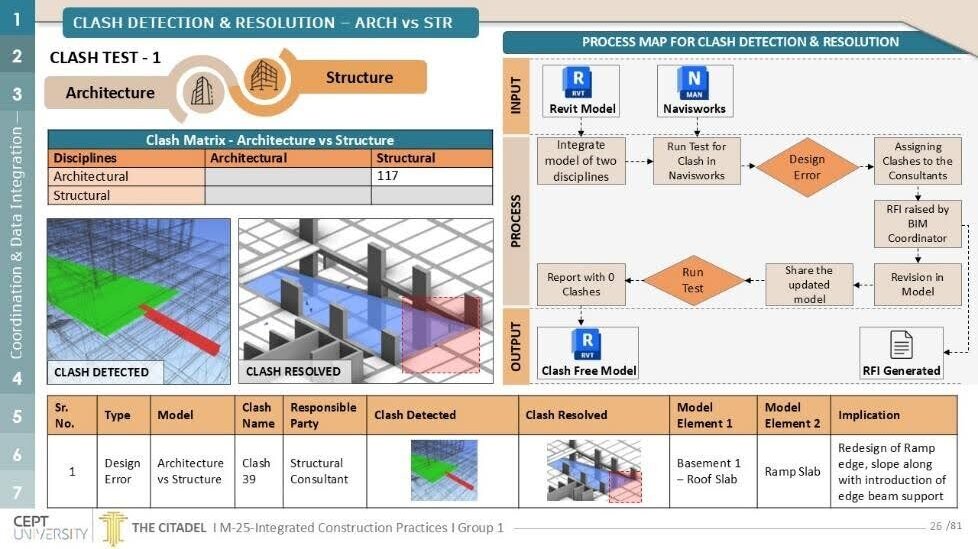
Clash Detection & Resolution – Arch vs Str
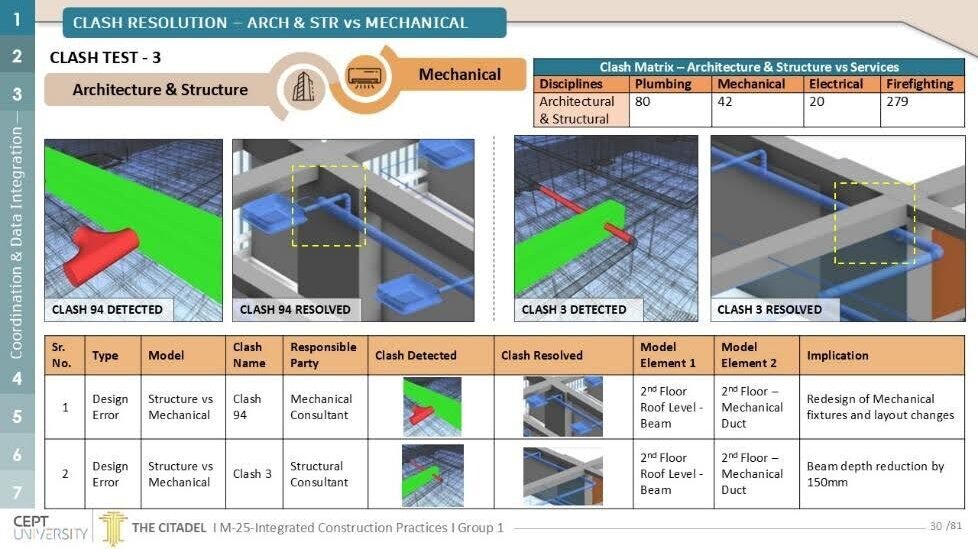
Clash Detection & Resolution – Arch & Str vs Mechanical
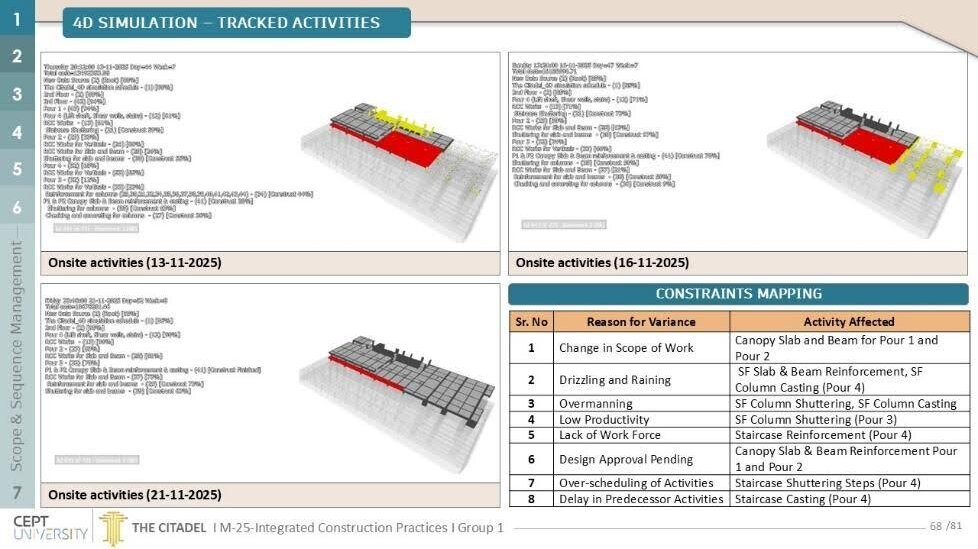
4D Simulation & Constraint Mapping
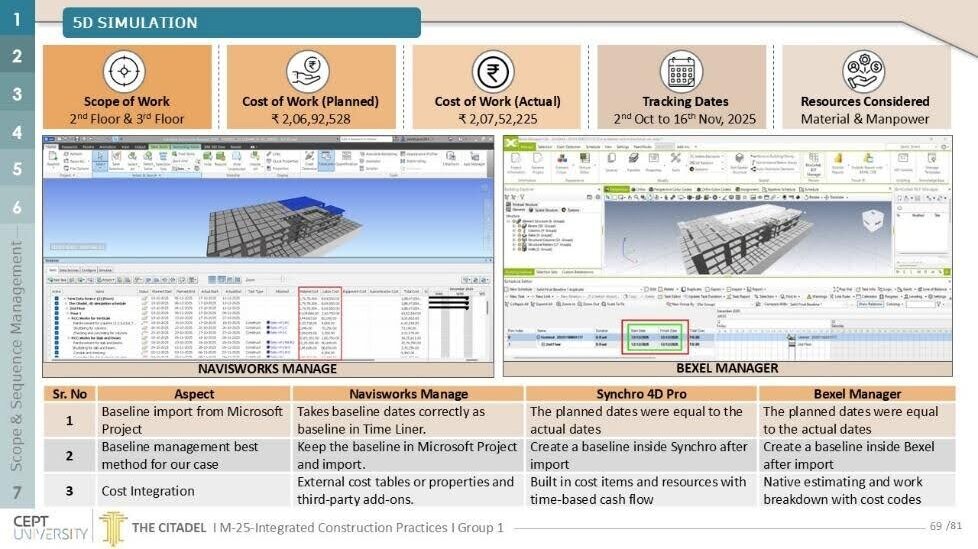
5D Simulation & Earned Value Analysis