Structural Assessment and Strengthening of a Historic Clock Tower

The Chanchalbhai Clock Tower is a late nineteenth-century heritage structure that forms an important landmark in the historic town of Kapadvanj, Gujarat. Built primarily in stone masonry, the tower has been subjected to long-term environmental exposure, material ageing, and past alterations, leading to visible deterioration and increased seismic vulnerability.
This project aimed to understand the tower’s structural behaviour through historical research, site documentation, visual inspections, and non-destructive testing. Advanced numerical modelling was used to evaluate how the structure responds to gravity and earthquake forces. Based on these observations, the project develops strengthening strategies that enhance structural safety while preserving architectural character. The study emphasizes a balanced approach where engineering interventions support long-term conservation rather than replacing the historic fabric.
The project followed a systematic approach beginning with historical study and site documentation to understand the tower’s construction, context, and evolution. A detailed visual inspection and damage survey were carried out to identify cracks, material loss, biological growth, and structural distress. Non-destructive tests were used to estimate material properties without harming the structure.
The collected data was used to create a three-dimensional numerical model of the tower. Structural analyses were then performed to study its behaviour under gravity and seismic loads through nonlinear pushover and time-history analysis. Different strengthening options were evaluated by comparing their effectiveness and impact on the historic fabric. Throughout the process, priority was given to solutions that improve safety while remaining minimally intrusive and visually compatible with the existing structure.
The project delivers a comprehensive assessment of the structural condition and seismic performance of a historic clock tower. The final output includes clear documentation of existing damage, understanding of structural behaviour, and comparative evaluation of strengthening strategies. The proposed interventions significantly improve seismic capacity while maintaining the architectural identity of the tower.
The study demonstrates how modern analytical tools can be integrated with heritage-sensitive decision-making. It also establishes a replicable framework for assessing and strengthening similar historic masonry towers in seismic regions. Overall, the project highlights the importance of informed, measured interventions in ensuring the long-term survival of heritage structures.
- malav solanki
Gallery
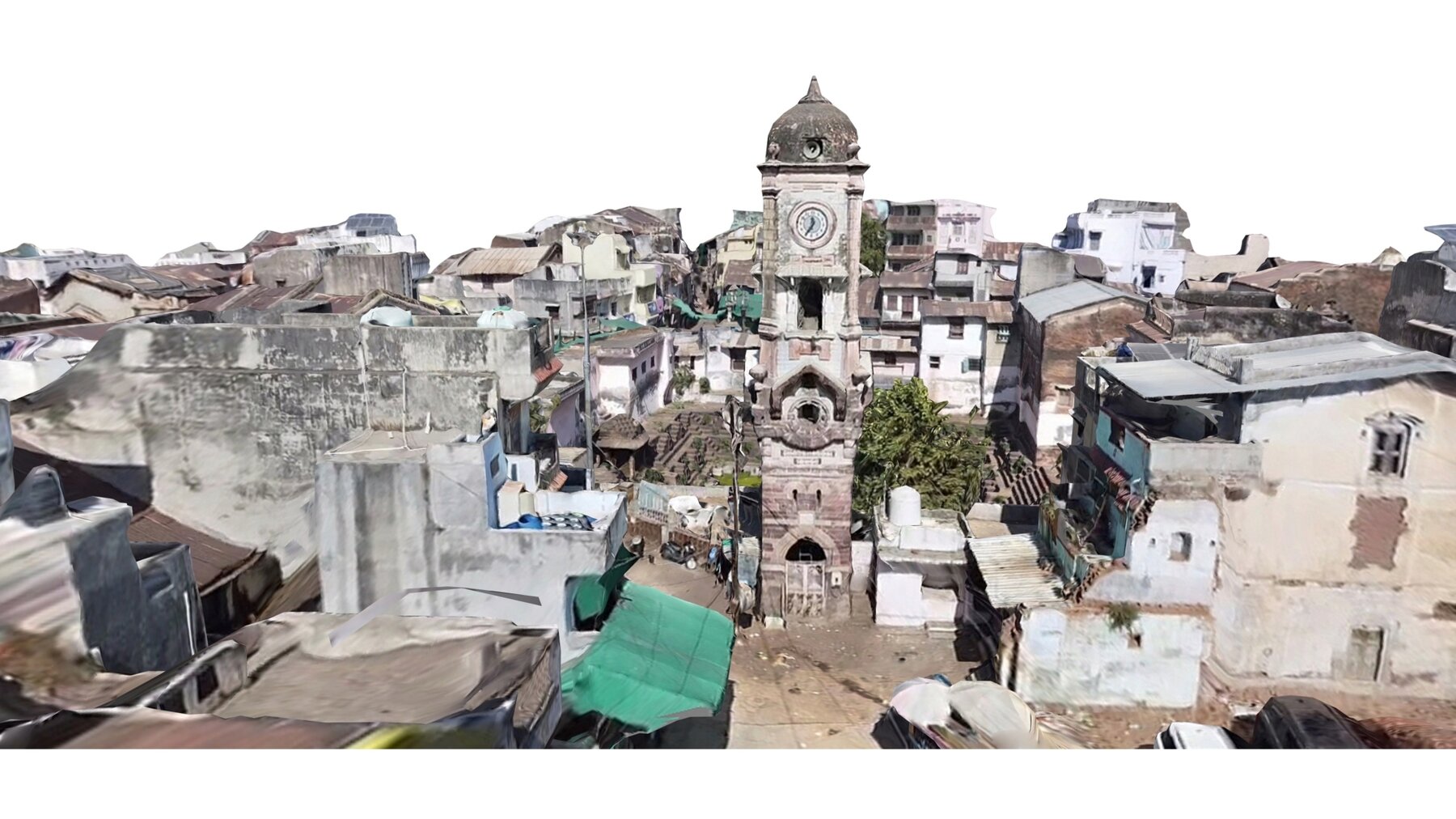
Figure 1: Photogrammetry model of the clock tower. (Source: Malav Solanki)
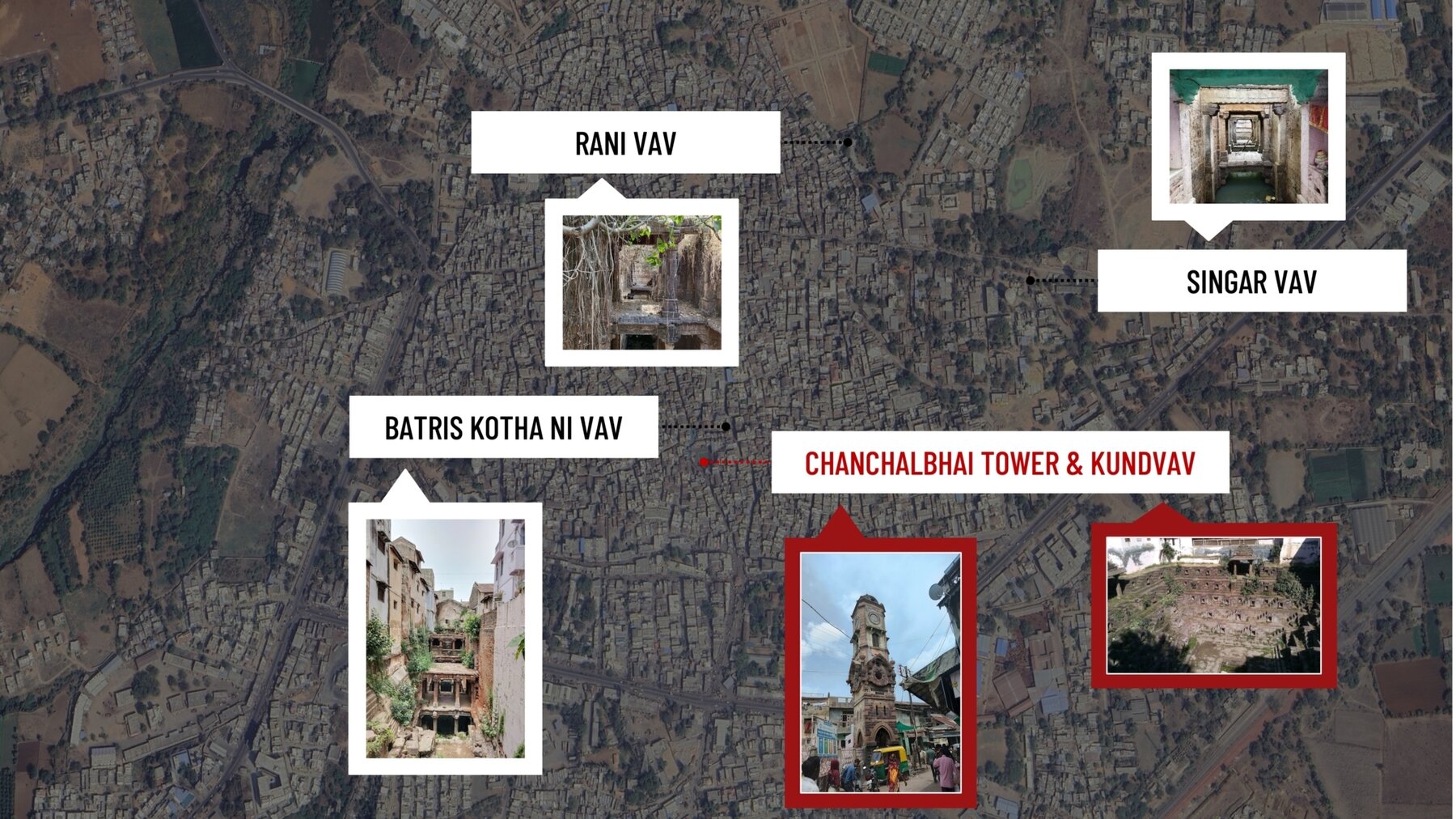
Figure 3: Geographic Location of the Chanchalbhai Tower. (Source: Malav Solanki)
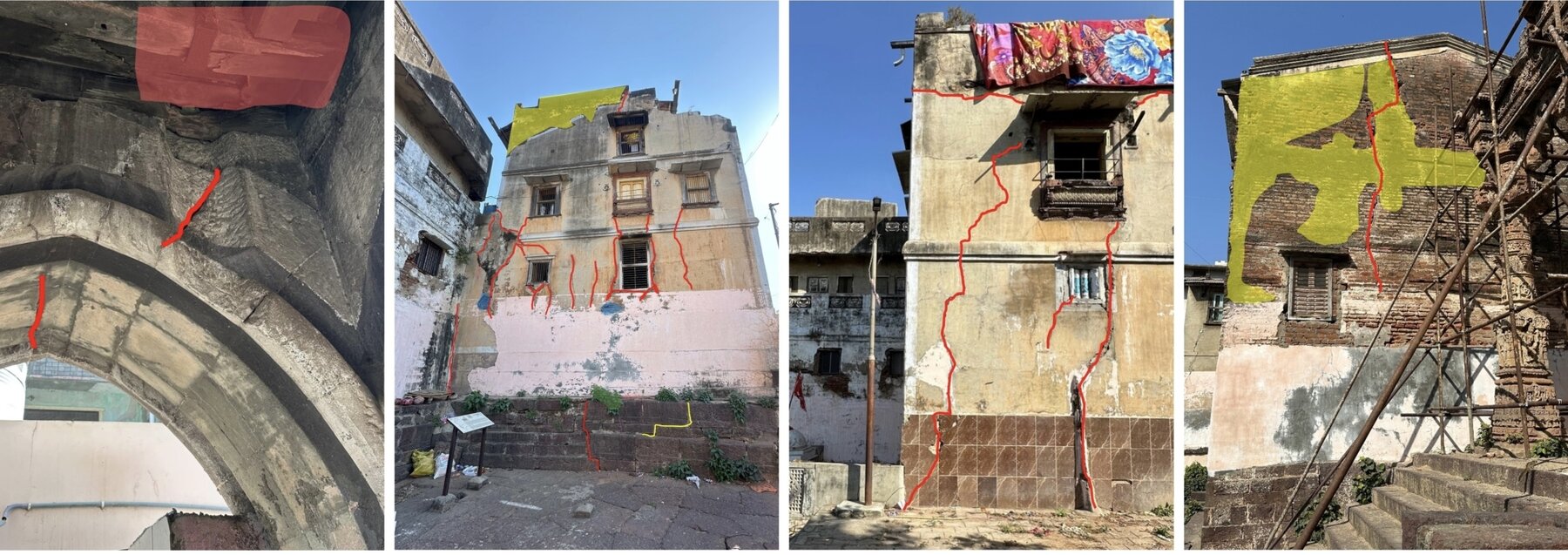
Figure 4: Damage mapping on the tower and surrounding structures. (Source: Malav Solanki)
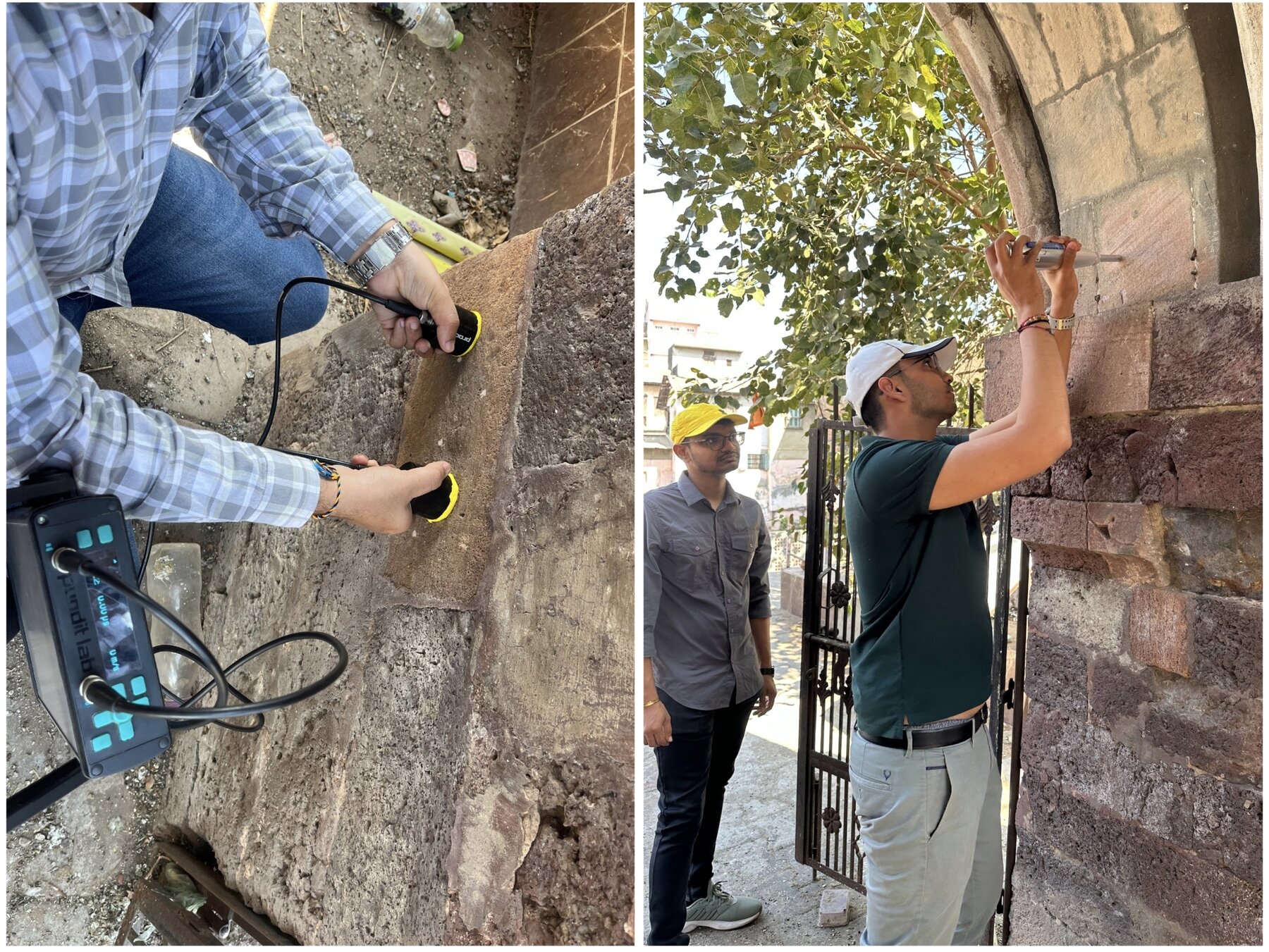
Figure 5: Non-Destructive testing on site. (Source: Malav Solanki)
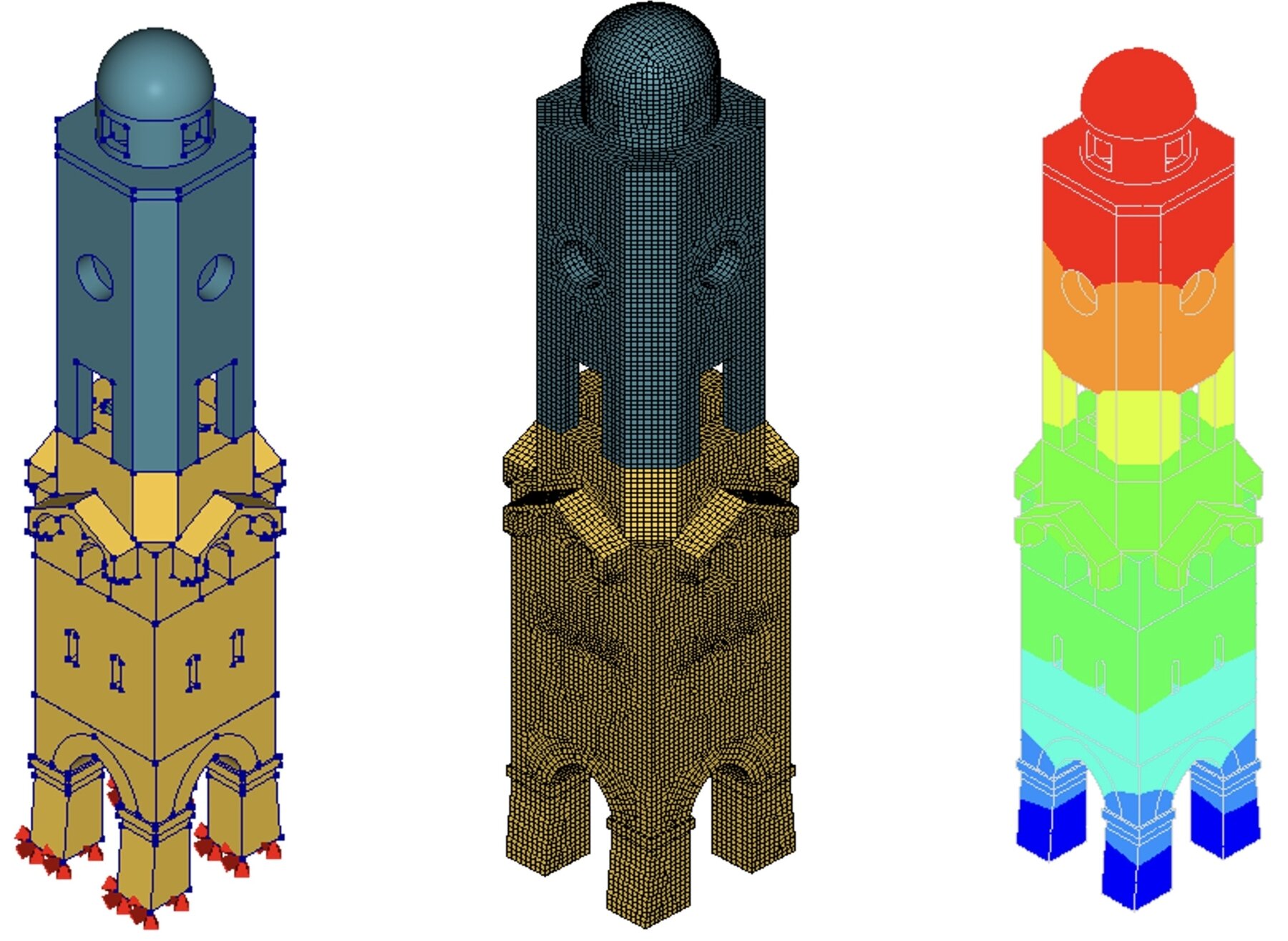
Figure 6: 3D numerical model for structural analysis. (Source: Malav Solanki)
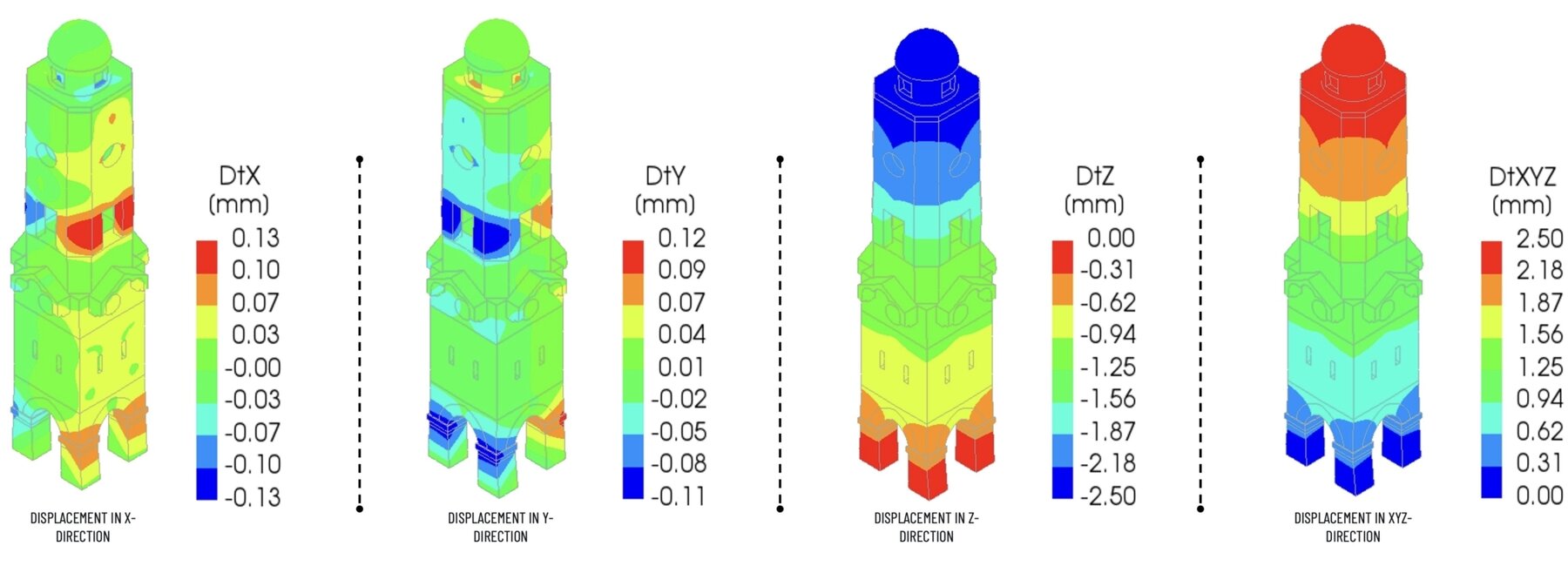
Figure 7: Structural behaviour under gravity. (Source: Malav Solanki)
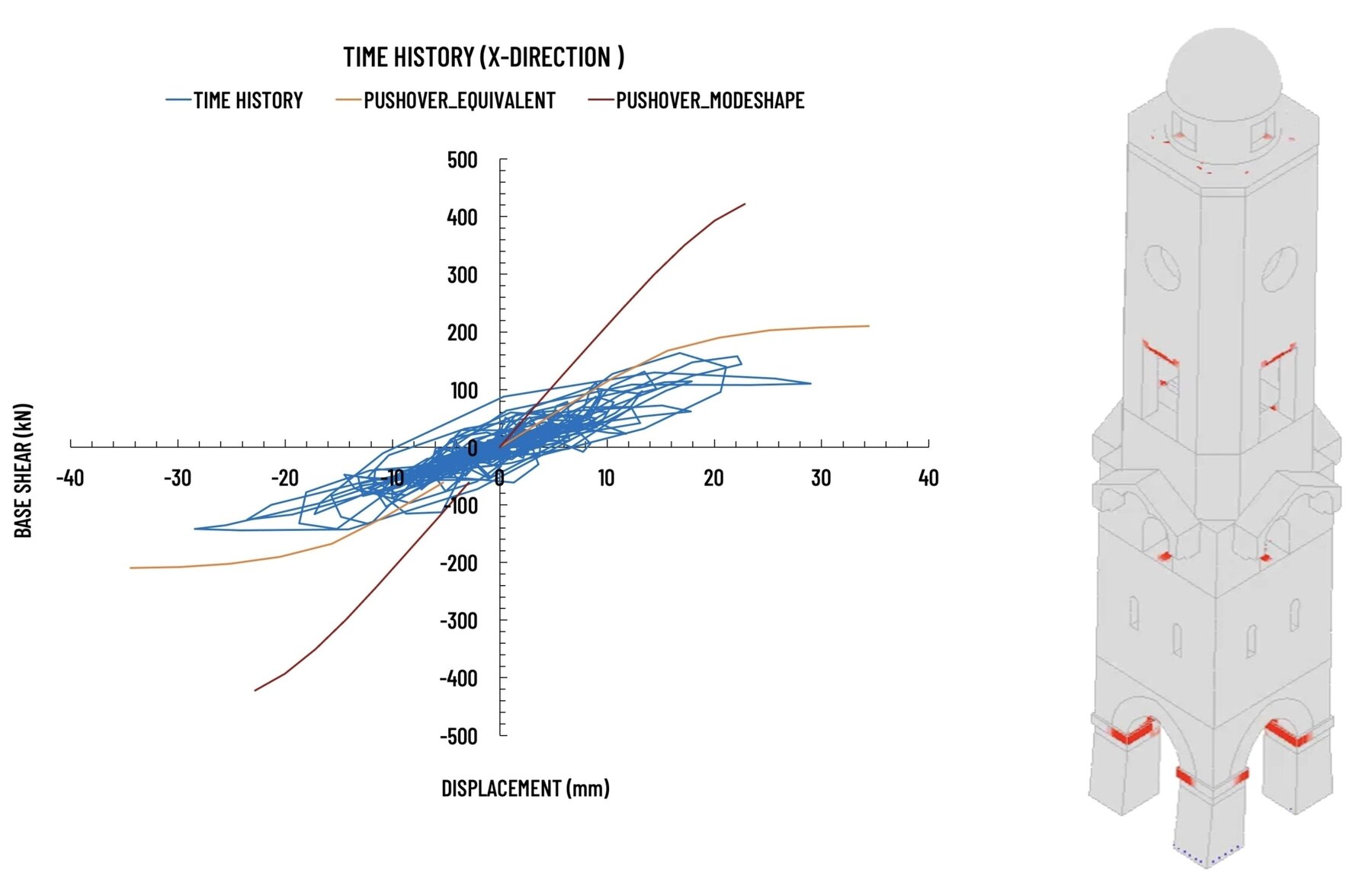
Figure 8: Predicted seismic performance via nonlinear pushover and time-history analysis and corresponding damages. (Source: Malav Solanki)
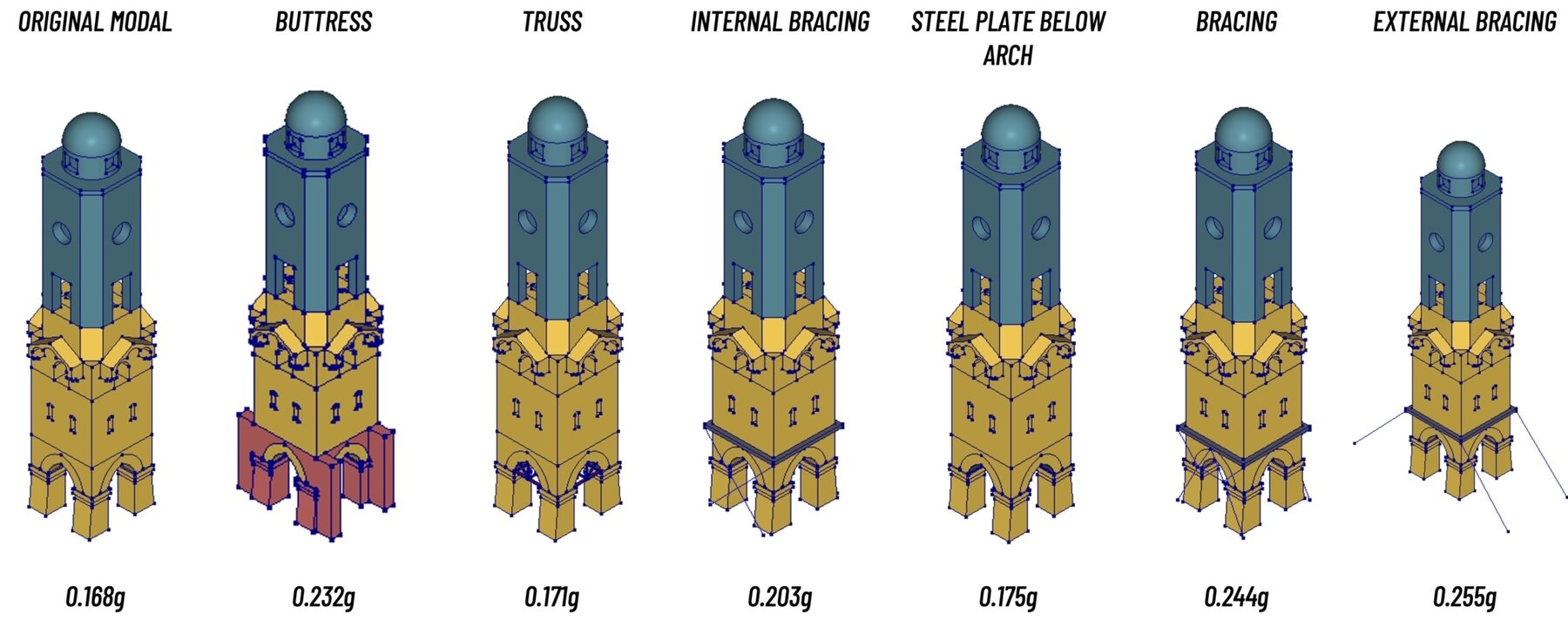
Figure 9: Various seismic strengthening strategies. (Source: Malav Solanki)
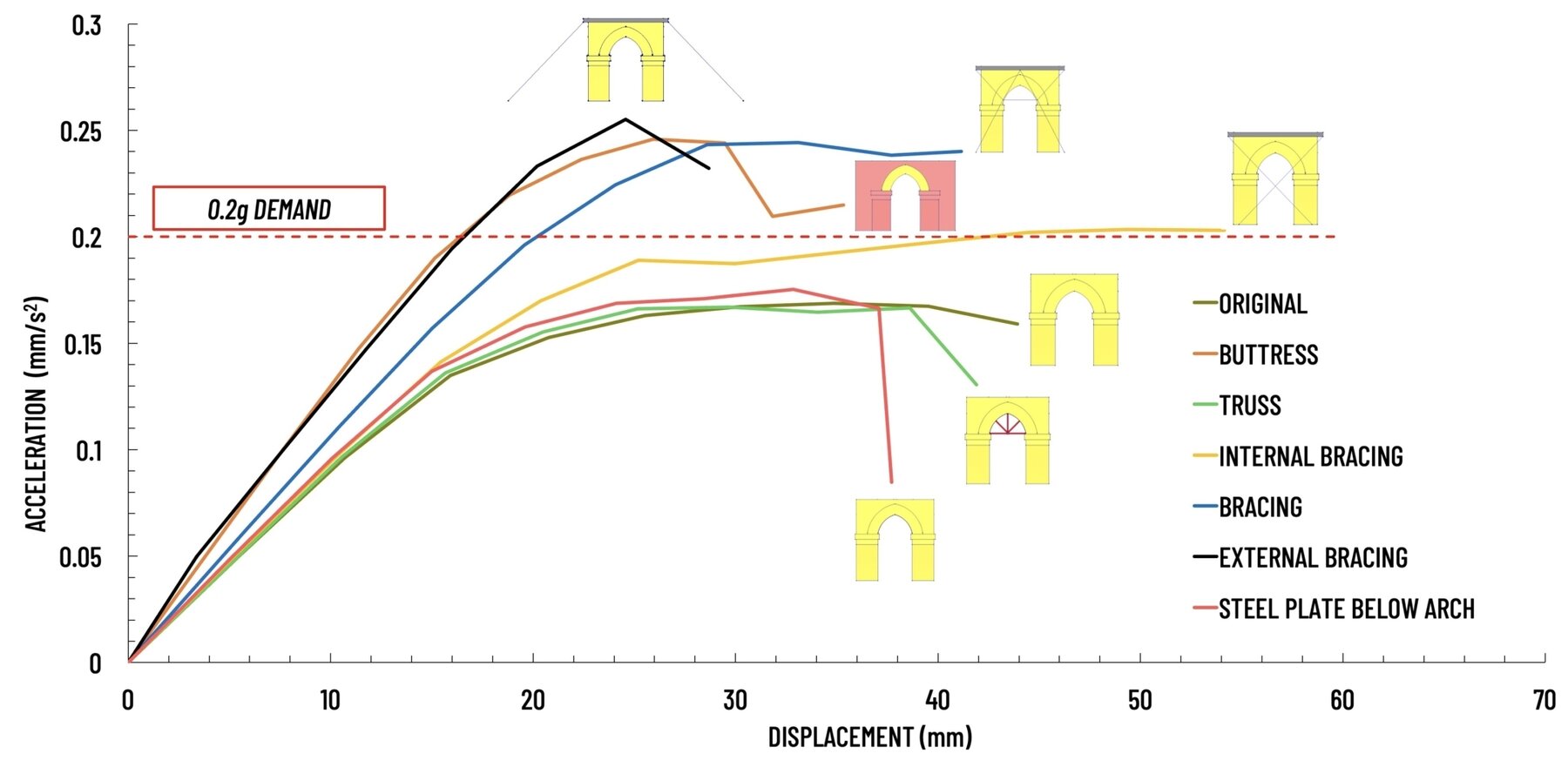
Figure 10: Performance evaluation of various strengthening strategies via nonlinear pushover analyses. (Source: Malav Solanki)